Trump administration weighs new tariffs, putting India in the firing line
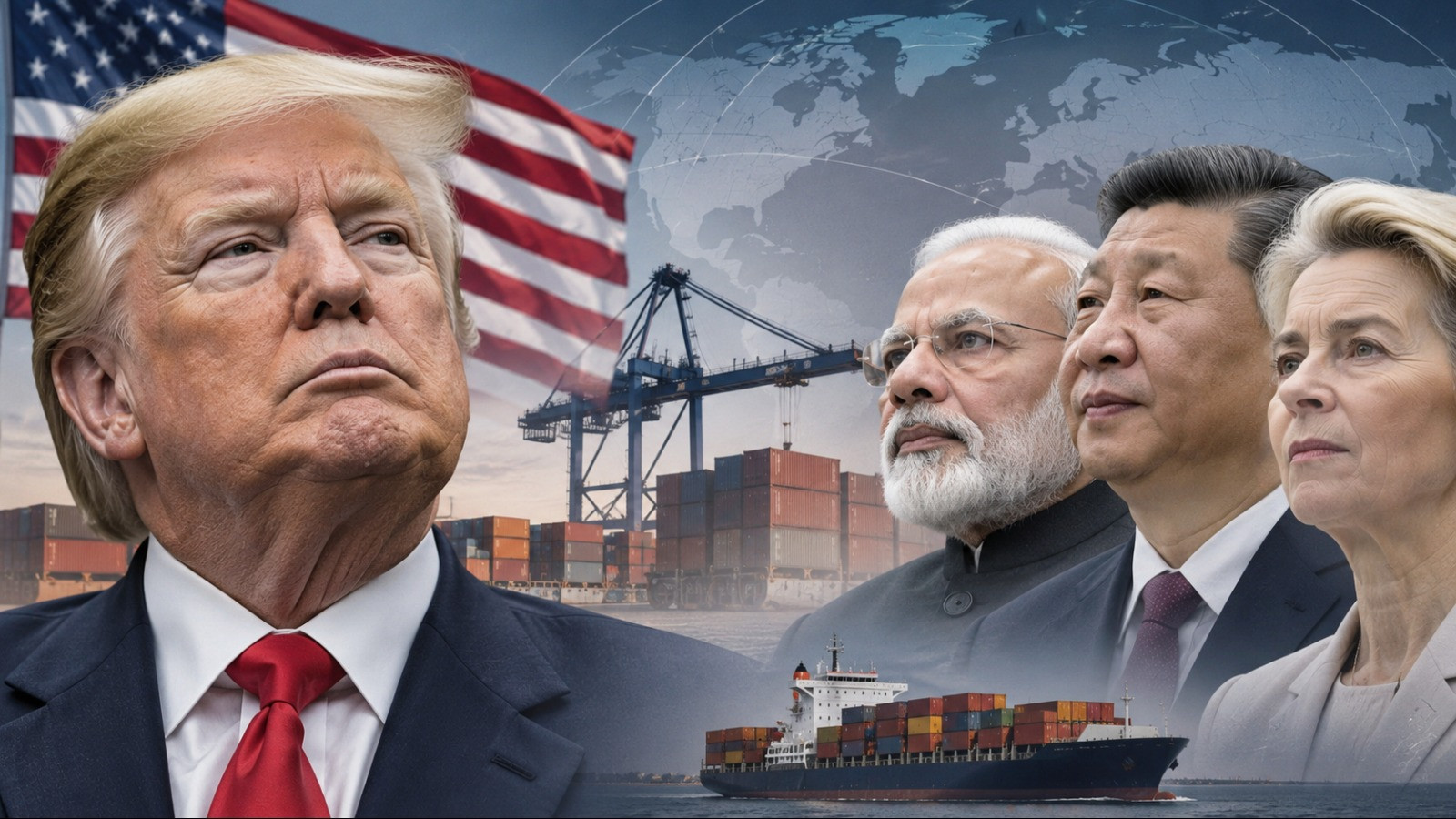
The Trump administration’s investigation covers China, the European Union and 14 other countries. Rates for the proposed tariffs have not yet been decided.
The administration of US President Donald Trump is preparing to impose new tariffs on goods coming to the US from India, China and other major economies. According to a report in The Wall Street Journal, the move is linked to an ongoing US investigation into industrial subsidies. The findings of the investigation could be announced this week, though reports citing people familiar with the plan say the timing of the announcement could change.
US Trade Representative (USTR) Jamieson Greer may present the findings of the investigation. It is reviewing industrial subsidies in China, the European Union and 14 other countries. The US administration alleges that some governments provide subsidies and other financial assistance to their industries and companies. This allows those companies to sell goods in large volumes at low prices, making it difficult for US manufacturers to compete.

These are, however, allegations by the US administration. Available reports have not officially confirmed the investigation’s final findings or the tariff rates that would apply to any country. Any potential duties should therefore be viewed as proposed measures for now.
Which countries could be affected?
Besides India, China, Japan, South Korea and European Union member states could also be affected by the potential action. According to reports by Navbharat Live and Aaj Tak based on The Wall Street Journal, tariffs on Japan, the European Union and South Korea could be 15 per cent or lower. By contrast, higher rates are expected to be imposed on India and Vietnam.
China is said to face the risk of the highest tariffs. This is due to US allegations that Chinese industries receive large-scale government assistance. The US administration argues that such support gives Chinese companies a price advantage in international markets. However, available reports have not confirmed any final rate for any country.
According to Aaj Tak, tariff rates have not yet been determined. US officials have indicated that the rates could be equivalent to those imposed in 2025. It is therefore unclear how much the proposed tariffs would add to the existing trade framework and what their actual impact would be on different countries.
Which products could be exempt?
According to reports, the proposed tariffs could apply to most goods coming to the US from the targeted countries. Some industrial products, however, may be excluded. These include products such as steel, aluminium and automobiles, which are already subject to separate tariffs on national security grounds.
No final decision has been announced on these possible exemptions either. If some products are excluded, the impact could vary across countries’ exports. This aspect is especially important for India, as the US is a major export market for Indian products. However, available reports do not specify which Indian sectors or products could be most affected.
Uncertainty over India-US trade agreement
The Trump administration’s new plan comes at a time when India and the US are negotiating a trade agreement. According to Aaj Tak, the two countries announced an interim trade framework on February 7, 2026. Under it, the US had agreed to reduce reciprocal tariffs on Indian goods from 25 per cent to 18 per cent and remove the 25 per cent secondary tariffs imposed over India’s purchase of oil from Russia.
The US Supreme Court subsequently struck down the tariffs imposed by the Trump administration under the International Emergency Economic Powers Act (IEEPA). The ruling created uncertainty over that trade arrangement. The findings of the new industrial subsidies investigation and the announcement of possible duties based on them could now mark another important juncture in India-US trade negotiations.
On November 18, India’s Commerce Secretary Rajesh Agrawal had said that the India-US free trade agreement could not be formally signed until the US’s new tariff framework was finalised. The statement makes clear that changes in US tariff policy could also affect the timeline for the trade agreement between the two countries.
Awaiting the investigation’s findings
Only after the findings of the new investigation are released will it be clear which countries the US administration decides to impose tariffs on, what the rates will be and which products will be exempt. For now, the biggest question for India and other affected economies is whether the proposed tariffs will add to the burden of existing trade arrangements or replace rates announced earlier.
The US administration is linking the investigation to the competitiveness of domestic industries and the issue of industrial subsidies. For India, however, the impact will not be limited to export duties. It could also affect ongoing trade negotiations, the interim agreement and the process of signing a free trade agreement. However, it would be premature to reach any firm conclusion until the final findings and tariff rates are officially announced.