
Rahul Gandhi assets complaint: Supreme Court quashes CBI-ED probe order, sends case back to High Court

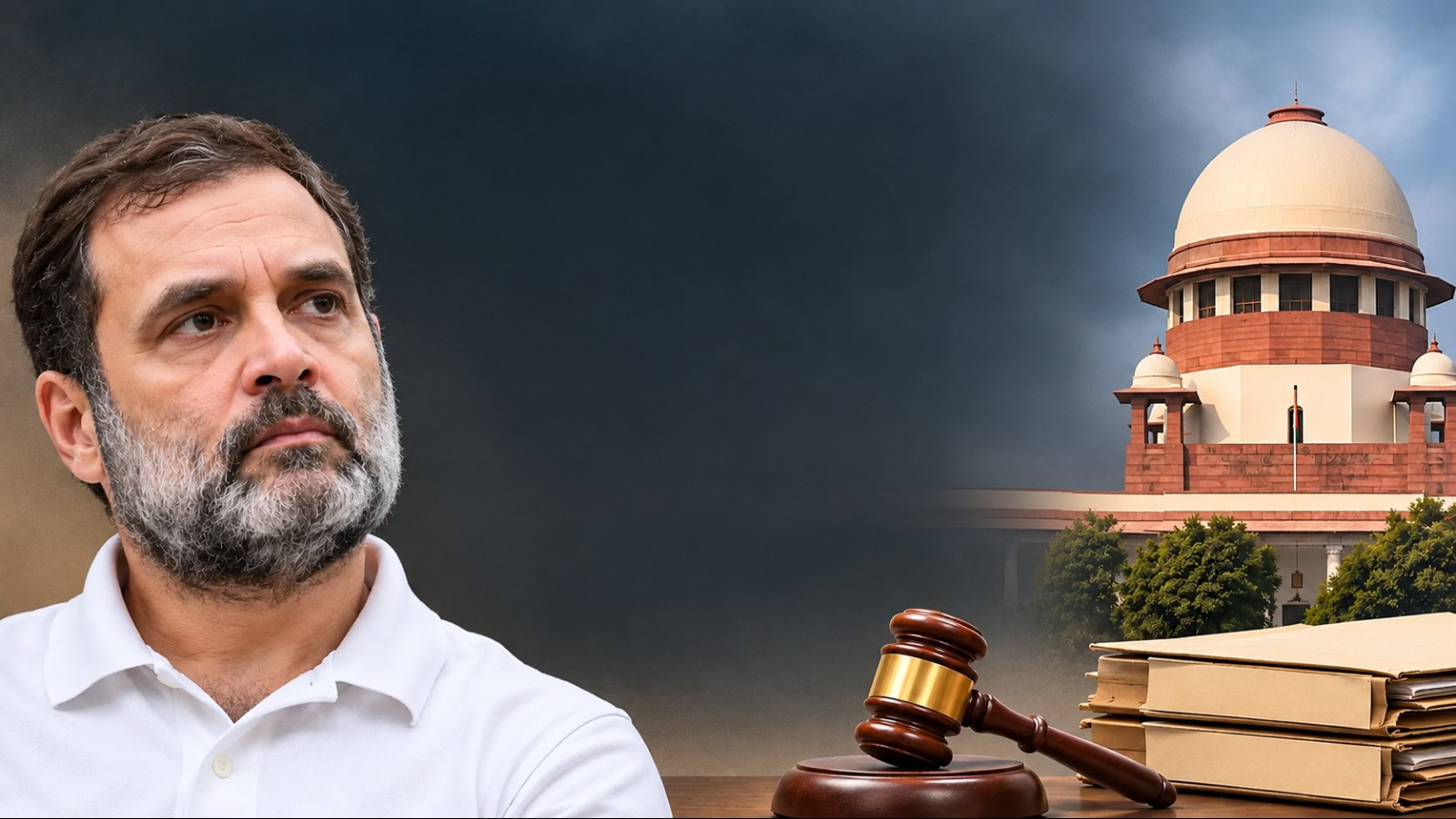
The case began with a petition filed by Karnataka BJP worker S. Vignesh Shishir.
The Supreme Court has set aside the Allahabad High Court’s directions on a complaint alleging that Congress MP and Leader of the Opposition in the Lok Sabha Rahul Gandhi has assets disproportionate to his known sources of income. The High Court had asked the Central Bureau of Investigation (CBI) and the Enforcement Directorate (ED) to verify the allegations in the complaint and report on the progress of action taken. The Supreme Court has now directed the High Court to hear all aspects of the complaint afresh and give Rahul Gandhi an opportunity to present his case. This includes the question of maintainability — whether the complaint can be heard by a court.
A Bench comprising Chief Justice Surya Kant, Justice Joymalya Bagchi and Justice V. Mohana passed the order on November 25 while disposing of Rahul Gandhi’s petition. Gandhi had challenged the High Court’s directions asking the CBI and ED to investigate or verify the complaint. The Supreme Court has directed the High Court to reconsider the complaint afresh; it has not made any finding on the truth of the allegations.
The case originated with a petition filed by S. Vignesh Shishir, a BJP worker from Karnataka. The complaint alleged that Rahul Gandhi had assets in excess of his known sources of income.

The Lucknow Bench of the Allahabad High Court had said on May 12, 2026, that if the complaint had been received by the agencies concerned, the allegations could be verified in accordance with the law. The court also asked the CBI and ED to provide details of the steps taken on the complaint. The High Court later sought a response on the progress of the case. In its July 20 order, it expressed dissatisfaction with the CBI’s affidavit and asked the agency to clarify the status of the investigation. On the ED, the High Court had said that if any material or documents came to light during the investigation, it could take steps in accordance with the law.
Rahul Gandhi argued before the Supreme Court that the proceedings in the High Court did not follow a procedure recognised by law. Senior advocate Kapil Sibal, appearing for him, also questioned the complainant’s eligibility to file the petition and its bona fides. Gandhi’s position was that the person concerned should be given an opportunity to be heard before directions were issued to the investigating agencies on the complaint.
The Supreme Court has now asked the High Court to hear all the issues afresh. An important aspect of the order is that the maintainability of the complaint will also be heard. That means the High Court will first have to examine the legal basis on which the complainant’s petition can proceed and which issues need to be heard. Only then can it consider the merits of the complaint.
The Supreme Court had also intervened in the matter on August 17. On that day, the Bench stayed further proceedings in the High Court and directed the CBI and ED not to file any report there. The court issued notice at the time and listed the matter for further hearing. The November 25 order came after hearing the challenge and sets aside the directions concerning investigation and verification.
The issue in this case is not only whether the allegations in the complaint are true, but also what procedure a court should follow before directing investigating agencies to act against a person. The Supreme Court’s latest order makes clear that Rahul Gandhi must be given an opportunity to be heard and that the maintainability of the complaint must be considered. This will determine the scope of the next hearing in the High Court.
In the proceedings ahead, the High Court will have to hear the complainant’s claims, consider the petition’s legal admissibility and hear Rahul Gandhi’s side before deciding. Until then, it would not be appropriate to treat the allegations as proved. For now, the Supreme Court’s order directs that the process be started afresh; it is not a final judicial finding on the allegations concerning the assets.