
Trump targets India with 10% tariff over 'forced labour'

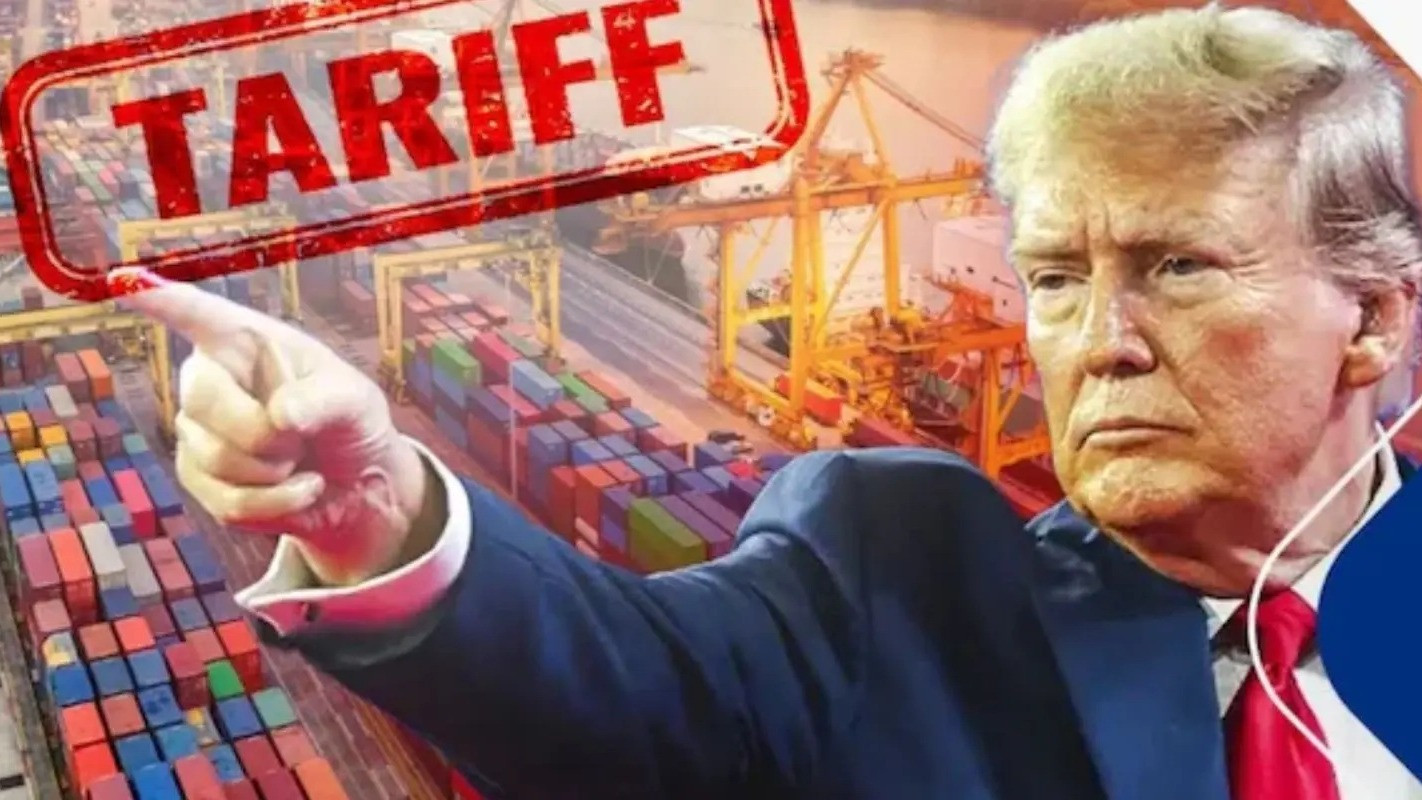
The US imposes a 10% tariff on India, citing forced labour concerns.
On Thursday, the United States announced the imposition of new import tariffs on 60 major trading partner countries, including India, China, and the European Union (EU). The US stated that this step is being taken to pressure countries that do not have adequate laws to prevent issues related to forced labour.
According to a report by The Hindu, these new tariffs will come into effect from 12:01 AM US time on Friday. Earlier, President Donald Trump's administration had temporarily imposed a 10% tariff at the beginning of this year, which is now expiring.
According to the United States Trade Representative (USTR), the new tariffs will range from 10% to 12.5% and will cover approximately 99.4% of US imported trade. US Trade Representative Jamieson Greer stated,
"There has been a ban on the import of goods made with forced labour in the US for almost a century. It is time for our trading partners to take equally stringent measures."
According to US officials, countries that have implemented effective rules against forced labour are placed in the lower 10% tariff category. These include India, Canada, the European Union, and the United Kingdom. The report states that initially, there was a plan to impose a 12.5% tariff on India, but after positive trade-related dialogue between the two countries, India was placed in the 10% category.
Meanwhile, countries like China and Japan will be subjected to a 12.5% tariff. US officials say these countries are placed in the higher tariff category. However, products that already have separate sector-based tariffs, such as steel and aluminium, will not be affected by these new tariffs. Additionally, goods under the United States-Mexico-Canada Agreement (USMCA) free trade agreement will also be exempt from these new duties.
The Trump administration claims that these new tariffs have been prepared after several months of investigation. The government asserts that they are designed to withstand legal challenges in court in the future.