Commercial cylinder prices rise ahead of Diwali, dining out gets costlier
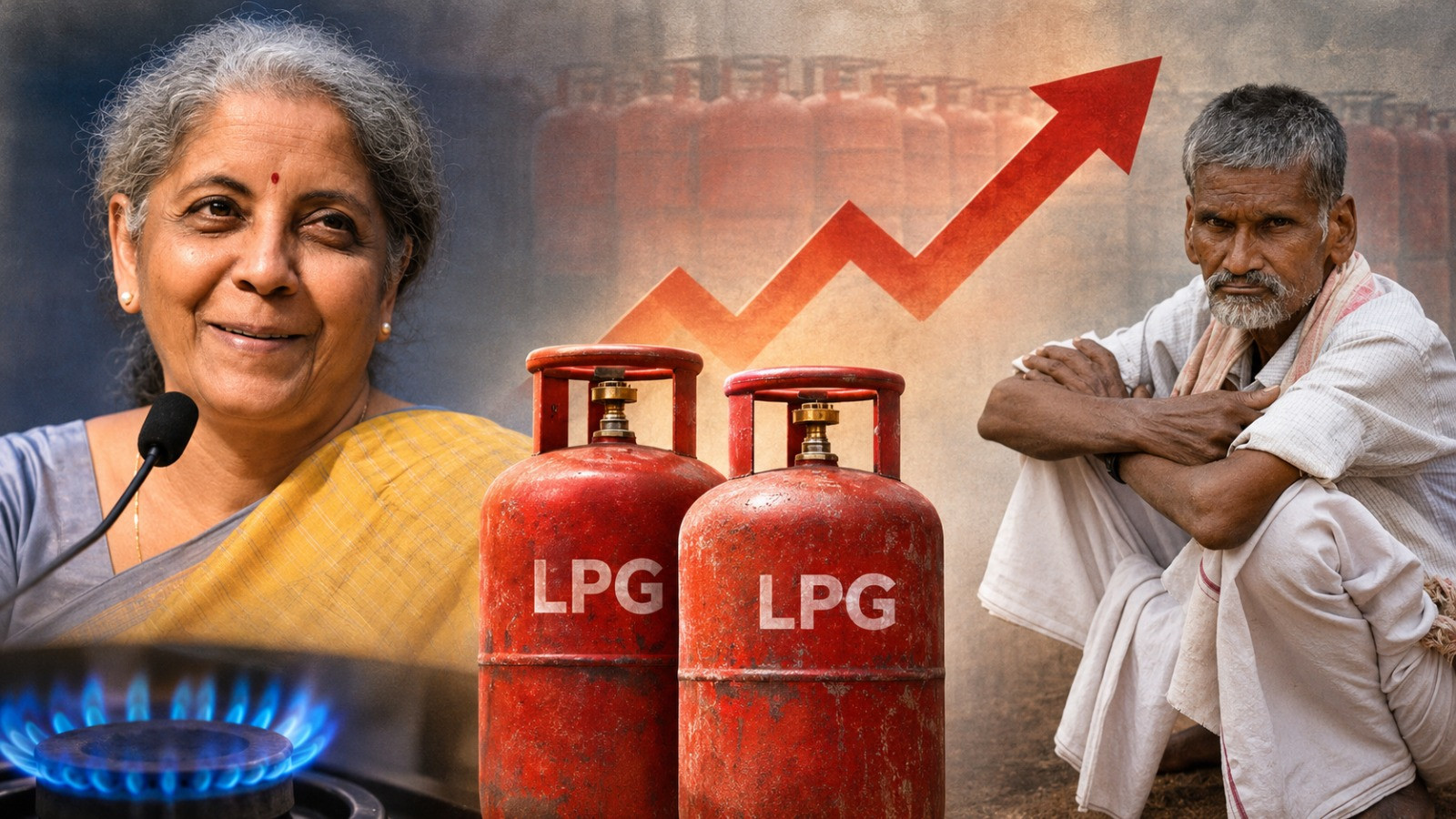
The government has dealt another blow to the public just before Diwali.
Just before Diwali, another blow of inflation has hit businesses. From November 1, the prices of the 19 kg commercial LPG cylinder have been increased once again. In Delhi, this cylinder has become ₹2,820, an increase of ₹10. However, there has been no change in the price of the 14.2 kg domestic cylinder. As a result, those associated with hotels, restaurants, dhabas, and catering businesses will now have to spend more on cooking.
The new rates vary across different cities in the country. In Delhi, the price of the commercial cylinder has risen to ₹2,820, while in Mumbai it is ₹2,774.50 and in Kolkata, it will cost ₹2,964. In Chennai, the price has increased to ₹2,994.50. In Bengaluru, the commercial cylinder will now cost ₹2,908.
In Lucknow, the price is around ₹2,942 and in Patna, it is reported to be ₹3,132. However, there are slight discrepancies in the published figures regarding the rates in some cities. Overall, in metropolitan areas and large cities, businesses are now spending around ₹2,800 to ₹3,000 for a commercial cylinder.
Significant fluctuations in gas cylinder prices over six months
Looking at the prices of commercial gas cylinders, businesses have faced considerable fluctuations over the past six months. During this period, there was a significant increase in prices, followed by relief for two consecutive months, and now prices have started to rise again.
At the beginning of April 2026, the price of the 19 kg commercial cylinder in Delhi was around ₹2,078.50. In May, there was a substantial increase of about ₹993 in one go, bringing the price to ₹3,071.50. In June, after an increase of ₹42, the price rose to ₹3,113.50.
This sudden increase had put pressure on the costs of hotels, restaurants, and small food businesses. However, in July, oil companies reduced prices by ₹183.50. In August, there was also a relief of ₹192. After that, the price of the cylinder in Delhi fell to ₹2,738.
But from September, the trend of price increases resumed. In September, there was an increase of ₹9.50 and in October, ₹62.50 was added. Now in November, another ₹10 has been increased.
Thus, compared to the beginning of April, the commercial cylinder in Delhi is now about ₹741.50 more expensive. However, the current price is lower than the highest levels recorded in May and June. This means that the price trend has not been consistent over the past six months, but businesses have had to keep track of their expenses amid constantly changing rates.
Relief for domestic kitchens for now
Despite the increase in commercial cylinder prices, the prices of the 14.2 kg cylinders used in domestic kitchens have been kept stable this time. The price of the domestic gas cylinder in Delhi remains at ₹942. In Chennai, it is priced at ₹957.50.
There have also been changes in the prices of domestic cylinders over the past few months. In March 2026, the domestic cylinder in Delhi became ₹60 more expensive. In June, there was another increase of ₹29, after which the price reached ₹942. Since then, there has been no change in the price of the domestic cylinder.
This means that currently, the increase in prices will directly affect businesses using commercial gas, while domestic consumers will not have to bear any additional burden this time.
Impact on food in hotels and restaurants
The commercial LPG cylinder is primarily used in hotels, restaurants, dhabas, sweet shops, eateries, and catering businesses. A large number of cylinders are used daily in these businesses. Therefore, even a slight increase in gas prices can impact the total monthly expenses.
For instance, if a small restaurant uses 20 commercial cylinders in a month, the current increase of ₹10 in Delhi will raise its monthly expenses by ₹200. However, considering the significant increases and subsequent fluctuations in prices over the past six months, calculating costs has been a major challenge for businesses.
Large hotels and restaurants are not exempt from this either. For establishments that use several cylinders daily, every change in gas prices directly affects operational costs.
Businesses now face two options. They can either absorb the increased costs themselves or pass some of the burden onto customers by raising the prices of food and beverages. For small dhabas and eateries, it is not easy to immediately raise food prices despite increased costs, as their customers are also sensitive to prices.
However, an increase in commercial gas prices does not mean that hotels and restaurants will immediately raise their menu prices. This decision is made considering the overall cost of business, customer footfall, and competition in the market. But if gas prices remain high for a long time, it could increase pressure on food prices.
Challenge of increased costs during Diwali
The recent increase in commercial cylinder prices has come at a time when the workload in sweet shops, restaurants, and catering businesses increases around Diwali. The demand for sweets, dishes, and prepared food rises during festivals, leading to higher gas consumption.
In such a scenario, businesses have to meet the rising demand while also bearing the cost of expensive fuel. This situation can be particularly challenging for small businesses, as they do not have the capacity to absorb cost increases for long periods like larger establishments.
It is noteworthy that commercial LPG prices are influenced by factors such as international gas prices, import costs, and the rupee-dollar exchange rate. Oil companies generally review prices on the first day of each month. This is why businesses have to plan their expenses according to the changing rates every month.
Currently, the prices of cylinders remain stable for domestic consumers, but the renewed increase in commercial gas prices has raised concerns among small and large businesses. After the significant fluctuations in prices over the past six months, the increase in November has once again raised the question of which direction gas prices will take in the coming months and how much it will impact the food expenses of the common people.