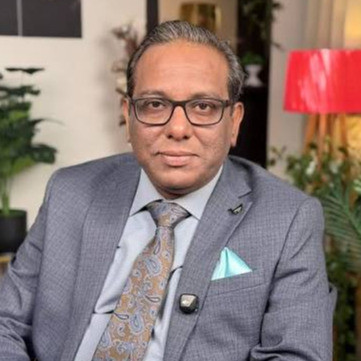
Rebellion in National Conference: Is Omar Abdullah's chair at risk?
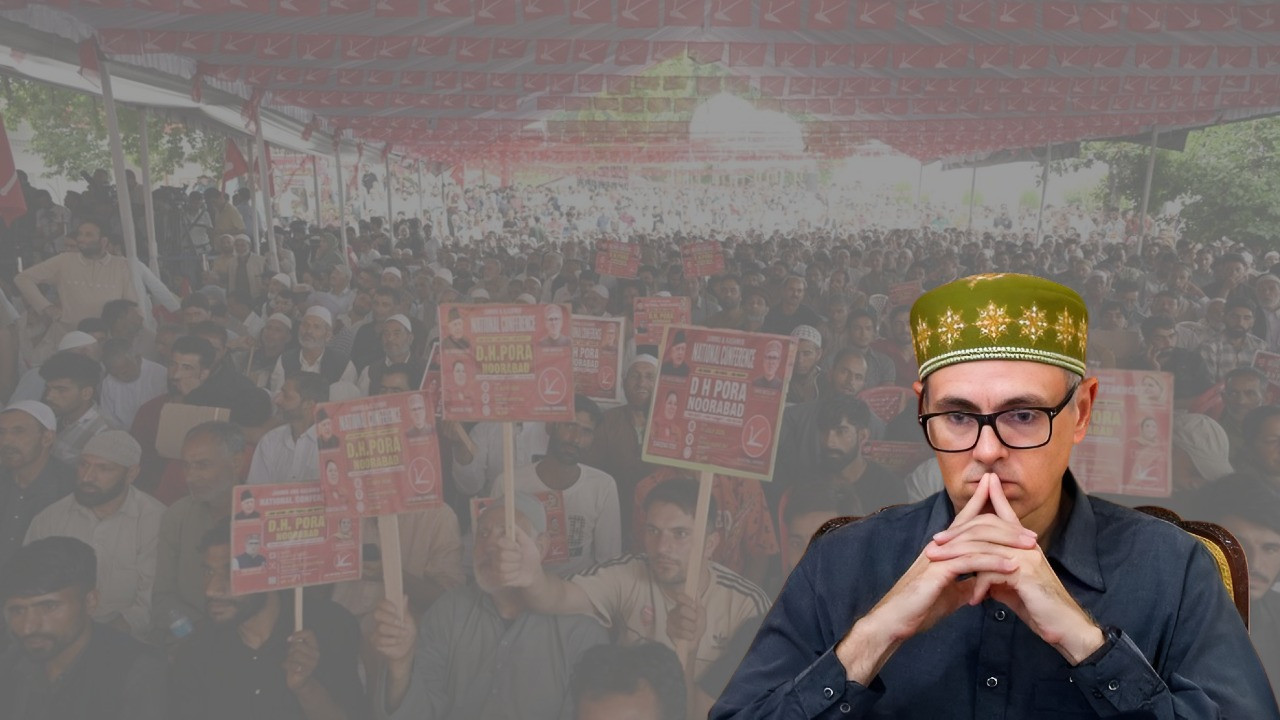
The proposal prepared after the meeting in Srinagar includes demands to remove advisor Nasir Aslam Wani and reorganize the council of ministers.
All is not well in the ruling National Conference of Jammu and Kashmir. Discontent against Chief Minister Omar Abdullah has begun to surface within the party. Dissatisfied legislators have demanded a cabinet reshuffle, the removal of certain ministers, and an increased role for legislators in government decisions. After a meeting in Srinagar on Friday evening, the legislators prepared a proposal outlining their demands to be conveyed to party president Farooq Abdullah.
The meeting took place at the residence of legislator Kaiser Jamshed Lone. According to reports, 18 legislators were present at the meeting, while six others joined via video conferencing. Thus, the dissatisfied faction claims to have the support of a total of 24 legislators. However, some other sources reported the number of legislators present at the meeting as 19.
Demand for the removal of Nasir Wani and the Deputy Chief Minister
The legislators have demanded the removal of Chief Minister's advisor Nasir Aslam Wani from his position, along with the removal of Deputy Chief Minister Surendra Chaudhary. Additionally, there is a call to remove those ministers from the cabinet who have completed a two-year term.
The legislators argue that the cabinet should be reconstituted and responsibilities among ministers should be redistributed. They want the appointment of ministers and the allocation of departments to consider their capabilities as well as representation from both Jammu and Kashmir.
One reason for this discontent is said to be that legislators are not consulted on important decisions made by the government and the party. They believe that the opinions of the party's elected representatives should be given more importance. The legislators have also demanded a clear and concrete roadmap for implementing the party's election manifesto.
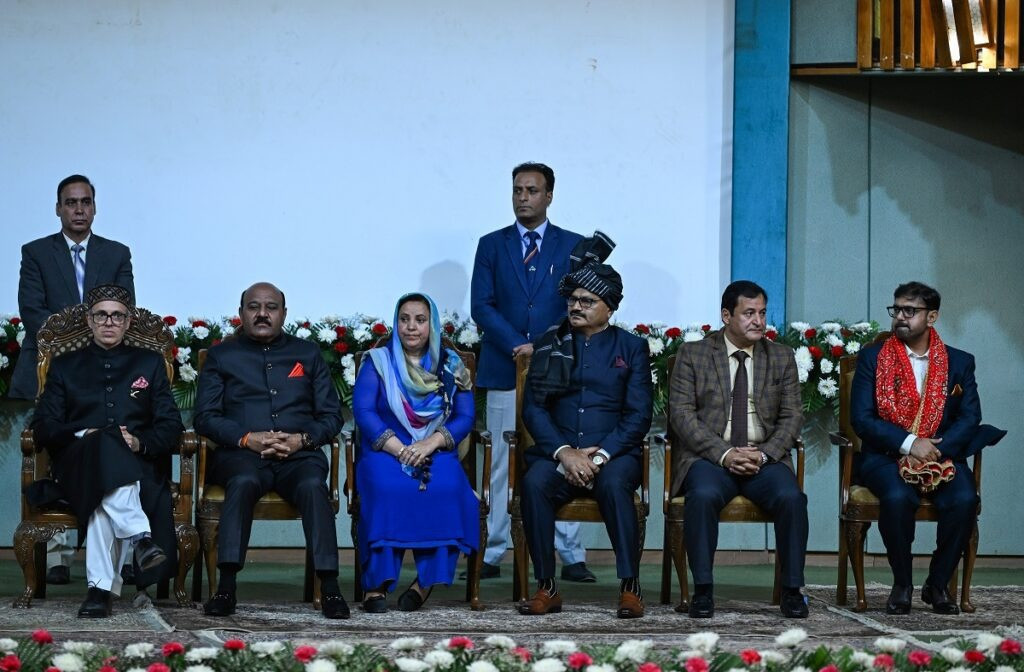
Why has discontent increased after the cabinet expansion?
The immediate reason for this discontent within the National Conference is believed to be the cabinet expansion that took place on October 27. On that day, Ali Mohammad Sagar, Shameema Firdous, Mir Saifullah, and Altaf Kaloo were appointed as ministers. Following this expansion, some senior legislators are reportedly upset about being overlooked.
According to a report by Hindustan, some legislators at the meeting also expressed grievances regarding the attitude of the party leadership and the Chief Minister's advisor. Their discontent is not limited to not receiving ministerial positions. They are also unhappy that the interference of a select few leaders in the functioning of the party and government is increasing.
The legislators have demanded the removal of not only Nasir Aslam Wani but also MP Shammi Oberoi from key responsibilities. However, the allegations against these leaders have so far only emerged as complaints from the dissatisfied legislators.
Not a rebellion against the party, but an attempt to voice concerns?
Interestingly, the dissatisfied legislators do not portray themselves as being against the party. Their complaint is that their voices are not being heard, and they want the Chief Minister to pay attention to their problems and suggestions.
In this context, it would be premature to label this development as a rebellion or a split within the party. However, demands such as the removal of the Chief Minister's advisor and the Deputy Chief Minister could pose a problem for the party leadership. These demands clearly indicate that the discontent is not merely about securing a place in the cabinet, but also raises questions about the decision-making processes within the party and government.
Aga Ruhullah's discontent adds to the difficulties
The challenges for the National Conference are not limited to this group of legislators. The discontent of Srinagar MP Aga Ruhullah has also become a concern for the party leadership.
Ruhullah's discontent is said to stem from disagreements over the party's political direction and the promises made during the elections. Particularly, his stance on issues related to Jammu and Kashmir's special status, political prisoners, and the rights of the state has differed from the party leadership. Thus, two distinct aspects of discontent within the party emerge. On one hand, legislators want to increase their share in the government and organization, while on the other hand, some leaders are demanding accountability from the leadership regarding the party's political commitments and electoral promises. His tweet from August 28 also confirms his resignation.
Will it affect the government's majority?
The National Conference has 41 legislators in the 90-member Jammu and Kashmir Assembly. In addition to six Congress legislators, the government also has the support of smaller parties and independent legislators. In this context, discontent within the party is certainly a political challenge for Omar Abdullah, but it cannot be said that the government's majority is currently at risk.
It remains to be seen how the dissatisfied legislators will proceed with their demands. Will they meet with the Chief Minister to voice their complaints? Will Farooq Abdullah intervene in this matter? And will there be another reshuffle in the cabinet?
Answers to these questions will emerge in the coming days. So far, there has been no clear response from Omar Abdullah or Farooq Abdullah regarding the legislators' demands.
For the National Conference, this is not merely a matter of removing a few ministers or accommodating new faces. After securing a mandate in the assembly elections, the party faces the challenge of running the government while keeping its organization united. If legislators continue to feel that government and party decisions are being made at the behest of a select few, discontent may further escalate.
The real challenge for Omar Abdullah is to strike a balance between the needs of running the government, the ambitions of senior party leaders, and the complaints of elected legislators. In the coming days, it will become clear whether the leadership of the National Conference can resolve this discontent through dialogue or if this rift within the party will deepen.