
What lies behind the millions embezzled at Greater Noida PNB branch?

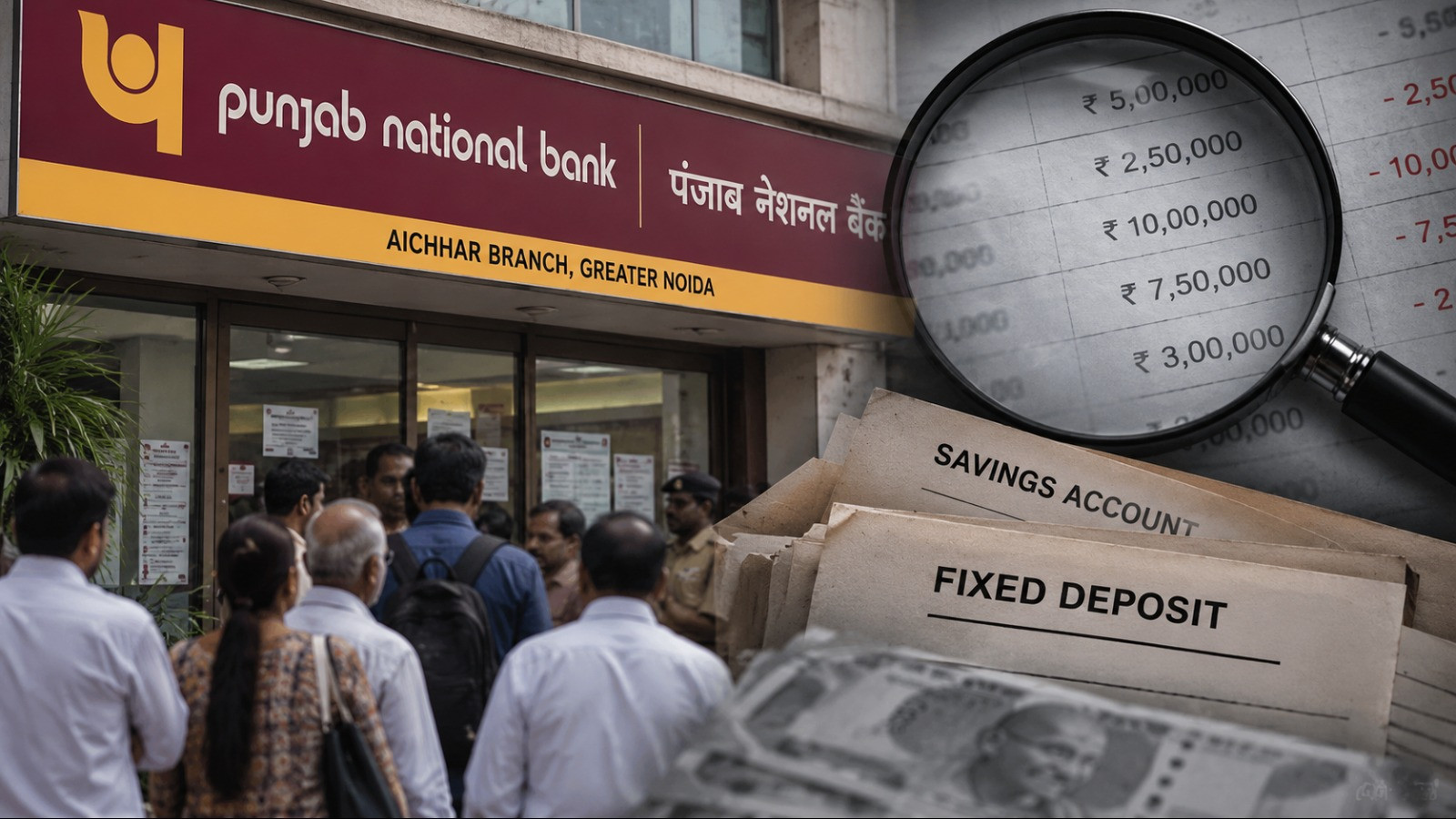
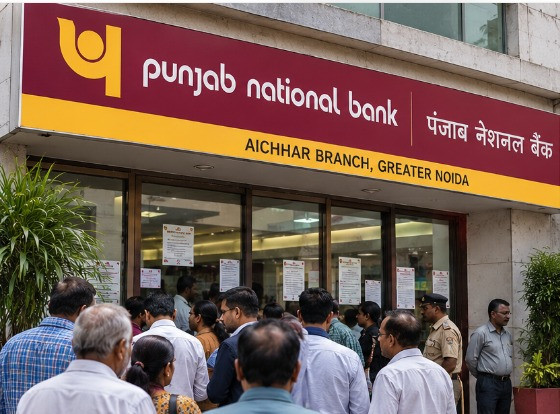
Account holders at the Aichhar village branch have reported missing funds from their FD and savings accounts. The total affected amount has not yet been officially confirmed.
The case of alleged embezzlement of deposit amounts at the Punjab National Bank (PNB) branch in Aichhar village, Greater Noida, Uttar Pradesh, raises serious questions related to internal controls in the banking system, customer financial security, and accountability.
In this case, which came to light on October 27, 2026, initial complaints estimated that approximately ₹35 crore was affected. The bank suspended five employees, including the branch manager, and initiated a departmental inquiry. According to reports published by October 29, the number of complainants had risen to 25, and the police had registered a case and were proceeding with the investigation. However, the total affected amount and the official final determination of all suspicious transactions had not yet been made.

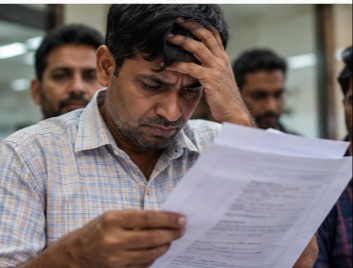
In this case, account holders allege that fixed deposits (FDs) were prematurely closed without their knowledge and consent, and the amounts were transferred to other accounts. Some customers also complained that the amounts in their savings accounts appeared to be reduced or completely missing. According to news reports, the affected individuals include farmers and other account holders from Aichhar, Biraonda, Viraundi Chakrasenpur, and surrounding areas. For some families, this amount was related to compensation received for land acquisition. Therefore, the dispute is not only about the remaining balance visible in bank accounts but also about those savings that could be crucial for the future financial security of families.
The issue came to light when Aichhar resident transporter Vineet Bhati approached the bank to inquire about transactions related to his account. According to a report by Dainik Jagran, Bhati alleged that he signed checks and other documents at the behest of bank employees concerning mutual fund investments. He claims that ₹25 lakh was transferred to another account that had a name similar to his, but it was not his actual account. He demanded that the police recover the amount and investigate the role of the concerned employees.
This complaint is significant for the investigation, as it raises the need to determine how the transactions were authorized and to which account the funds were transferred.
Other account holders have also reported large sums missing. According to a PTI report, a farmer, Vijender Singh, stated that there were previously about ₹87 to 88 lakh in his savings account, but later only ₹1 lakh was visible. Another account holder, Hanif Khan, claimed that there were previously about ₹39 lakh in his account, but later this amount was not visible. He stated that he neither authorized the transfer of funds nor received any communication regarding it. Other customers have also complained about alleged unauthorized transactions and premature closure of FDs. These are personal statements; the factual aspects can only be confirmed through an examination of the relevant bank records and transaction details.
Following the emergence of complaints, the bank took action against the concerned employees and initiated an internal investigation. According to a report published on October 29 by Hindustan Times, all employees of the branch were suspended. The report also stated that the bank's headquarters in Delhi had halted the transferred amounts and stated that they would be returned to customers. According to this report, the police expanded the scope of the investigation after the number of complainants increased, and the anti-corruption unit also became involved in the inquiry. However, there is a difference between the amounts being halted and their actual return to customers' accounts. The final situation will only be confirmed by the bank's official details and proof of the amounts being deposited into the relevant accounts.
Initial media reports indicated that approximately ₹35 crore was affected. On the other hand, the Bharatiya Kisan Union (Kisan) alleged that the alleged embezzled amount could be between ₹130 crore and ₹150 crore.
A significant aspect of this case relates to internal controls in the banking system. The process of prematurely closing an FD, transferring its maturity value, or withdrawing large sums from a savings account requires verification of the customer's identity, authorization, and transaction validation. If the investigation confirms that employees transferred funds without necessary permissions, it will not only be a question of individual irregularities. It will also need to be examined why the bank's monitoring system, transaction alerts, audits, and grievance redressal mechanisms failed to timely identify suspicious activities.

The Reserve Bank of India's guidelines on unauthorized electronic banking transactions contain provisions for determining customer liability and bank responsibility. However, it will only be possible to ascertain whether these rules can be applied in this case once it is clear how the embezzlement occurred at the Aichhar branch.
Currently, there are three critical questions in this case:
1- Under what circumstances were the account holders' amounts transferred?
2- What is the actual financial loss? and
3- Who bears responsibility, individuals or institutional processes?
The suspension of employees by the bank and the initiation of police investigations are initial steps, but a transparent inquiry, timely action, and the return of amounts to eligible account holders are essential for customer financial security. This incident raises serious questions about the banking system and clearly points to widespread corruption within banks.