
Is there an attempt to undermine Tata Trust? Rahul Gandhi questions Amit Shah's involvement
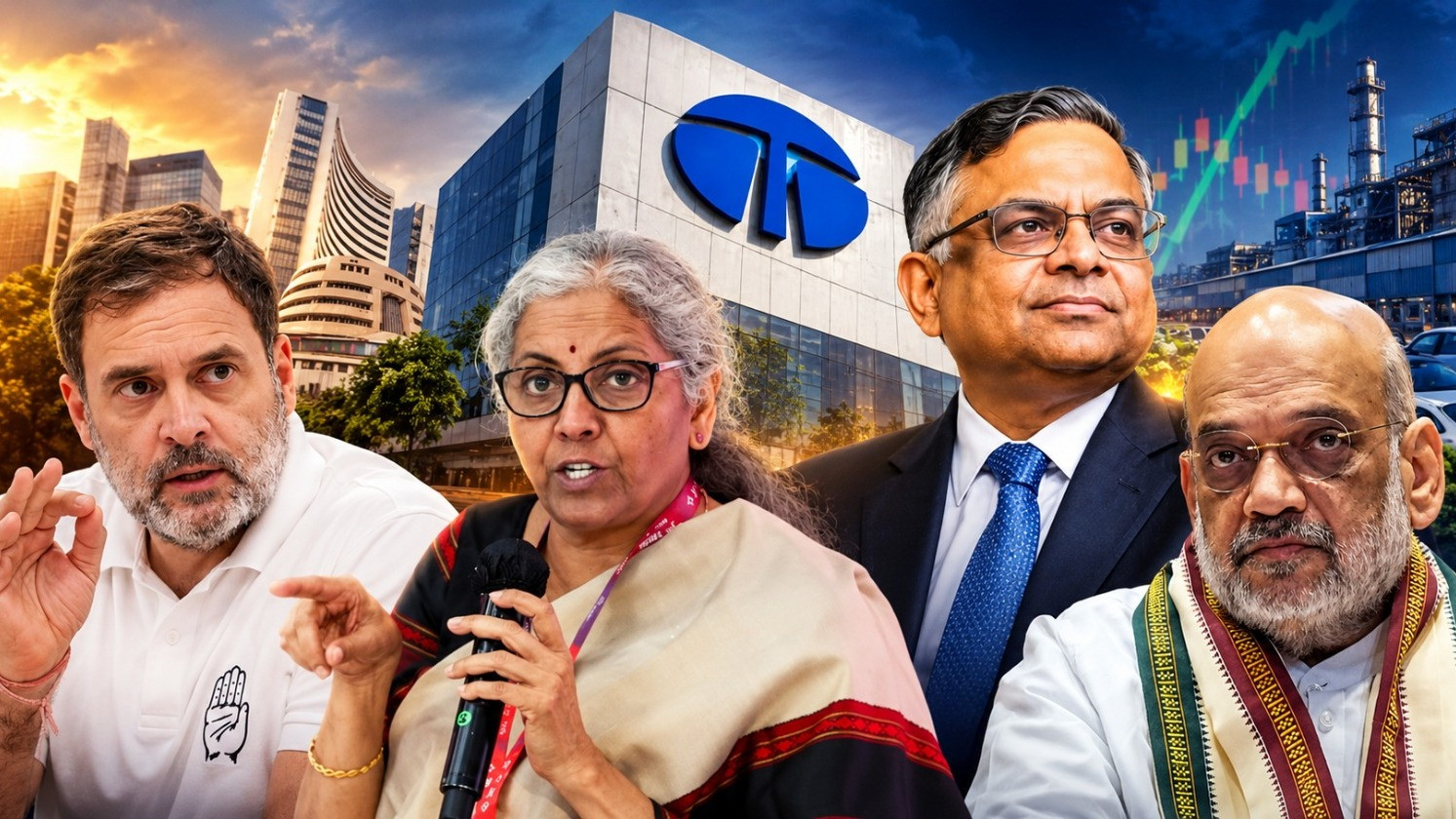
Rahul Gandhi claims the government aims to indirectly control Tata Group companies.
Rahul Gandhi recently said on X that “Tata is being criminally eliminated and industrialists do not have the courage to speak a word. How long will you remain silent? Until they swallow you? Indian industrialists are not toys of Modi and Shah. You lack courage. We have it. We will ensure that justice is served for these crimes.” Let’s understand this properly.
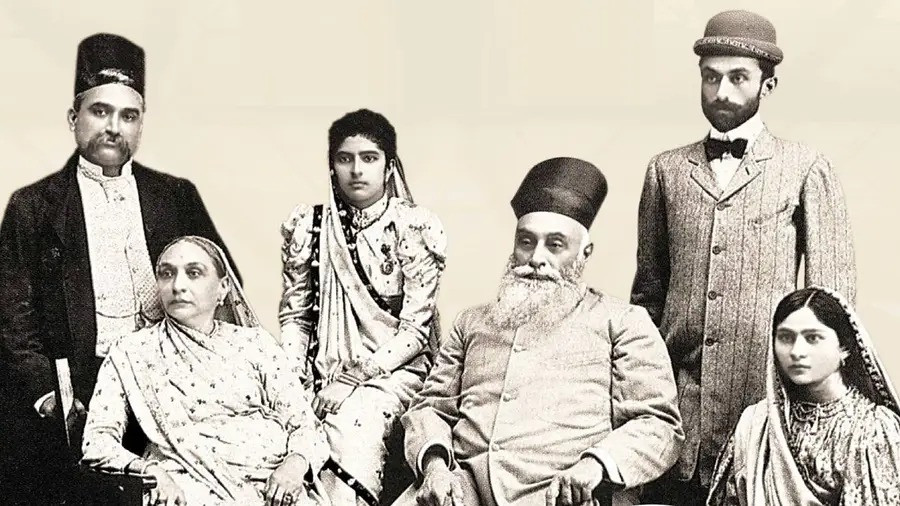
There is a Tata Trust. It works for philanthropy. This means it provides assistance to organizations working in relief during natural disasters, education, health, and the environment, and also engages in these activities itself. The Tata Trust holds approximately 66 percent of the shares in a company called Tata Sons. This means that of the profits earned by Tata Sons, it receives 66 percent of the dividends, and this amount is spent for the welfare of society. The Tata Trust was established by Jamsetji Tata in 1894. Its indirect meaning is that the primary objective of the Tata Group's companies is to spend most of the profits they earn for the welfare of society.
Tata Sons, established in 1917, is a private company registered under company law. It holds majority shares in all the companies of the Tata Group. This means it can be said to own the companies of the Tata Group. Last year, its net income was approximately ₹26,000 crore. However, Tata Sons is not listed on the Bombay Stock Exchange or the National Stock Exchange. The Reserve Bank considers Tata Sons as an upper layer non-banking finance company and core investment company, and therefore, under its regulations, Tata Sons must be listed in the stock market. This means it has to issue a public share offering in the primary share market for the public. Tata Sons had requested the Reserve Bank to cancel its registration as an upper layer non-banking finance company and core investment company, and the Reserve Bank rejected that request. Therefore, Tata Sons will now have to bring a public issue within three years.
The Tata Trust holds 66 percent of the shares of Tata Sons, and its chairman is Noel Tata. Noel Tata is the cousin of Ratan Tata. He opposes this public issue, while Tata Sons' chairman Natarajan Chandrasekaran has no objection to bringing a public issue. This means they are ready to comply with the Reserve Bank's directives. Now, there is a dispute between the Tata Trust and Tata Sons. If Tata Sons brings a public issue, the 66 percent ownership stake held by the Tata Trust will decrease, and then the entry of SEBI and the Reserve Bank into its regulation and management will occur. Noel Tata argues that if this happens, the market value of Tata companies' shares will increase, and the philanthropic purpose for which it has been working for the past 150 years is likely to weaken. Currently, the Tata Trust provides millions of rupees in assistance to 300 organizations working in 338 districts across the country.
The first chairman of the Tata Trust was Jamsetji Tata himself, and the second chairman was Ratan Tata. Now their cousin Noel Tata is in charge. As long as Ratan Tata was there, Narendra Modi and Amit Shah could not dare to do anything. Ratan Tata passed away in October 2024. But now it seems that they have found a way to infiltrate a highly prestigious company in the country.
The Reserve Bank recently created a rule in July 2026 that makes a public issue mandatory for any NBFC with a turnover of over ₹1 lakh crore. There are only 17 such companies in India. This implies that this rule was made by the Reserve Bank specifically to trap Tata Sons. And the Reserve Bank means the Modi government. Because the Reserve Bank lost all its autonomy long ago. Now, if Tata Sons' public issue comes to the stock market, government companies like LIC will also buy shares in it, thereby increasing the government's pressure on Tata Sons. Some estimate the value of Tata Sons at around ₹15 lakh crore. The Tata Group has more than 30 companies under its control, and if Tata Sons' public issue comes, then the interference of government companies will increase.
On October 7 last year, representatives from Tata Sons and Tata Trust met Amit Shah at his residence. Later, Nirmala Sitharaman also joined that meeting. The question is, if the entire matter is between the Reserve Bank, SEBI, Tata Sons, and Tata Trust, then how does Amit Shah come into the picture? He is the Home Minister. What does the Home Minister have to do with the entire matter? Why do the giants of Tata Trust and Tata Sons not meet the Governor of the Reserve Bank Sanjay Malhotra or the Chairman of SEBI Tuhin Kanta Pandey, and instead go to meet Amit Shah at his home? Are they living under some pressure?
What Rahul Gandhi is saying is that the government wants to establish indirect control over the companies of the Tata Group and wants to seize their profits worth crores. Rahul Gandhi alleges that the government wants to insert some favored industrialist into the Tata Group. Rahul's question is, what legal and financial matter necessitates their meeting with Amit Shah? This question is indeed very important. Why are the giants of India's corporate world silent? Why is everyone so scared? Ghanshyam Das Birla and Jamnalal Bajaj were with Mahatma Gandhi. They were not afraid of the British government. So why are today's big industrialists afraid?
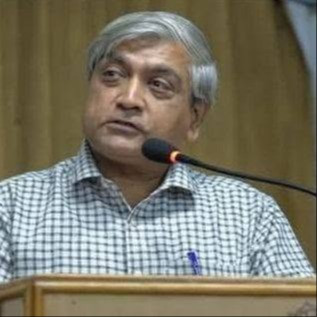
Pro. Hemantkumar Shah
प्रो शाह जाने-माने अर्थशास्त्री हैं और गुजरात में लंबे समय तक अध्यापन के बाद लेखन और सामाजिक कार्यों में सक्रिय हैं।