
Sharjeel Imam and the introspection of Muslim politics
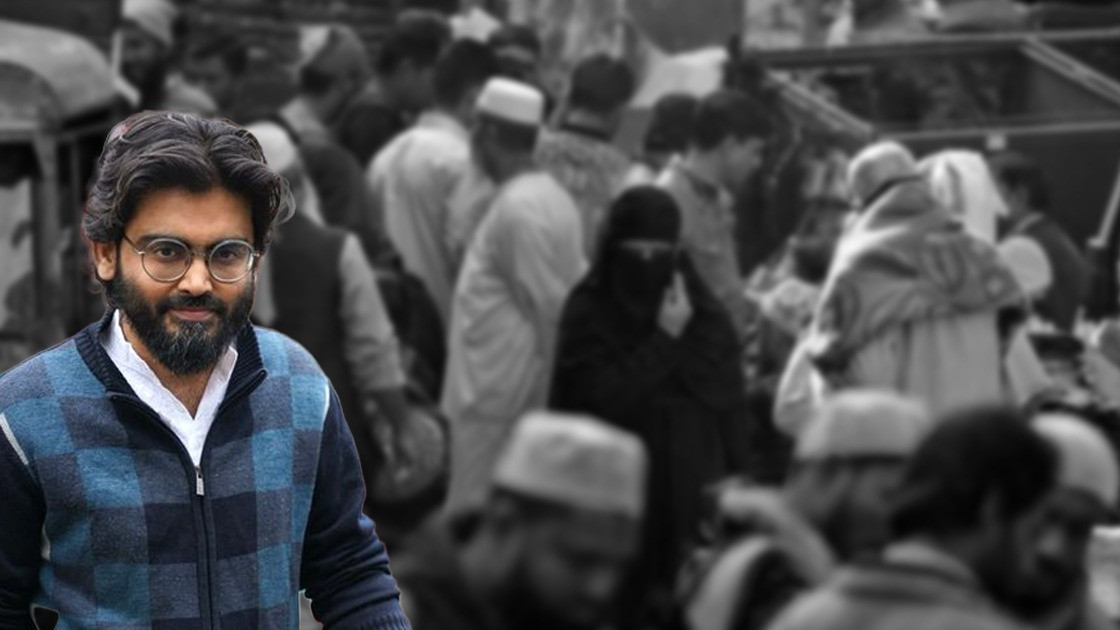
Muslim politics needs leadership that presents solid strategies on education, employment, economic growth, and political representation.
If there is injustice against a Muslim, it is essential to raise our voice in their favor. But does this demand for justice also make us supporters of everything they say? Does a person's religious identity place their views above criticism? If a non-Muslim speaks against the Constitution and democratic principles, we oppose them, but should our attitude change if a Muslim leader says the same thing? If our principles change based on a person's identity, then the question is not just about that person's views, but also about our own intellectual integrity, which we should reflect upon and ask ourselves whether we are impartial.
Sharjeel Imam's interview and his writings from Tihar Jail have sparked a new debate regarding Muslim politics, secularism, and political representation. There are those who agree with his views and those who disagree. However, amidst this debate, there is a fundamental question that deserves serious consideration: does demanding justice for a person mean supporting all their views? The answer is clear. Justice and support for views are two different matters. A person should receive a fair hearing and legal rights, but this does not place all their political perspectives above criticism. This principle applies to Sharjeel Imam as well as to every other politician or thinker.

Sharjeel Imam has raised important topics such as Muslim political representation, the role of Congress, secular politics, and proportional representation. These should be debated. Are Muslims receiving adequate representation in politics? Do secular parties take their issues seriously? Is there room for reform in the current electoral system? These are legitimate questions. However, having some valid questions in an analysis does not mean that all its conclusions should be accepted without scrutiny.
A major problem within the Muslim community is that while it raises its voice on issues of rights, it shies away from critically examining the views of its leadership and intellectual guides. If a non-Muslim politician speaks against the Constitution or democratic principles, they are criticized. But if a Muslim leader says the same thing, should our standards change? If so, then this is partisanship based on identity rather than principles.

Disagreeing with a Muslim is not opposition to the Muslim community. Similarly, demanding justice for a Muslim does not mean endorsing all their views. The principles of the Constitution, law, and democracy cannot change based on someone's religious identity. Criticizing any provision of the Constitution or demanding electoral reforms is part of democratic discourse, but it is also essential to evaluate such proposals against facts, arguments, and their potential outcomes.
There is another aspect to this matter. When a person belonging to a community makes a controversial statement, and their supporters defend them at all costs, critics may get the opportunity to portray that statement as representative of the entire community's thinking. However, holding the entire Muslim community responsible based on the views of one individual is also unjust. It is as important to differentiate between an individual's opinion and the collective thinking of the community as it is to conduct an impartial evaluation of an individual's views.
The solution lies not in silence or blind opposition, but in principled and argument-based debate. We must clearly state that we stand for justice, but not for every statement made by anyone. We protect our rights, but we also respect the rights of others. Just as we demand accountability from other political leaders, we cannot place our leaders above criticism.
Today, Muslim politics needs leadership that presents solid strategies on issues of education, employment, economic development, and political representation. The Muslim community needs leadership that raises its voice for its rights but also presents its proposals based on reason and facts. Such leadership should allow its supporters the freedom to ask questions and view criticism as an opportunity for improvement rather than a weakness.
The evaluation of a leader should not be based solely on whether they raise issues related to our identity. It is also important to assess how effective their proposals are, how strong their arguments are, and to what extent their views align with democratic principles. There is a need to foster a culture of thought within the Muslim community that allows for dissent, values research, and does not interpret criticism of an idea as personal enmity. This attitude is necessary not only for the Muslim community but for every democratic society.

Dr. Shujaat Ali Quadri
लेखक, मुस्लिम यूथ ऑर्गेनाइजेशन ऑफ इंडिया के संयोजक और कम्यूनिटी लीडर है, साथ ही सूफिज़्म और मुस्लिम मामलों पर लगातार लिखते रहते हैं.