
From Ankita Bhandari to Neha Singh Rathore: Why does patriarchy haunt women?
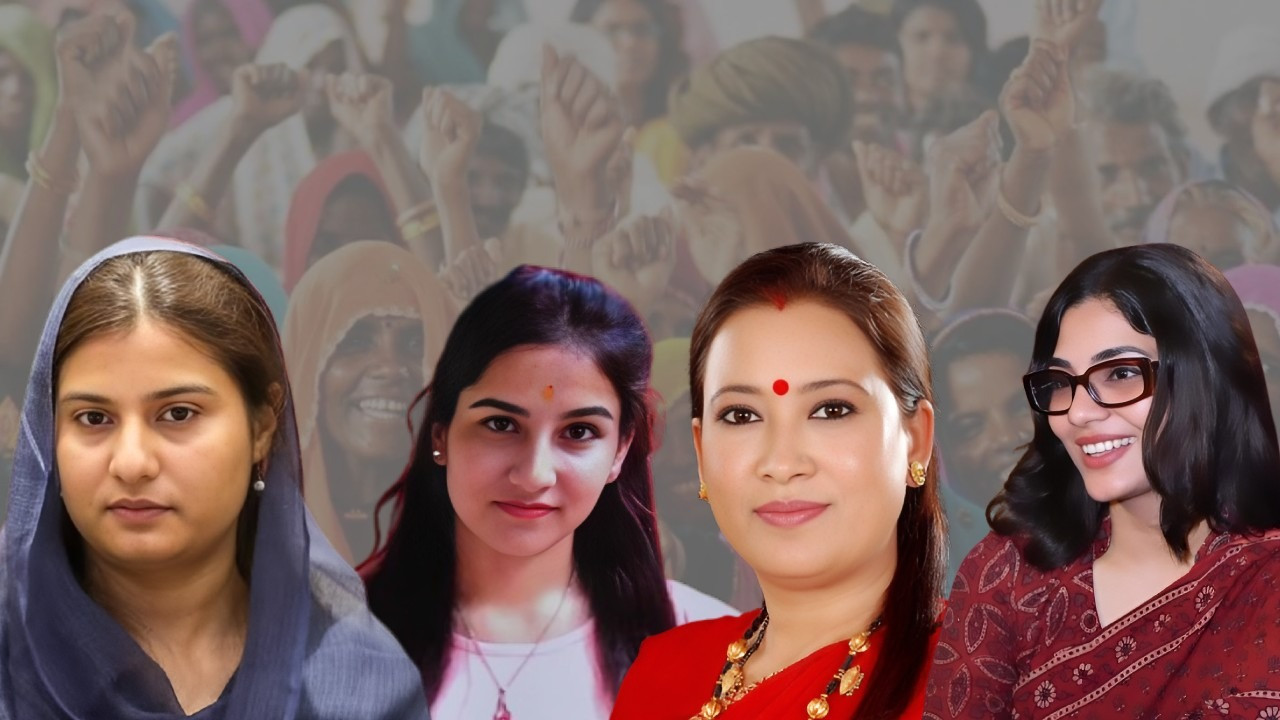
From an ordinary girl to an MP and cabinet minister: Why does a woman's status diminish in the face of patriarchy?
Ankita Bhandari, Ikra Hasan, Rekha Arya, and Neha Singh Rathore's four different cases illustrate why understanding violence, control, and character assassination against women as mere individual incidents is insufficient. Four women. Four different social standings. Four different circumstances. But one shared question—does a woman's economic independence, political power, and public reputation free her from patriarchal control?

Ankita Bhandari was a working young woman from a modest family. Ikra Hasan is an elected Member of Parliament in India. Rekha Arya is a Cabinet Minister in the Uttarakhand government. Neha Singh Rathore is a vocal folk singer and a prominent voice on social media. There is a stark difference in the social status of these four women. However, reading their cases together reveals a deep contradiction between a woman's freedom and power.
The issue is not just how much power women have. The problem also lies in how much the social, political, familial, and institutional forces around them accept their freedom. This is where the relevance of the slogan 'Smash the Patriarchy' begins.
1. Ankita Bhandari: Economic Dependence and Power Inequality
Ankita Bhandari's case brings to light the grim reality of women's freedom at the workplace and the unequal power dynamics. The 19-year-old wanted to become self-reliant through her job. She was murdered in September 2022. In May 2025, three convicts were sentenced to life imprisonment.
The analysis of this incident should not be limited to crime and punishment. The crucial question is how the power imbalance between employer and employee at the workplace can affect a woman's ability to give free consent. When a woman's livelihood, job, and future are under the influence of those who pose a threat of harassment, her freedom to express dissent can also come under pressure. Ankita's case draws attention to this inequality.
However, if we think that such circumstances only arise for poor or economically weaker women, Ikra Hasan's example challenges this notion.
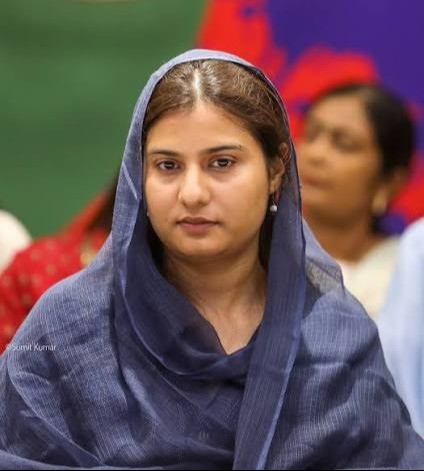
2. Ikra Hasan: Not Economic Weakness, but Women's Public Dignity Also Under Attack
In Ankita's case, workplace and economic inequality were significant. In Ikra Hasan's case, the situation is entirely different. Ikra is not a regular employee dependent on an employer, but an elected MP. Nevertheless, in July 2025, reports emerged of objectionable deepfake videos targeting her.
The form of patriarchal control changes here. In Ankita's case, the question of a woman's bodily autonomy and dissent at the workplace was paramount. In Ikra's case, the attack is on a woman's digital image, public dignity, and political participation.
The analytical similarity between both incidents is that a woman's free will and dignity are made subjects of control or abuse by another person. The difference is that in one case, workplace power inequality is significant, while in the other, digital technology becomes a means to demean the woman.
This leads to an important conclusion. Economic and political empowerment are essential for women, but they are not sufficient on their own. If even a member of Parliament can be a target of gender-based humiliation, it is clear that the problem is not limited to women's personal weaknesses or economic status.
But does a woman become completely free in her private life after attaining public office and political power? The case of Rekha Arya brings this question to the forefront.
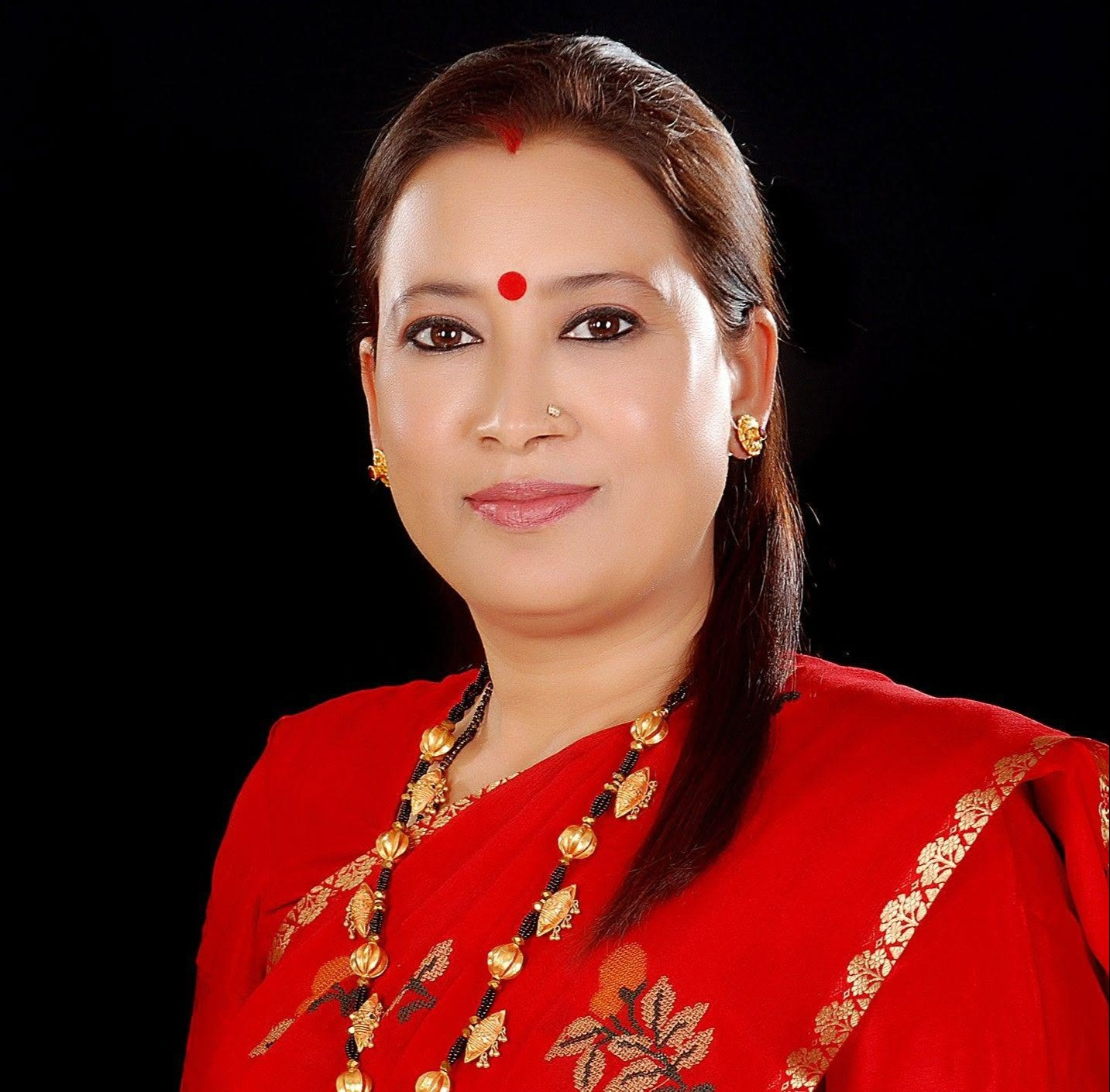
3. Rekha Arya: Inequality of Public Power and Private Life
Rekha Arya is a Cabinet Minister in the Uttarakhand government. In October 2026, reports emerged of her filing a complaint against her husband for physical violence, threats, and other serious allegations. Her husband has denied the allegations, and a fair legal examination is necessary.
The significance of this case lies not in presuming any allegations to be proven, but in understanding the differences between power structures in public authority and private life.
Ankita's case raised the issue of power inequality at the workplace. Ikra's case involved the question of digital humiliation despite political representation. Rekha Arya's case presents a third layer, showing that a woman with rights in public life does not automatically receive guarantees of equality and safety in personal relationships. Being a minister grants a woman constitutional and administrative rights. However, respect, equality, and autonomy in familial relationships are a separate social question.
This is a significant characteristic of patriarchy. It can exist not only in public institutions but also in private relationships and family structures. Therefore, women's empowerment cannot be understood merely in terms of jobs, salaries, electoral representation, or high positions. A woman can be powerful in public life and still face unequal power dynamics in her private life.
However, control over women is not limited to their bodies, jobs, or familial relationships. When a woman speaks freely, questions, and challenges established power, her public credibility can also come under attack. Neha Singh Rathore's case brings this fourth layer to light.

4. Neha Singh Rathore: A Woman's Free Voice and Character Assassination
Neha Singh Rathore is known for her political and social commentary. In October 2026, a media organization wrongly linked her name to an alleged sex racket in a report. The organization later acknowledged the mistake and apologized.
It is particularly important to view this case in connection with Ikra Hasan's case. In Ikra Hasan's case, the accusation was of targeting her image through digital means. In Neha Singh Rathore's case, erroneous media reporting posed a risk to her reputation. The nature and responsibilities of both incidents are different. However, both highlight how damaging it can be to women's images in public life through sexual insinuations.
Political criticism of men often revolves around their policies, decisions, and ideas. In contrast, women's criticism sometimes unnecessarily drags their character, bodies, and private lives into the fray.
This distinction is not merely a question of personal insult. When a woman's public credibility is undermined by linking it to her alleged sexual character, it can also affect the public participation of other women. Thus, character assassination is not just a question of one woman's reputation. It becomes a question of women's freedom of expression and democratic participation.
What is the real thread connecting these four incidents?
To connect these four cases, it is not necessary to claim that there was a similar intent behind all incidents, or that the legal seriousness of all cases is the same. Ankita's murder is a proven criminal incident. Ikra Hasan's case involves the question of digital sexual harassment. The allegations against Rekha Arya require legal examination. Neha Singh Rathore's case relates to erroneous reporting and damage to reputation.
The similarity between them should not be sought in the nature of the crime, but in the gender power relations within which these incidents can be understood.
Bringing all four cases together leads to three important conclusions.
First: Patriarchy is not bound by class and status
Ankita's economic status, Ikra's parliamentary identity, Rekha Arya's administrative power, and Neha's public popularity differ. This challenges the notion that the more powerful a woman is, the more she will be protected from gender-based harassment and humiliation.
Power gives women means of resistance, but does not automatically eliminate unequal social relations.
Second: Patriarchy takes different forms in different institutions
In the workplace, it may manifest as economic dependence and the risk of abuse of rights. In politics and digital media, it may appear as gender-based humiliation and damage to image. In families, it may manifest as unequal control, threats, or domestic violence. In media and public discourse, it may be seen in the tendency to undermine a woman's credibility by linking it to her character.
Therefore, it is not sufficient to limit patriarchy to personal relationships between men and women. Its analysis must also be conducted at the level of social institutions and the power relations present within them.
Third: Women's autonomy is the central question
In Ankita's case, the right to dissent and bodily autonomy is crucial. In Ikra's case, the question is about the right to one's image and public dignity. Rekha Arya's case raises the question of safety and freedom in personal relationships. Neha's case involves the question of public reputation and freedom of expression.
At the center of all these is a woman's autonomy—her right over her body, decisions, relationships, image, and voice. This is the most significant analytical link among these four cases.
Therefore, ‘Smash the Patriarchy’ is not just a slogan, but a demand for structural change. If the problem were merely the wrong behavior of a few individuals, the solution could be limited to punishing those individuals. However, when questions related to women's freedom and dignity arise in various fields such as the workplace, politics, family, media, and the digital world, it becomes essential to review both institutional accountability and social mentality.
Here, the concept of ‘Smash the Patriarchy’ becomes significant.
It does not mean a struggle against men, but rather the elimination of those unequal power relations that undervalue women's consent, freedom, safety, and dignity. It means changing the circumstances that make women unsafe, rather than limiting their freedom in the name of their safety. It means measuring a woman's success not just by her position, salary, or popularity, but also by her actual decision-making power, and it means that our attitude towards a woman's safety and dignity should not change based on her caste, class, religion, or political ideology.
Conclusion: Women have gained power, but has society accepted equality?
Looking at the cases of Ankita Bhandari, Ikra Hasan, Rekha Arya, and Neha Singh Rathore raises an important question about the prevailing concept of women's empowerment. We often assume that education, jobs, economic independence, political representation, and public recognition are the final stages of women's liberation. However, these examples show that while it is essential for women to gain rights and opportunities, it is equally necessary to change the social structures that limit their autonomy.
Ankita's case illustrates that economic self-reliance is not enough. Ikra's case shows that political representation is not sufficient. Rekha Arya's case compels us to understand the difference between public power and private safety. Neha's case indicates that public popularity does not provide complete protection from attacks on reputation.
The conclusion drawn from all four is not that women's empowerment is futile. Rather, it is that linking empowerment to social and institutional change is essential.
Women do not just want a share in power; they want equality in every form of power. They do not just need assurance of safety, but the actual right to freedom. They do not just require a language of respect, but a social and institutional framework that ensures respect.
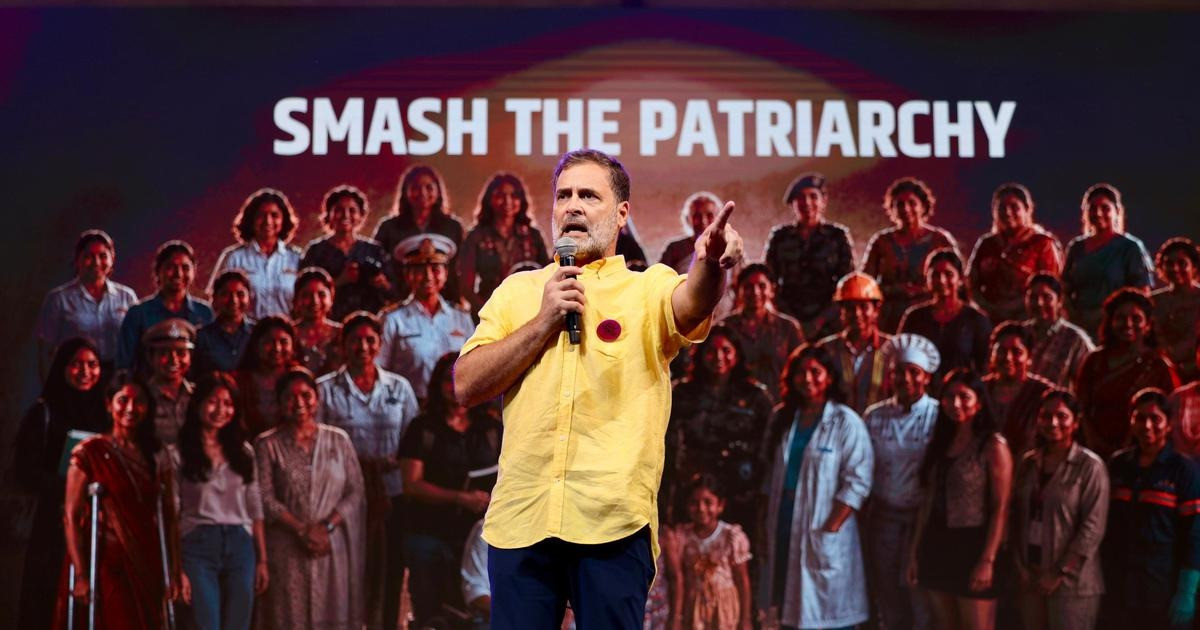
And that is why ‘Smash the Patriarchy’ remains a relevant social demand today. Because the greatest challenge of patriarchy is not that it always prevents women from becoming powerful. Rather, it is that even after women become powerful, unequal power relations can persist.
As long as women's individual achievements do not translate into collective social equality, the struggle against patriarchy will remain incomplete.
Dr. Chayanika Uniyal
डॉ चयनिका उनियाल दिल्ली विश्वविद्यालय में इतिहास की असोसिएट प्रोफेसर हैं और जेंडर मुद्दों की प्रखर प्रवक्ता