
Why BJP is rattled by Rahul Gandhi's patriarchy question
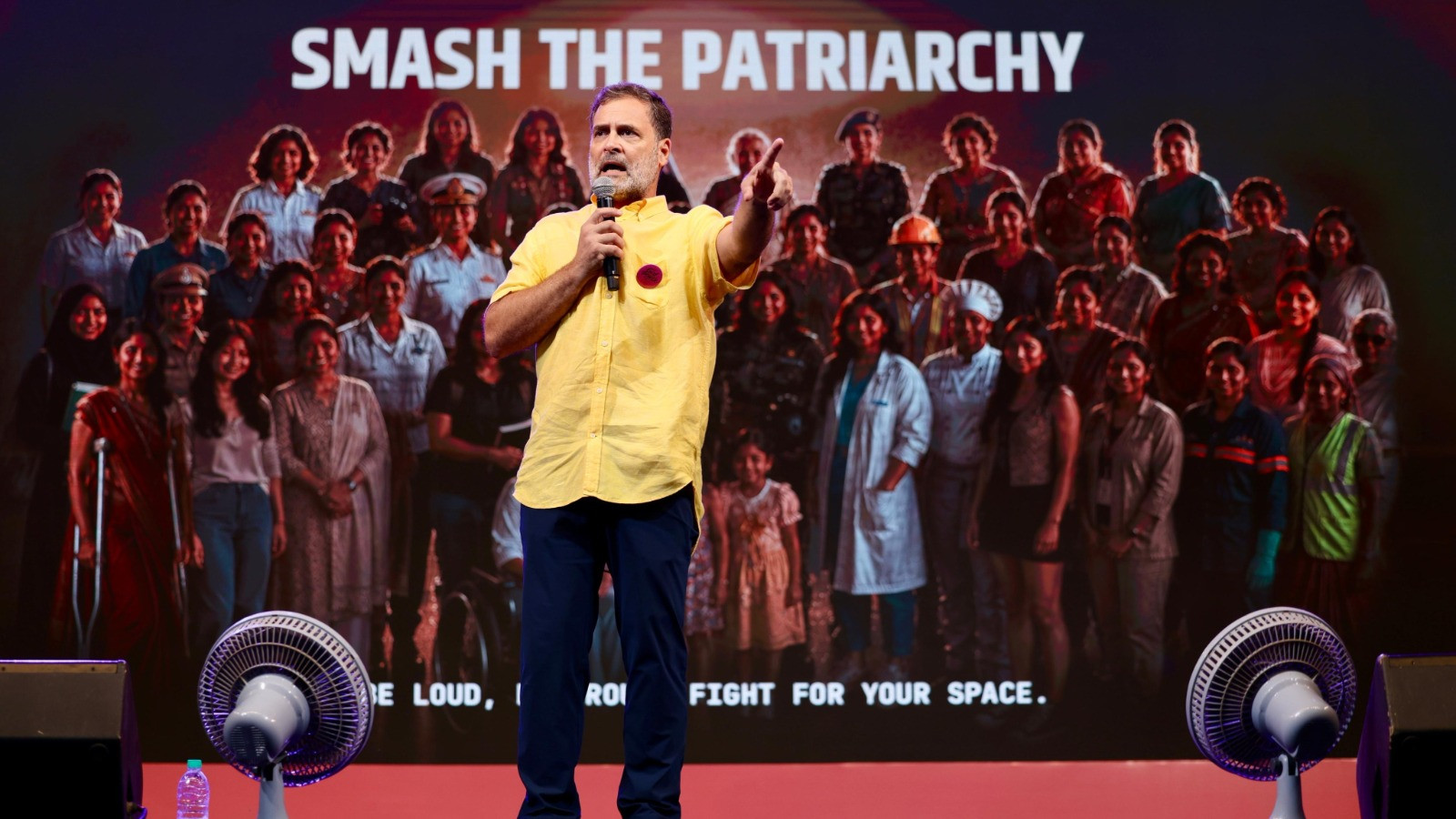
Rahul Gandhi rightly exposed the core of Hindu nationalists' ideology, stating that the Sangh Parivar endorses Manusmriti.
Before the colonial era, the Hindu community in India largely operated according to the rules of the Manusmriti, which centralised caste and gender-based hierarchy. During the colonial period, education, transportation, and modern administrative structures developed, sowing the seeds of democracy. These changes aligned with the notion of secular nationalism, which included elements like the struggle for workers' rights, empowerment of Dalits and women through education, and the concept of equal citizenship beyond the boundaries of religion, caste, language, and gender.
Opposing all these processes were the elite, landlords, and priestly classes. While Bhagat Singh, Ambedkar, and Gandhi broadly represented democratic tendencies, their opponents were represented by the Muslim League, Hindu Mahasabha, and RSS.
The struggle for democratisation included workers' rights, freedom of expression, the movement for independence, and opportunities for Dalits and women to receive education. As for women's education, it was initiated by Jyotiba Phule, Savitribai Phule, and Fatima Sheikh. It is well-known the difficulties Savitribai Phule and Fatima Sheikh faced in achieving their goals.
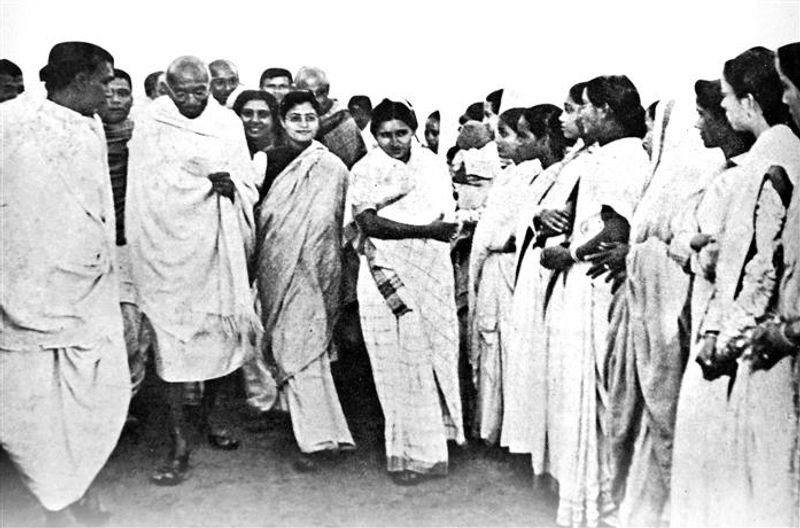
Ambedkar's struggle saw significant participation from women, and under Gandhiji's leadership, women participated extensively in the national movement. The elite classes opposed all these processes, and their organisations - the Muslim League and RSS - were primarily male organisations. The provision in our Constitution to give equal opportunities and status to men and women is extremely appropriate.
While the ideology of the Muslim League led to devastation in Pakistan, in India, the most prominent opponent of women's equality was the RSS. When in 1936, Laxmibai Kelkar suggested to the RSS Sarsanghchalak that women be made members of the RSS, he rejected it and asked her to establish the Rashtra Sevika Samiti. It is noteworthy that the word 'Swayam' is missing from the name of the women's organisation - Rashtra Sevika Samiti.
This clearly indicates that women were to remain subordinate to men. The RSS also opposed the Indian Constitution on the grounds that it did not incorporate the values of the glorious past. There is no doubt that by the values of the glorious past, they meant the values of the Manusmriti. The RSS was completely against the main provisions of the Hindu Code Bill, which granted women equal rights in their father's property.
These thoughts are surfacing because Rahul Gandhi's 'Chhatron Ki Goonj' programme (23 August 2026) was organised in Pune exclusively for girls. In the early decades after our independence, many steps were taken towards achieving the goal of equality for women and girls, but during the same period, efforts were made in various ways to strengthen the Hindu nationalist ideology. One tool was Gita Press, which published books based on the Manusmriti in tens of lakhs of copies. Many other organisations of this ideology also worked in this direction through their words and actions.
We remember that Roop Kanwar was burnt alive on her husband's pyre. While most groups, organizations, and political parties condemned this tragic incident, which was entirely appropriate, the then Vice President of the BJP, Vijayaraje Scindia, led a procession to the Parliament House where slogans were raised describing Sati as a glorious Indian tradition and a woman's right. Interestingly, she did not exercise this right herself after her husband's death!
Similarly, the former head of the BJP Mahila Morcha, Mridula Sinha, stated in an interview published in the April 1994 issue of Savvy magazine that women should not work outside the home unless absolutely necessary. She also justified wife-beating and the dowry system.
At the Pune event, Rahul Gandhi listened to women who spoke about the obstacles they face in ensuring their safety, obtaining education, and making decisions about their own lives, as well as the various social pressures and challenges in living as full citizens. Rahul Gandhi turned this program into a call for social reform. It was a significant effort to steer social processes in favor of women's equality. Women's groups struggling in this direction will greatly benefit from the spirit and message of this program.
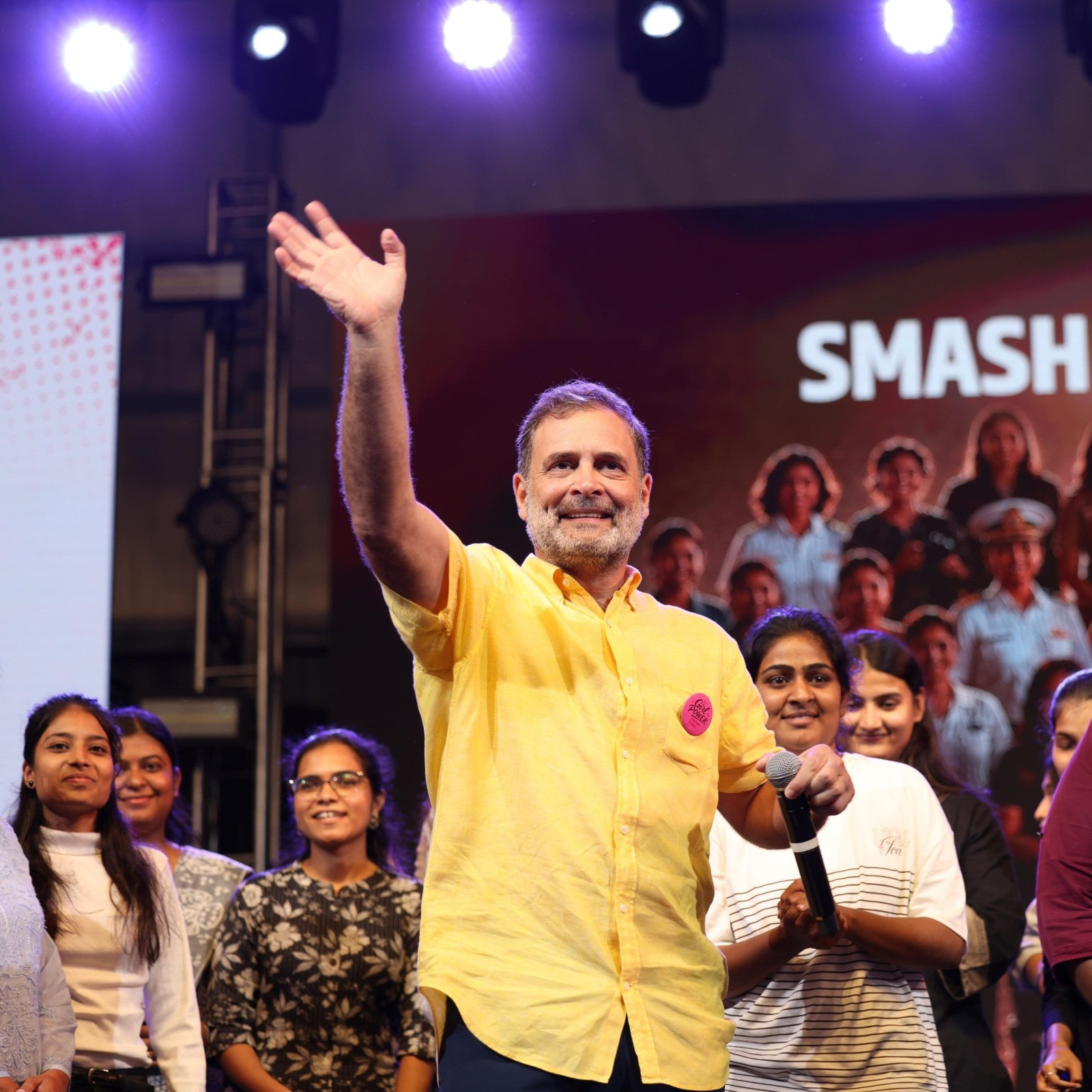
In today's India, the Sangh Parivar is not only attempting to undermine the values of the Indian Constitution but also promoting regressive social thinking regarding women and Dalits. While its hatred against Christians and Muslims is evident, it is also prioritizing the values of Manusmriti concerning women, as discussed in the Pune program.
Rahul Gandhi provided three clear examples of this.
The first was Dr. Mohan Bhagwat's statement that rapes happen in India, not in Bharat. Clearly, by Bharat, he meant rural areas, which have remained relatively unaffected by the processes leading towards constitutional values. He pretended to be unaware of the incidents of rape involving Dalit and tribal women.
Similarly, according to Union Minister Manohar Lal Khattar, women are responsible for 70% of rapes! The leader of this group is none other than Narendra Modi. Recently, he expressed concern that girls used abusive language during the Jantar Mantar protest. If boys do the same, there is nothing wrong in his view. The way he showed a dismissive attitude towards the plight of female wrestlers was extremely reprehensible.
Rahul Gandhi rightly exposed the core of Hindu nationalists' ideology. He correctly stated that the Sangh Parivar endorses Manusmriti, according to which a girl must remain under the control of her father in childhood, her husband in adulthood, and her son in widowhood. Rahul Gandhi's statement that girls should have their own 'self' was appreciated by the girls present at the program.
This program should become a milestone in the ongoing struggle for women's equality. The message of the program is big and clear. It candidly expressed the aspirations of girls. Staying away from the usual meanings of the word 'political', Rahul Gandhi presented his stance at a deep social level and talked about the social structure that needs to be changed through struggle for the sake of women's equality.
The girls also expressed the view that boys need to change so that they can live with freedom, dignity, and equality. They are half of humanity, half of India, which is gripped by the Hindu nationalist mindset. It is necessary to bring about change in this and strengthen the values of the Indian Constitution. This is another reason why the growing dominance of the Sangh Parivar should be challenged.
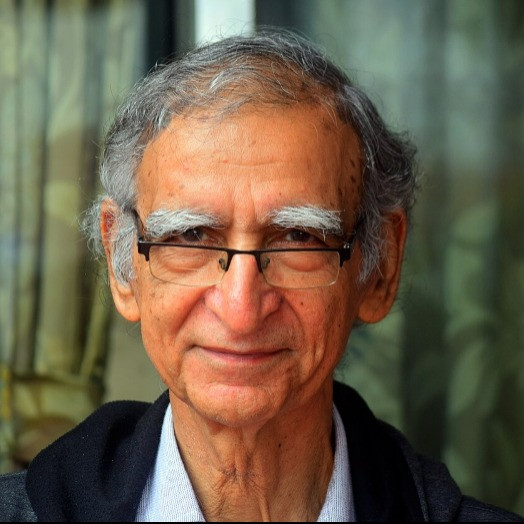
Ram Puniyani
इतिहासकार राम पुनियानी आईआईटी मुंबई में पढ़ाते थे और वर्तमान में सेंटर फॉर स्टडी ऑफ सोसाइटी एंड सेकुलरिज्म के अध्यक्ष हैं।