
Will Gyanesh Kumar resign so easily?
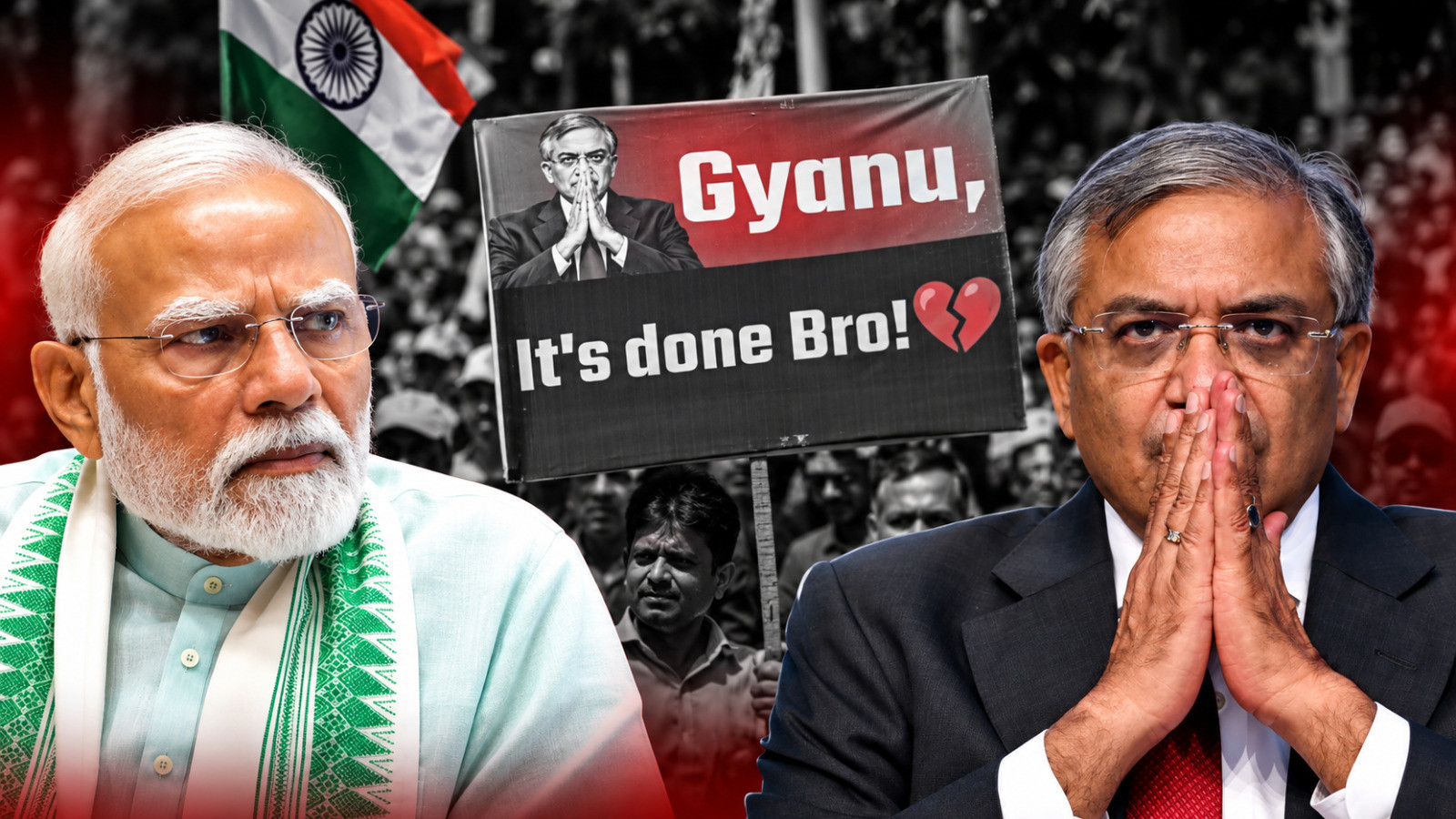
CEC Gyanesh Kumar has received a legal boon unlike any other.
You may search through systems around the world—except for India, it is hard to find an example where the Chief Election Commissioner has been given such a strong legal shield. Even our mythical Bhaskarasur did not receive such a boon.
According to the mythological tale, Bhaskarasur performed severe penance to Lord Shiva and asked for a boon that whoever he touched on the head would be instantly reduced to ashes. But within that boon lay the seed of his own destruction. In today's India, the Chief Election Commissioner has also received a kind of unsolicited boon—he will not be “reduced to ashes.”
Prime Minister Narendra Modi has argued in favor of this system, stating that election commissioners should be protected from legal action to make hard decisions, allowing them to work without any pressure. If this is the argument, then why shouldn't every administrative officer in the country be given such an impenetrable shield?
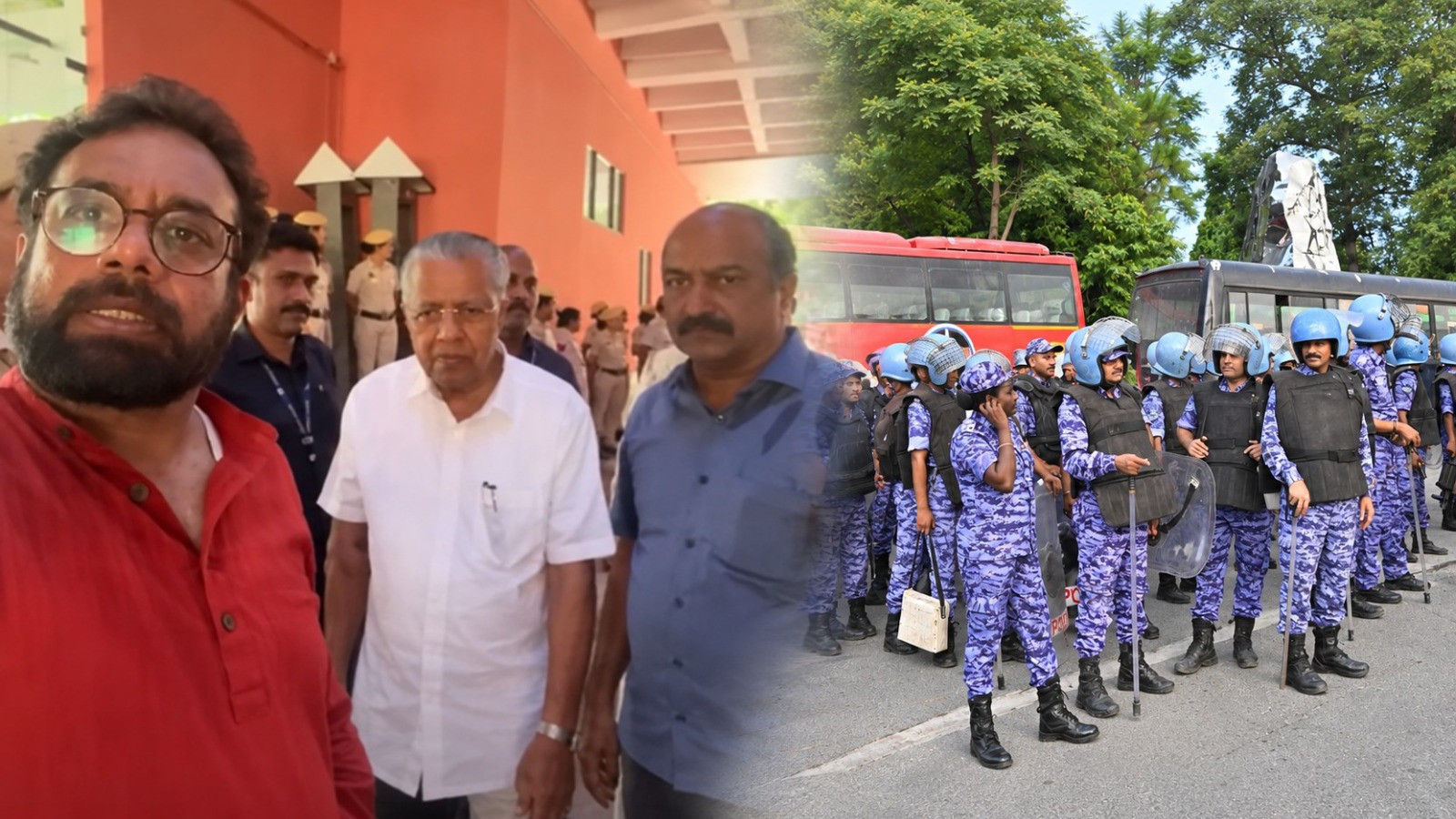
The Congress and the entire opposition have now understood that Gyanesh Kumar cannot be dealt with through fear of the law but only through protests on the streets. The entire opposition has been protesting on the streets since October 2. On October 10, to save Gyanesh Kumar, the Modi government created emergency conditions in Delhi, leading to mass detentions. Leaders, students, journalists, and anyone suspected were being taken into custody by the police.
Detention centers were set up at various locations, including Chhatrasal Stadium in Delhi. According to media reports, over 3000 people were detained, including former chief ministers from three states, leaders and activists from CJP, social activists, students, journalists, and ordinary citizens.
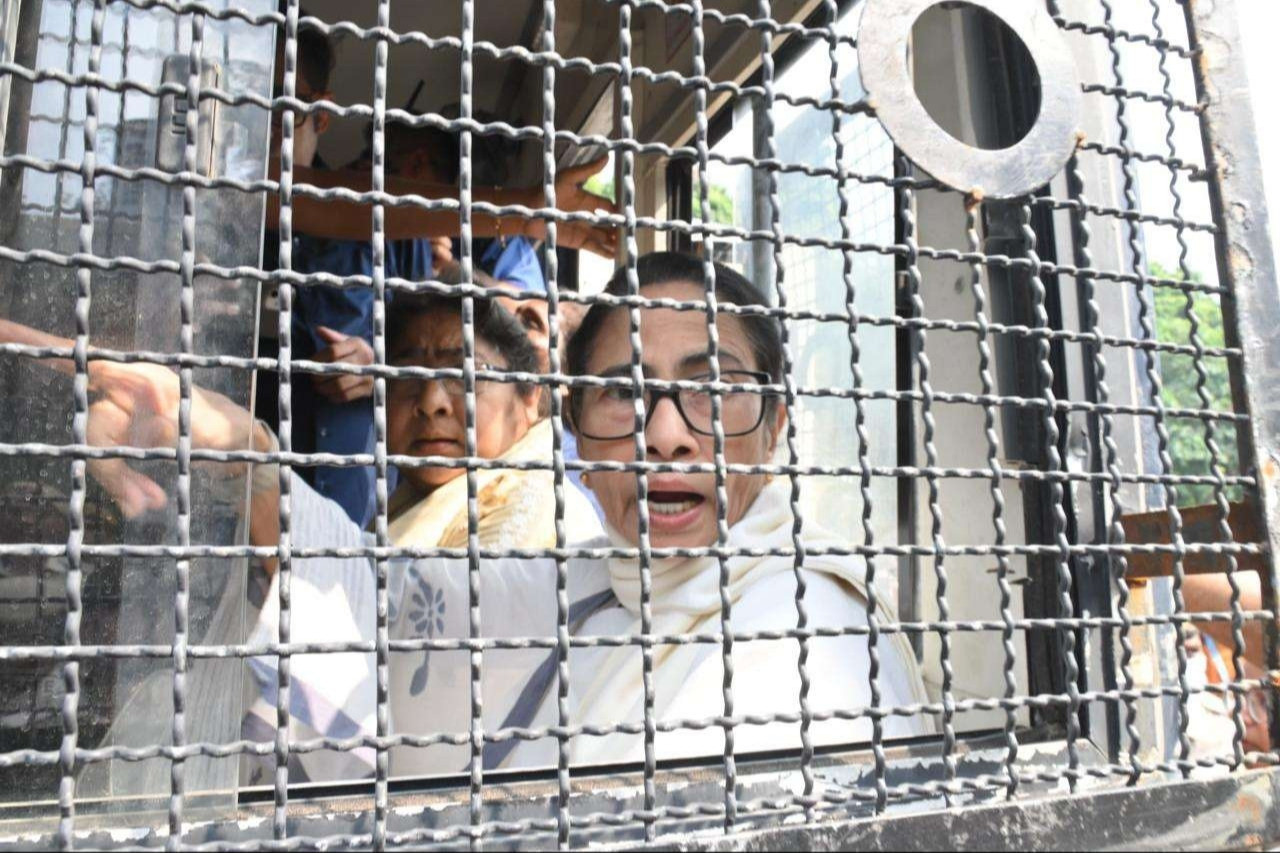
Under the leadership of Rahul Gandhi, MPs from the INDIA alliance protested for four consecutive days on the streets demanding the removal of Gyanesh Kumar, were arrested, and a memorandum was submitted to the President, but look at Gyanesh Kumar's arrogance—he remained unmoved. He has received a legal boon of not being reduced to ashes.
The Supreme Court clarified last Monday that Gyanesh Kumar cannot be suspended. The court's stance on the changes to Form 6 was indeed strict, as Gyanesh Kumar had directly made the Supreme Court his shield. CJI D.Y. Chandrachud was furious about this and, while declaring Gyanesh Kumar false, clarified in his defense that the court had not approved any changes to Form 6. On Monday, two petitions were heard against Gyanesh Kumar, the mastermind behind vote theft.
One petition demanded an investigation into the 14 points based on a report by The Indian Express, where Gyanesh Kumar made unilateral decisions ignoring other commissioners.
The second petition called for Gyanesh's immediate suspension along with a judicial inquiry into the entire matter. The court rejected the suspension.
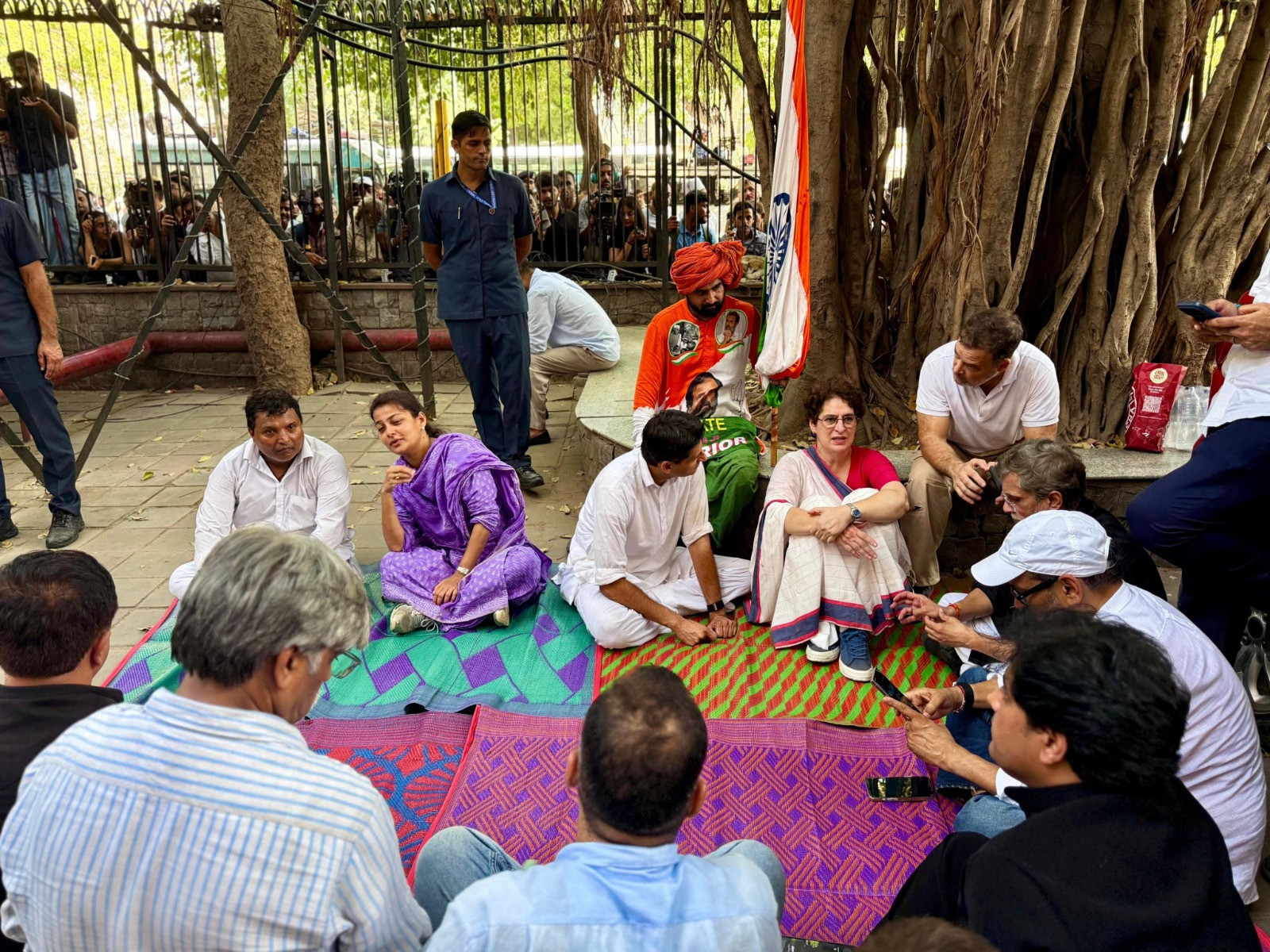
On the following day, Tuesday, MPs from the INDIA alliance marched from the Makar Gate of Parliament House to the Election Commission office against Gyanesh Kumar. Rahul Gandhi climbed on the barricade and unfurled the tricolor. Right next to the Election Commission office, under a banyan tree in front of the All India Radio office, Rahul and Priyanka sat on a dharna, evading Delhi police, along with several other Congress leaders and workers.
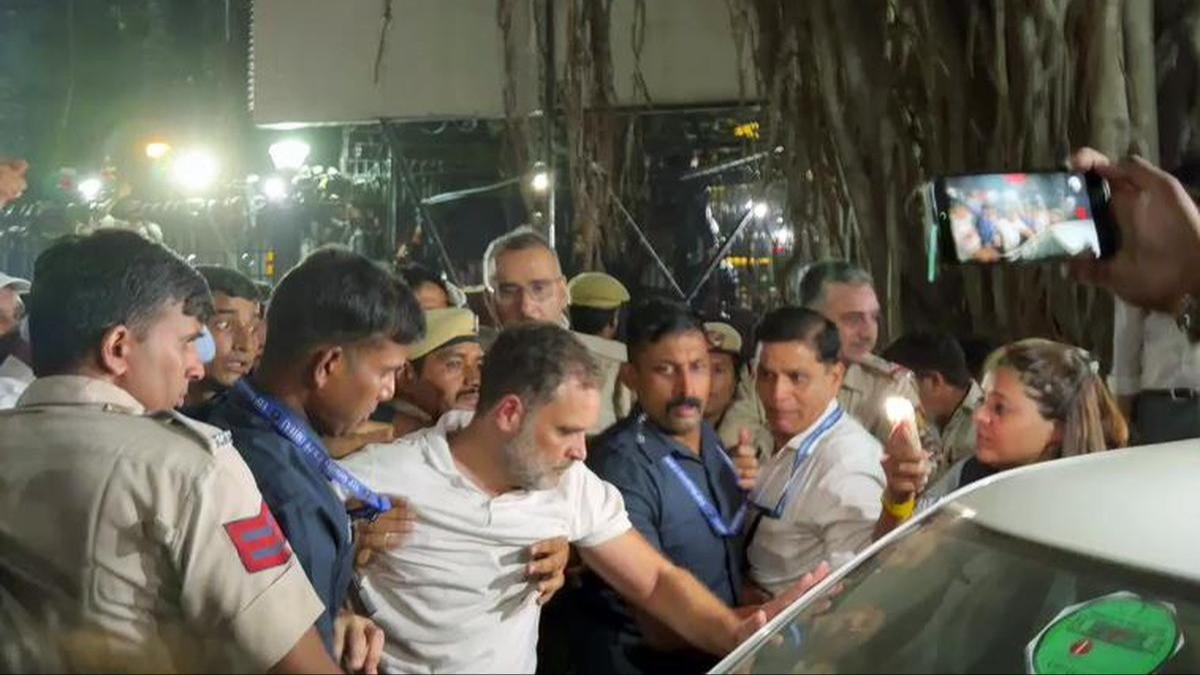
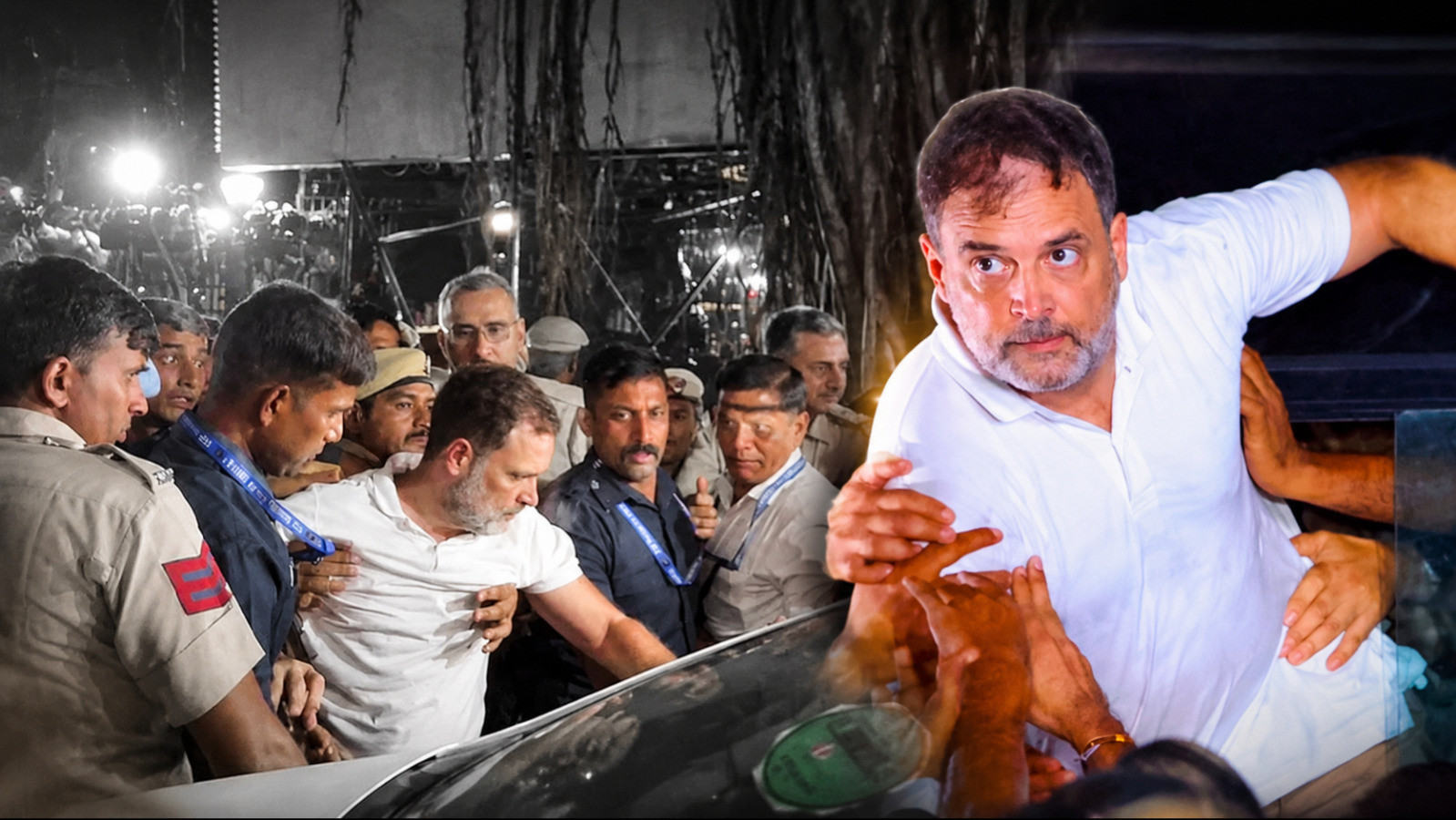
A high-voltage protest regarding Gyanesh Kumar's resignation lasted for a full 9 hours in Delhi. Later that night, Delhi police forcibly detained Rahul Gandhi, Priyanka Gandhi, and 50 MPs, only to release them a few hours later.
It is currently uncertain how much impact this movement has had on Modi, Shah, and Gyanesh Kumar, but Gyanesh Kumar is certainly scared. He had a program scheduled in Chhattisgarh on Wednesday, which was canceled. It is possible that Gyanesh Kumar canceled his program in Chhattisgarh out of fear of protests and demonstrations. This is being speculated.
The opposition seems to be particularly enamored with The Indian Express these days. This is the same newspaper that earned a distinct reputation during the Emergency for its “rebellious stance.” However, over the years, its reputation has fluctuated like the Sensex. The ruling party also appears to show favor to this newspaper from time to time. Columns from Prime Minister Narendra Modi to Union ministers and RSS thinkers have been published in the newspapers of the Indian Express group. Ministers of the Modi government present the Ramnath Goenka award and also praise the government's work. It goes without saying that for the past two to three years, The Indian Express has started to resemble the English version of Dainik Jagran. To save its reputation, The Indian Express has adopted the formula for which it is known—investigative journalism.
But the real question is whether any news that made Gyanesh Kumar a “punching bag” was published without the will of the ruling party? It is possible that this suspicion is true, and it is also possible that it is false.
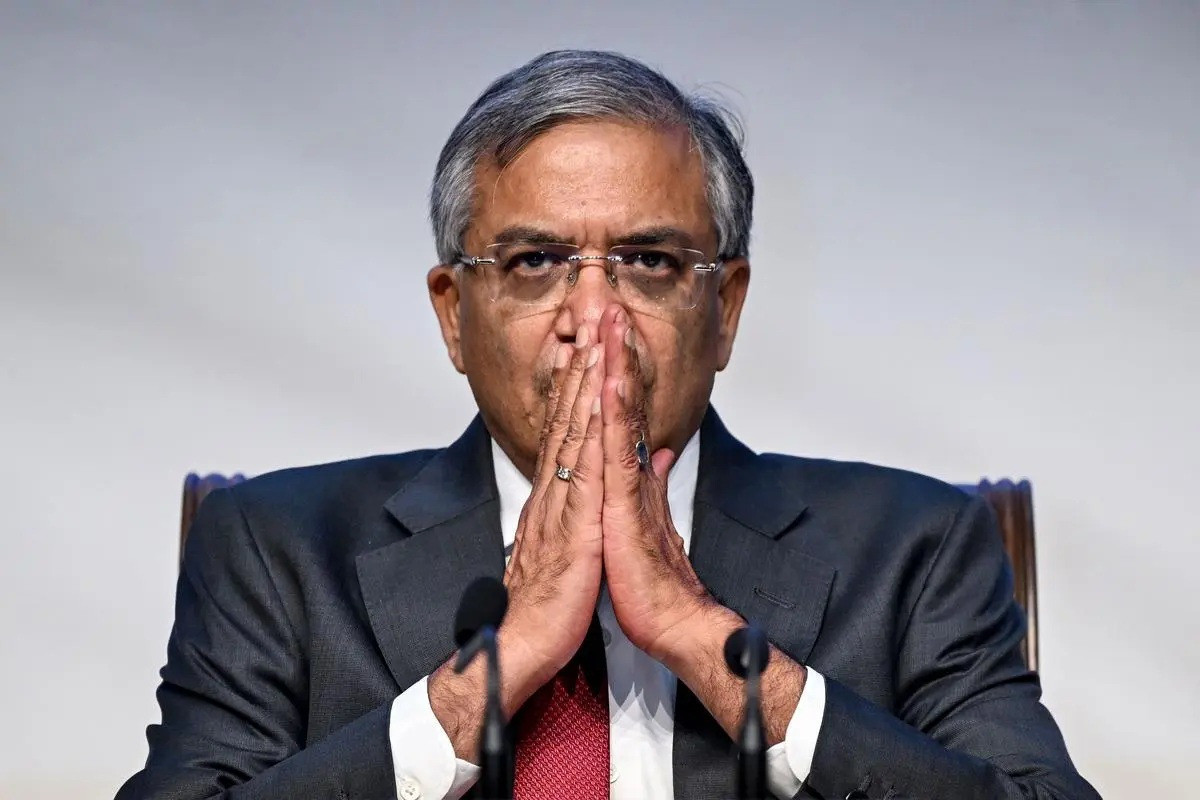
For now, it is certain that CEC Gyanesh Kumar has also become a “punching bag” on social media. Anyone who gets a chance is taking a swing at him. But will Gyanesh Kumar really resign so easily?
Allied parties in power are also raising questions for their own “face-saving.” This is to convey to the public that leaders from Chirag Paswan to Chandrababu Naidu are all very impartial and just leaders. Chandrababu Naidu has stated that clarification will “strengthen the public's trust.”
However, Gyanesh Kumar's term is set until January 26, 2029. He took office as the 26th Chief Election Commissioner of India on February 19, 2025. Even before that, in 2023, the position of Chief Election Commissioner was given such a legal shield that made it even more powerful.
Now, read Section 16 of the law enacted in 2023 carefully. It clearly states that if an election commissioner makes a decision or takes action in the discharge of his official duties, no court in India shall file a civil or criminal case against him, nor shall it hear any such case.
This raises the biggest question. If the opposition's allegation proves true that millions of voters' names were deliberately removed from the voter list to benefit a political party, will this also be considered “official duty”? Or will it be classified as a criminal conspiracy?
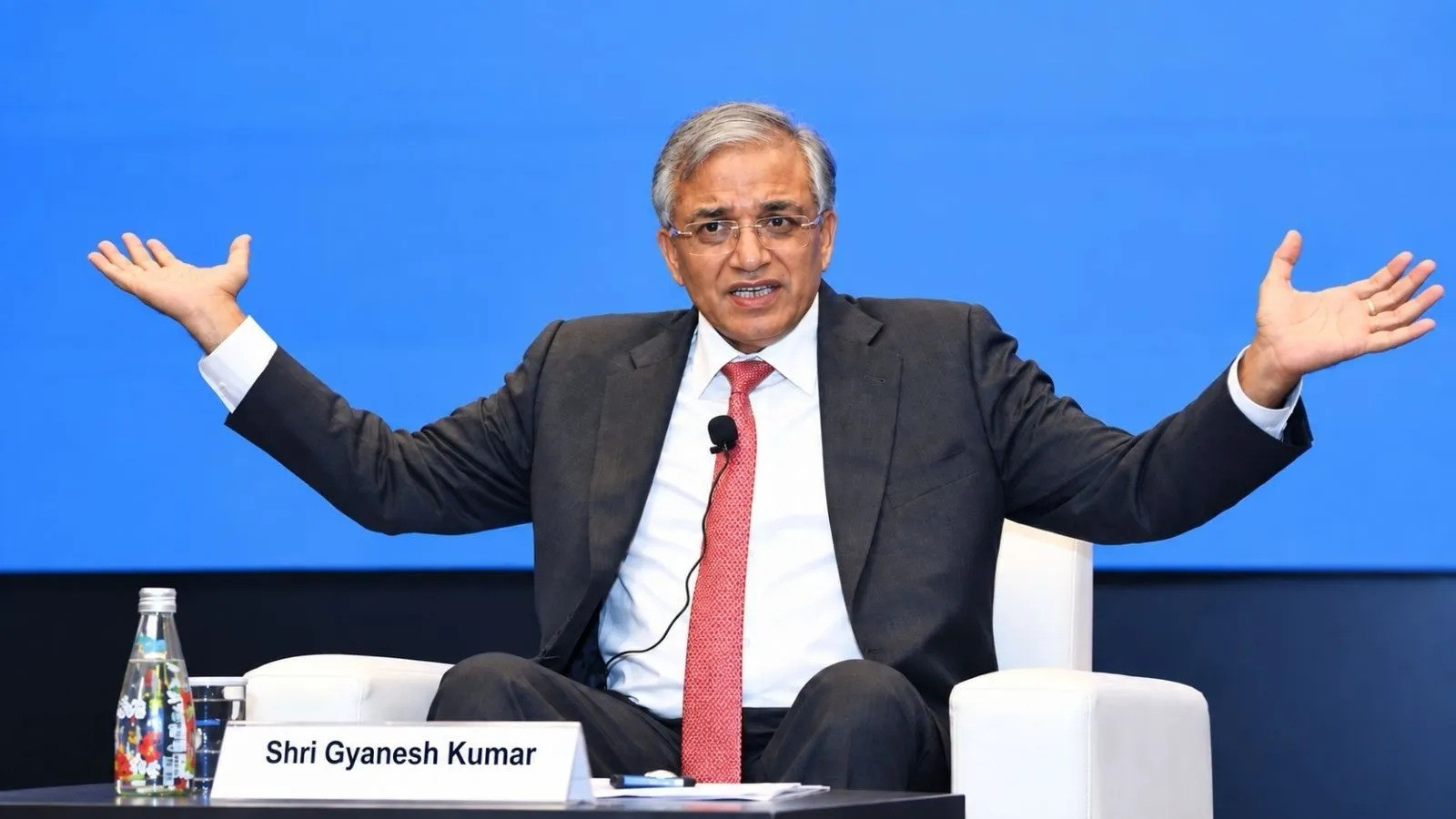
Legal experts argue that the election commissioner can use Section 16 to defend himself in court. Therefore, under the current law, arresting any CEC or prosecuting them is an extremely difficult and complex process.
This means that the Chief Election Commissioner and other election commissioners have obtained lifelong legal immunity for decisions made or actions taken in the discharge of their official duties under the new law of 2023, Section 16. This means that arrest is not possible. Not even for life.
In other words, even if they retire, it will still not be easy to take legal action against them for their official duties.
In contrast, consider the position of the President. According to the Indian Constitution, no criminal case can be filed against the President while in office, nor can they be arrested. However, after their term ends or they are removed from office, legal action can be taken against them. This means that the protection for the President is also not permanent.
But the law of 2023 creates a different kind of shield in the case of election commissioners. Such strong immunity has been granted to the Chief Election Commissioner.
In January 2026, the NGO Lok Prahari challenged this “fireball” in the Supreme Court. The Supreme Court had also issued notices to the central government and the Election Commission on a public interest petition challenging the lifetime legal immunity granted to the Chief Election Commissioner and other election commissioners under Section 16 of the Chief Election Commissioner Act, 2023.
But so far, no conclusion has emerged. And now the matter is again at the doorstep of the Supreme Court. Will the apex court be able to breach that “fireball” prepared by the government for the Chief Election Commissioner?
Is there anything like this anywhere else in the world? Now, let's compare India's system with other countries. In the United States, members of the Federal Election Commission or local election officials do not have lifetime legal immunity. Such a system does not exist in Switzerland and the UK either. No provision for lifetime immunity for election commissioners can be seen in any European country. In Nordic countries, election officials also do not have such permanent legal immunity.
Countries like Denmark, Finland, Iceland, Norway, and Sweden operate on strong principles of transparency, accountability, and the rule of law. There, officials of independent election authorities are not above the law. In Africa, there is also no country reported where election commissioners have lifetime or permanent immunity from lawsuits.
That is, you can keep searching through systems around the world—except for India, it is difficult to find an example where election commissioners have been granted such a strong legal shield.
The law also states that the Chief Election Commissioner can be removed by the President after a motion of impeachment passed by a special majority in both Houses of Parliament. Other election commissioners can be removed on the recommendation of the CEC.
Rahul Gandhi has alleged that the Election Commission is under the protection of Prime Minister Narendra Modi and Home Minister Amit Shah. Following his statements, complaints against Chief Election Commissioner Gyanesh Kumar have also been filed in various parts of the country. Opposition parties are mobilizing for impeachment in Parliament. But is this really possible given the current political equations in both Houses of Parliament?
This can also be understood as a situation of “neither nine measures of oil nor Radha will dance.” Historically, no election commissioner or judge has ever been removed through impeachment.
But it should be assumed that such a proposal may also fail in Parliament. In this country, it may be easier to remove a minister, but the Chief Election Commissioner is made of a different metal. Such a firewall, which many political systems in the world may not have even imagined.
Another question is—why has this issue become so significant at this time?
Until now, the opposition was trying to make the Ram Mandir donation scam a major issue. But issues in politics are never permanent. Now Rahul Gandhi has brought the controversies surrounding the Election Commission and the voter list to the center of his political agenda.
He has alleged,
“Chief Election Commissioner Gyanesh has stolen votes. He is a traitor. I opposed his appointment, but the government did not listen to me.” In his 55-minute press conference, Rahul Gandhi also raised a significant political question. He stated that every government in India faces anti-incumbency. Indira Gandhi lost elections even after winning the Bangladesh war. So why hasn’t this happened with the BJP? According to him, the reason is Gyanesh Kumar.
Rahul Gandhi has alleged that there has been rigging in the Lok Sabha and Assembly elections, and that is why anti-incumbency against the Modi-Shah government has not emerged.
The truth of these allegations is to be determined by investigation and judicial process. However, these allegations have certainly intensified the debate on the credibility of the Election Commission. The biggest question—what will happen to 13 crore voters? But within this entire debate, a very important question remains buried. The question is not why the voter list is being updated. Removing the names of deceased individuals, those who have left the country, or those who have permanently moved elsewhere is a normal administrative process.
The question is about those individuals who have been voting for decades and are now facing the risk of being disenfranchised due to reasons like “discrepancy.”
13 crore! The population of Nepal is about three crore. This means you are creating almost four “disenfranchised Nepals” within your own country—people who may wander from door to door for their voting cards. Four Nepals!
What meaning will citizenship have without the right to vote? What will be the status of Aadhaar cards? What impact will it have on passports? What will be the status of government documents and civil rights? Clear answers to these questions are not yet available. And if such a large number of people are disenfranchised, it will not just be a question of electoral statistics. It will become a significant issue of human and civil rights. Updating the voter list for those who have died, left the country, or moved permanently elsewhere makes sense.
But for those who have been voting for decades to face mental torture in the name of “discrepancy” and ultimately have their voting rights questioned—then it is natural to raise the question of how humane this is?
And the biggest question still stands—what will happen to these 13 crore people? Will they be disenfranchised? Will they have to run around offices and courts for years to be re-included in the list? Or will there be some arrangement to ensure that actual voters are not deprived of their democratic rights?
Neither the government nor the opposition is completely clear on this question. And so far, there has been no final and clear answer from the Supreme Court either.
In this situation, there is a fear that the matter will not remain just the Election Commission versus the opposition. It could gradually become a question of the civil and democratic rights of millions of people.
Because ultimately, the most fundamental question in a democracy is—who will guarantee the democratic existence of a citizen who no longer has the right to vote?
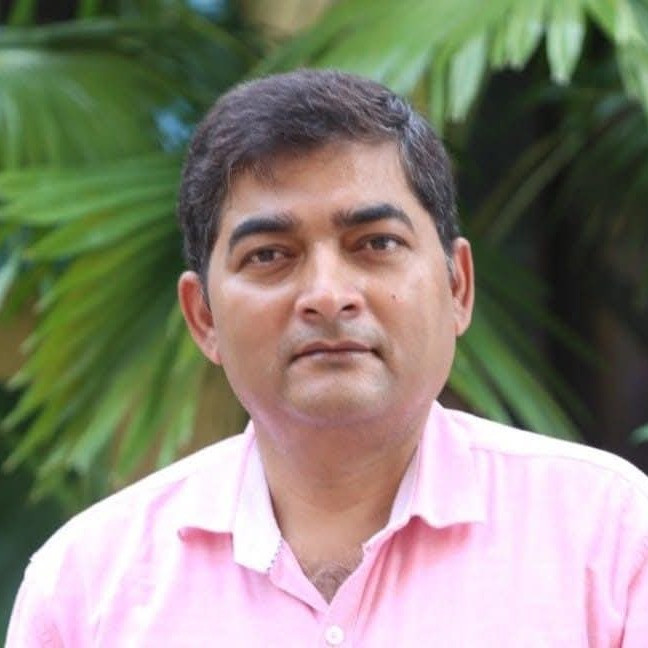
Satish Verma
सतीश वर्मा पेशे से पत्रकार हैं। हिंदी की मुख्यधारा की पत्रकारिता में इन्हें 20 साल से ज्यादा का अनुभव है।