
How Gen Z is shaping a new language of feminist resistance
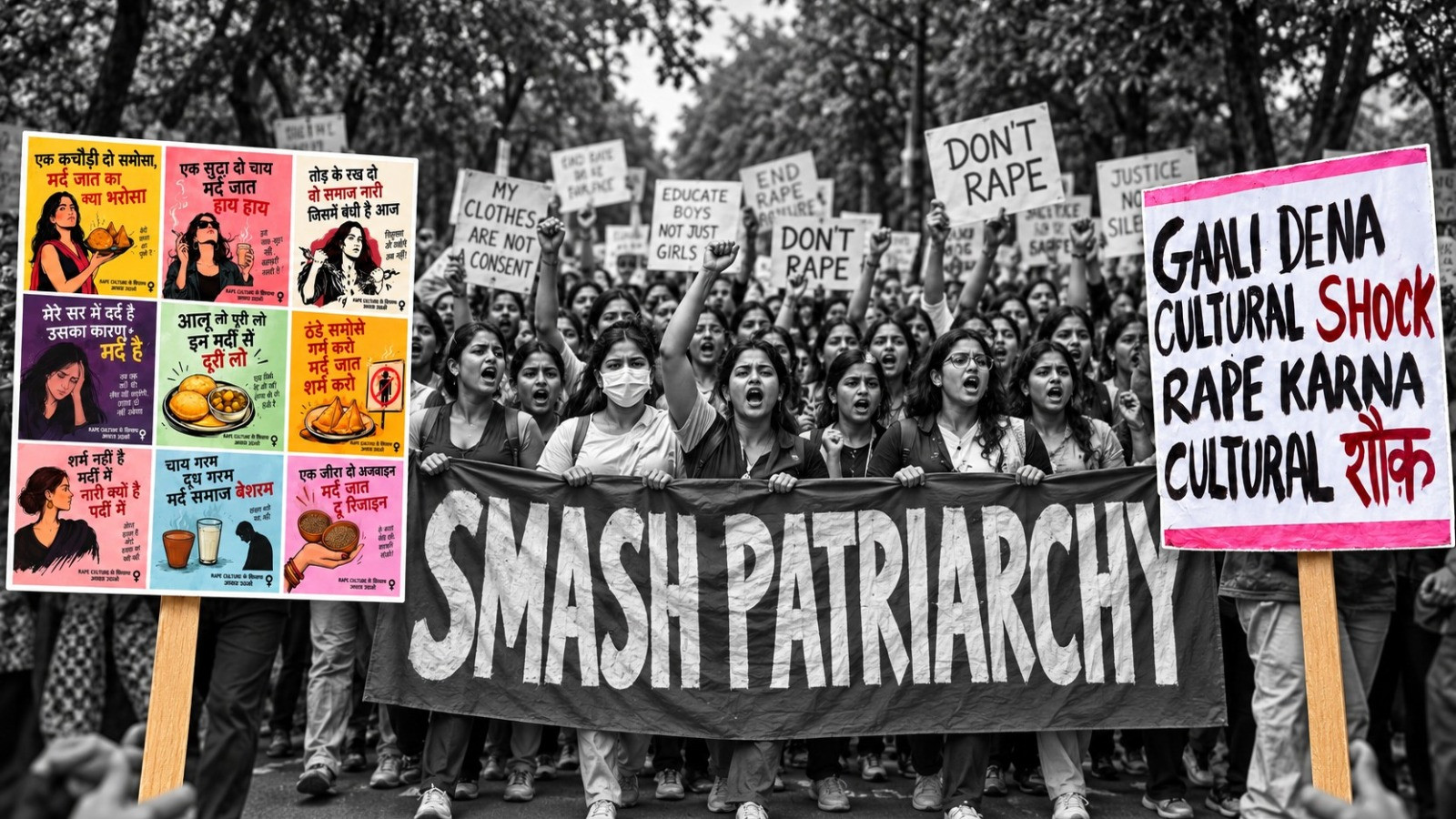
Reading these slogans merely as rhymes or provocative words would undermine their political and social significance.
I observed the recent march of female students from a distance, almost from the spectator gallery. As a historian and educator, my attention was drawn not only to the demonstration but also to its language and slogans.
Some people have a problem with the language of these students' slogans, their attitude, and their Feminist Expression. Some find them too sharp, some aggressive, while others feel uncomfortable. But perhaps we need to understand that every generation has given new meanings to feminism in its own time, experience, and language. Now it is Gen Z's turn.
Reading these slogans merely as rhymes or provocative words would mean losing their political and social significance.
Behind them are serious questions of patriarchy, Bodily Autonomy, equal rights in public spaces, and women's freedom.
From the Nirbhaya Movement to Gen Z
Seeing these students reminded me of the Nirbhaya movement in December 2012. On December 23, 2012, I wrote a short article titled “From North Block to India Gate” on my blog. At that time, I noted that a large number (about 90%) of the participants were youth aged 16 to 22. Their slogans were filled with tremendous anger: “We want justice,” “Hang the rapist,” and there was a direct demand for accountability from the police, law, and government.
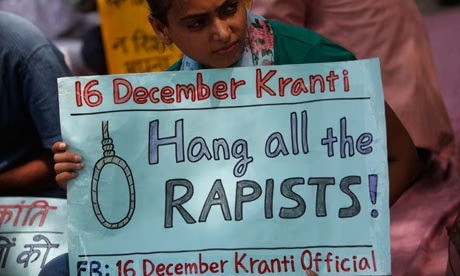
At that time, I was also concerned that instead of trying to control the youth's anger solely with police force, the government should listen to them. In that same article, I raised questions about police reform, stringent laws, fast judicial processes, and women's safety across the country. Almost fourteen years later, another generation of youth is on the streets. However, a significant change is visible in their language.
The 2012 movement primarily asked when the criminal would be punished. The girls of 2026 are adding another question: why should there be a guard over our freedom?
This change is significant. The language of the Nirbhaya movement focused on Crime, Punishment, Policing, and Justice. Today's students are not leaving these questions behind; rather, they are expanding the scope of the debate. They are asking why keeping a woman safe means limiting her freedom. Why is a man being on the street at night normal, while a woman being there becomes a question? Why should the burden of “family honor” be placed on a girl's body? And who has given a third party the right to decide a woman's clothing, friendships, love, sexuality, or personal choices? This is where the journey from “We want justice” to “the whole night is ours” should be understood.
It is not to say that one generation is more Feminist than another. Every movement arises from the questions of its time. New generations do not erase old struggles; they stand on their ground and add new questions.
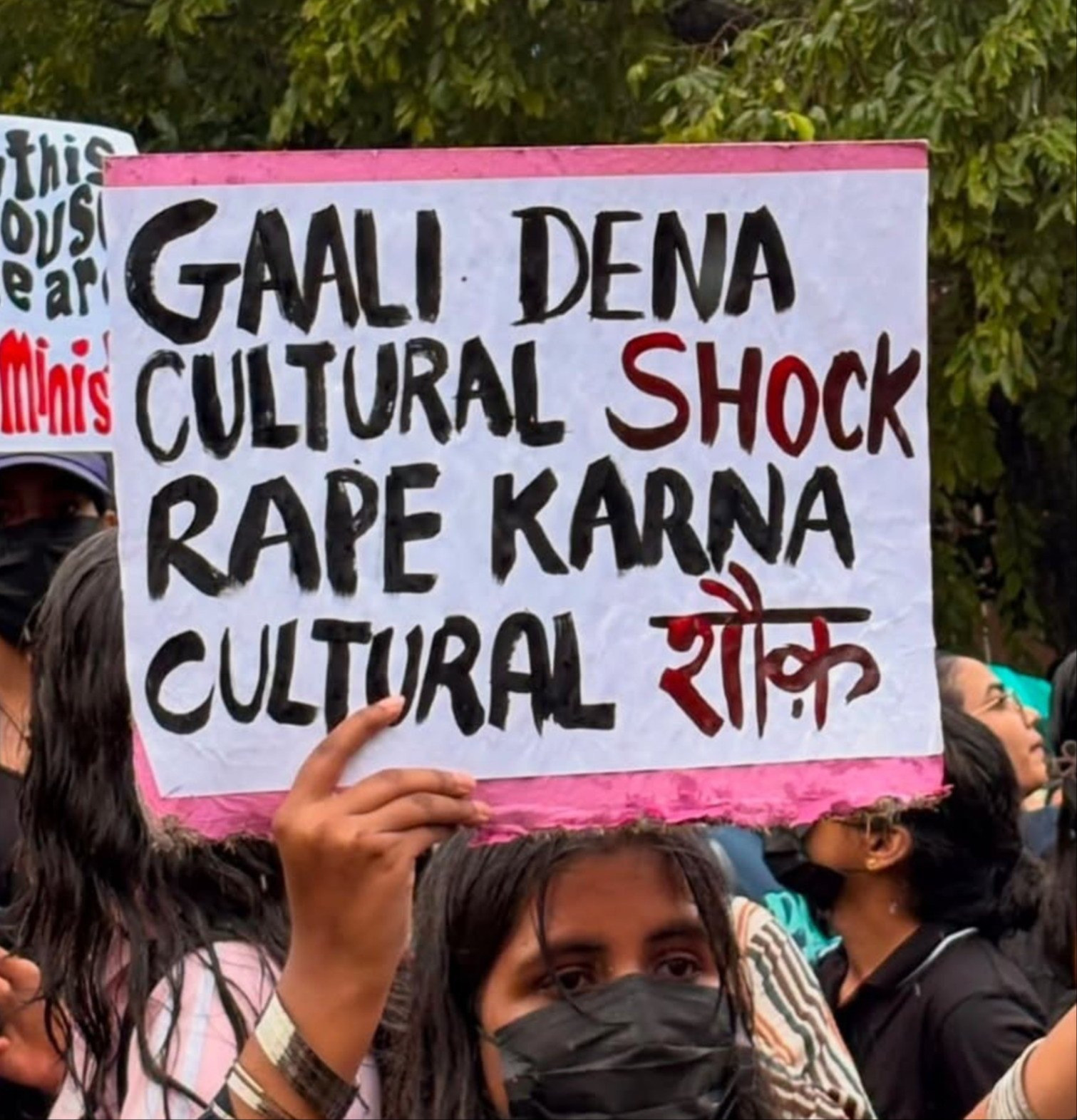
Change in the Language of Slogans
When we compare the slogans of both eras, the change becomes even more interesting. The slogans I recorded during the 2012 Nirbhaya movement directed anger straight at the criminal, police, and punishment—
“We want justice, hang the rapist.”
“Delhi police, do one thing, wear bangles and dance.”
“Cut off the hands of rapists.”
The language of these slogans was extremely furious. At their center was the incident of sexual violence, the demand for the harshest punishment for the criminal, and anger towards the police system. Interestingly, some slogans from that time also used Gender Stereotypes to express dissent, such as the reference to “wearing bangles” to insult the police. This means that while the movement was for women's safety and justice, its popular language was not entirely free from the gender notions of its time.
Now listen to these slogans from Gen Z—
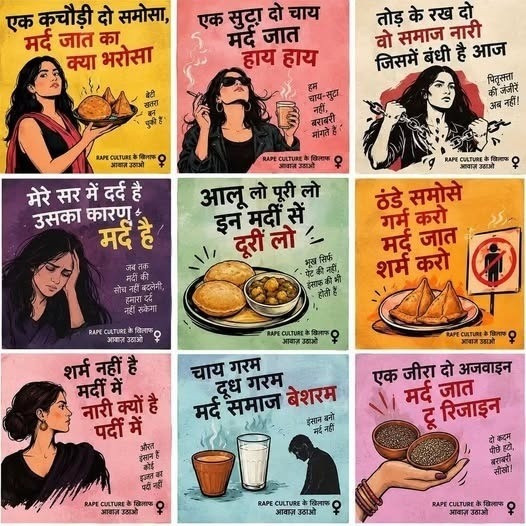
“A woman belongs to herself, not to anyone's father.”
“I have a headache, and the reason is men.”
“Break the society that binds women today.”
“It is our right to claim, the whole night is ours.”
“One kachori, two samosas, what trust is there in these men?
“Our skirts are not short, these men's thoughts are short.”
“One puff, two teas, men are a nuisance.”
“Put the rapist inside, not the girls.”
“Men have no shame, why are women behind curtains?”
There is anger in these as well, but its direction has broadened. Here, not only the Rapist or Police are under scrutiny; Patriarchy, Moral Policing, Victim Blaming, Dress Codes, Curfews, women's Mobility at night, and the mindset of male or family ownership over women are also targeted.
A small comparison makes this change even clearer:
| Nirbhaya Movement, 2012 | Gen Z's New Expression, 2026 |
| “We want justice, hang the rapist” | “Put the rapist inside, not the girls” |
| Give the criminal a harsh punishment | Do not restrict a girl's freedom in the name of stopping the criminal |
| “Delhi police, do one thing…” | “It is our right to claim, the whole night is ours” |
| Anger towards police and system | Claim for equal rights in public spaces and at night |
| Resistance focused on sexual violence crimes | Questions on moral policing and patriarchal control along with violence |
| Demand for safety and stringent laws | Safety + freedom + autonomy + agency |
| Some slogans also contained contemporary gender stereotypes | Challenging those same gender stereotypes through satire and humor |
| Anger against the criminal | “A woman belongs to herself, not to anyone's father”—challenging the notion of ownership over women |
| Demand for justice after rape | “Our skirts are not short, these men's thoughts are short”—challenging victim blaming |
| Justice was the main word | Justice along with freedom and autonomy |
And perhaps here the journey from “We want justice” to “the whole night is ours” becomes most apparent.
An interesting change is visible in this comparison. The slogans of 2012 primarily questioned the State, while the slogans of 2026 question both the State and Society. Then the question was why doesn't the criminal get punished? Today, along with that, the question is also why is a girl's freedom reduced when a crime occurs?
The shift from “Hang the rapist” to “Put the rapist inside, not the girls” perhaps expresses this journey most clearly. The first slogan demands harsh punishment for the criminal; the second challenges the social response that increases restrictions on girls' hostel timings, mobility, or freedom after an incident.
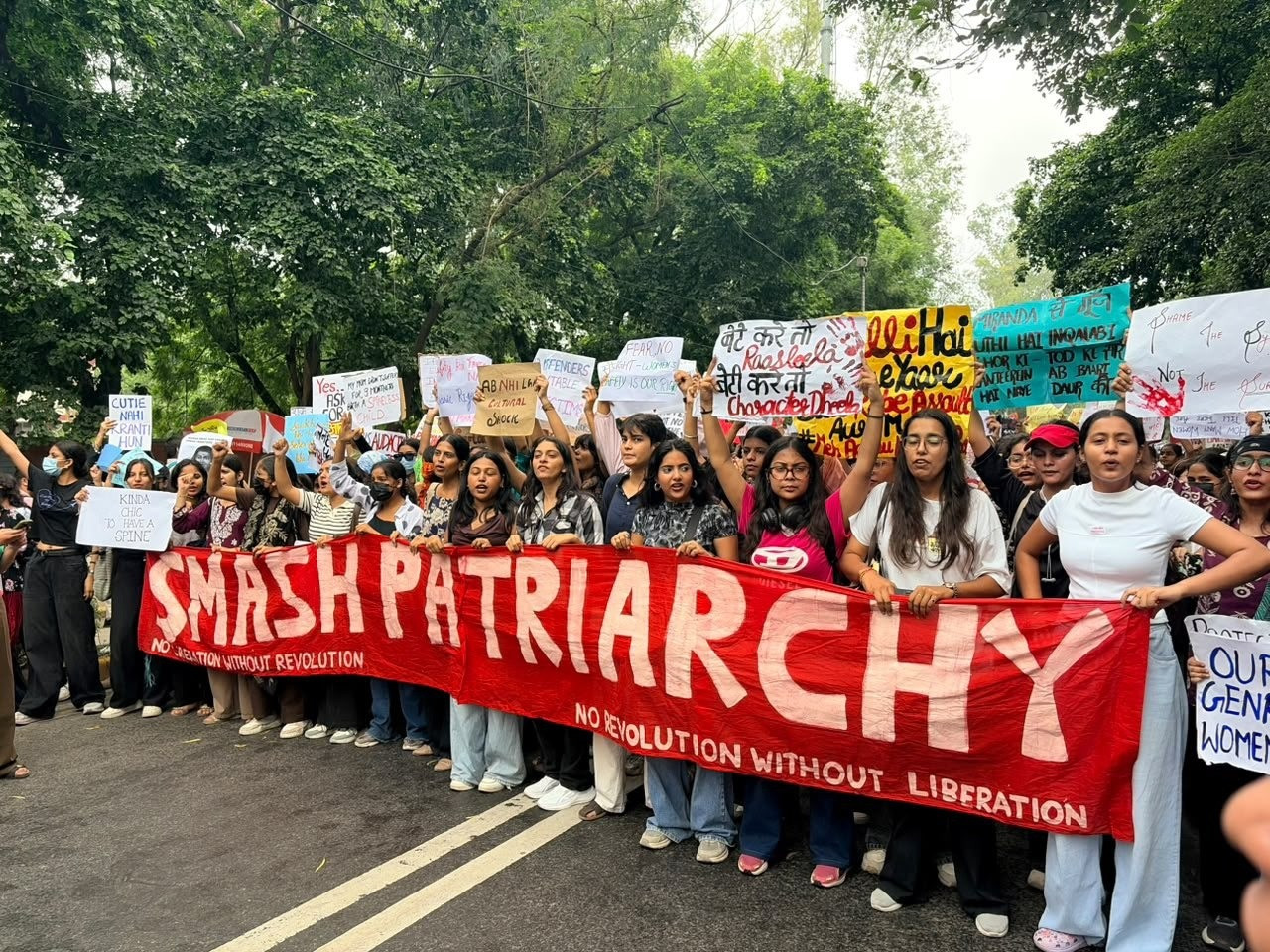
Similarly, “Our skirts are not short, it is the thinking of these men that is short” is a direct satire on the victim-blaming mentality that links clothing to sexual violence, while “The claim of rights is ours, the whole night is ours” asserts women's equal rights in public spaces. This distinction is not to prove one movement better or more feminist than another. Rather, it shows how the vocabulary of feminist protest evolves and expands. One generation brought the issues of justice and safety to the forefront; the next generation is linking the language of agency, autonomy, mobility, and freedom more strongly to that struggle.
And perhaps that is why some slogans of Gen Z are deliberately irreverent—slogans like “One kachori, two samosas” or “One puff, two teas” are not feminist manifestos. They are the language of street protest, attempting to subvert established social language through humour, rhyme, exaggeration, and provocation.
Therefore, instead of judging these slogans solely by their words, one should also consider what power relations, social perceptions, and controls they are challenging.
Don't be Cinderella, be Wonder Woman
What I find most beautiful about this generation is that these girls are vocal. They are not afraid to ask uncomfortable questions. They do not wait for anyone's permission to express themselves. Their feminism is not confined to academic language in books and seminars. It includes humour, sarcasm, the language of memes, popular culture, and, when necessary, anger.
I often tell my students—
“Don't be Cinderella, be Wonder Woman.” Cinderella has to wait for Prince Charming to rescue her. Wonder Woman does not wait for anyone. She has her own strength, her own wings, and the freedom to choose her direction. Perhaps this metaphor can also help us understand these slogans.
For centuries, women have been given a model of safety in which the father protects the daughter, the brother protects the sister, and the husband protects the wife. But the Gen Z girl is asking that while you ensure my safety, do not do so at the cost of my freedom. And why should my freedom depend on the presence of a male guardian? That is why do not listen to these students' slogans merely as words. A movement's slogan is not an academic definition of feminism. A slogan can contain exaggeration, satire, humour, or outrage; because its job is not only to explain but also to shake things up.
These are not just slogans. They are the language of changing feminism. They are the voice of a generation that wants to define its own freedom.
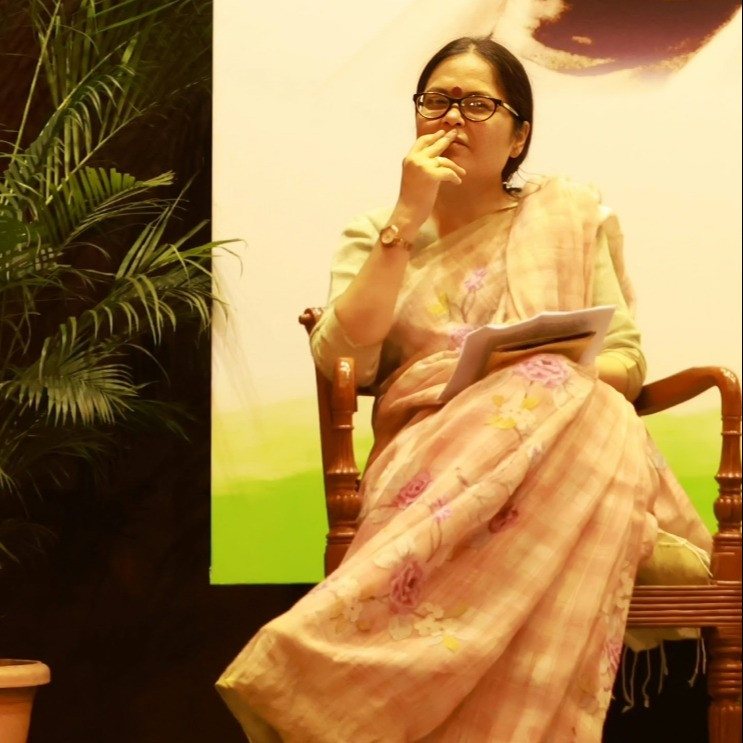
Dr. Chayanika Uniyal
डॉ चयनिका उनियाल दिल्ली विश्वविद्यालय में इतिहास की असोसिएट प्रोफेसर हैं और जेंडर मुद्दों की प्रखर प्रवक्ता