
Will NCP reunite? Growing closeness between Pawar factions may alter Maharashtra's political landscape

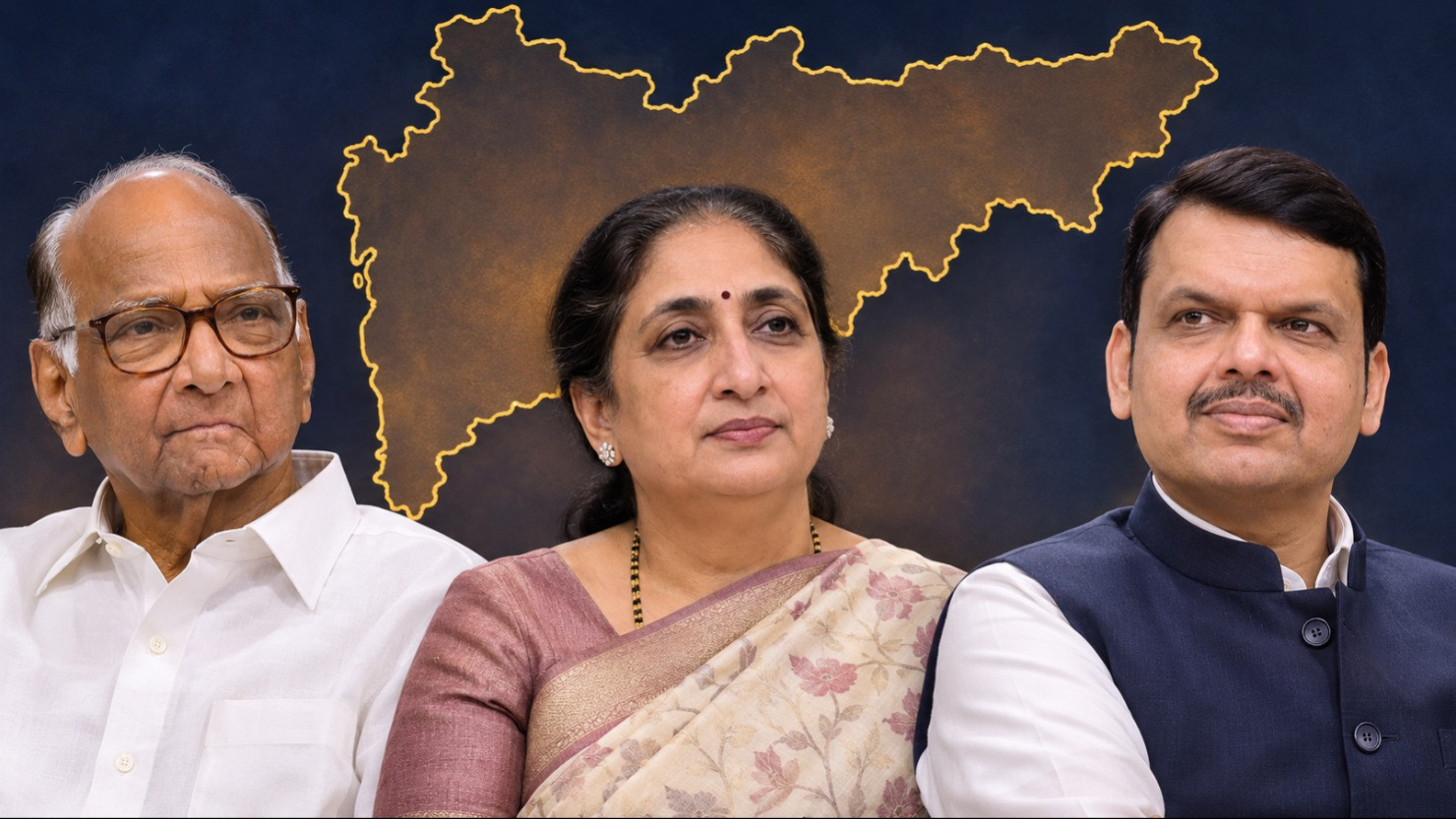
Both sides have yet to make a formal announcement regarding the merger.
The issue of Gokul Dairy elections had not completely settled when political equations in Maharashtra appeared to be changing, as discussions about the unification of both factions of the Nationalist Congress Party (NCP) have intensified again. Deputy Chief Minister and NCP President Sunetra Pawar said on November 11 in Baramati that everyone will know at the right time. Earlier, senior leaders from her faction, Praful Patel and Rajya Sabha MP Parth Pawar, had met Sharad Pawar. Both sides have not yet made a formal announcement regarding the merger. However, these meetings have raised a question in Maharashtra's politics: if both factions come together, in which alliance will the united NCP be?
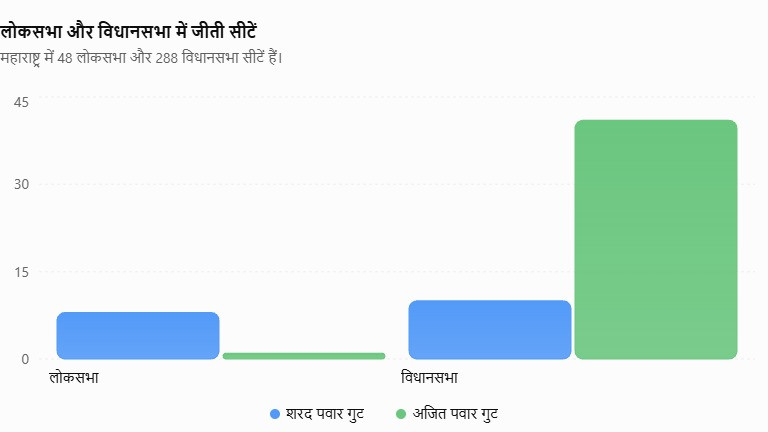
The NCP experienced a split in 2023 when Ajit Pawar joined the ruling coalition led by the BJP and Eknath Shinde's Shiv Sena with his supporting legislators. Sharad Pawar's faction remained in the Maha Vikas Aghadi with the Congress and Uddhav Thackeray's Shiv Sena. Subsequently, both factions contested the 2024 Assembly elections from different alliances. Ajit Pawar's NCP won 41 seats, while Sharad Pawar's NCP (SP) secured 10 seats.
Sunetra Pawar's faction's state president Sunil Tatkare claims that Ajit Pawar had informed them of a merger date of February 12, 2026. After Ajit Pawar's death in a plane crash in Baramati on January 28, according to Tatkare, discussions stalled. Later, Tatkare stated that if the merger proposal moves forward, the decision will be made by Sunetra and Sharad Pawar. His statement points to earlier discussions. The terms of that proposal had not been made public.
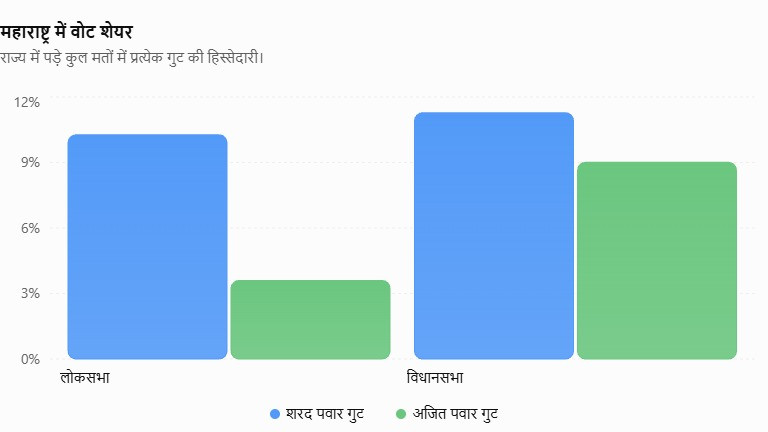
Amid recent meetings, different signals have emerged from both camps. In September, Sharad Pawar stated that his party would not merge with any other party and welcomed any leaders who wanted to join him. At the end of October, the possibility of a merger was dismissed after meetings of the Sunetra faction. Now, Sunetra's statement has reopened the discussion. According to a report by India Today, issues such as leadership of the united party, control over the organization, and direction of the alliance still need to be agreed upon.
Chief Minister Devendra Fadnavis stated that neither of the Pawar leaders has informed him about the merger. According to him, if the decision moves forward, discussions will also take place with the BJP. Meanwhile, Tatkare and Dhananjay Munde met Fadnavis on November 11. The NCP led by Sunetra is already demanding the finance department back, which was handled by Ajit Pawar. In this context, discussions about integration are ongoing along with negotiations for ministerial positions and departmental shares in the Maha Yuti.
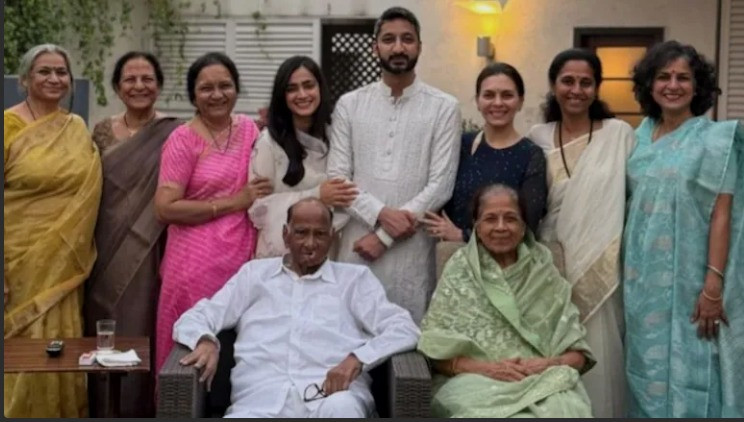
If the united NCP remains in the Maha Yuti, its weight in the Assembly could increase. Based on the 2024 electoral figures, combining the seats of both factions would total 51, which is close to the 57 seats of Eknath Shinde's Shiv Sena. If this happens, the NCP's bargaining power regarding the distribution of departments in the cabinet and seats in the next election could increase. On the other hand, if Sharad Pawar's faction moves towards the Maha Yuti, the Congress and Uddhav Thackeray's Shiv Sena will have to reconsider their collaboration and electoral strategy in Western Maharashtra.
If Sunetra Pawar's faction separates from the Maha Yuti, it could strengthen the opposition. Nevertheless, based on the 2024 results, combining the BJP's 132 and Shinde's Shiv Sena's 57 seats totals 189, which is above the majority figure of 145 in the 288-member Assembly. Therefore, the immediate impact may be more visible in the balance of power within the alliance and local election strategies rather than on the government's majority. This calculation is based on the 2024 results. The effect of any actual change will depend on how many legislators align with that decision.
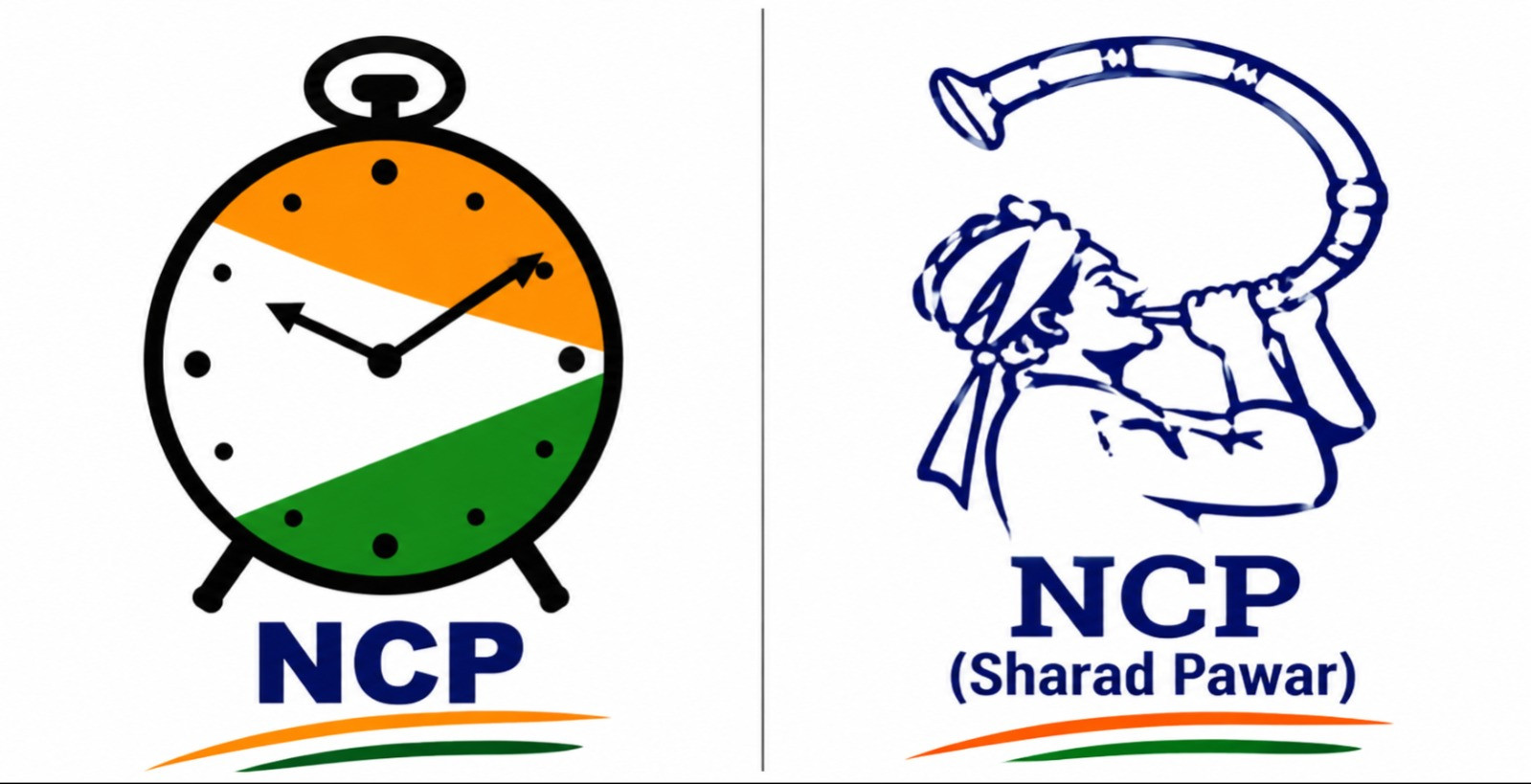
The municipal elections in Pune and Pimpri-Chinchwad are an example of this. In January 2026, both NCP factions contested the elections together, yet the BJP won in both municipal corporations. Unification in Western Maharashtra could help both factions coordinate among candidates and local workers. Its electoral impact will depend on whether former rivals can work together at the local level. Currently, the most crucial signal will be a joint announcement from both presidents, clarifying their agreement on leadership and the alliance. The coming times in Maharashtra's politics are likely to be very interesting, with ample possibilities.