
Netanyahu's exit: Will it change Middle East politics?

Netanyahu urged for a coalition government citing Iran's nuclear program in the new parliament.
Since October 7, 2023, although history did not begin that day, the barbarity with which Israel has committed heinous war crimes in Gaza and surrounding areas, such as Lebanon and Iran, is unparalleled in history. Especially the brutal killing of those children who had not even had the chance to know the world. They had only learned that war and terror are the permanent realities of life. So will anything change after Netanyahu's departure? Or is this merely a chapter that will give rise to even bigger battles and massacres?
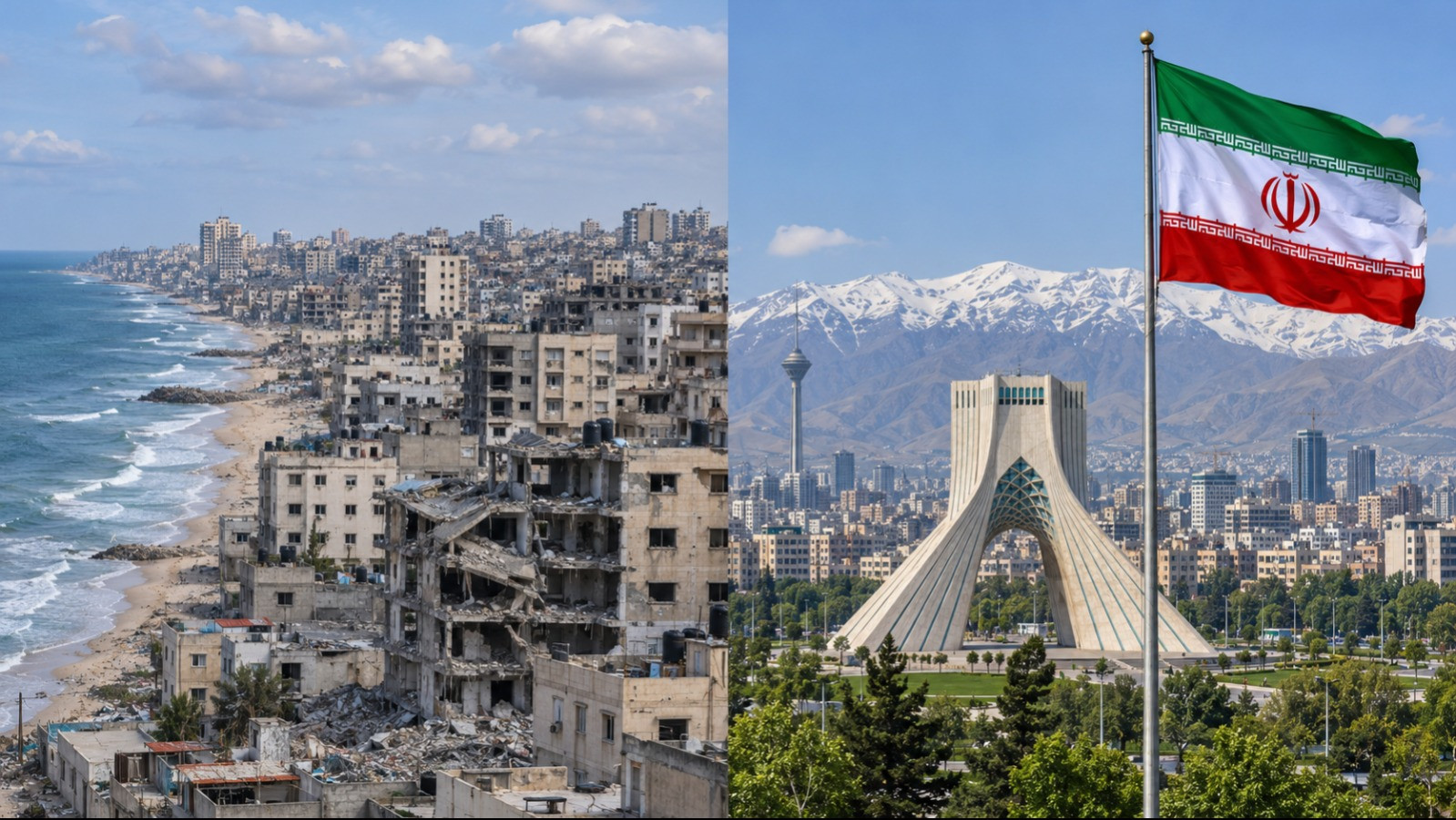
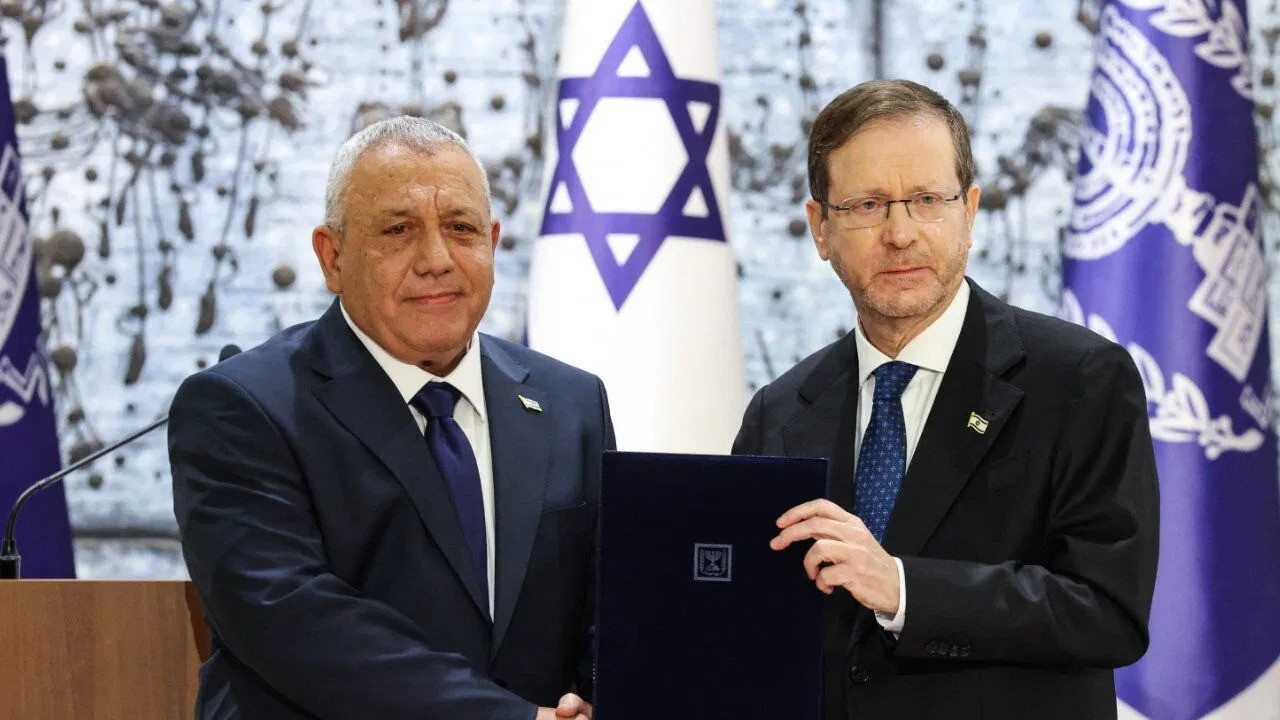
Benjamin Netanyahu's coalition has lost its majority in the Israeli parliament. Former army chief Gadi Eisenkot has been tasked with forming the government, but Netanyahu remains the acting Prime Minister until a new government is formed. If Eisenkot is able to form a government, it could pave the way for an investigation into the attacks of October 7, 2023, and the lifting of restrictions on the powers of the judiciary. The next government will have to make different decisions regarding the security of Palestinians in Gaza, war against Iran, and changes in Israel's political structure.
In the elections on October 27, Netanyahu's old coalition secured 53 seats. Eisenkot's camp received 48 seats, and Arab-led parties won a record 19 seats. Based on the recommendations of these parties, 67 MPs supported Eisenkot, and President Isaac Herzog tasked him with forming a government on November 8. However, Eisenkot's ally Avigdor Lieberman is also opposing a government that relies on external support from Arab parties. Meanwhile, the Joint List has offered to provide support from outside, while Ra'am has kept the possibility of joining the government open.
This is where the question of the political dominance of Zionism takes a concrete form. Israel's 2018 Basic Law declares the country as the nation-state of the Jewish people and grants the right to national self-determination specifically to the Jewish people. Eisenkot had mentioned forming a Zionist coalition during the election campaign. In this context, parties representing Israel's Palestinian citizens could play a decisive role in choosing the Prime Minister, although there is still controversy over their participation in government decisions.
Eisenkot has ruled out the possibility of a two-state solution after October 7. He also described the E-1 settlement expansion plan in the occupied West Bank as a mistake. This plan would disrupt geographical connectivity between major Palestinian-populated areas in the West Bank. There are also differences within his own camp. Yair Golan's Democrats party supports a two-state solution, while Lieberman is opposed to a Palestinian state and wants to impose Israeli sovereignty over Area C of the West Bank.
A halt to plans like E-1 could have ground-level impacts. The broader question is of occupation. The International Court of Justice declared Israel's continued presence in the occupied Palestinian territories illegal in its advisory opinion in July 2024. The assessment of the potential new government's policy will depend on its decisions regarding settlement expansion, military control in Gaza, and Palestinian self-determination. Currently, a unified policy on these issues has not emerged from Eisenkot's camp.
Netanyahu appealed for a coalition government in the new parliament by citing Iran's nuclear program. He also stated that Israel should work towards overthrowing the Iranian government. Eisenkot had said in October that any change in Iran's power must come from within its people. At that time, he argued that the justification for a new military campaign would only arise if Iran was rapidly advancing towards acquiring nuclear weapons. The statements of both show a difference in the objectives of military action and the conditions for initiating it.
The direction of the war also depends on decisions made in Washington and Tehran. After meeting with the Prime Minister of Qatar, Donald Trump mentioned postponing new American attacks for the time being, while the naval blockade of Iranian ports continues. Mohsen Razaei, the secretary of Iran's Supreme National Security Council, stated on November 10 that there are no ongoing negotiations with the United States. Amid attacks on ships in the Strait of Hormuz, oil prices rose again on November 11.
Netanyahu's departure could open new avenues for accountability in Israel and political participation of Arab parties. However, the real issue will be resolved only when all these attacks on ordinary citizens are immediately halted, and they demonstrate a serious commitment to establishing peaceful coexistence in the region. War will only give birth to more war, and to establish peace, peace must be established on every front.