
New US work permit rules impact H-1B visa holders' spouses

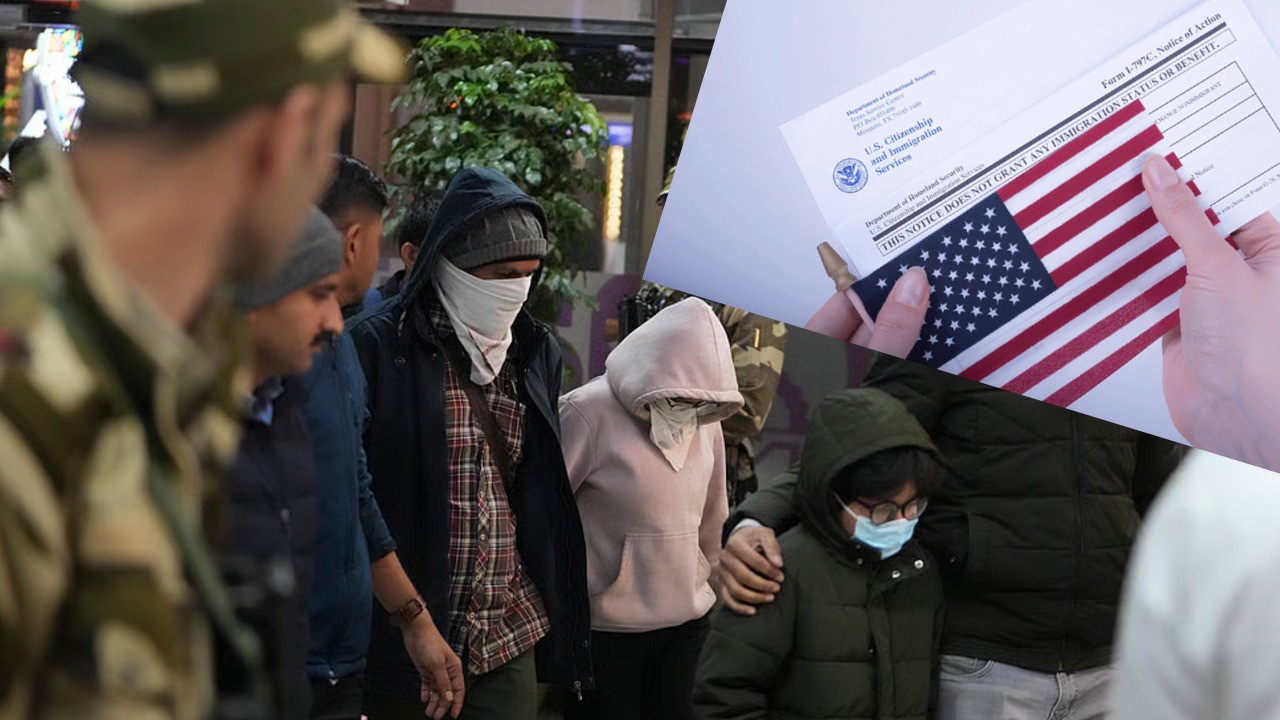
A significant number of Indian professionals work in the US on H-1B visas.
A significant change has occurred for foreign nationals working in the United States, especially Indian professionals and spouses of H-1B visa holders. The U.S. government has ended the automatic extension of work permits for certain categories. This means that individuals who have applied for the renewal of their work permits will no longer be allowed to continue working solely based on the pending status of their applications after their old permits expire.
The U.S. Citizenship and Immigration Services (USCIS) implemented this change as a final rule on October 14, 2026.

This decision may also impact Indians working in the U.S. whose Employment Authorization Document (EAD) renewal applications are still awaiting approval. Particularly, spouses of H-1B visa holders who work on H-4 visas may be affected.
In the U.S., an EAD is a document that allows eligible foreign nationals to work legally. Previously, some categories of applicants could continue working for up to 540 days after their old permits expired, provided they submitted their renewal applications on time.
This arrangement aimed to prevent individuals from losing their jobs due to delays in the renewal of work permits. USCIS extended this period to a maximum of 540 days in May 2022 after a backlog of applications increased. However, the U.S. Department of Homeland Security (DHS) issued an interim rule on October 30, 2025, eliminating this provision for certain categories of applicants. The final rule issued on October 14, 2026, has formally confirmed this change.
This rule includes several categories of individuals who rely on EAD to work in the U.S. The major categories include:
- H-4 visa holders: Spouses of certain professionals working on H-1B visas who require an EAD to work.
- Green card applicants: Individuals whose applications for permanent residency, i.e., green card, are pending and who work based on an EAD.
- Asylum seekers and refugees: Applicants in certain categories whose Employment Authorization Document renewal process is ongoing.
- Individuals with Temporary Protected Status (TPS): Some eligible applicants may also face difficulties due to the new rule.
Individuals falling under these categories may need to obtain renewal approval before their current work permits expire. If the application is not approved in time and no other legal exemptions are available, they may have to temporarily stop working.
A significant aspect of this decision is its impact on spouses of H-1B visa holders. A large number of Indian professionals work in the U.S. on H-1B visas. Some of their spouses reside on H-4 visas and can work through an EAD if they meet the specified conditions.
If the work permit of such an individual expires and renewal is not approved, they may have to leave their job or stop working. This could affect the overall family income. Additionally, prolonged interruptions in employment could impact career and professional development.
However, it is important to clarify that the new rule does not eliminate the fundamental eligibility of H-4 visa holders to obtain work permits. It primarily ends the automatic extension provision during the pending renewal application period.
It is also essential for Indian students studying in the U.S. to understand this change. According to USCIS, the 180-day automatic extension provision for eligible F-1 visa students for STEM OPT extensions is not affected by this rule.
Under STEM OPT, eligible students in fields related to science, technology, engineering, and mathematics can work in the U.S. under specified conditions after completing their studies. Therefore, the termination of the 540-day provision does not mean that all foreign students and employees are subject to the same work permit rules. Different provisions apply to various visa and employment authorization categories.
The U.S. administration states that the purpose of this change is to enhance the eligibility, background, and security checks of applicants before granting employment authorization. According to the government, it is not appropriate to automatically extend an individual's work permit for an extended period based solely on the submission of a renewal application, as their eligibility and other necessary information may not have been fully reviewed during that time.
On the other hand, this arrangement may cause difficulties for both employees and companies if there are delays in the application process. If an employee's work permit expires and the new document is not received on time, the company may also have to ask that employee to stop working. This could affect operations and employee availability.
Foreign nationals working in the U.S. should keep track of the expiration date of their EAD and submit renewal applications on time if eligible. USCIS generally advises eligible applicants to file renewal applications no more than 180 days before the expiration of their work permits.
However, merely submitting an application does not automatically allow one to continue working. Applicants should check their visa category, EAD category, application date, and applicable exceptions. Different provisions may apply to those whose applications were submitted before October 30, 2025, and who had already received automatic extensions under the old rules. Therefore, it is essential to review USCIS's official guidelines in each case.
Overall, this decision by the U.S. is significant for foreign employees awaiting approval for the renewal of their work permits. For Indian professionals and their families, timely application and monitoring of their employment authorization status have become more crucial than ever.