
New twist in Pannu case: Court summons Ajit Doval and former RAW chief Samant Goel

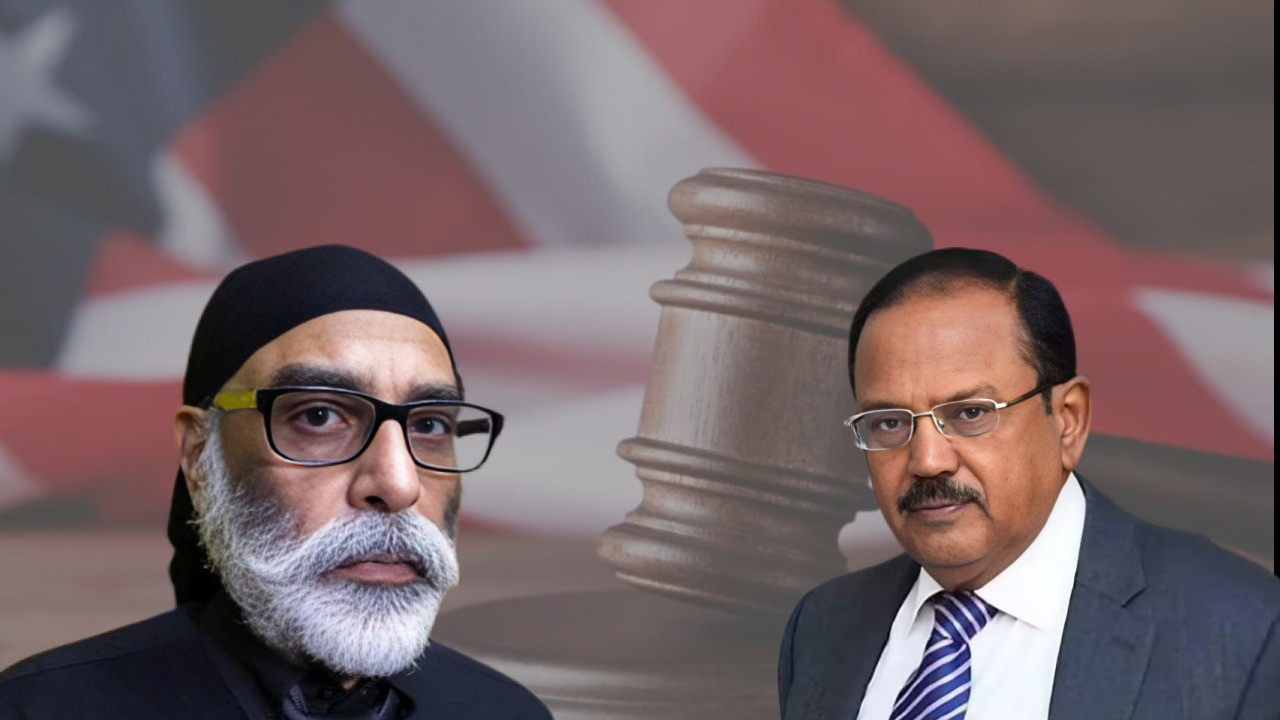
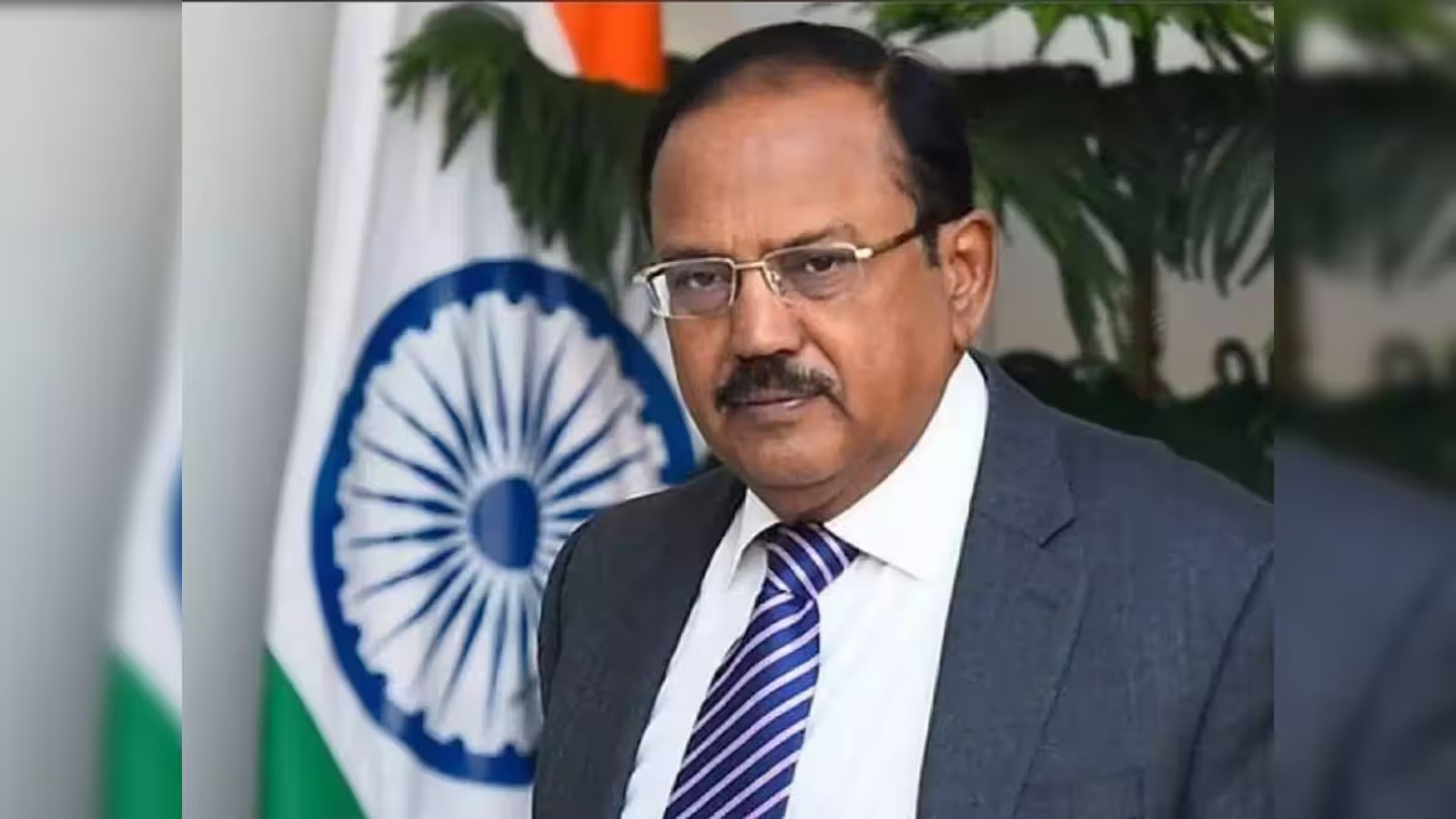
The court accepted Pannu's plea to serve legal documents to Doval and Goel through Indian courts.
A new legal development has emerged in the lawsuit filed by Gurpatwant Singh Pannun, the legal advisor of the pro-Khalistan organization Sikhs For Justice (SFJ) in the United States. A federal court in New York has allowed the process of sending summons related to the lawsuit to National Security Advisor (NSA) Ajit Doval and former head of the Research and Analysis Wing (RAW) Samant Goel through Indian courts. This lawsuit is linked to an alleged conspiracy to murder Pannun, with accusations of involvement by Indian officials.
Judge Katherine Polk Failla of the Southern District of New York issued this order on November 9, 2026. The court accepted Pannun's petition seeking permission to serve legal documents to Doval and Goel through Indian courts. However, this order does not imply that the court has accepted Pannun's allegations as true or found both officials guilty of any crime. It is a procedural decision related to the service of summons, which involves formally notifying the defendants of legal action.
The court has directed Pannun to submit a proposed packet of summons and related documents by November 30. After that, the court clerk will send the documents to the Indian courts deemed appropriate for this process.
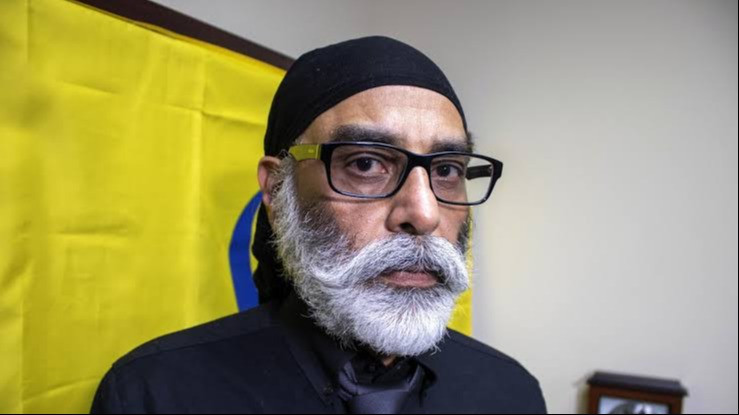
What is Pannun's lawsuit?
Gurpatwant Singh Pannun is the legal advisor of the pro-Khalistan organization Sikhs For Justice, active in the United States and Canada. The Government of India has declared Pannun a terrorist under the Unlawful Activities (Prevention) Act, or UAPA, and SFJ is banned in India.
Pannun filed a civil lawsuit against the Government of India and several Indian officials in a federal court in New York in September 2024. The defendants in this lawsuit include the Government of India, Ajit Doval, former RAW chief Samant Goel, former RAW officer Vikram Yadav, Nikhil Gupta, and 50 unidentified individuals.
Pannun alleges that these individuals conspired to murder him in the United States. According to him, he has been targeted due to his activities supporting the demand for Khalistan and an independent Sikh nation. He has sought compensation from those he holds responsible for this alleged conspiracy.
These allegations still need to be proven in court. The Government of India has dismissed Pannun's claims. Therefore, it is essential to distinguish between the allegations recorded in the lawsuit and the facts established by the court so far.
Why were attempts to serve summons unsuccessful?
The recent order from the American court follows several unsuccessful attempts to serve summons. Pannun's legal team had previously tried to personally deliver the lawsuit documents to Doval in the U.S. According to court records, Doval was present in the U.S. with the Indian delegation during Prime Minister Narendra Modi's visit in February 2025. Three attempts were made to serve him summons during that time, but security officials did not allow it.
Subsequently, Pannun's team attempted to deliver documents to Doval, Goel, and former RAW officer Vikram Yadav through India's Ministry of Law and Justice. The Ministry of Law and Justice is the designated central authority in India for delivering legal documents from foreign courts. However, this route also failed to serve the summons.
Pannun's lawyers had also sought the court's permission to send documents via email, notify the Attorney General's office, and publish the summons through public media. The court initially did not accept these attempts. Pannun then argued for the route of delivering documents through Indian courts.
Citation of Indian law and the Hague Convention
In the latest order, the American court referenced Article 19 of the Hague Convention. This convention pertains to the process of delivering judicial documents issued by one country's courts to another country and their service. Article 19 allows for the possibility of other methods available under domestic laws when the law of the relevant country permits the delivery of foreign judicial documents through its courts.
Pannun argued that Section 29(c) of India's Civil Procedure Code (CPC) allows for the delivery of summons issued by foreign civil courts to Indian courts. Under this provision, such summons can be served in Indian courts as if they were issued by any court in India. The American court also referenced a notification from the Government of India from January 2009, which applied this arrangement to the courts of member countries of the Hague Convention.
The court also cited Order 5, Rule 21 of the CPC. This provision allows a court to arrange for the service of summons through another competent court, especially when the defendant resides within the jurisdiction of that other court.
Pannun had identified three Delhi courts as potential recipient courts: Patiala House, Dwarka, and Tis Hazari court complexes. The American court found that there is a route available under Article 19 of the Hague Convention to serve summons to Doval and Goel through these courts.
Objection from the Government of India
The Government of India has responded strongly to this development. On November 10, Foreign Ministry spokesperson Randhir Jaiswal stated that the allegations against senior Indian officials are fabricated and malicious, and the lawsuit is baseless. He also clarified that requests for the service of judicial documents in India can only be sent through India's designated central authority, namely the Ministry of Law and Justice.
This objection from the Government of India raises questions about the legal basis of the American court's order. On the other hand, the American court has accepted the process of serving summons through Indian courts, citing Section 29(c) of the CPC, the Hague Convention, and the Government of India's 2009 notification. The response from the Government of India or the relevant Indian courts on this issue will be significant going forward.
A separate matter regarding documents sent to the Government of India
It is essential to understand another development in this lawsuit separately from the latest order. In October 2026, the U.S. Department of State sent a copy of the summons and complaint related to the lawsuit against the Government of India to the Indian Embassy in Washington through diplomatic channels. According to the State Department, the relevant diplomatic note was signed on September 30 and the documents were handed over to the Indian Embassy on October 9.
This action was taken under the Foreign Sovereign Immunities Act (FSIA) of U.S. law. It pertains to formally notifying the Government of India about the lawsuit. Meanwhile, the court order of November 9 relates to a separate process of serving summons to Doval and Goel in their personal capacities.
The State Department also clarified that sending the documents does not imply support for Pannun's allegations by the U.S. government. It also does not determine whether the service of summons is legally valid or whether the allegations made in the lawsuit are accurate.
Alleged conspiracy to murder and a separate criminal case
A separate criminal case is also ongoing in the U.S. regarding the alleged conspiracy to murder Pannun. In November 2023, U.S. federal prosecutors charged Indian national Nikhil Gupta with allegedly conspiring to hire someone to murder Pannun. The U.S. prosecution claimed that Gupta attempted to carry out this act under the direction of an individual connected to the Government of India. Later, in October 2024, the name of former RAW officer Vikash Yadav also emerged in the indictment.
Nikhil Gupta has admitted his guilt in this criminal case. However, this case is separate from the civil lawsuit filed by Pannun against the Government of India and officials. The legal nature and purpose of both cases are also different. In the civil lawsuit, Pannun is seeking damages, while in the criminal case, U.S. prosecutors are attempting to establish criminal liability for the alleged conspiracy.
It is also important to note that Doval and Goel are not accused in this criminal case. Their names are included as defendants in Pannun's civil lawsuit.
The recent order from the American court takes this dispute into a new legal phase. It remains to be seen what documents Pannun submits by November 30, how the court approves them, and what stance the Indian side takes on the process of serving summons in India. It is currently clear that the American court has opened a route for serving summons for the hearing of the lawsuit.