Saudi Arabia's economy hit by war, oil production plummets
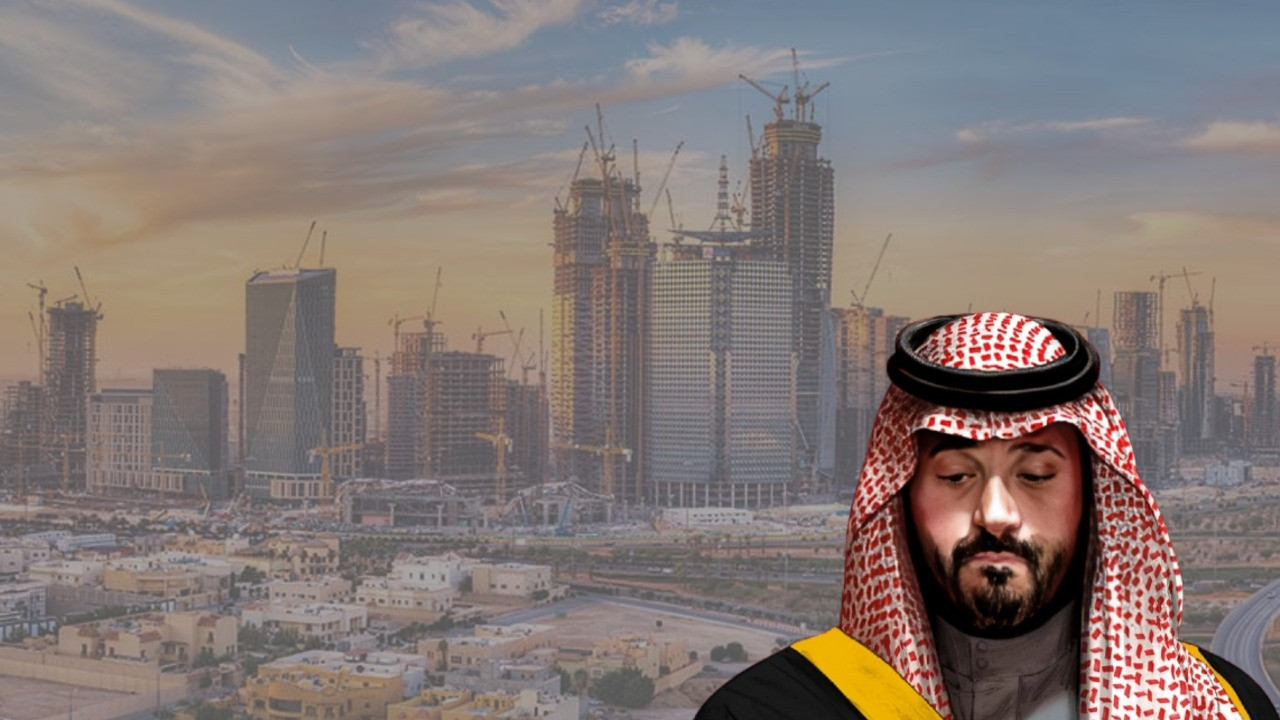
A 20.4% drop in the oil sector raises new challenges for Mohammed bin Salman's Vision 2030 and economic diversification.
The Saudi Arabian economy is paying a heavy price due to the ongoing war in West Asia. The impact on oil production and exports due to the war with Iran and the conflict related to Yemen is now reflected in the country's economic growth rate. The General Authority for Statistics (GASTAT) of Saudi Arabia reported on November 1 that the country's real GDP recorded a decline of 3.8 percent in the third quarter of 2026 compared to the same period last year.
The primary reason for this decline has been the weak performance of the oil sector. In the third quarter, economic activities related to oil saw a year-on-year decrease of 20.4 percent. On the other hand, the non-oil sector recorded a growth of 1.9 percent. Government activities also saw a decline of 2.7 percent. This clearly indicates that despite efforts to reduce dependence on oil, the Saudi economy has suffered a significant blow from the decline in the energy sector.
This figure is also significant because Saudi Arabia has been trying for several years to move its economy away from oil dependence. A major objective of Crown Prince Mohammed bin Salman’s ambitious plan 'Vision 2030' is to diversify the sources of income for the country. By promoting tourism, entertainment, construction, technology, transport, and private investment, the aim is to create an economy that does not solely rely on oil prices and production. However, the latest figures indicate that despite this shift, the significant decline in the oil sector is affecting the entire economy.
Decline in Oil Production Disrupts Economic Balance
Saudi Arabia is among the world's largest oil producers and exporters. Oil plays a crucial role in its government revenue, foreign currency earnings, and financing of economic plans. Therefore, a significant decline in oil production does not remain confined to the energy sector alone. It can also put pressure on government revenue, exports, investments, and development projects.
According to GASTAT data, the 20.4 percent decline in oil sector activities pulled down the annual GDP growth rate by 4.7 percentage points. In contrast, non-oil activities contributed positively by 1.1 percentage points. This means that while the growth in the non-oil sector provided some support to the economy, it could not fully compensate for the losses in the oil sector.
Impact of the Iran War and the Hormuz Strait Crisis
To understand the impact of this war on the Saudi economy, it is essential to grasp the significance of the Hormuz Strait. This maritime route, which connects the Persian Gulf to the Gulf of Oman and the Arabian Sea, is one of the most important routes for global oil and natural gas trade. Approximately one-fifth of global oil and LNG supply typically passes through this route under normal circumstances.
On February 28, 2026, the scope of war in West Asia expanded following attacks by the US and Israel on Iran. In response, Iran's military actions and rising tensions in the region severely affected maritime transport. Disruptions in the movement of ships through the Hormuz Strait have posed challenges for Gulf countries in maintaining oil and gas supplies. The International Monetary Fund has also mentioned in its report the impact of this crisis on regional trade, transport, and energy supply.
Saudi Arabia has utilized its alternative oil transport routes to cope with this crisis. Crude oil can be transported from oil fields located along the coast of the Persian Gulf to the Yanbu port on the Red Sea via the country's east-west oil pipeline. This arrangement aims to reduce dependence on the Hormuz Strait. However, disruptions in maritime routes, attacks on energy installations, and pipeline-related interruptions have meant that the alternative arrangements could not fully compensate for the losses.
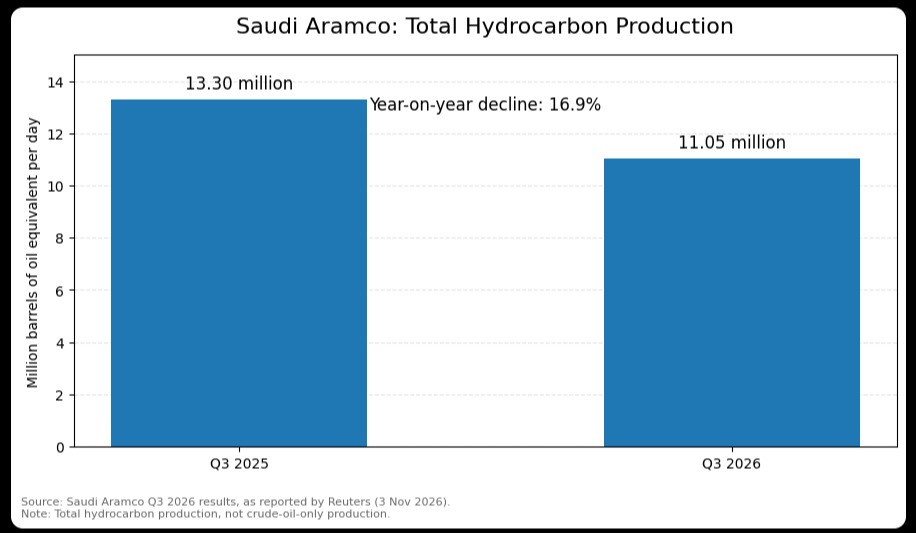
This has also affected the production of Saudi Arabia's state oil company, Aramco. According to the company's third-quarter results released on November 3, its total hydrocarbon production fell from 13.3 million barrels per day last year to 11.05 million barrels per day. However, due to high oil prices and some other business factors, the company's net profit rose to $36.25 billion. This highlights an important distinction: while high oil prices can boost the company's profits, a decrease in production and export volumes can have a significant impact on the entire economy.
Testing Vision 2030
Mohammed bin Salman announced Vision 2030 in 2016. The plan aims to transform Saudi Arabia from an oil-dependent economy to a new center for tourism, industry, entertainment, technology, and investment. This requires substantial government investment. Ambitious projects like Neom are part of this strategy.
There is a clear economic rationale behind this plan. Oil reserves are limited, and prices in the international market fluctuate continuously. Therefore, an economy dependent on a single natural resource cannot remain stable for long. Saudi leadership wants tourism, private industry, and non-oil businesses to become significant sources of government revenue and employment in the coming years.
The recent data showing a 1.9 percent growth in the non-oil sector is significant in this context. It indicates that despite the war and the decline in oil production, activities in other parts of the economy are ongoing. However, the question is whether this growth is strong enough to compensate for the significant decline in the oil sector. Currently, the data does not provide a positive answer.
The 2.7 percent annual decline in government activities is also noteworthy. The government's role in investment, construction, and large development programs is quite significant in Saudi Arabia. A reduction in government spending could also impact private sector activities. Therefore, merely promoting new industries will not be sufficient for diversifying the economy; it will also be necessary to maintain stable investment and demand for them.
Some Signs of Improvement Despite the Decline
Although a 3.8 percent decline in the economy was recorded on an annual basis, the picture is somewhat different on a quarterly basis. After adjusting for seasonal fluctuations, Saudi Arabia's GDP grew by 1.3 percent between July and September 2026 compared to the previous quarter. During the same period, oil sector activities increased by 5.7 percent, while the non-oil sector saw a growth of 0.6 percent. This indicates that there has been some improvement in economic activities compared to the second quarter. However, the economy is still lagging behind compared to the same period last year.
The International Monetary Fund has also expressed concerns about the economic impacts of the war. According to its assessment, prolonged disruptions in the Hormuz Strait, damage to energy installations, and weakened investor confidence could affect Saudi Arabia's economic growth and its diversification plans. However, the country also has foreign currency reserves, a relatively strong financial position, and security measures such as alternative energy transport routes.
The Economic Cost of War and Saudi Arabia's Challenge
Saudi Arabia currently faces a dual challenge. On one hand, it has to deal with the disruptions in oil production and exports caused by the war, while on the other hand, it must maintain the momentum of the large projects and economic changes initiated under Vision 2030.
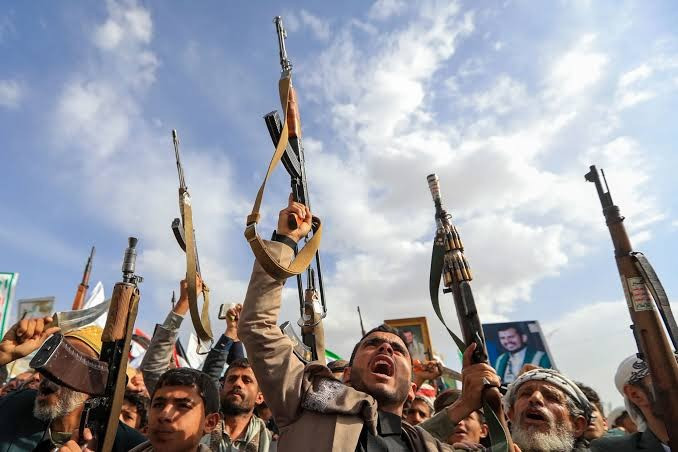
The conflict related to Yemen also holds significance in this entire regional crisis. Attacks by the Houthi group and the insecurity surrounding maritime transport in the Red Sea have increased security and trade-related challenges for Saudi Arabia.
This crisis is particularly important for Saudi Arabia because its economic ambitions are not limited to just selling oil. It aims to establish itself as a global center for investment, tourism, and trade. However, achieving this requires stability in the region, investor confidence, and secure routes for energy exports.
The latest figures do not present a picture of a complete collapse of the Saudi economy. The growth in the non-oil sector and the quarterly improvement in the third quarter indicate that some strength remains in the economy, but the significant decline in oil production also shows that despite efforts to reduce dependence on oil, Saudi Arabia has not yet emerged from this reliance.
The real test of Mohammed bin Salman’s Vision 2030 now lies in whether Saudi Arabia can continue its economic plans amid war and regional instability, or if the decline in oil revenues will slow down the pace of its ambitious projects. The answer will emerge in the coming months through oil production, government spending, foreign investment, and growth in the non-oil economy.