
Trump says leakers on Iran attack should be shot

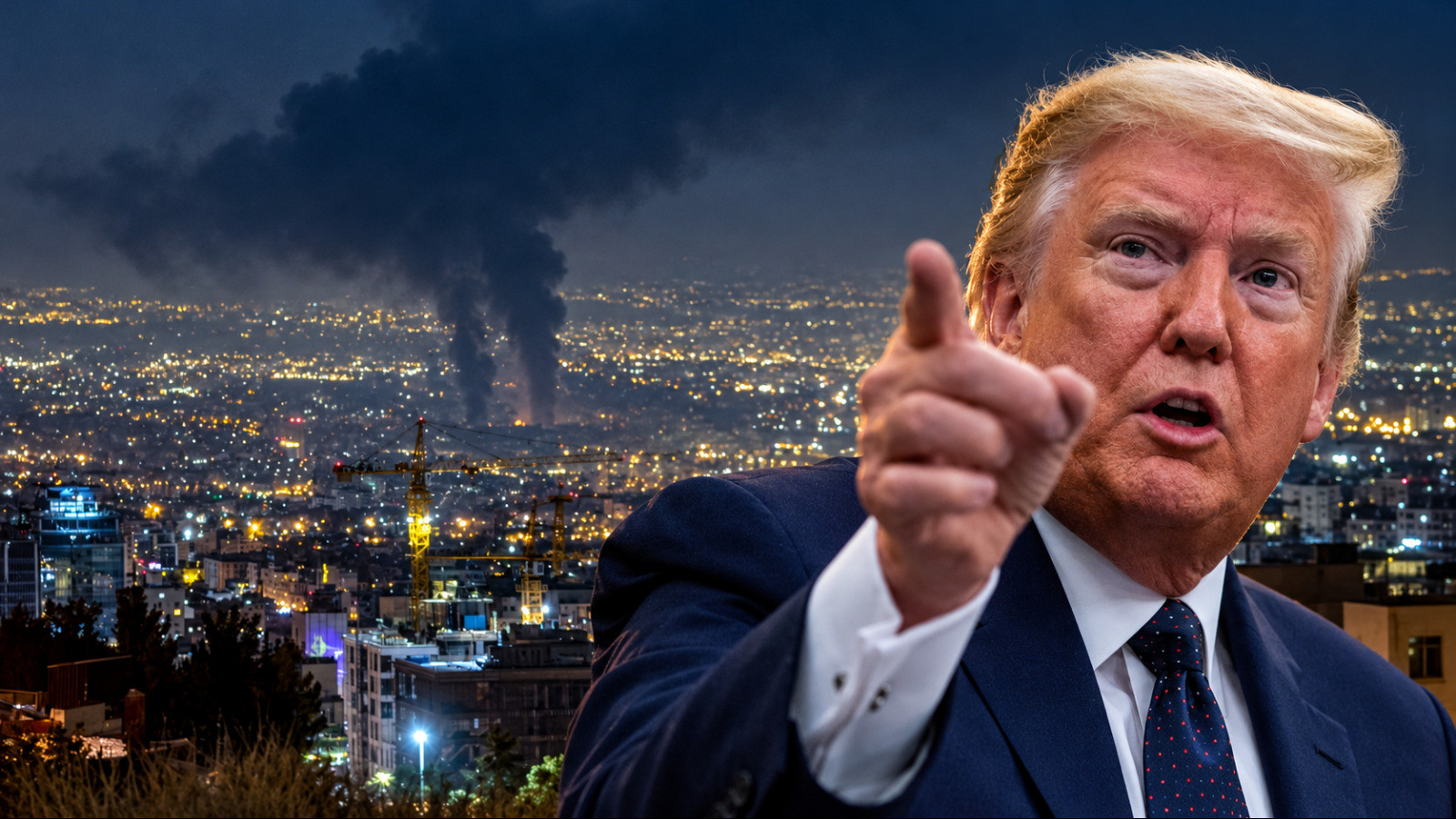
President Trump's statement came while referencing an incident related to U.S. military action against Iran.
U.S. President Donald Trump once again issued a very strict statement against those who leak sensitive government information to the media on Wednesday. He stated that individuals leaking confidential government information should be shot. Referring to such individuals as ‘the trash of the earth,’ Trump said they should be jailed and kept in prison for life.
According to a report by Time Magazine, his statement during a political rally in Bullhead City, Arizona, has intensified the debate over freedom of expression, government secrecy, and the role of journalism.

Trump said at the rally,
“In my opinion, those who leak information should be shot.” He further stated, in the old days, we used to shoot leakers. You know, when they would reveal when you were going to attack a country.”
This statement from the President came while referencing an incident related to U.S. military action against Iran. Trump claimed that a planned military strike on Iran had to be postponed because someone leaked information about the timing of the U.S. military's departure and arrival.
Trump's comments appeared to reference the U.S. military operation ‘Operation Midnight Hammer’ conducted in June 2025. During this operation, the U.S. launched a surprise attack on three major Iranian nuclear sites. At that time, a war lasted for 12 days between Iran and Israel.
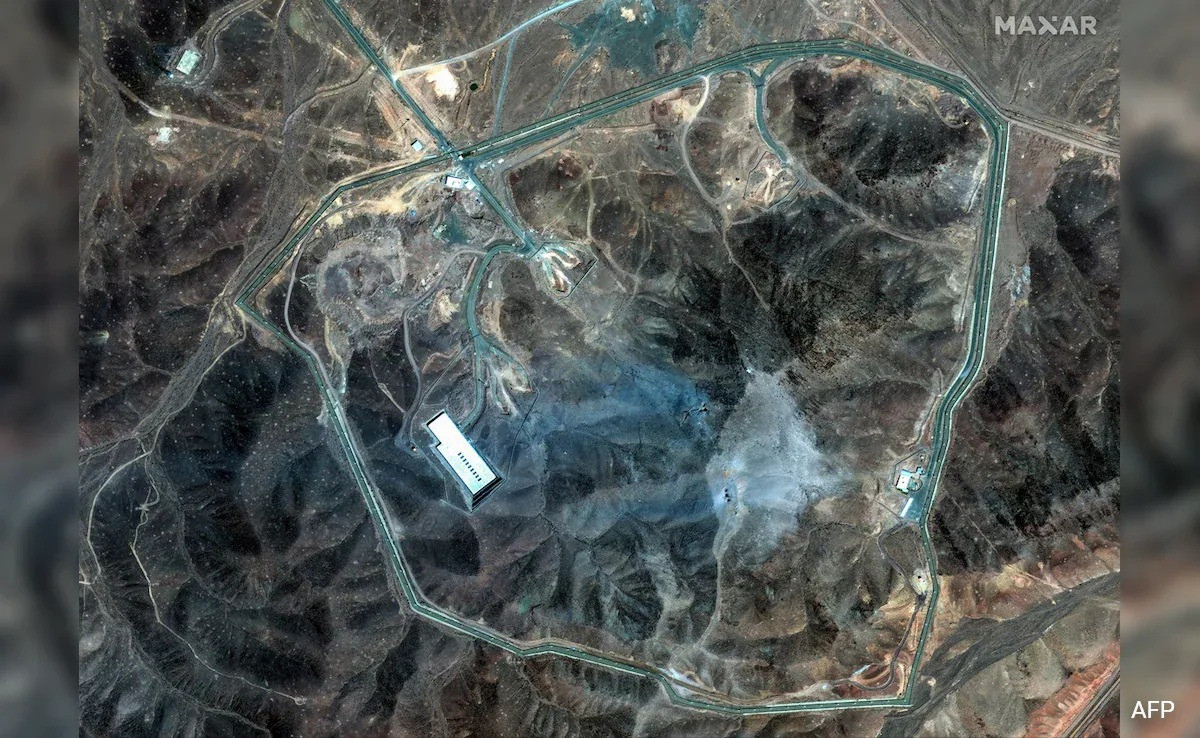
Following the attack in June, an initial report from the U.S. Defense Intelligence Agency was leaked. The report stated that Iran's nuclear sites had not suffered as much damage as the Trump administration initially claimed. According to the report, Iran could still be capable of enriching uranium. Some reports also indicated that before the attack, Iran had transferred enriched nuclear material from its nuclear sites to another location.
Trump expressed his displeasure on this issue at the rally, saying,
“Someone leaked information. That person was a low-life. They should be jailed and shot. They should spend the rest of their life in prison.”
He claimed that the leaker had publicly disclosed that individuals involved in the U.S. military operation were set to depart from Missouri at 12:07 AM. Trump stated that this information was also published in The New York Times and CNN.
Shortly thereafter, Trump pointed towards the journalists covering the rally, stating that they are almost as bad as the leakers. He accused journalists of leaking misinformation. Trump said, “They leak false information. That makes them leakers too, doesn’t it?” Trump's opposition to those leaking confidential government information is not new. Even before becoming President, he had repeatedly called for strict action against such individuals.
In 2010, in a promotional video for Fox News' Brian Kilmeade's radio show, Trump criticized WikiLeaks. At that time, WikiLeaks had released millions of confidential military and diplomatic documents provided by former U.S. Army intelligence analyst Chelsea Manning.
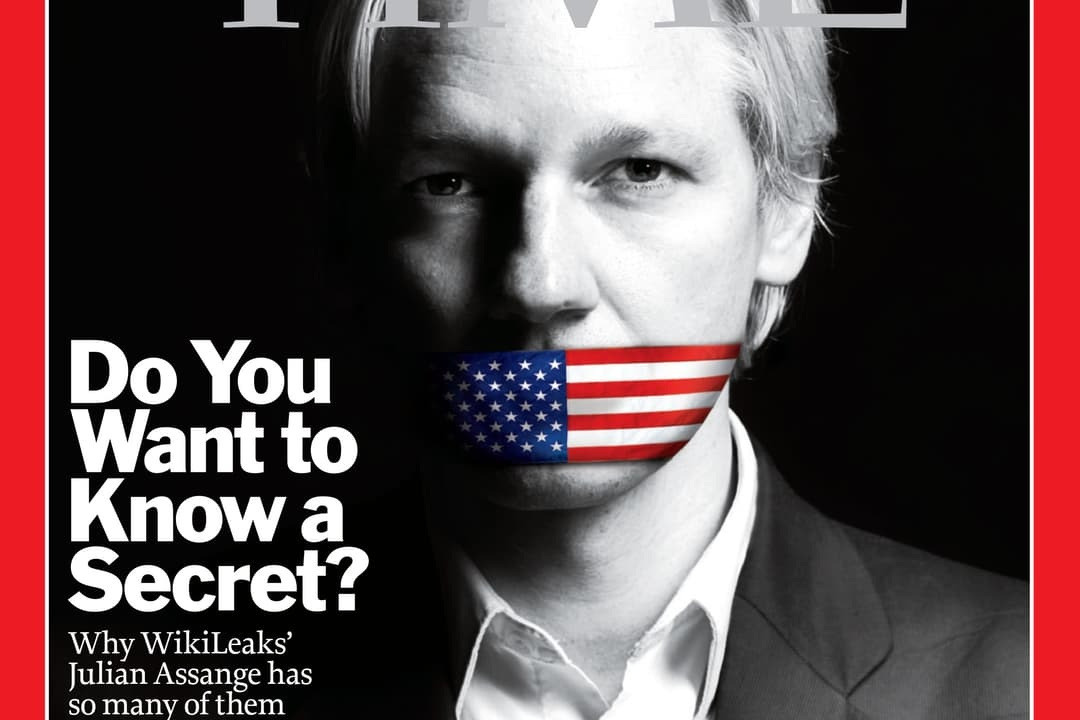
Trump had then said, “I think it’s disgraceful. I think there should be the death penalty or something like that.” Later, when Trump was active in his bid for the presidency, he targeted former National Security Agency (NSA) intelligence analyst Edward Snowden multiple times. Snowden had leaked confidential documents related to U.S. government surveillance programs in 2013. These revelations sparked a widespread debate about government surveillance and citizens' privacy worldwide.
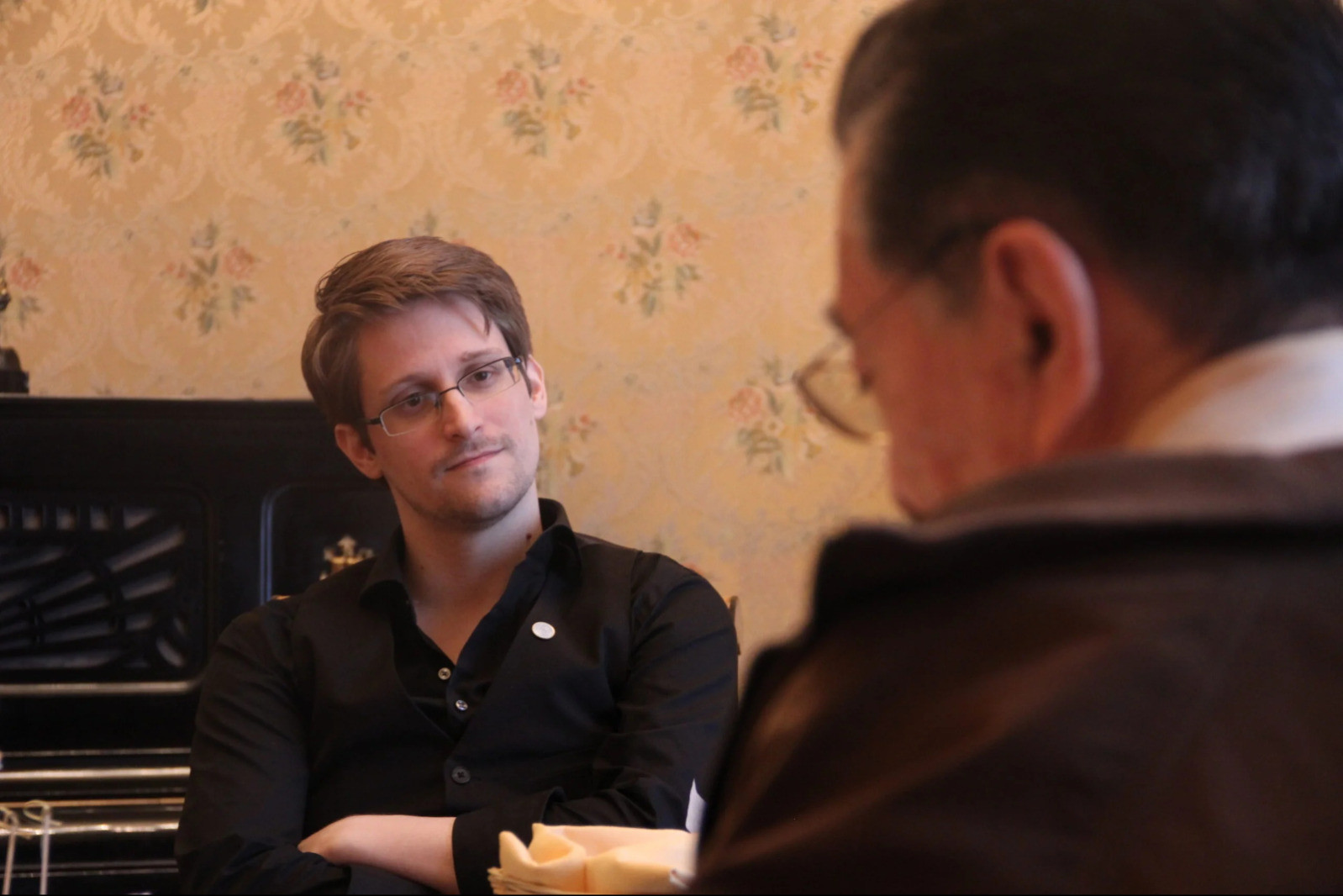
Trump referred to Edward Snowden as a ‘spy’ and stated that he should be executed.
Even after becoming President, Trump expressed his displeasure over the issue of leaking confidential information multiple times. In 2017, a report by The New York Times claimed that individuals connected to Trump's campaign had multiple contacts with senior officials of Russian intelligence agencies before the 2016 U.S. presidential election.
Following this report, Trump tweeted that leaking information in Washington, and even unlawfully making confidential information public, had been a major problem for years. He also stated that such individuals would be caught.
In 2019, a whistleblower filed a complaint alleging that Trump had used his powers of office to solicit help from another country to interfere in the 2020 U.S. election.
In this matter, Trump told staff at the U.S. mission to the United Nations that he wanted to know who provided the whistleblower with information. He said, “It’s almost like a spy. You know, in the old days, when we used to be smart, what was done to spies and traitors? We treated them differently than we do today.”
However, Trump's opposition to the leaking of confidential information has not been consistent in every case. When such disclosures benefited him politically, he welcomed them.
Just days before the 2016 U.S. presidential election, during a rally in Wilmington, Ohio, Trump praised emails released by WikiLeaks. These emails included private messages of his rival Hillary Clinton's campaign chairman John Podesta and emails from the Democratic National Committee.
Trump then said, “I love reading WikiLeaks!”
He also commented on the possibility of Russia hacking Clinton's emails and appealed to Russia to release any documents related to Clinton.
On another occasion, Trump also suggested that if Edward Snowden released records related to former President Barack Obama's birth, he could become a fan of his. At that time, the conspiracy theories promoted by Trump regarding Obama's birthplace had also created political controversy.
During Trump's second term, the administration has taken several steps to prevent sensitive information from reaching the media.
Following reports about dwindling U.S. ammunition supplies during the war with Iran, the Pentagon conducted polygraph tests on dozens of civilian employees and military officials. The purpose of these tests was to identify the individual leaking confidential information. Trump had demanded long prison sentences for those who made such information public. Journalists from The Wall Street Journal and The Washington Post were also summoned after reporting on national security matters. However, both news organizations opposed these summons, and later the U.S. Justice Department withdrew them.
In January, the FBI raided the home of a journalist from The Washington Post. This action was taken as part of an ongoing investigation against a government contractor. The contractor was accused of mishandling sensitive information related to national security.
In April, the Justice Department announced the arrest of a former military employee. He was accused of sending classified information related to national defense to individuals who were not authorized to receive it, including a journalist.
The Pentagon had warned journalists that their access could be revoked if they did not sign agreements related to not publishing unauthorized material. Several journalists from the Pentagon press corps refused to sign this agreement. In March, a federal judge also ruled in favor of the press, striking down several provisions of the Defense Department's media access policy.
This is not the first time Trump has suggested shooting people from a group.
Three years ago, during a lunch with Republican leaders in California, he supported shooting looters in stores. At that time, he was presenting himself as a tough leader against crime ahead of the 2024 presidential election.
Trump stated that people loot items from stores and later sell them. He claimed that if the police were allowed to do their job and given the discretion to shoot looters when necessary, such incidents would stop immediately.
In 2019, Trump also suggested shooting to prevent migrants from entering the U.S. According to the book Border Wars Inside Trump's Assault on Immigration by New York Times journalists Michael D. Shear and Julie Hirschfeld Davis, Trump had suggested to his aides that migrants crossing the border should be shot in the legs. However, he was told that this would not be legally acceptable. Later, Trump stated on social media that he could be tough on border security, but not that tough.
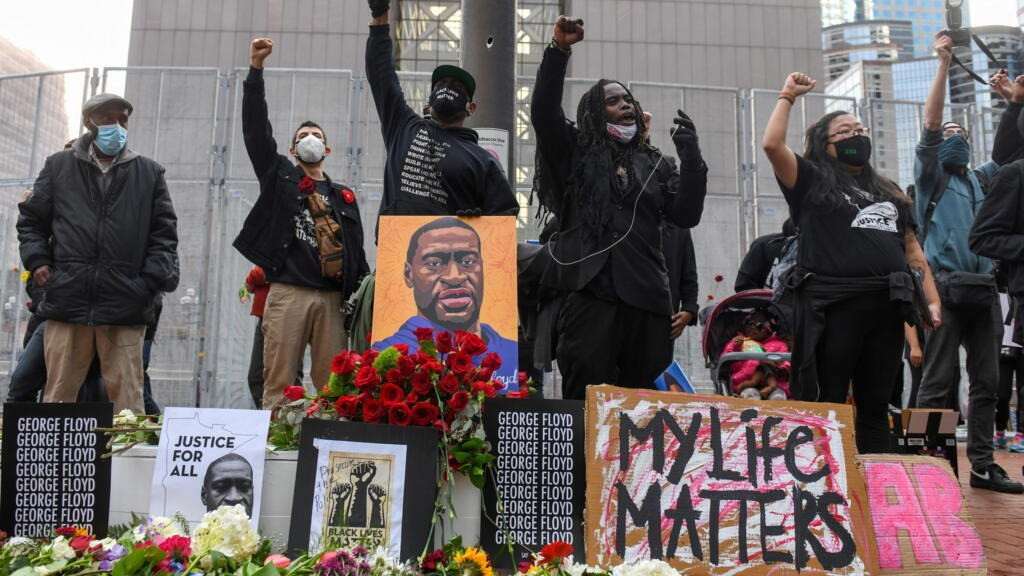
After the death of George Floyd in 2020, Trump also considered using the military against protesters during the racial justice demonstrations. According to Mark Esper, who served as Defense Secretary during his first term, Trump had even contemplated ordering the shooting of protesters in the legs.
Last week, Trump approved a plan for the first execution of a U.S. service member by firing squad since World War II. He also expressed enthusiasm about the possibility of broadcasting this action live. However, after negative reactions to this proposal, there were signs of a shift in Trump's stance.
During a conversation with journalists on Saturday, he said,
“There are two options—don’t show it or show it. Because showing it might prevent other people from doing what he did. So I will ultimately make that decision. I know what the military wants to do, but we will decide.”
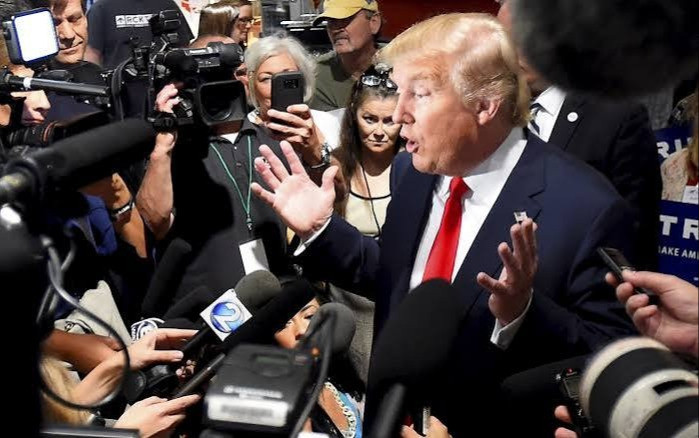
Trump's latest statement has once again raised the question of what the limits should be for maintaining government secrecy in the name of national security and what kind of actions are appropriate against those who disclose sensitive information. For his critics, this statement raises concerns about his attitude towards press freedom and dissent, while Trump has continued to link his stance to the potential harm caused by leaks of classified information.