
Why did Modi government seek unconditional apology from Supreme Court?

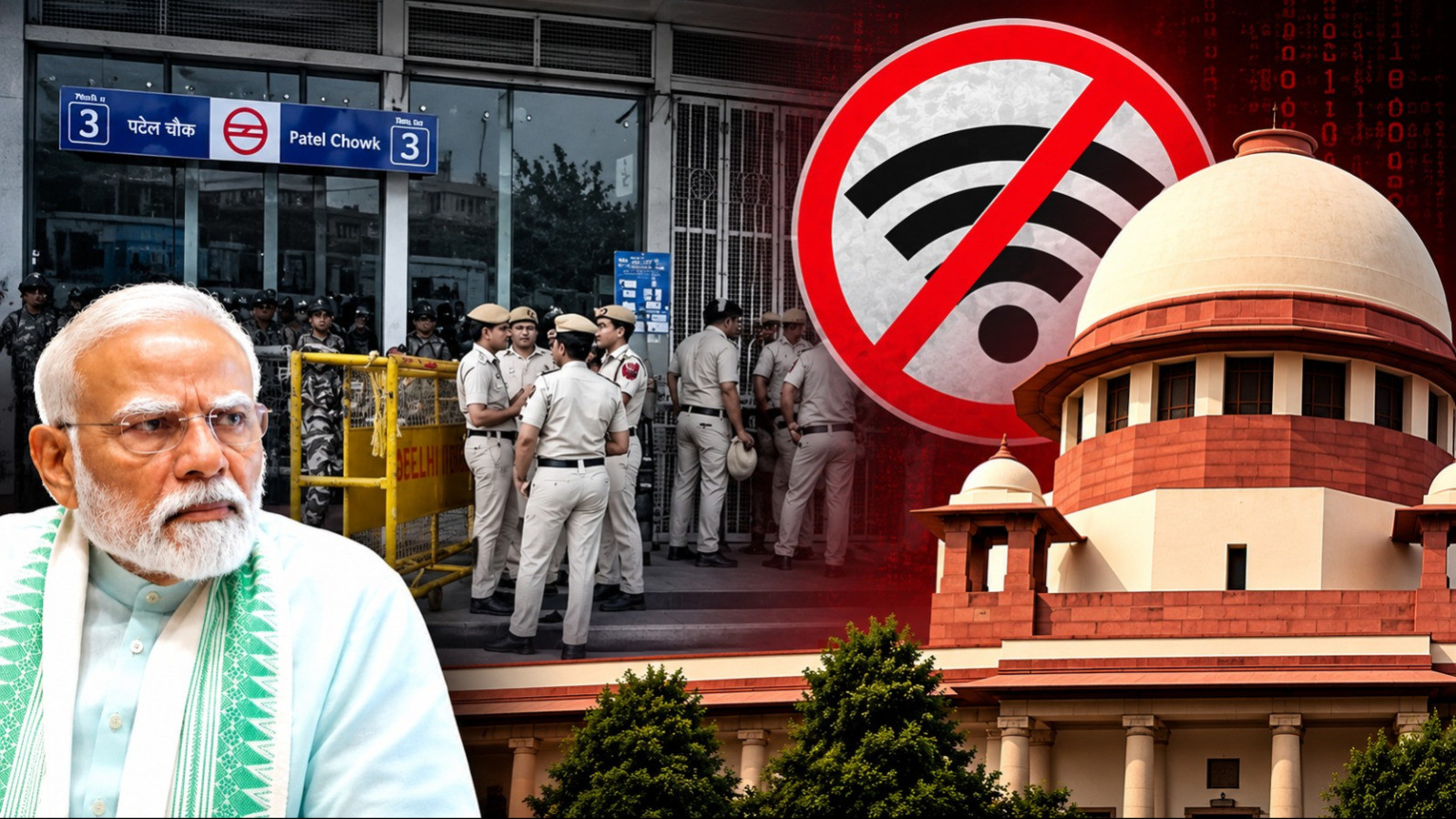
The central government is accused of violating Supreme Court directives.
On October 10, during the protests in Delhi, the Central Home Secretary Govind Mohan has sought unconditional and complete apology from the Supreme Court regarding the violation of the court's directives related to the suspension of metro and train services. In an affidavit filed in the Supreme Court, he defended the decision to shut down internet services, stating that this step was taken in accordance with the provisions of the law. He also appealed to the court to make necessary amendments in its order of October 11, so that internet services could be temporarily suspended under the law if needed.
This case is related to the protest held on October 10, called by the Cockroach People's Party (CJP). The party had organized the protest demanding the resignation of Chief Election Commissioner Gyanesh Kumar, alleging electoral irregularities.
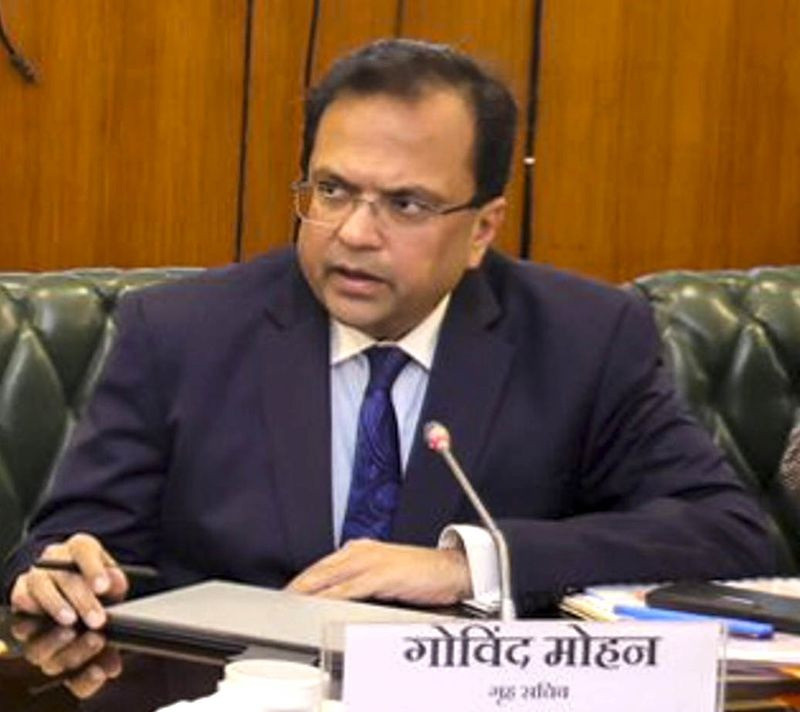
In his affidavit filed in the Supreme Court, Central Home Secretary Govind Mohan stated that the Delhi Police had requested to suspend mobile internet services for one day until 10 PM on October 10. This request was reviewed as per the law and was deemed appropriate and proportional considering the circumstances at that time. According to Mohan, this decision was made keeping in mind the need to maintain law and order in the national capital and to prevent any kind of disorder. He mentioned that the request from the Delhi Police was considered in accordance with the seriousness of the situation and the need to maintain public order.
The affidavit stated that mobile internet services were shut down from 10 PM on October 9 to 10 PM on October 10. This restriction was implemented within a four-kilometer radius of Raisina Hill in Delhi.
The Home Secretary clarified that this restriction was only on internet services accessed through mobile networks. Non-mobile internet services and telecommunications facilities, such as Wi-Fi and broadband, were not included in this restriction.
Govind Mohan stated in his affidavit that,
Suspending internet services for a limited period in a designated geographical area is a measure that can be used to maintain law and order. However, he also clarified that such a step can only be taken under appropriate circumstances and must comply with the relevant laws and prescribed security measures.
He argued before the court that the decision to impose temporary restrictions on internet services for maintaining public order could be considered under the applicable legal provisions. According to him, while deciding on the request from the Delhi Police, the seriousness of the situation, potential disorder, and the need to maintain peace in the capital were taken into account. The Home Secretary urged the Supreme Court to make necessary amendments in its order passed on October 11. He requested that the court provide clarification or amendment that would allow for the suspension of internet services in accordance with the law if needed. He also stated that any such step should be subject to the relevant legal requirements and security measures.
The hearing in this matter is ongoing before the bench of Chief Justice Suryakant and Justice Joymalya Bagchi.
Earlier, on October 11, the Supreme Court stated that the petitioners for contempt had prima facie established that there was a violation of the court's directives regarding not imposing a complete ban on metro and train services during the protests in Delhi. The bench had issued notices to Central Home Secretary Govind Mohan, Delhi Police Commissioner Anurag Kumar, and Delhi Metro Rail Corporation (DMRC) Chairperson D Thara in this matter.
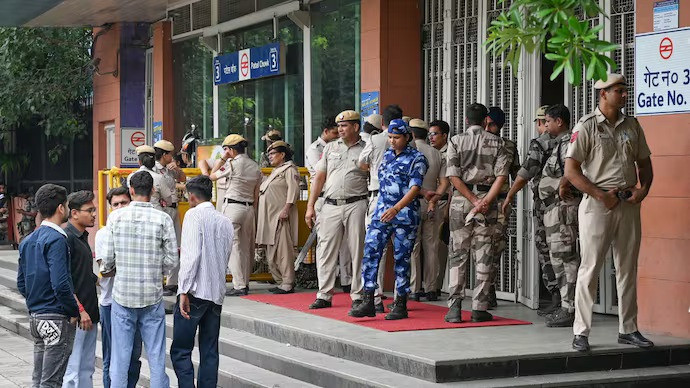
It was alleged before the court that the directives to not completely shut down metro and train services during the protests were not followed. The contempt petition was filed regarding this violation. However, a final judicial conclusion in this matter is still pending.
The unconditional apology sought by the Home Secretary and the appeal for amendment of the court's order is significant for the hearing of this case. The Supreme Court will now consider what steps to take in light of the arguments presented in the affidavit and the apology.
The Cockroach People's Party had called for the protest on October 10 demanding the resignation of Chief Election Commissioner Gyanesh Kumar. The party had raised allegations of electoral irregularities, demanding his resignation.
The controversy regarding metro and train services during this protest has now taken a legal turn. The Supreme Court is faced with the question of violation of its previous directives on one hand, and the justification for the central government's decision to temporarily shut down internet services on the other.
The Home Secretary, along with seeking an apology, has also requested that the court's order be amended in such a way that in the future, if necessary, internet services can be suspended following legal procedures.
Now, the comments and further direction of the Supreme Court during the hearing on Thursday will be crucial. This hearing is expected to clarify how the court views the arguments of the Home Secretary and other officials in the contempt case and what decision it makes regarding the request to amend its previous order on internet service restrictions.