
Is the Gujarat model of emergency like General Dyer's in the country?
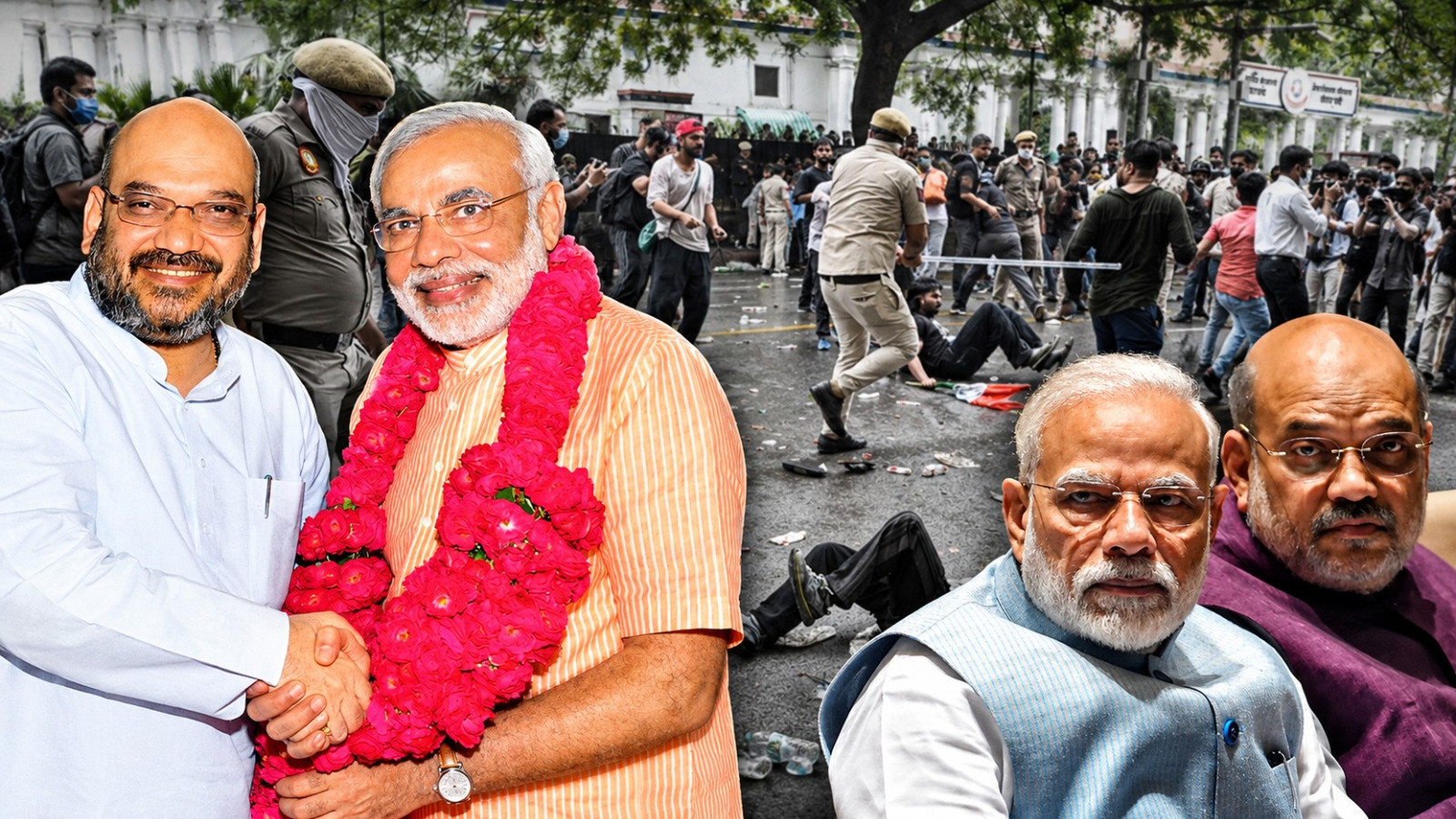
Patidar reservation movement leader Hardik Patel referred to Amit Shah as General Dyer.
What is the relationship between the police brutality and oppression that occurred at Jantar Mantar and the Gujarat model? Let us take a look at Gujarat's recent and somewhat older past and attempt to connect it with the current situation in the country.
Former Gujarat Deputy Chief Minister Nitin Patel made a significant statement during a public meeting on July 11, 2026, regarding the police baton charge and firing that took place during the Patidar Reservation Movement of 2015.
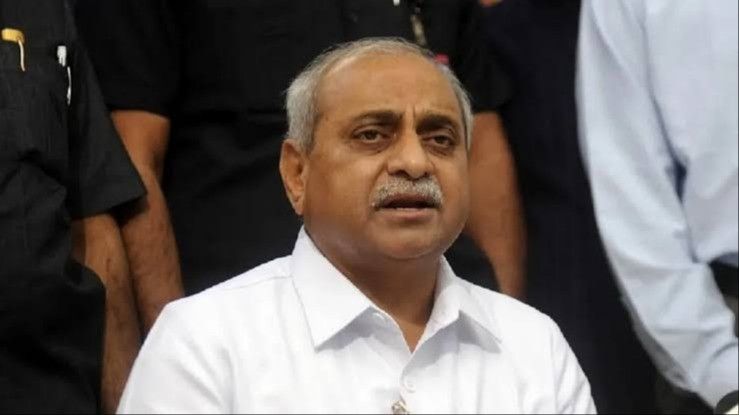
Nitin Patel stated that,
“Who ordered the baton charge and firing on Patidars after the peaceful gathering of thousands of people at GMDC ground in Ahmedabad on August 25, 2015, remains a mystery even today.”
Nitin Patel claimed that,
“Even the then Chief Minister Anandiben Patel was unaware of the orders for this baton charge, who is currently the Governor of Uttar Pradesh. Nitin Patel also expressed the possibility of an invisible force or a larger conspiracy behind this incident.”
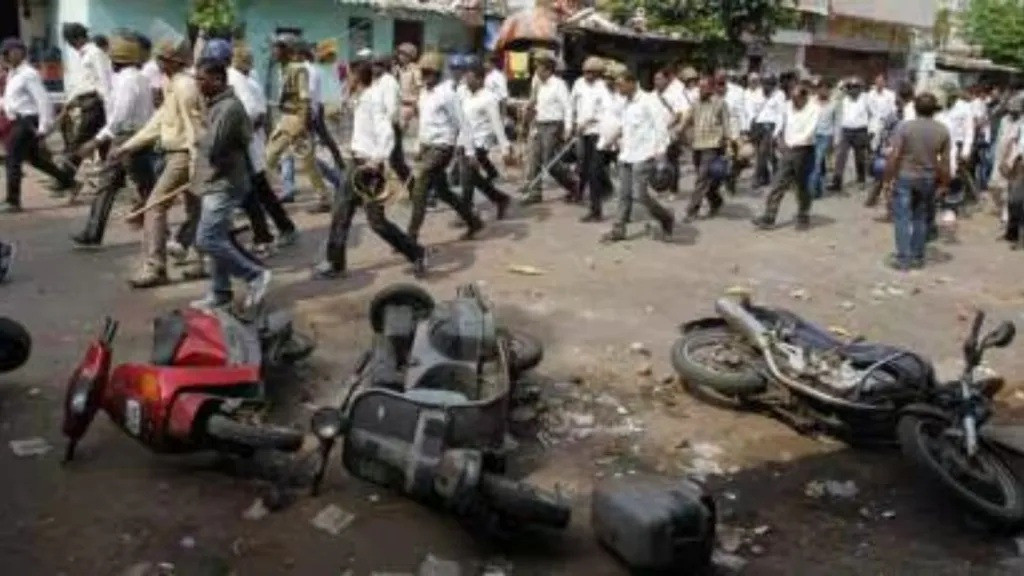
“In this firing, 14 people were killed, 27 civilians were injured, 203 police personnel were injured, and 650 people were arrested.”
The implication of Nitin Patel's statement is that someone outside the Gujarat government was ordering the police to carry out the baton charge and firing. Who could that person be? No one knows.
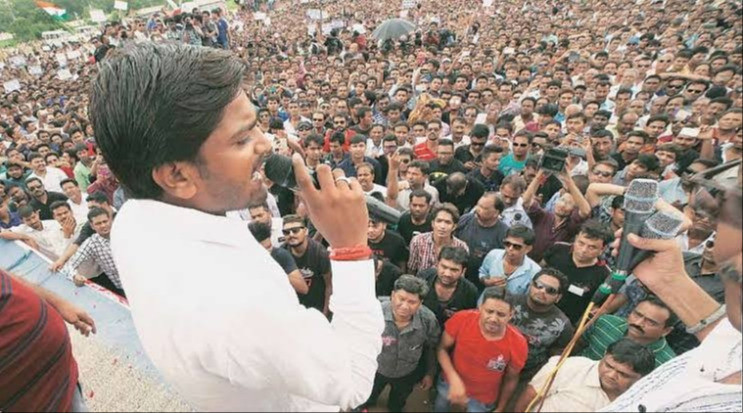
Now, another important issue is that the leader of the Patidar Reservation Movement, Hardik Patel, had referred to Amit Shah as General Dyer at that time. So, was Amit Shah responsible for that baton charge and firing?
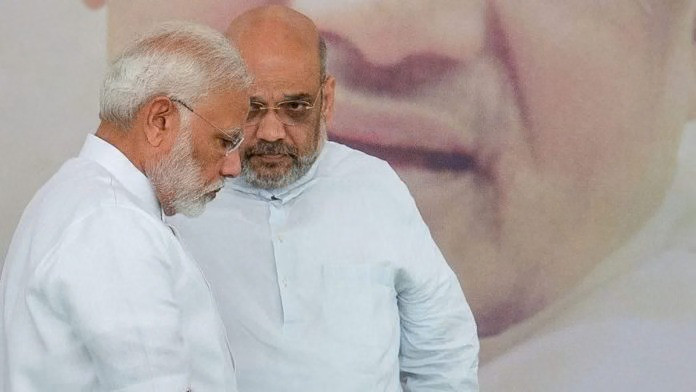
This cannot be definitively stated as Amit Shah was not a government minister at that time. So why did Hardik Patel call Amit Shah General Dyer? This remains a big question. On the other hand, Nitin Patel states that it is a mystery who ordered the baton charge and firing from within his government.
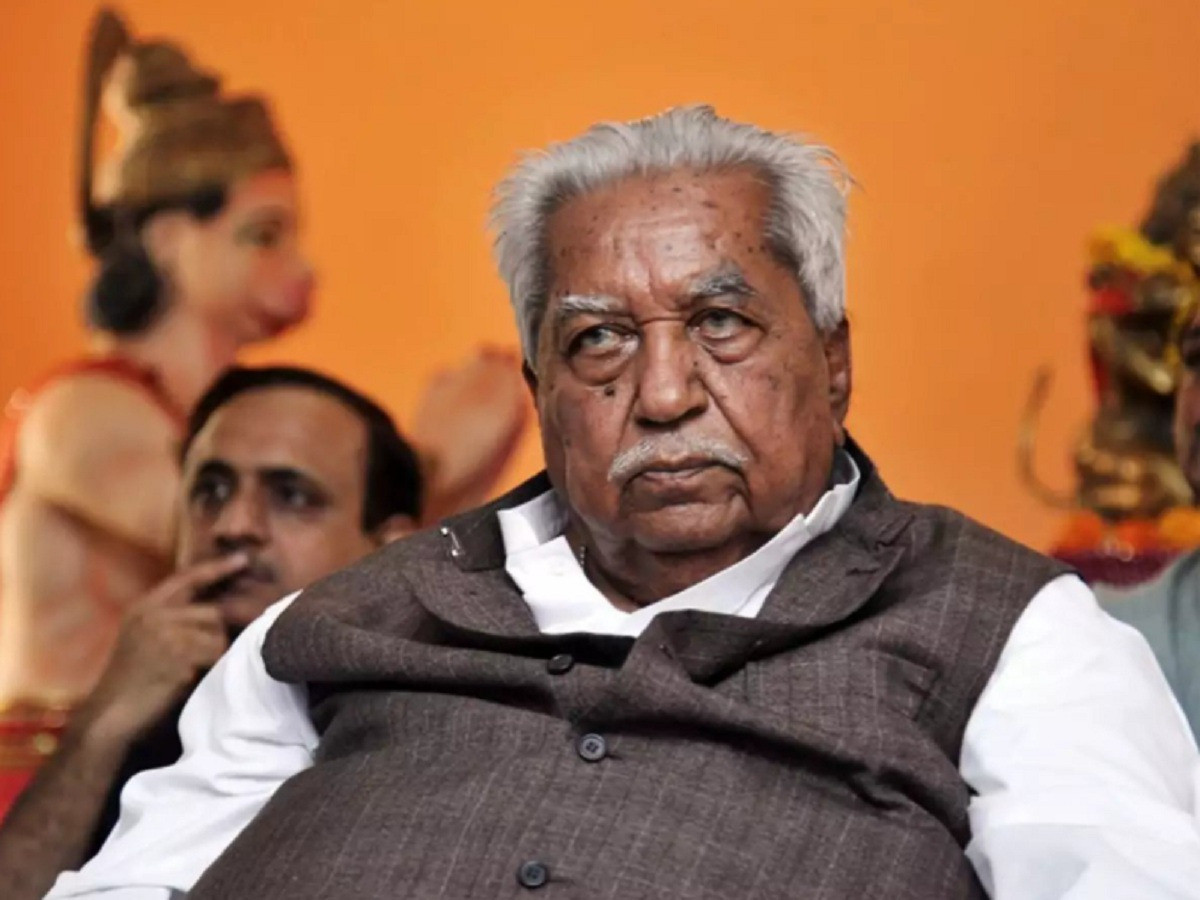
Additionally, another important point is that former Gujarat Chief Minister Keshubhai Patel formed the Gujarat Parivartan Party against Narendra Modi before the 2012 assembly elections and fought against the BJP. However, he was unsuccessful in bringing about political change.
“At that time, during an election rally on December 8, 2012, Keshubhai Patel referred to Narendra Modi as ‘Dhoondhiyo Rakshas’. It is a fact that Narendra Modi became Chief Minister by removing Keshubhai Patel after the devastating earthquake in Gujarat in 2001. What does ‘Dhoondhiyo Rakshas’ mean? In Gujarat, when a person is very greedy, conspiratorial, and cruel, and continuously troubles and harasses others, he is colloquially referred to as ‘Dhoondhiyo Rakshas’.”
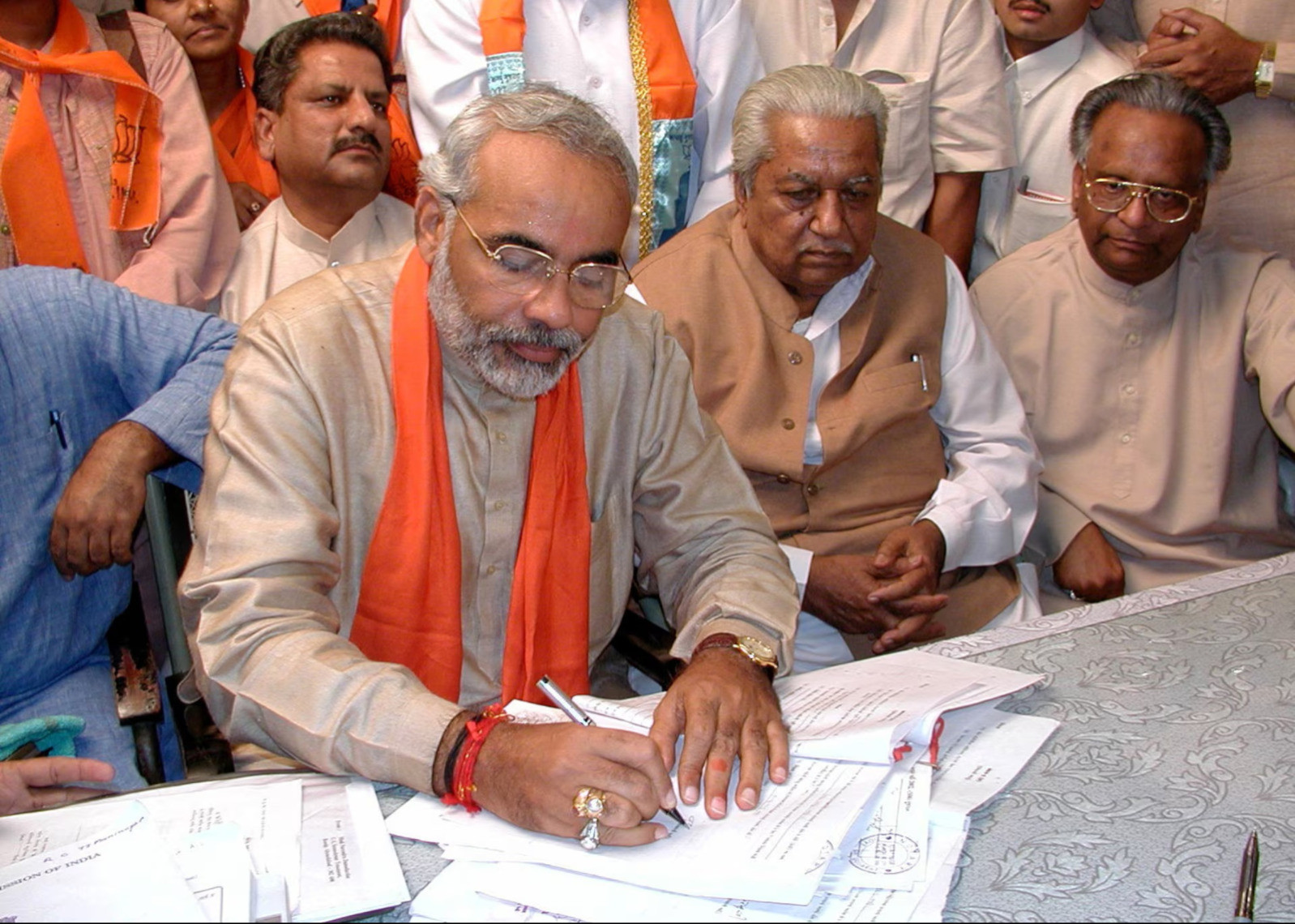
Moreover, it is also important to remember that Keshubhai Patel was the first to describe the then Chief Minister Narendra Modi's rule as a Mini-emergency on June 22, 2004. At that time, Narendra Modi had been in power in Gujarat for barely three years. While speaking to journalists at his residence in Gandhinagar, he made this statement. He accused that,
“In Gujarat, legislators are afraid to express their feelings and there is an atmosphere of fear in the state. And at that time, Keshubhai was still in the BJP.”
Keeping all these points in mind, it appears that Narendra Modi is the Prime Minister and Amit Shah is the Home Minister,
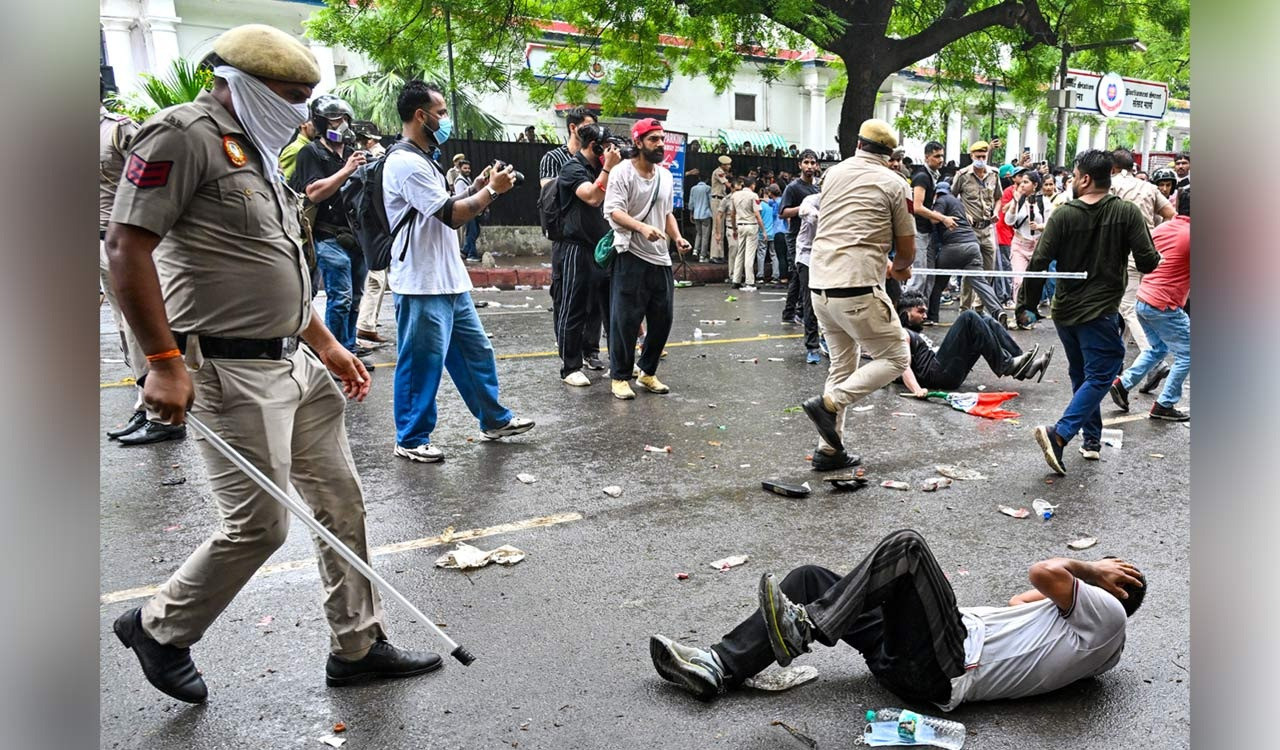
then it would indeed be surprising if there is no baton charge, no pellet guns used, no tear gas shells fired, no water cannons deployed, and no arrests made in the current movement regarding SIR.
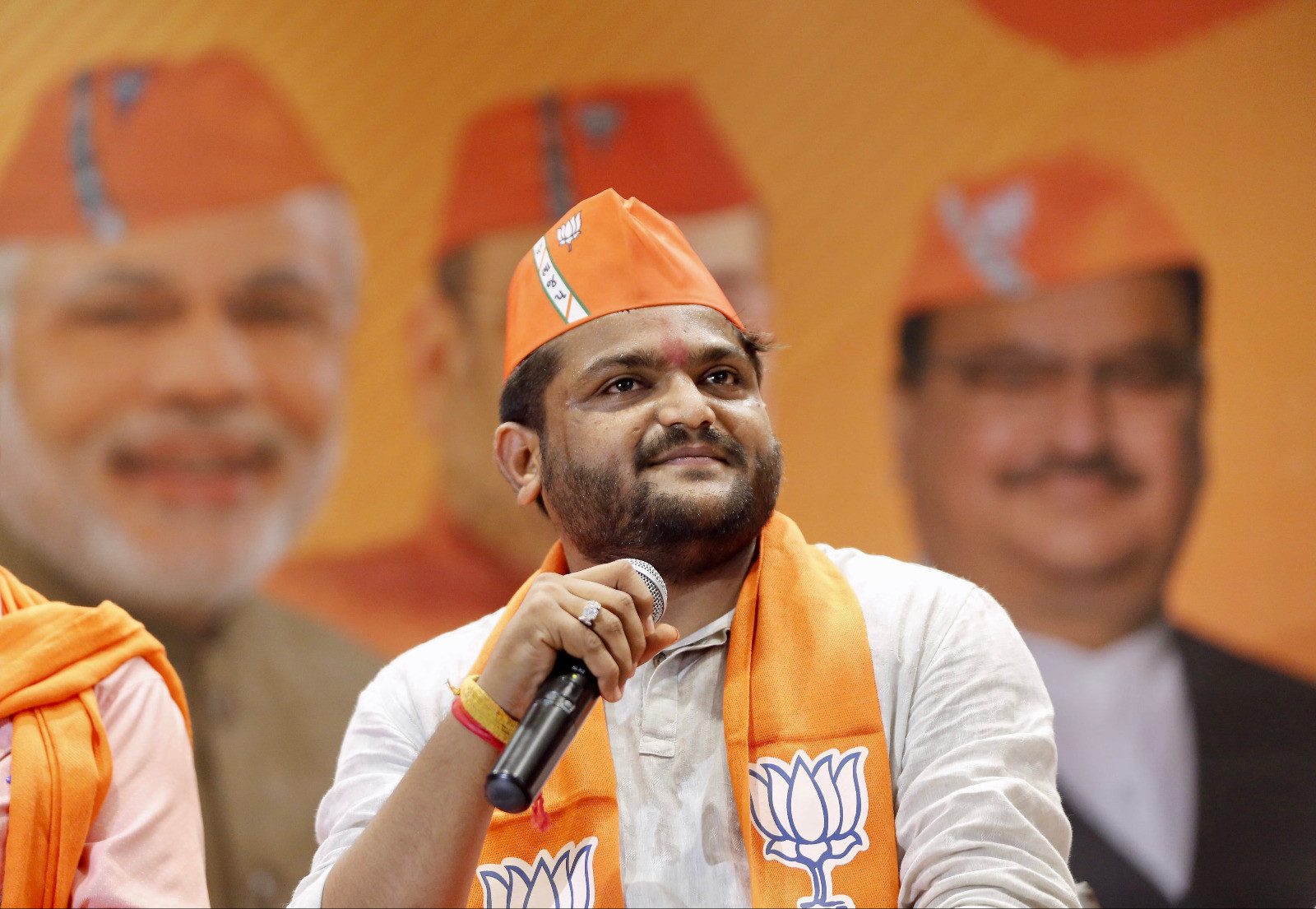
It is noteworthy that all cases against Hardik Patel have recently been withdrawn, and after serving as the Vice President of Gujarat Congress for a brief period, he joined the BJP, perhaps out of fear of those cases. He is currently also a BJP MLA.
It is a very important question for Indian democracy that the elected Chief Ministers are present in Gujarat, yet they do not know who ordered the firing.
At that time, the Minister of State for Home was Rajnikant Patel. The implication of Nitin Patel's statement also suggests that Rajnikant Patel was also unaware of it. Nitin Patel claims that he still does not know who ordered the baton charge and firing, and this remains a mystery.
It is noteworthy that he was the Deputy Chief Minister in Vijay Rupani's cabinet. Now the question that has arisen at the national level is, who ordered the police repression at Jantar Mantar on July 20? This question must be answered.
Pro. Hemantkumar Shah
प्रो शाह जाने-माने अर्थशास्त्री हैं और गुजरात में लंबे समय तक अध्यापन के बाद लेखन और सामाजिक कार्यों में सक्रिय हैं।