What does Netanyahu's defeat mean for Israel?
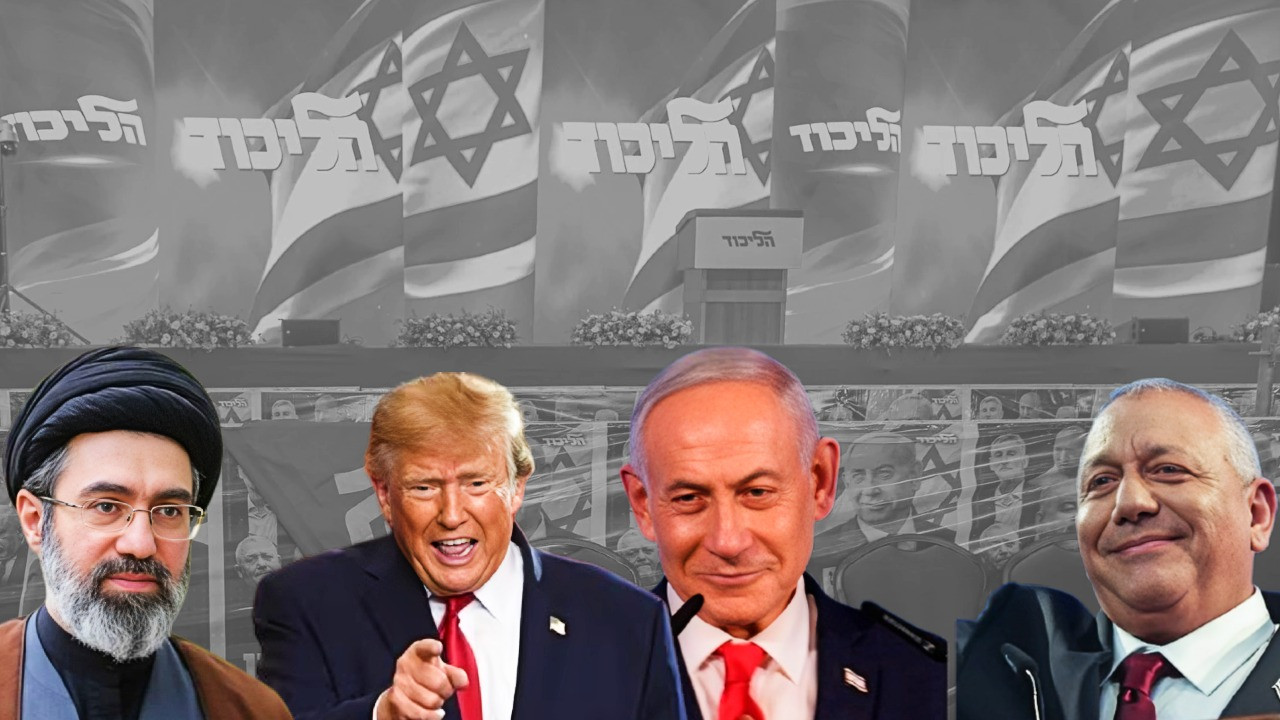
Despite Netanyahu's defeat, the prospects of war remain unchanged.
There is no particular reason to view the recent election results in Israel as a democratic change or as a possibility for peace in the region. The election results once again indicate that the dominance of Zionist ideology remains intact in Israeli politics. Nearly 90 percent of the votes went to parties considered part of the Zionist political stream. The difference among these parties primarily lies in the intensity of their approach and policies towards Palestinians. On one hand, there are political forces that talk about the complete destruction of Palestinians, while on the other hand, there are those that support their displacement from their land. In this political landscape, forces that genuinely commit to Palestinian rights, equal citizenship, and regional peace appear extremely weak.
One significant aspect of this election is the limited popular support for Israel's center-left and left politics. According to the presented data, the center-left, i.e., the Democrats, received approximately 6.4% support, while the support for leftist politics advocating for equality and coexistence with Arab-Israeli citizens was limited to about 0.9%. This difference highlights the ideological boundaries present in Israel's political system. Here, the center of political debate is not the question of equality with Palestinians, their political rights, and freedom, but rather the existing structure of the Israeli state and security-related priorities.
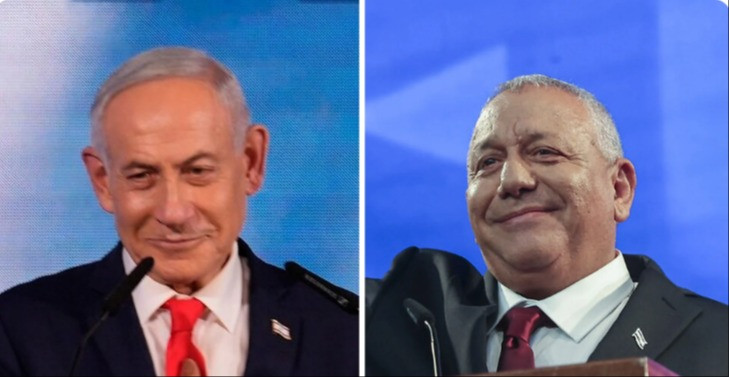

In this situation, it is difficult to expect a fundamental change in Israel's Palestinian policy or in the politics of West Asia merely due to a change in government. The coalition led by Benjamin Netanyahu did not receive a clear majority in the elections, but this does not mean that his political ideology faced a significant challenge. A significant part of the opposition politics also does not adopt a clearly liberal stance on the question of a free Palestinian state and power-sharing with Arab political parties. Therefore, it would not be appropriate to consider the politics emerging as an alternative to Netanyahu as inherently peace-oriented.
The most evident example of this is the hesitation of Israeli political parties to form alliances with Arab parties. Arab citizens constitute a significant part of Israel's population and have the right to vote. Despite this, mainstream political parties remain apprehensive about forming a government with their support. One reason for this is the fear that collaborating with Arab parties may alienate their Jewish voters. Thus, while citizenship and the right to vote exist in the democratic system, the possibilities of translating that right into power-sharing and political representation appear limited.
The question of those of Palestinian origin who have obtained Israeli citizenship is also significant. Approximately ten percent of the total Palestinian population has been granted Israeli citizenship and the right to vote. However, there remains discomfort in Israeli politics regarding their political participation and representation. In this situation, the question is not only about electoral representation but also about the extent to which real political equality for Arab citizens is acceptable within Israel's democratic system.
After the elections, Netanyahu is currently serving as the caretaker Prime Minister. No political coalition has been able to secure the clear majority of 61 seats necessary to form a government in the 120-member parliament after the elections on October 27. According to a Reuters report on October 29, Netanyahu's coalition had 53 seats, and opposition parties also faced the challenge of forming a government. The opposition politics led by Gadi Eisenkot may need the support of Arab parties to form a government, but there is political resistance to forming such a coalition. Thus, the deadlock created after the elections is not merely a matter of seat numbers but is also related to the acceptance of Arab parties within Israel's political system.
Amid this political instability, the question of military confrontation with Iran has again become significant. After the election results, Netanyahu retains the capacity to take military action as the caretaker Prime Minister. A report by the Financial Times on October 29, citing Israeli security experts, stated that Netanyahu could order new attacks on Iran even after the elections. According to the report, U.S. approval and cooperation would be crucial for such actions. A potential military campaign against Iran and the subsequent responses could widen regional conflicts.
In this political and military context, there is also a concern that a new confrontation with Iran could alter the political polarization that has emerged within Israel. If Iran retaliates and military conflict resumes, issues of security and nationalism could come to the forefront of domestic politics. This could pose new challenges for the coalition led by Eisenkot, potentially leading to its collapse and allowing Netanyahu to gather a majority.
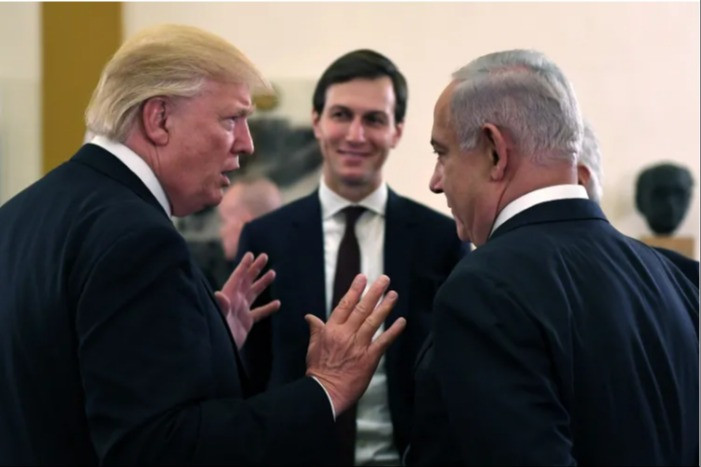
It is also essential to view U.S. President Donald Trump's West Asia policy in this context. Trump's priority is not to strengthen democratic systems in the region but to support governments and leadership that align with his political and economic interests. Questions have previously been raised regarding Kushner's investment company Affinity Partners and its investments in West Asia. An investigative report by CNN in October 2026 mentioned potential conflicts of interest between Kushner's investment stakes in Israeli companies and his political role as a mediator. Trump would likely want to see Netanyahu in power to safeguard his and his associates' investments.
The upcoming date of November 4 is also significant in this context. The direction of military and political circumstances in West Asia around the U.S. midterm elections will also be determined by the results of those elections. Currently, the U.S. is conducting sporadic bombings on Iran and awaiting a response, while reports of diplomatic efforts and contacts with Iran are also emerging.
Britain and Australia have also issued security advisories for their citizens regarding regional conflicts. Their official advice includes caution regarding potential military tensions, closure of air routes, disruptions in flights, and the availability of essential food, water, and medicines. Clearly, the prospect of war has not been averted.
Considering this entire sequence of events, it is insufficient to understand the election results in Israel merely as Netanyahu's victory or defeat. The crucial question is whether there exists a strong political basis for Palestinian rights, equality for Arab citizens, and regional peace in Israeli politics. The post-election circumstances do not currently inspire such hope. The face of power may change, coalitions may break, and new alliances may form, but until the question of Palestinian rights and equality occupies a central place in the political system, it will be difficult to consider a change in government as a decisive shift towards peace.