
Sonia Gandhi's 'Belonging: A Journey of Love' sparks mixed reactions

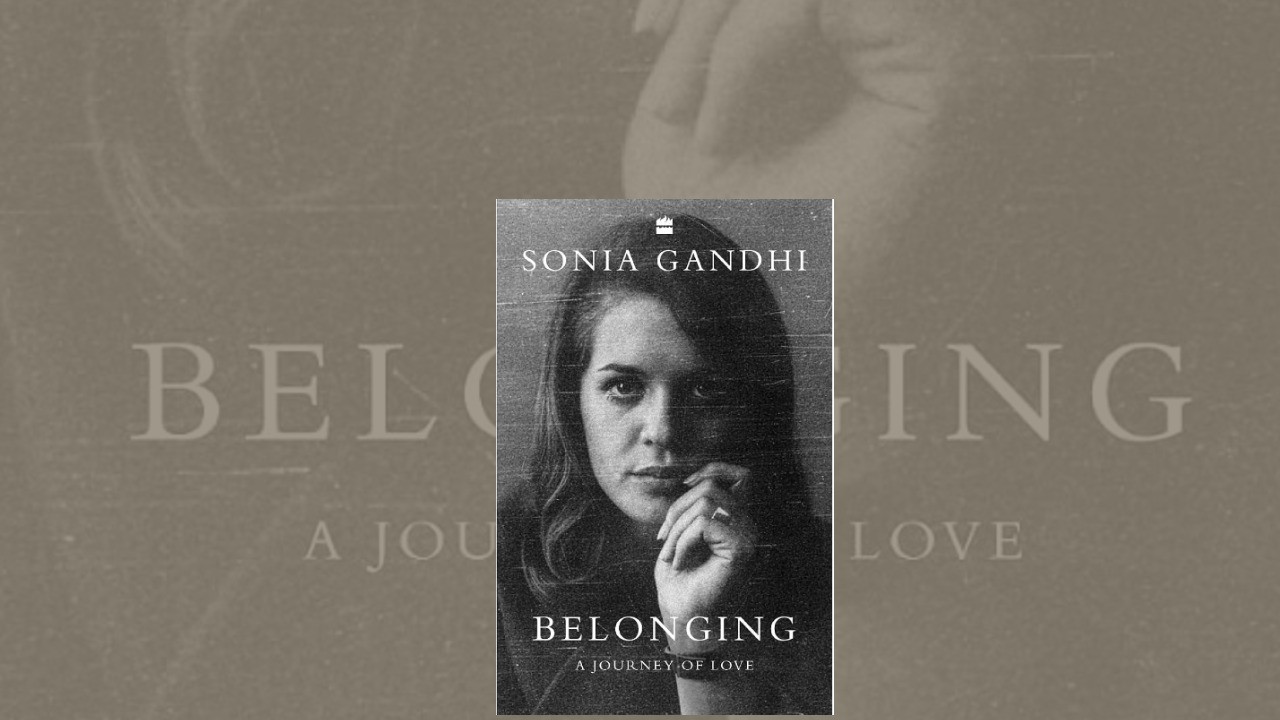
The release of Sonia Gandhi's autobiography has triggered a wave of praise and criticism.
It is difficult for every task to be easy,
for a person cannot even become a human.
Congress leader Sonia Gandhi's book is out in the market, and at first glance, it seems to tell the story of a journey filled with many ups and downs. A tale of love, immense loss, and living life amidst all of this.
In the preface, Gandhi writes that friends and family encouraged her to write about her experiences. "They inspired me, arguing that my story was unusual, a girl from a small town in Italy who established herself in India, saw, understood, and later became a part of historical events and changes in the country."
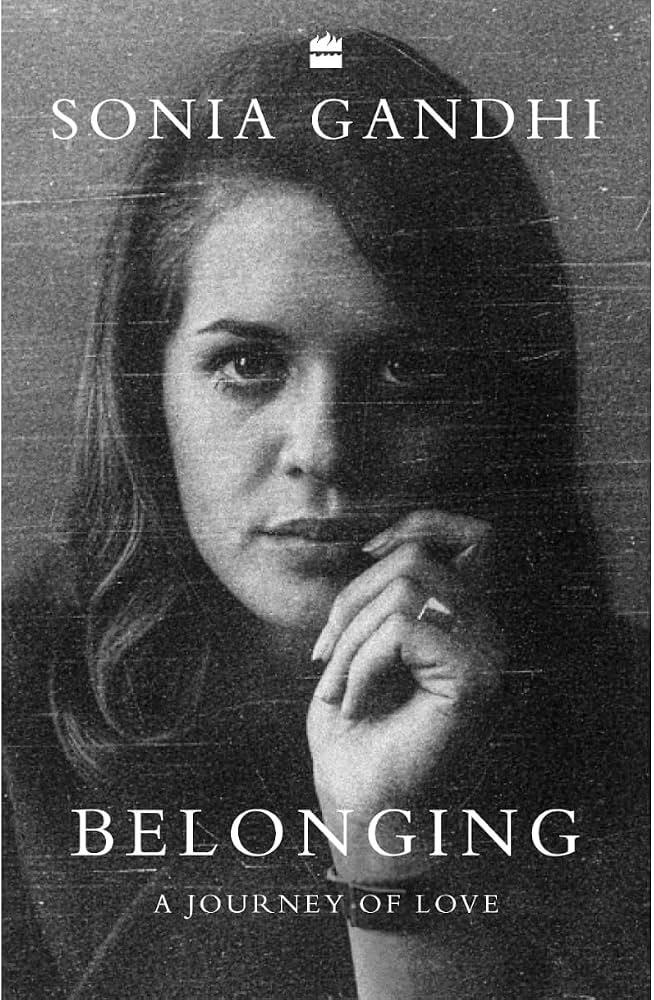
The book contains chapters about her life in Italy after World War II, her stay in Cambridge, work, education, marriage, and finally her journey to India, viewing the country first from the periphery and then from the center of power. It reflects on the Emergency, Operation Blue Star, and the assassinations of her mother-in-law and former Prime Minister of India, Indira Gandhi, and later her husband, Rajiv Gandhi, and how that era affected her and what shaped her bond with the country.
It includes poignant glimpses of Gandhi's personal grief, such as the loss of her first child who died shortly after birth. This was the first son that she and her husband, former Prime Minister Rajiv Gandhi, lost more than a year before the birth of Rahul Gandhi.
She has also mentioned chapters related to the Babri demolition and the nation's crumbling sensitive communal fabric, which was under severe pressure from such events. The book is published by HarperCollins India, where she also discusses her struggle with cancer diagnosis and the effort to stay away from media headlines and protect her privacy. She recently mentioned in an interview that she prefers to keep her personal life private.
Regarding Prime Minister Narendra Modi, she states that it is a struggle between two visions of India, not personal rivalry as portrayed by many sections of the media industry. The book was eagerly awaited, and many, including Congress leader Pawan Khera, welcomed it, appreciating it as a bold effort and describing her journey as a politics of love. Telangana government's advisor and senior Congress leader V Hanumantha Rao said that Gandhi embraced Indian culture and followed in the footsteps of Indira and Rajiv Gandhi. He stated, "There was a time when she had the opportunity to become the Prime Minister of India. However, she declined the position. Her priority was to work for the welfare of the poor, not to remain in a position of power." He urged the youth, especially young women, to read the book.
However, criticism comes along with praise, and in this case, BJP national spokesperson C.R. Kesavan has strongly criticized it. Speaking to X, the BJP national spokesperson stated that this book seems to attempt to downplay the actions of the Nehru-Gandhi family during the years of the Emergency, and Mrs. Sonia Gandhi's memoir should be referred to as 'whitewashing' rather than 'Belonging.' He mentioned that the Emergency was a dark period where people's rights were stripped away, and not only that, but the facts related to the anti-Sikh riots and the Bofors scandal were also not mentioned by Mrs. Gandhi in her book, and she should have taken responsibility for what the country had to endure because of these events.
Ultimately, Gandhi's memoir is a diary of six decades of political change in India, from the era dominated by Congress in 1968 to the current era of governance by the Bharatiya Janata Party. Now that the book is in the public domain, readers will have to read it and decide what they think about it.