
Will Bombay High Court's ruling make it easier to criticize the government?
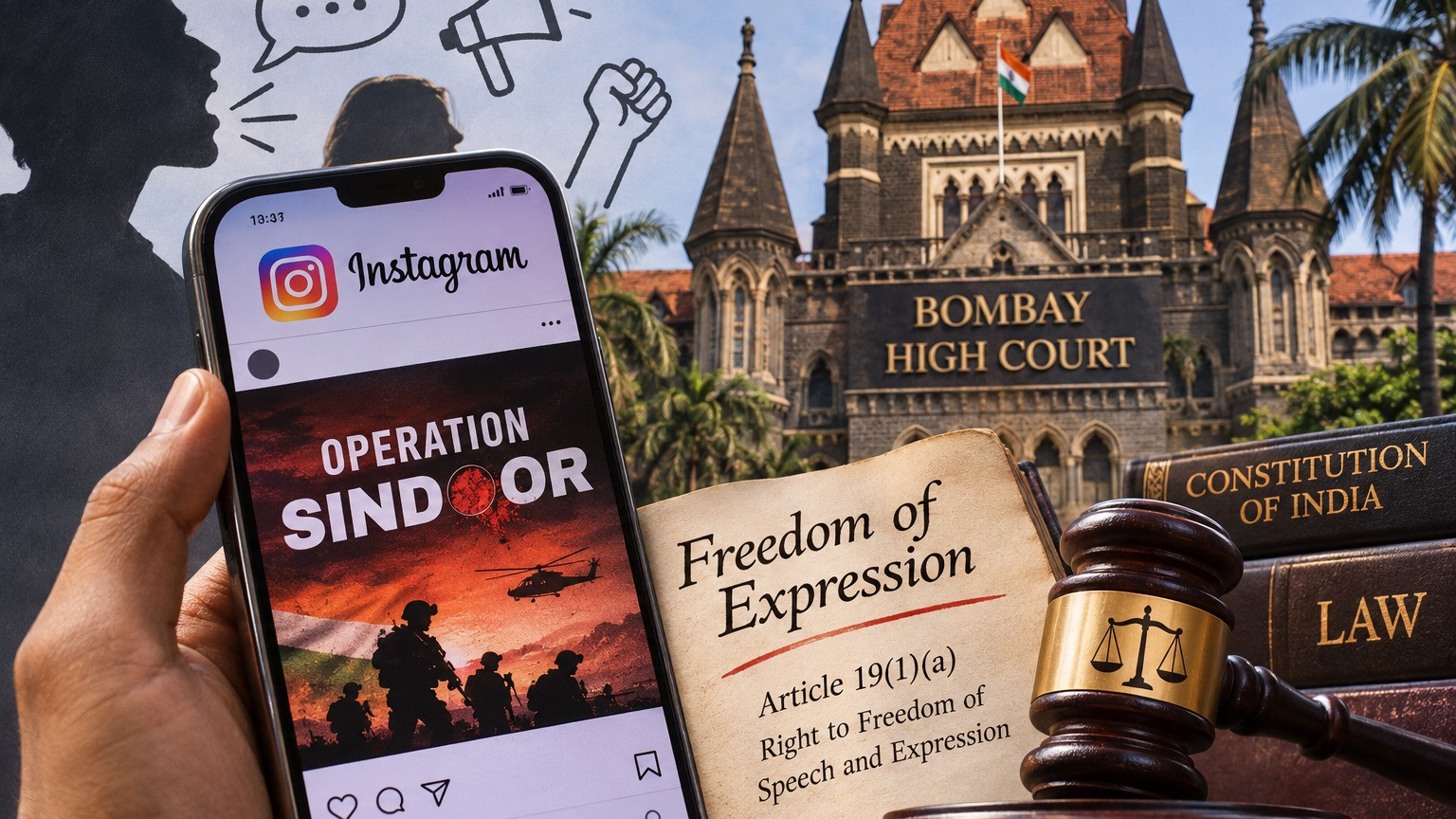
The Bombay High Court has quashed an FIR against a 20-year-old engineering student from Pune, filed after her social media post on Operation Sindoor.
The Bombay High Court has quashed the FIR registered against a 20-year-old engineering student from Pune last month. She had posted on social media about Operation Sindoor last year, which led to the police filing the FIR. The court stated that “this is a mistake made in youth and cannot be considered a deliberate criminal act.”
The student had reposted that post from 'Reformistan'. 'Reformistan' is a digital platform run by Dr. Marib Iftikhar in Pakistan, focusing on human rights, the rights of minorities in Pakistan, and social reforms. The post in question criticized the stance of the Indian government regarding Operation Sindoor. This girl from Pune had reposted it on her Instagram account. The police had arrested her, claiming that the post was related to religion and religious sentiments, thereby causing communal tension. However, the court had granted her bail, allowing her to take her exams at college.

Justice Milind N. Jadhav also mentioned in the ruling that the complainant did not have fundamentally sufficient facts to prove their case to the police. This decision was made concerning the petition filed by the student to quash the FIR. The girl stated that a post had appeared on Instagram, which she had reposted. She had no malicious intent and deleted the post within two hours, publicly apologizing as well. This implies that she might have agreed with the content of the post but was scared and removed it from her account. As if no criticism of the government or army can be tolerated!
Due to this controversy, the Sinhgad Academy of Engineering had expelled her from the institution. However, the court had also quashed that decision by the college. The police had stated that the student shared a post on her Instagram account that was about the war between India and Pakistan. The justice also noted that “the mere apprehension that a post will cause ‘discontent or outrage’ does not constitute sufficient grounds for filing a criminal complaint.”
In this case, it can be said that the police acted hastily in registering the case and arresting the girl. The question is that it was an act on social media that could be considered almost innocent, yet the police rushed to take action! This caused the girl's parents to spend time, energy, and money. Moreover, it created stress in their family and in the girl's mind for a long time. The question is whether any criticism of actions taken by the army can be made in a democratic country or not? Is it a civil right or not?
Take an example: currently, the United States and Iran are embroiled in war. Iran is not a democratic country; it is a religious dictatorship. But the United States is a democratic country. If a post criticizing this war by the United States is written in Iran, and an American citizen reposts that on social media, does that mean they agree with the original post or want to convey that post to the American people? The fundamental question is whether anyone in the world who criticizes the U.S. government should have the right to support that criticism in a democratic country like the United States or not? Should such a right also exist in a democratic country like India or not? The United States and India are not dictatorial countries.
Furthermore, arguments made by the police, such as that criticizing the government makes one a traitor, seeks to create tension in the country, and that only the government or police are patriots, are entirely fabricated. Every citizen should have the right to criticize or evaluate any action of the government—including military actions—on the basis of merit. One reason for this is that the expenditure on the military also comes from citizens through taxes or loans to the government. Citizens of any democratic country, including India, should certainly have the right to evaluate why Operation Sindoor occurred, what was achieved, and whether what happened was beneficial for India or not. It can be said that the Bombay High Court has recognized that right.
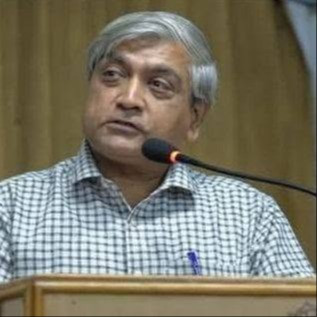
Pro. Hemantkumar Shah
प्रो शाह जाने-माने अर्थशास्त्री हैं और गुजरात में लंबे समय तक अध्यापन के बाद लेखन और सामाजिक कार्यों में सक्रिय हैं।