
Suspected attack on Saudi tanker in Hormuz, Indian sailor safe

India's Shipping Minister Sarbananda Sonowal stated that the government is monitoring the situation closely.
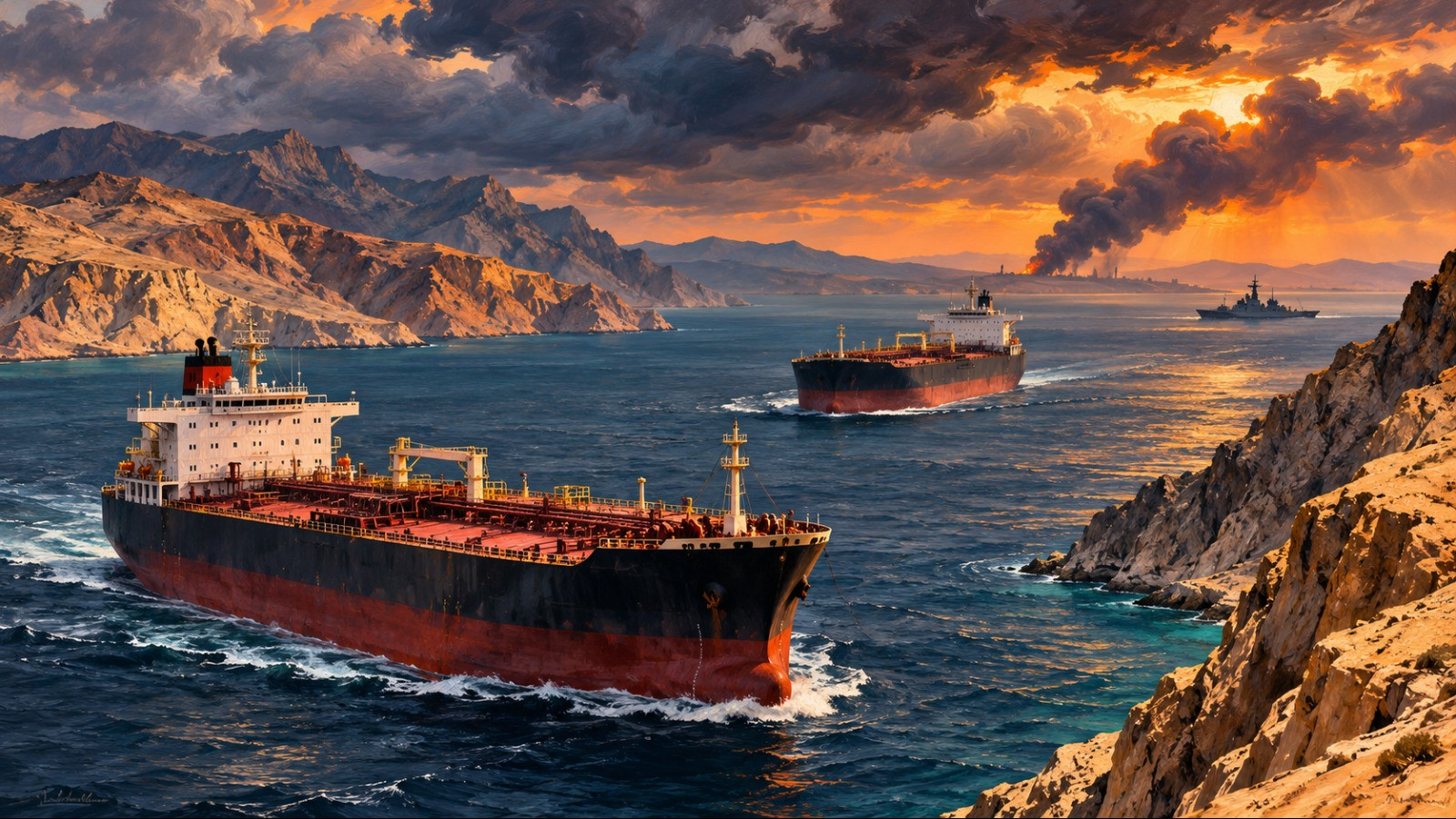
Reports of a possible attack on the Saudi Arabian-flagged oil tanker NCC FAJR passing through the Strait of Hormuz emerged on November 11. According to Union Minister for Ports, Shipping and Waterways Sarbananda Sonowal, all three Indian sailors aboard the ship, along with the rest of the crew, are safe. A day earlier, a missile struck another tanker in the Persian Gulf, injuring one Indian sailor. These incidents over two days have raised concerns for India regarding the safety of sailors and the supply of oil and gas.
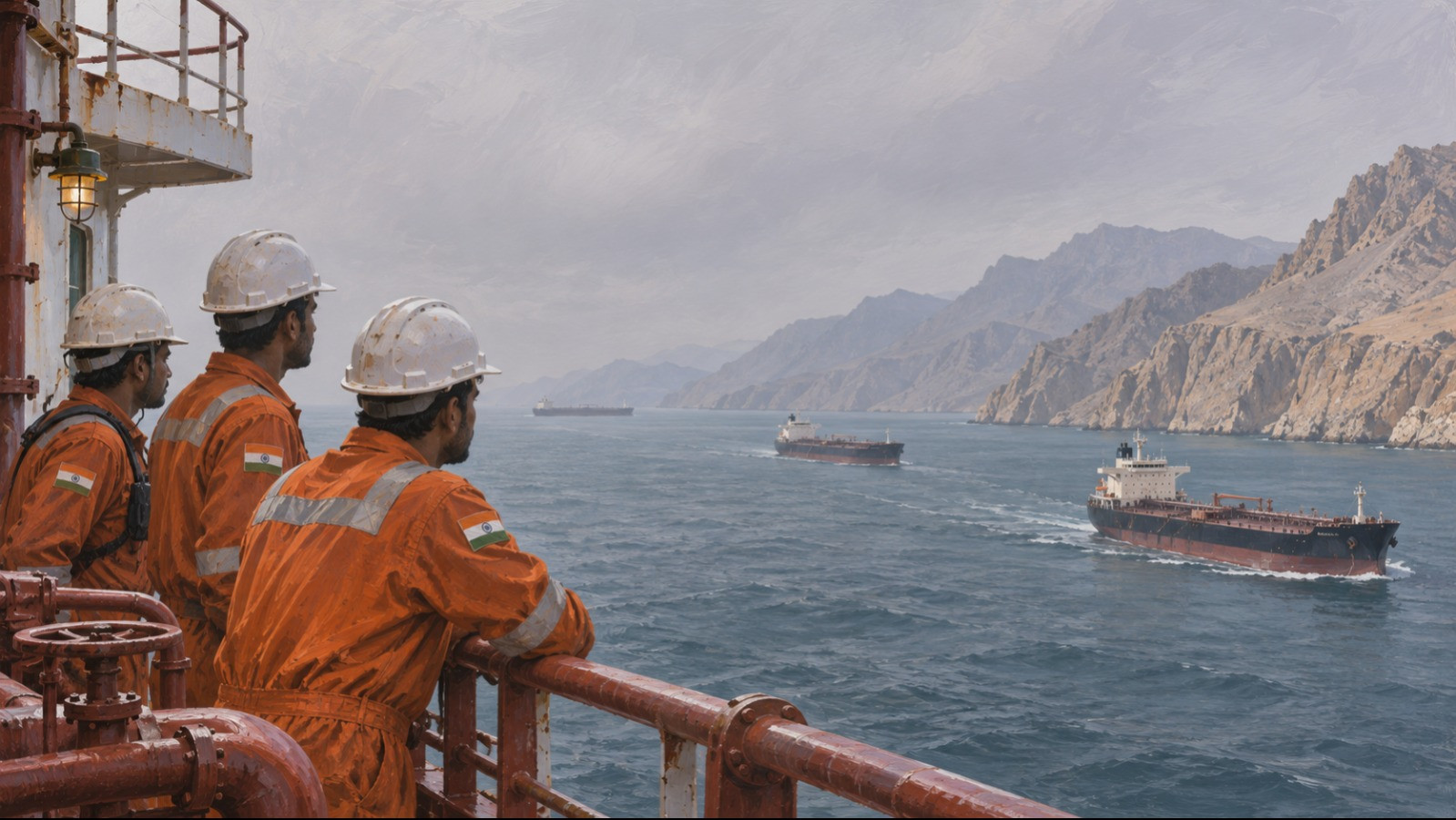
India's Union Minister for Ports, Shipping and Waterways Sarbananda Sonowal stated that the Indian government is monitoring the situation and is in regular contact with the company managing the ship. As of the morning of November 12, public information confirmed the safety of all three Indians. Their names, details of any potential damage to the ship, and information about its arrival at any port after the incident have not been made public. There has also been no confirmation regarding the ship's anchorage in Hormuz or the sailors being stranded there. According to maritime security firm Vanguard Tech, the exact location and circumstances of the incident are still unclear.
Ships are still passing through Hormuz, but there is significant volatility in traffic. According to Reuters, shipping data company Kpler recorded the passage of five cargo ships on November 7. On November 8, no ships were recorded in its data. The previous weekend, 31 ships had passed through. This decline comes at a time when the number of tankers carrying liquefied natural gas (LNG) from the Gulf had increased from 23 in September to 31 in October. Thus, even after a temporary increase in traffic, new attacks could slow down ship movements again.
The International Maritime Organization (IMO) confirmed 134 incidents and 25 sailor fatalities in the maritime area around Hormuz as of November 11. The United States has stated that it is currently avoiding any major attacks on Iran, but the U.S. naval blockade at Iranian ports continues. Tehran claims that there are currently no negotiations with Washington. In this situation, it remains unclear when safe and regular passage for merchant vessels will be restored.
According to the International Energy Agency, an average of about 20 million barrels of crude oil and petroleum products passed through Hormuz daily in 2025. India has diversified its sources of crude oil by increasing supplies from Russia and boosting purchases from Africa and Latin America. Kpler estimates that India's crude oil imports were expected to reach between 54 to 56 lakh barrels per day in October. When supplies of cooking gas (LPG) from the Gulf were disrupted, India also sought additional shipments from countries like the United States, Norway, and Canada. Finding alternative suppliers reduces the risk of shipment shortages. However, if disruptions persist, transportation and insurance costs may rise. A signal on the gas front comes from Qatar. According to Reuters, in October, Qatar's LNG traffic through Hormuz was about one-third of pre-war levels. The impact on retail prices of petrol, diesel, and cooking gas in India will also depend on how much of the increased costs are passed on to consumers.
India has mentioned its 24/7 maritime contact center at the IMO and arrangements to monitor the status of sailors. These arrangements should now be used for regular information sharing between ship management companies and Indian embassies, to provide verified information to families, and to arrange for medical treatment or safe return if needed. India has also proposed an international sailor assistance network for emergency information, medical assistance, and evacuation for this purpose.
At the diplomatic level, India has reached out to relevant parties for the safety of civilian vessels and their crews. This dialogue could emphasize concrete issues such as ensuring distressed vessels reach the nearest port and timely medical treatment for the injured. On the energy front, refiners and gas importers will need to account for the availability of alternative shipments along with their costs and arrival times. For India, the first test of improving conditions in Hormuz will be whether sailors can pass safely and whether oil and gas shipments can reach Indian ports regularly.