
Booker Prize: How to live when the world becomes hard to understand?
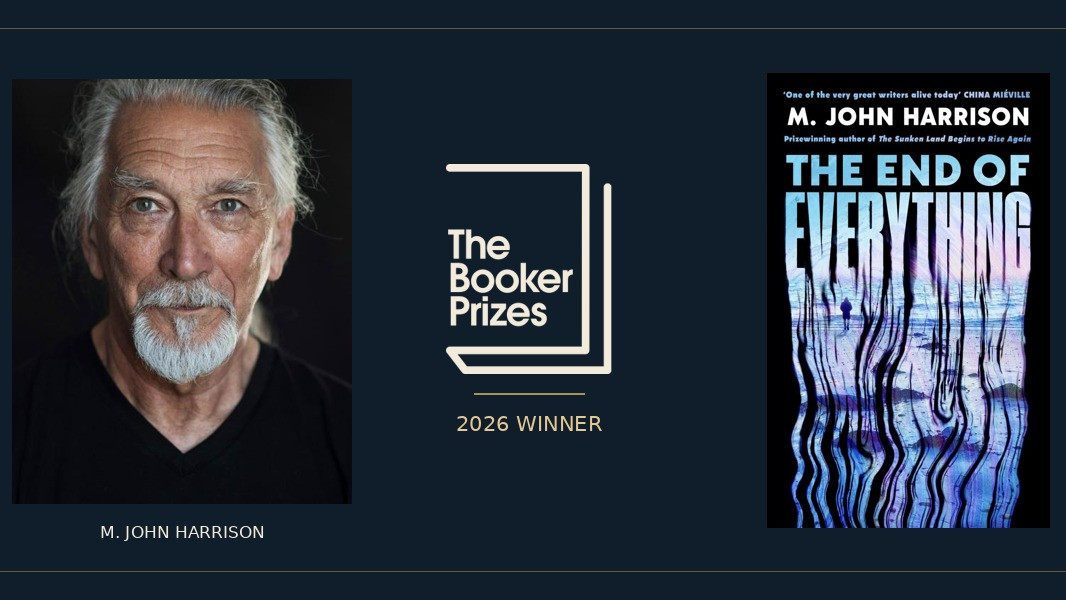
Philip's Rosie lived off the remnants left by others, and one day she too was leaving something behind for someone, reflecting life's cycle.
“What a torment it is that one day we will die”
A woman is walking along the shore with grocery items. One handle of her bag is broken. On the way, she meets Philip Tennant. He has something wrapped in rags under his arm, which he found in the water. The woman asks how the sea is today. Philip responds that one day he will start speaking. He himself does not know why he said that. They both laugh. M. John Harrison's novel The End of Everything captures the end of the world through such an encounter. Something very big has happened, and people are still bringing groceries home.
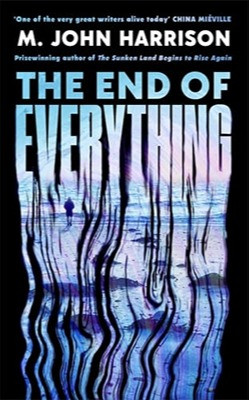
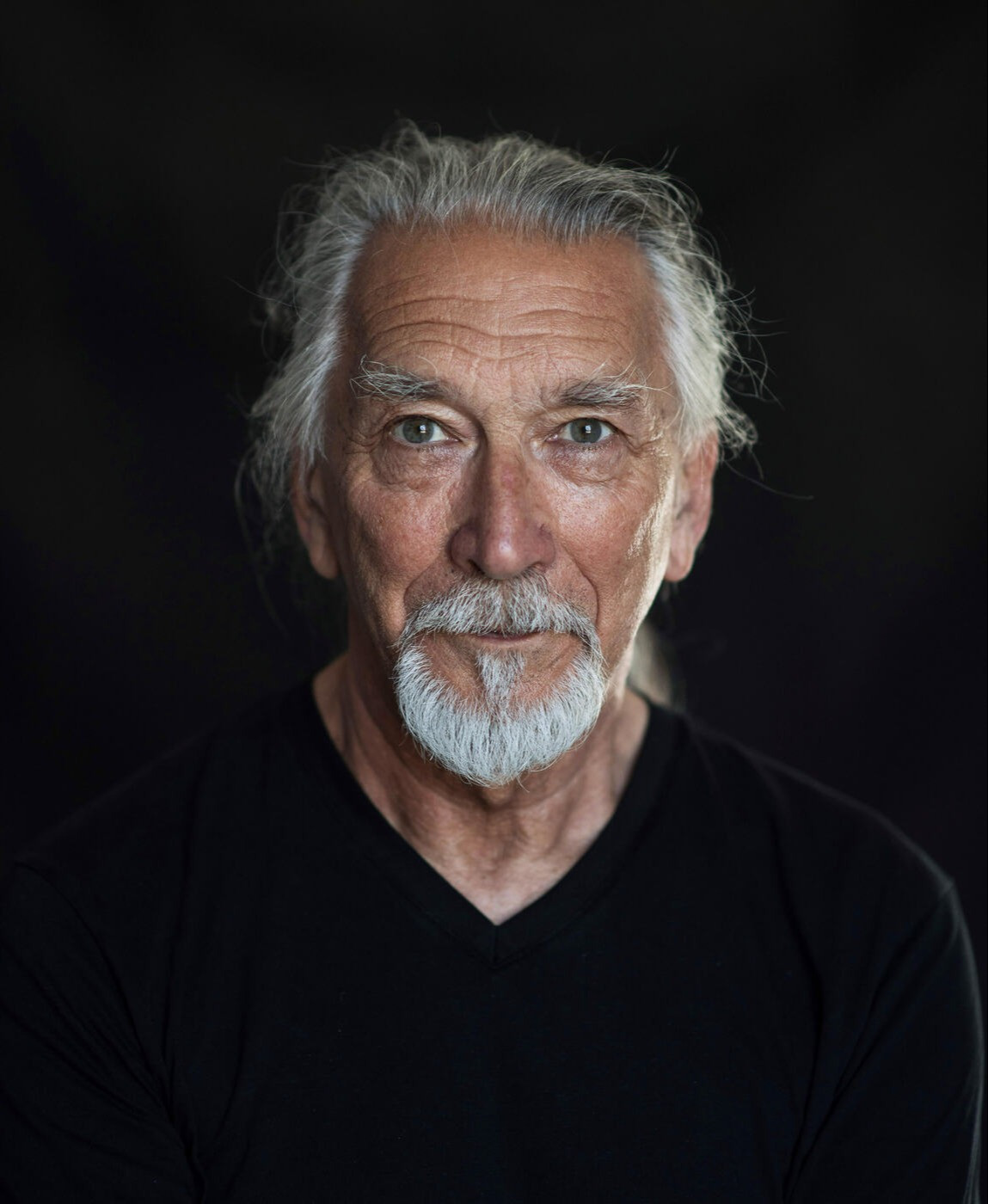
This novel won the Booker Prize on November 9, 2026, in London. At the age of 81, Harrison became the oldest winner in the history of the award. This is the thirteenth novel of the British author, who has been writing for six decades. It was the shortest among the six included in the final Booker list. The judges selected it unanimously. Chair of the judging panel, Mary Beard, stated that Harrison looks at our present politics through the lens of a future world. He found a slight glimmer of hope in this unsettling book.
The story is set in near-future England, years after a mysterious disaster has occurred. The government is barely functioning, unknown creatures are appearing in the sea, and the relationship between continental Europe and England has become an unfathomable puzzle. In this altered world, there is also a mysterious entity called 'Igethi' that symbolizes the change that must happen, as change is the only constant. Even if we cannot digest this fact, it is beyond our control to prevent it from happening. Philip makes a living by selling items washed ashore by the sea, and once he finds something that continuously changes its form and gradually begins to mimic human behavior. Philip believes he will find a buyer for it, and with that hope, he takes it away from the shore. Nature always provides an opportunity for the hungry to fill their stomachs.
Philip's aunt Marnie is an artist, and Philip used to spend his holidays at her house during childhood. After the disaster, both found some solace by reminiscing about those days. Philip goes to her door with the item he found in the sea, although Marnie had already told him not to bring anything like that home, but she still lets him in because she thinks he might be hungry, and a little later, they both eat toast and beans while listening to the sound of rain, just as Mir Anis's elegies teach us that sehri is obligatory for us, and regardless of our mental state and circumstances, ‘life must go on’.
That evening, Marnie mentions a red-breasted bird that had come into her kitchen in the morning to eat ants. She can describe where the bird sat, but she cannot remember its name. Philip tells her that it is a robin and that such birds have always come to their garden. Marnie's own memory and the changing outside world come close to each other in this scene. In a story where people are trying to understand a complete disaster, remembering the name of a familiar bird feels like recalling one's presence through experiences, that we have seen that world, which is gradually coming to an end, or is no longer as we knew it.
According to Harrison, the initial inspiration for the novel was the financial crisis of 2008. He was interested in how people live when a society lacks reliable answers to explain its own experiences. It can also be seen as the fear of the elite class of society, which is apprehensive about imagining a time when they will no longer have the privileges they have been accustomed to for generations, viewing them as their right, even though these rights do not fall within the realm of ‘natural justice’. Amid these interpretations, the concerns of Harrison's characters are everyday, and they must decide whom to trust, where to stay, and how to survive tomorrow.
The Guardian noted Michelle Faber's attention to Harrison's precise descriptions and the silences left between them. In some dialogues, the philosophical voice of the author is heard more than the characters. The impact of this style is evident along the shore. The scene of white sand flying in the air is clear, but the massive thing Philip senses coming above the water is known to the reader just as much as it is to him. The detail of the scene deepens that uncertainty.
As Philip leaves the shore, he tells a stranger woman that they can use whatever items are left behind. Philip's livelihood depended on the things left by others, and then one day he was perhaps leaving something for someone else; this is how the cycle of life continues. A glimpse of the hope that Mary Beard spoke of is here. Philip knows very little about the coming world, but he knows enough that after he leaves, someone might need his things. The beginning of human civilization was said to be when someone helped someone else.
"Drowned by my being, what would have happened if I had not existed?"

Varun Kant Sharma
वरुण कांत शर्मा 'द क्रेडिबल न्यूज़' में कंटेंट राइटर के रूप में कार्यरत हैं।