
Punjab faces a crisis beyond a single murder
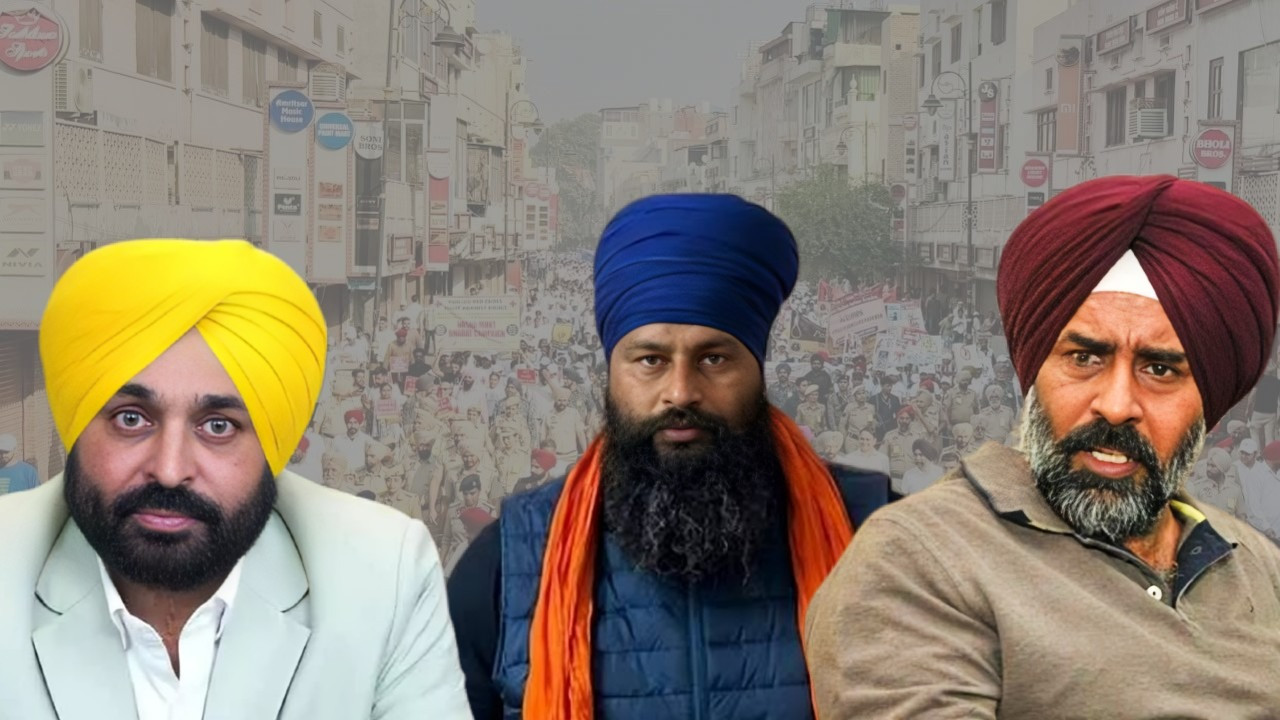
Even a week later, the last rites of Parvinder Singh Jhota remain pending.
The murder of Parvinder Singh alias Jhota is not just an incident of law and order, but a test of citizens' safety, government action against drugs, and the moral accountability of power. The bitter truth behind the shadow of the 'staunchly honest' government in Punjab stands questioned on the ground after this death, while the government considers evasion of reality as a strategy.
Who will ensure the safety of citizens raising their voice against drugs?
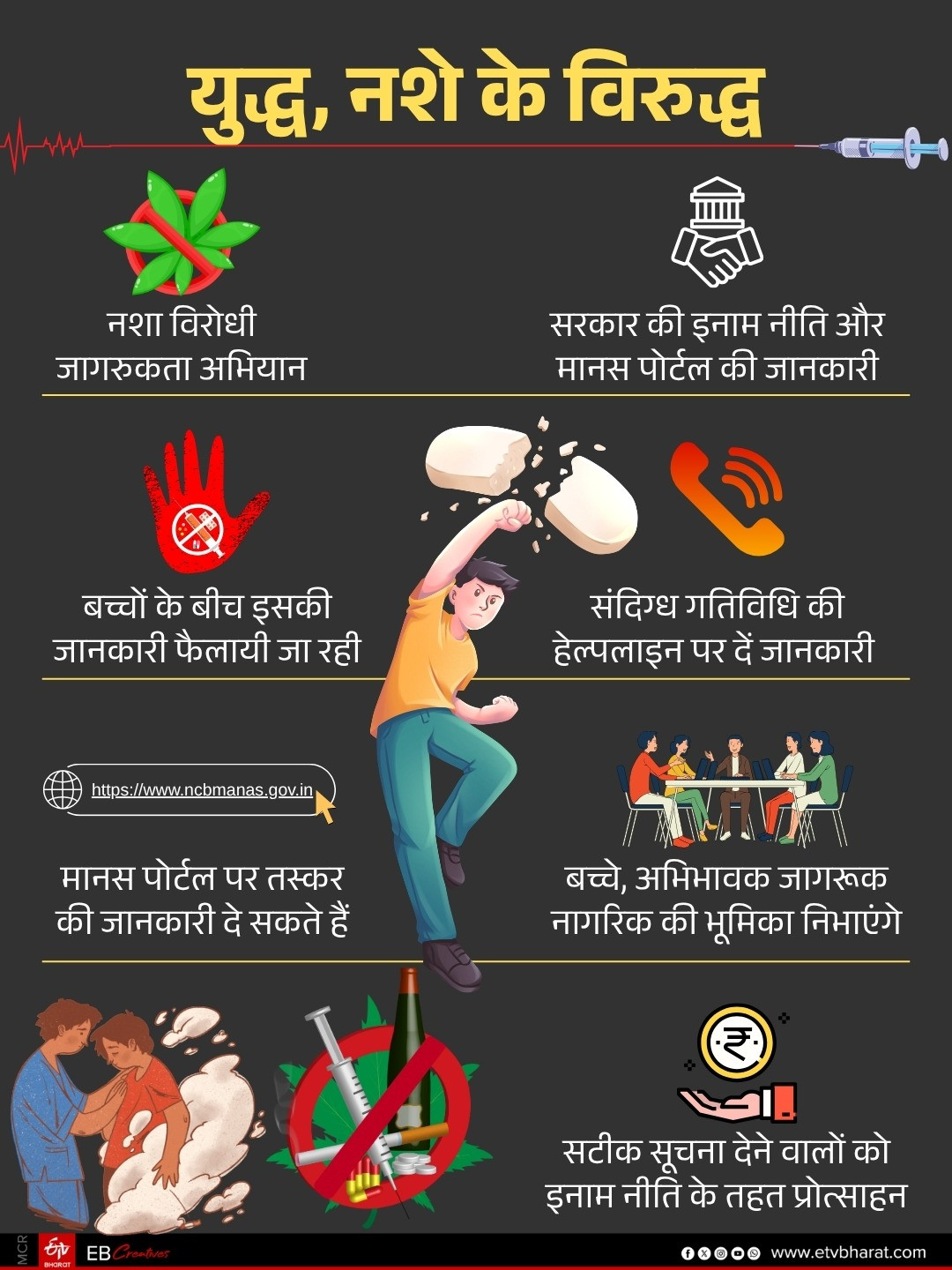
When ordinary citizens take initiative in their society, the government's political claims and propaganda of 'war against drugs' contradict themselves.
The murder of Parvinder Singh alias Jhota, who raised his voice against drugs in Mansa, Punjab, has once again put the state's law and order and the government's moral responsibility in the dock. This incident, which occurred on October 13, 2026, has sparked outrage in the state. The police have arrested the accused in the case of Jhota's murder, while the government has assured strict punishment for the guilty. But the question is not just about the arrest of the criminal. The bigger question is, why was the person raising his voice against the drug trade so helpless about his safety? What factors influenced the local administration's neglect? Is there an indirect organized protection system working in parallel?
In a democratic system, the safety of citizens is the fundamental responsibility of the government. When a citizen raises their voice against a social evil, the state's responsibility increases to ensure that their complaint is heard, that there is a fair investigation into the allegations, and that action is taken in a timely manner within the framework of the law. If such a citizen is murdered, mere arrests and assurances of punishment are not enough. It also becomes necessary to know what the administration did or did not do beforehand, and whether there were any serious lapses at any level and why.
Claims of a drug-free Punjab and the ground reality
The issue of drugs in Punjab has been at the center of social, economic, and political discourse for years. Governments have repeatedly vowed to run campaigns against drugs, take action against traffickers, and rescue youth from this crisis. In this context, Jhota's murder poses a sharp question to the government: will the assessment of action against drugs be based solely on arrests, seizures, and propaganda campaigns, or will it also consider how safe citizens speaking out against drugs are and why the government fails to ensure their safety?
The way a single murder has exposed the failure of the entire state's drug policy has raised significant questions about the government's morality. This incident certainly demands a serious review of the institutional arrangements that should aim to ensure citizens' safety and control illegal trade. It is not that the government is unaware of how serious the situation of illegal drug trade is in Punjab.
If an individual had complained about the alleged sale of narcotic substances, it should be clear where the complaint was made, what response the administration provided, and whether the concerned officials fulfilled their responsibilities or not. The answers to these questions should come from solid actions based on facts and independent investigations, not from political claims.
Where does the government's moral accountability begin?
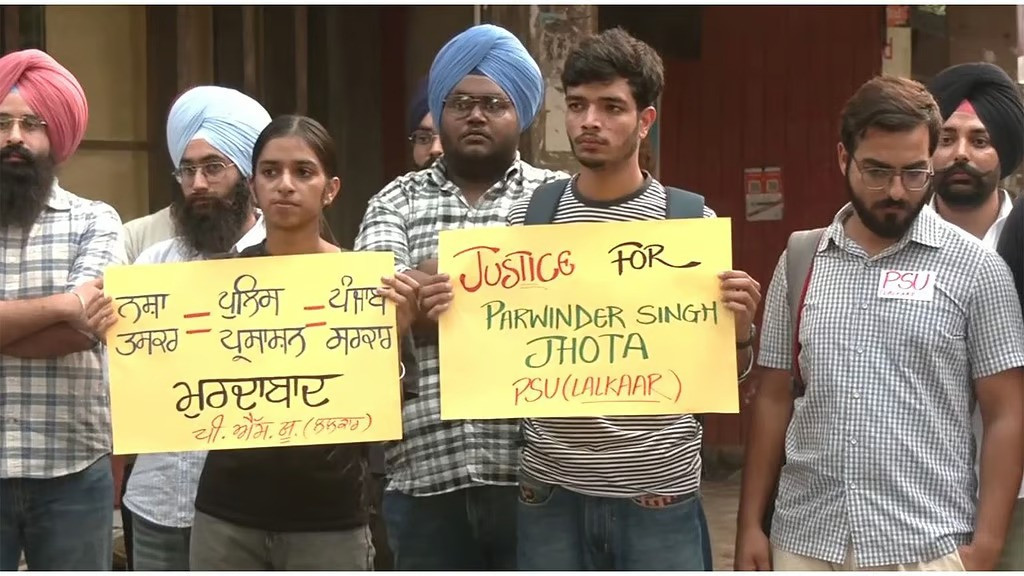
The Chief Minister's and the government's moral responsibility is not determined solely by how quickly a statement is made after a crime. It is also assessed based on how capable the administration is in ensuring citizens' safety, how promptly it acts on complaints, and how much transparency it shows when lapses come to light and what measures are taken to ensure that such incidents do not recur.
After the Jhota murder case, reports have emerged of the suspension of a police officer and the central BJP government seeking a detailed report. The steps taken by the state government could also be seen as mere lip service towards administrative accountability, as their reality will be determined by how impartial the investigation is, how far responsibility is assigned, and what changes are made to prevent such incidents in the future. Recently, the case of Gulzar's suicide in the constituency of Finance Minister Harpal Singh Cheema has put the government's credibility in the dock.
The Chief Minister should provide clear answers to these questions: Did Jhota or his associates previously complain about any threats or illegal activities? If a complaint was made, what action did the concerned police and administrative officials take? Did any officer's negligence, inaction, or improper protection play a role? What concrete arrangements are in place for the safety of citizens raising complaints against the drug trade? How will the government ensure public oversight of the investigation and accountability for this incident?
This is a common and necessary process of democratic accountability that the Chief Minister Bhagwant Mann, along with party supremo Arvind Kejriwal and the entire administration, is obligated to follow.
Opposition's allegations and the government's responsibility
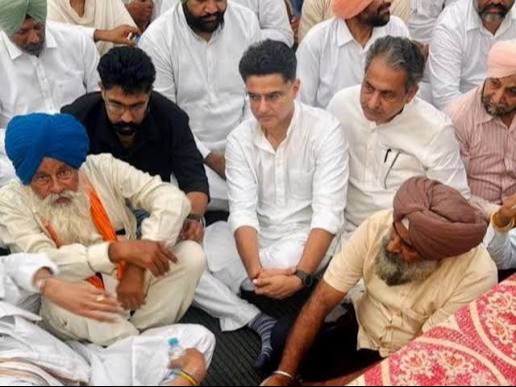
After the incident, opposition parties accused the Bhagwant Mann government of failure in law and order and raised questions about the Chief Minister's moral accountability. On the other hand, the Chief Minister has stated that strict punishment will be given to the guilty.
However, limiting this matter to mere accusations and counter-accusations between the ruling party and the opposition would diminish the social significance of Jhota's death. If the opposition demands accountability, it should respond to the government with transparent actions and verified results based on solid facts and impartial investigations, not through political rebuttals and accusations.
The drug crisis has not been limited to any one government or term. Therefore, the assessment of its responsibility should also be broad. Nevertheless, the current government is accountable for citizens' safety, police administration, and drug control during its term. Past failures do not absolve the present responsibility.
The true meaning of morality
The question of the government's morality should not be limited to the political demand for the Chief Minister to remain in office or resign. The true meaning of morality is to bring the truth to light, assign responsibility, deliver justice to the victim's family, and create a system in which citizens do not have to struggle alone for their safety.
If the investigation reveals serious administrative failure or deliberate negligence, as alleged by Parvinder Jhota's father, then action should be taken against the concerned individuals as per the law and regulations. If the government has failed to fulfill its institutional responsibility, it must also answer publicly. Accountability should be determined not by slogans, but by evidence and action.
After Jhota's murder, the greatest need is for the process of justice to be fair and reliable. No individual or group should be allowed to take the law into their own hands. Demands for justice against violence should also be fulfilled through legal means.
The question is not just about Jhota, but about Punjab's future
Punjab's future is linked to the safety, health, education, and employment of its youth. If citizens working against drugs are fearful, complainants feel unsafe, and trust in the administration weakens, then the social credibility of any campaign against drugs will be affected.
Justice for Jhota's death will not be complete merely by punishing the guilty. It is also essential to create a safe and effective system for citizens who report drug-related issues, ensure police accountability, and take fact-based action against the drug supply network.
The true test of the government's morality lies not in its claims, but in the safety of the citizen who raises their voice against injustice. Jhota's murder has posed this very question to Punjab. The answer must come not from rhetoric, but from justice, transparency, and concrete institutional reforms; otherwise, political self-interest must be set aside to meet the moral test of accepting the consequences of failures.
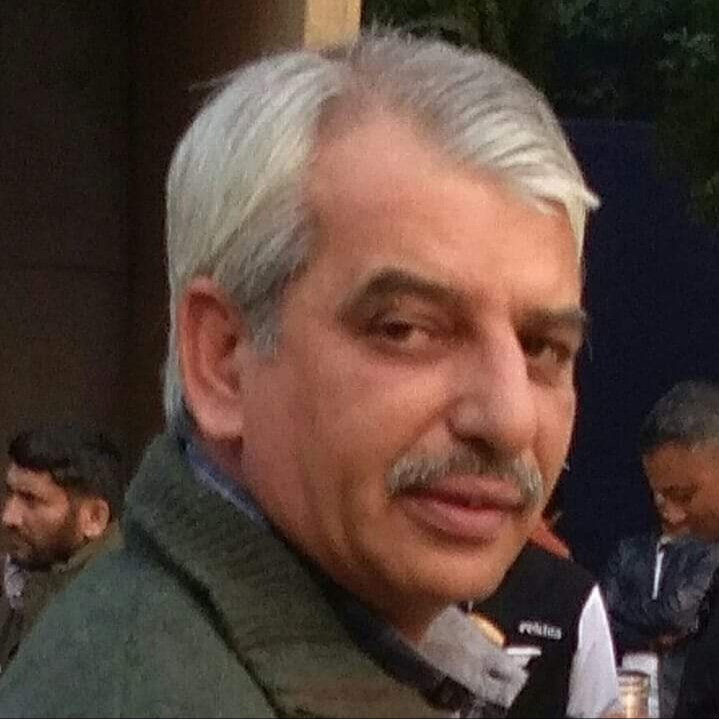
Jagdeep Singh Sindhu
वरिष्ठ पत्रकार और राजनैतिक विवेचक जगदीप सिंह सिंधू राष्ट्रीय हिंदी दैनिक हरिभूमि,पीपल्स समाचार,महाकौशल आदि में वरिष्ठ पदों पर रहे हैं। वह एफ एम रेडियो तरंग 104 के पूर्व स्टेशन हेड तथा पूर्व राज्यपाल सत्यपाल मलिक के राजनीतिक सलाहकार रहे हैं।