
Who will change the situation in Punjab?
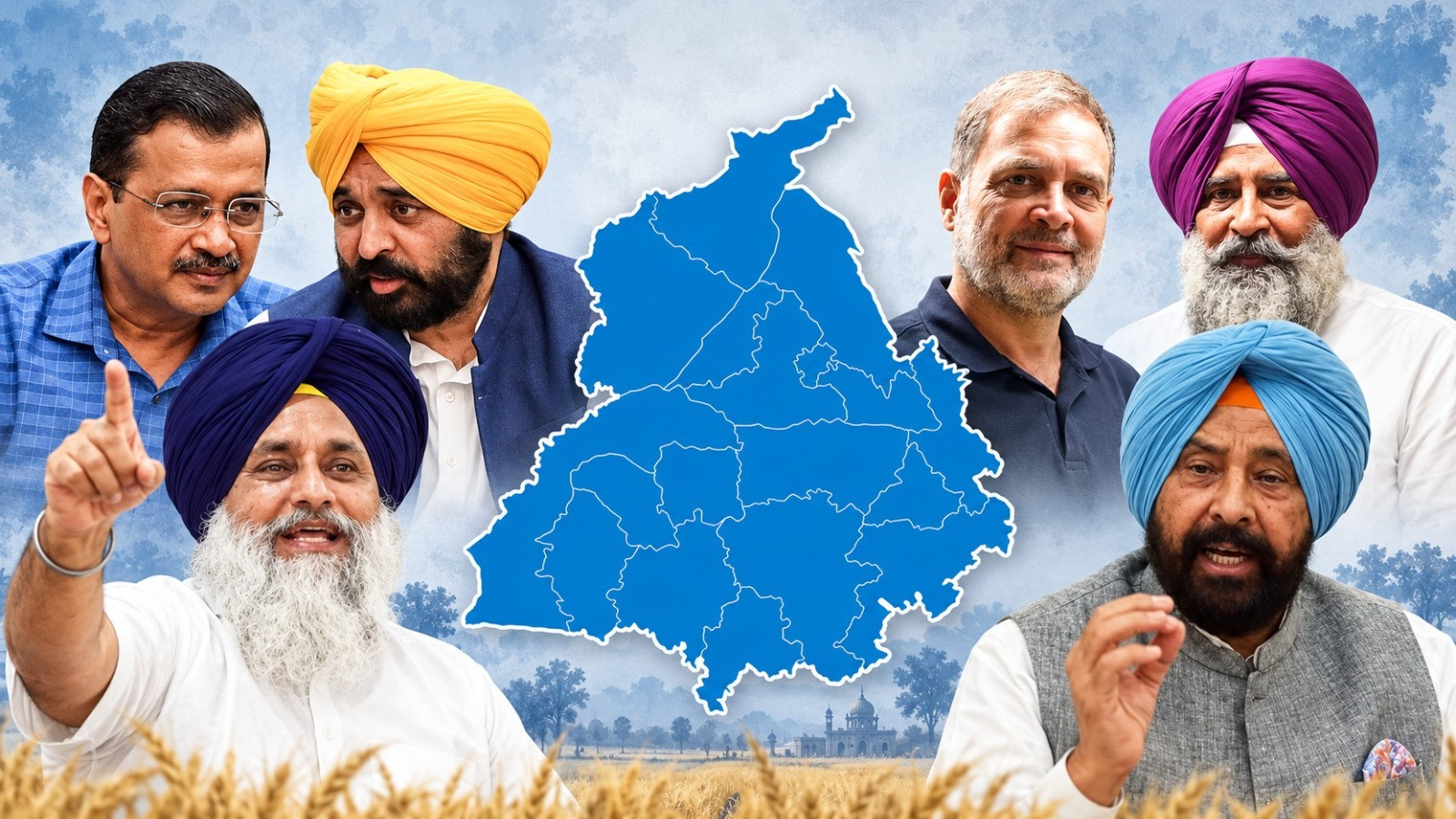
The situation in Punjab is the result of ongoing political failures, not just one government or election.
“When every election brings hope and every government leaves behind unfulfilled promises, then devastation is no longer a mystery; it becomes an account of political failures.”
The story of Punjab is no longer a tale of mystery or puzzle. It is a story of decisions, promises, and mistakes that have been repeated over the years. Once a pioneer of the Green Revolution, this state now grapples with challenges such as addiction, migration, debt, industrial stagnation, and financial pressure. It is easy to view these problems as separate incidents, but when seen together, an uncomfortable truth emerges—
The conditions in Punjab are not the result of a single government or an election, but rather the outcome of continuous political failures.
Punjab stands at a juncture where political change is no longer a new phenomenon. Over the past two decades, voters have entrusted power to different parties—
Shiromani Akali Dal, Congress, and Aam Aadmi Party. Each time, the public hoped that the new government would resolve the old problems. But issues like addiction, unemployment, agricultural crisis, migration, industrial stagnation, and financial pressure have persisted.
Therefore, the fundamental question is not who will form the next government. The bigger question is whether there is any real alternative to Punjab's political failures? Or will Punjab remain merely a political laboratory?
The Changing Cycle of Punjab Politics
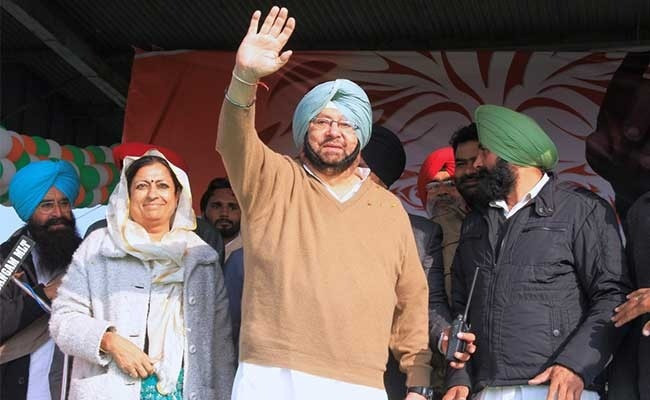
Punjab has shown no hesitation in changing power over the past two decades. In 2002, Congress formed the government under Captain Amarinder Singh. In 2007, the Akali Dal came to power, and in 2012, they returned to power again. Congress won in 2017. In 2022, Aam Aadmi Party received a massive majority. The debate for change arises again in 2027. A common element is visible in every election: voters want change. But change and solutions are not the same. Each time, the public has trusted that the new government would resolve the old problems. But the question is, if the faces keep changing, why do the problems remain the same? The question is not who raised what issue. The question is, why has the problem persisted despite becoming an issue?
Addiction: An Electoral Issue, Not a Permanent Solution
Addiction has become the biggest symbol of Punjab's politics. In 2017, Congress made it a major issue. In 2022, AAP launched the "War Against Drugs" campaign. In 2026, BJP introduced the "Drug-Free Punjab Yatra." Public health studies indicate that substance abuse remains widespread. This raises the question of whether political parties view addiction as a solution or merely as a calculation for electoral gain.
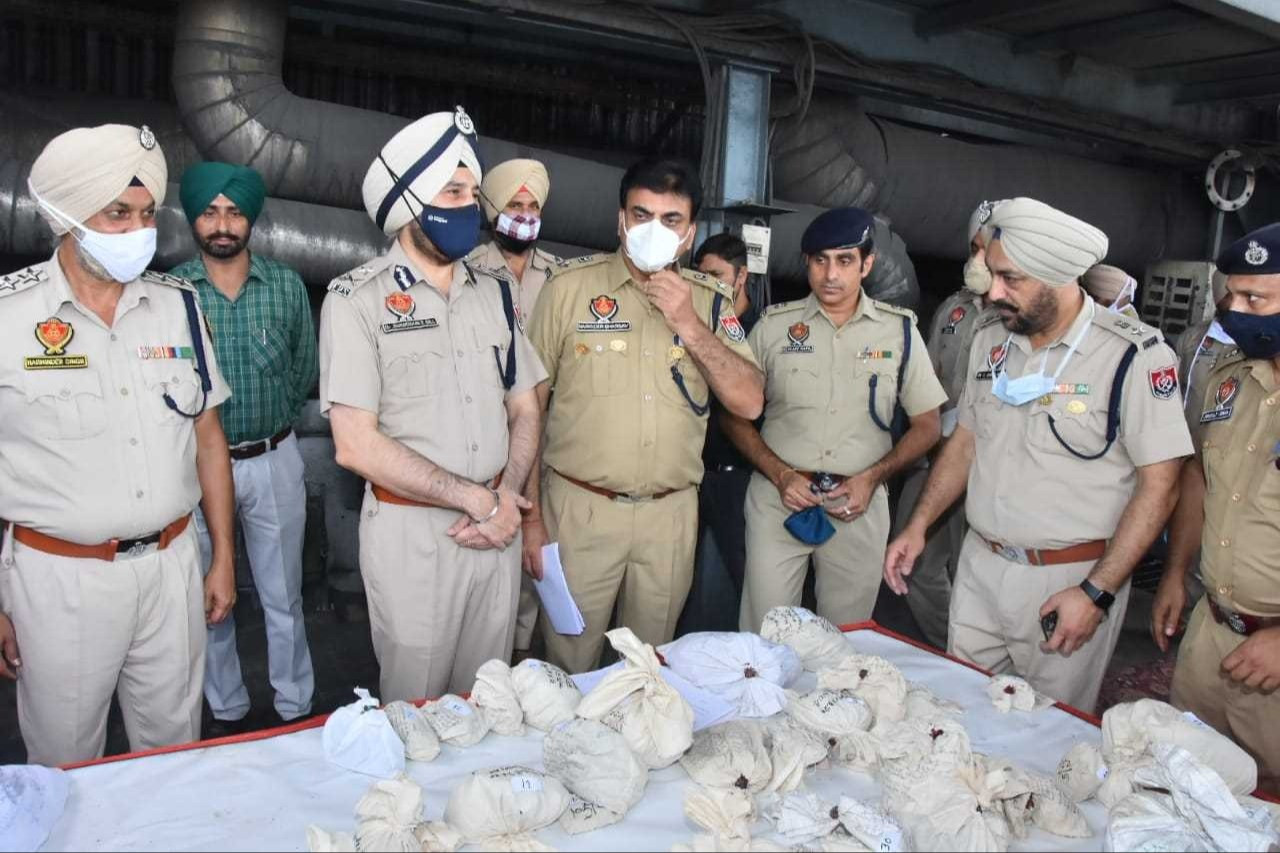
The central government increased the jurisdiction of the Border Security Force (BSF) along the international border in Punjab from 15 km to 50 km in October 2021. The force has the authority to conduct searches, make arrests, and seize illegal items such as drugs or weapons. This includes the bordering districts of Punjab like Pathankot, Gurdaspur, Amritsar, Tarn Taran, Ferozepur, Fazilka, etc., but control over drugs has not been achieved.
On the other hand, Chief Minister Bhagwant Mann and AAP are arguing to cover their failures by stating that the roots of the drug problem go back to previous administrations where its origin and nurturing were not controlled. It is clear that in political competition, addiction has become not just a social issue but also a focal point of political discourse.
A New Phase of Farmer Politics
The protests against the three agricultural laws demonstrated that the political consciousness of the state is still alive. Punjab's society is politically very active. However, even after the movement, the core issues of agriculture remain. Declining profitability, groundwater crisis, the challenge of crop diversification, and pressure on rural income indicate that protests and policy reforms are separate processes. The movement challenged a policy, but changes in the broader agricultural framework are still incomplete.
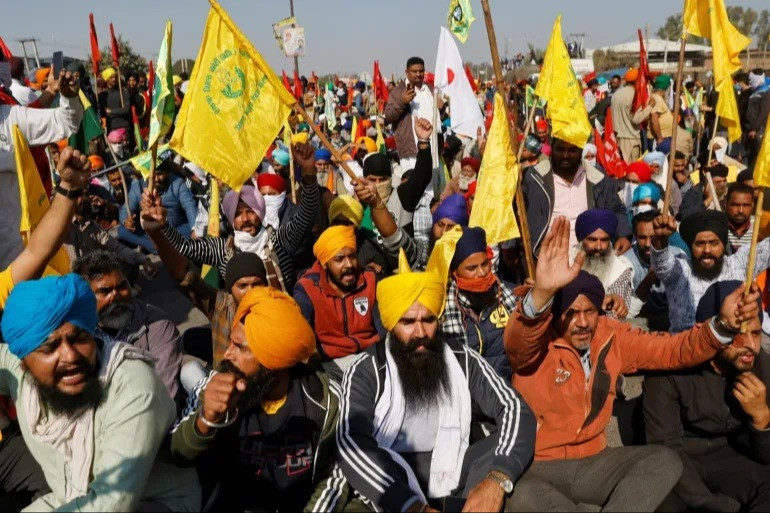
The Aam Aadmi Party made big promises regarding a new agricultural policy in the state, but nearly the entire term has passed without any concrete policy visible on the ground for agricultural upliftment. During the 2024 state farmer protests, Arvind Kejriwal labeled farmers as obstacles to the progress of Punjab's trade. This put the business community and farmers of Punjab at odds. The central BJP government has not been able to provide satisfactory solutions to farmers' concerns regarding a proposed free trade agreement between India and the United States. Farmers fear that cheap agricultural and dairy products from the U.S. will flood the Indian market. They believe this will reduce their income and severely harm the agricultural sector. The Bhagwant Mann government also appears helpless in safeguarding the state's interests against the impacts of this proposed trade agreement.
Migration of Youth
Once, Punjab provided opportunities for the youth of the country. Today, the biggest export of Punjab is its youth. The dream of many families in Punjab is no longer a government job, but to go abroad. This is not just an economic decision; it is also seen as a sign of faith in the future. If the talent of a state is continuously leaving, it becomes a question not just of employment but also of the development model.
In the 2022 elections, the Akali Dal announced that it would create a separate International Employment Ministry in the state to provide job opportunities for youth abroad and simplify migration-related processes. Previously, in the 2017 election manifesto, the Akali Dal had also announced assistance for youth and farmers wishing to go abroad by buying land in countries like the U.S. and Canada for commercial farming and permanent residency (PR).
A special Punjab Overseas Employment Corporation was promised by Aam Aadmi Party's Arvind Kejriwal to assist youth seeking jobs abroad. The party also mentioned the formation of a 'Foreign Employment Youth Board' to provide proper advice and training for foreign jobs.
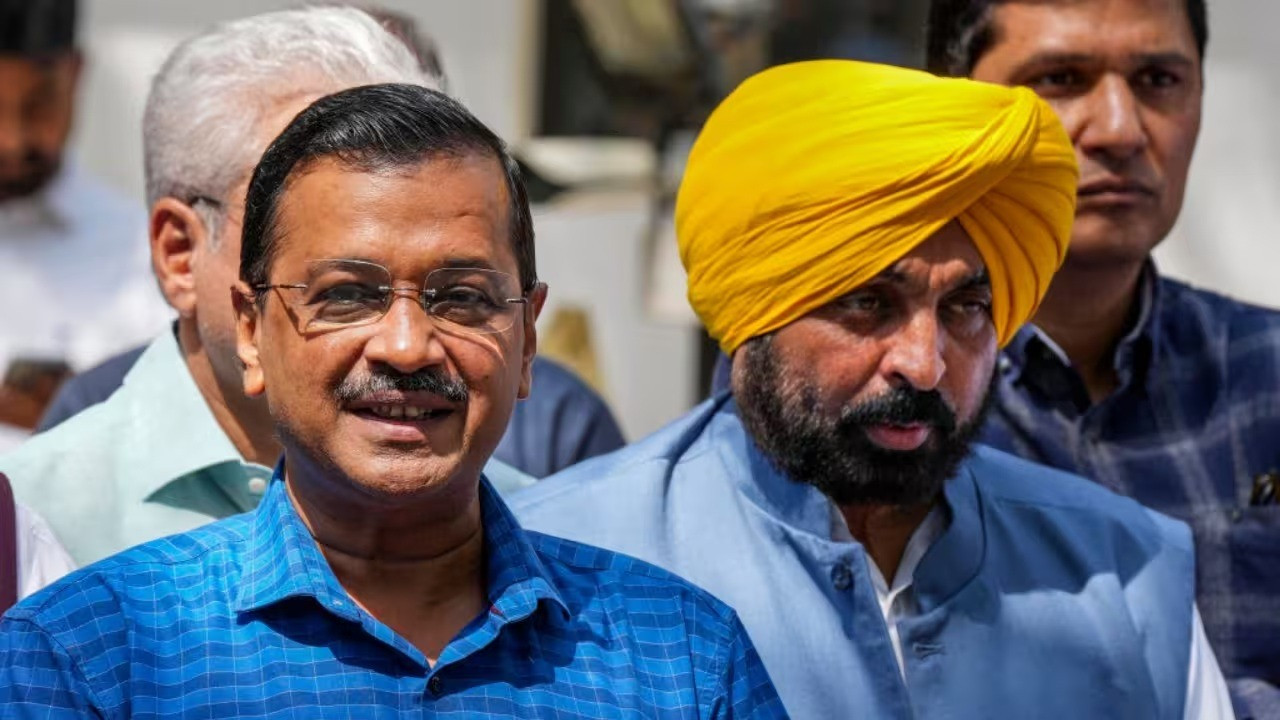
Party convenor Arvind Kejriwal specifically announced that if any Scheduled Caste (SC) student wishes to go abroad for graduation or post-graduation studies, the government will bear the entire cost of their education. Arvind Kejriwal and Bhagwant Mann also clarified that their main goal is to create enough job opportunities in Punjab so that youth do not have to go abroad out of compulsion (Brain Drain). They promised that industries and 2.5 million jobs would be created on Punjab's soil so that even those who have gone abroad could return. But the question remains, what has been achieved?
Why Has Industry Been Hampered?
Mandi Gobindgarh, Ludhiana, Jalandhar, Amritsar were once the industrial identity of Punjab. Industries still exist today, but the pace of investment, competition, and expansion is not what it once was. This cannot be attributed to just one government. Several factors, including electricity, logistics, policy stability, skill development, and investment environment, have contributed to this situation. The law and order situation, fear of criminals and gangsterism have also harmed Punjab's industries.
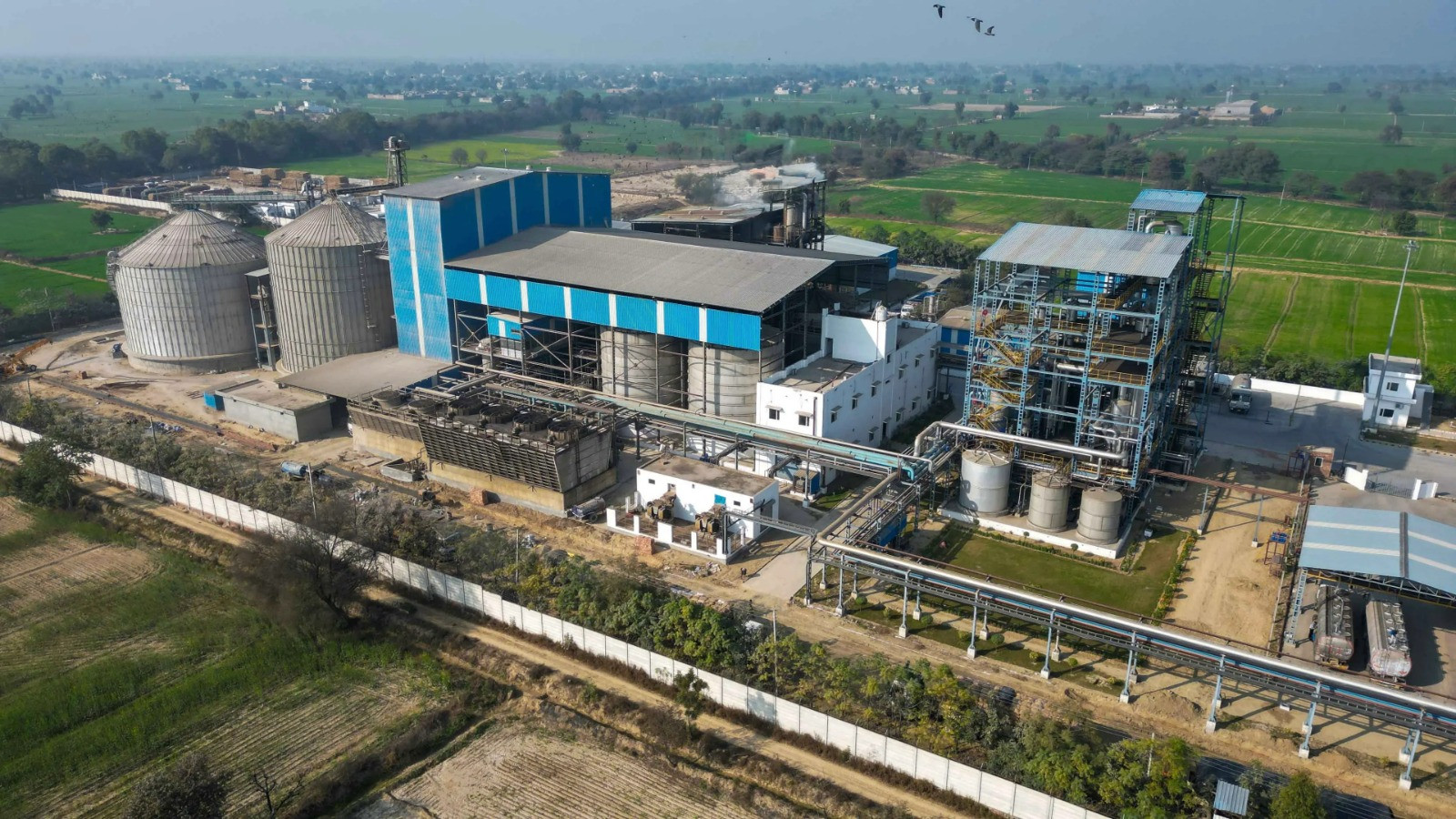
In 1981, Punjab's per capita GDP was the highest compared to other states in India, and by 2001 it was in fourth place. However, since then, Punjab's growth has been slower compared to the overall growth of the Indian economy. Between 2000 and 2010, Punjab's per capita GDP growth was the second slowest in India, after Manipur.
As a result, the state's rank in terms of per capita income fell to 19th place in 2026. Due to Punjab's position as a high-risk state bordering Pakistan, the Indian government has been hesitant to establish heavy industries in Punjab.
Is Punjab Only Changing Governments?
This raises the biggest question. Governments have changed, Chief Ministers have changed, electoral promises have changed, slogans have changed, political agreements and alliances have changed, but have the economic and social conditions changed? Has migration stopped? Have employment and small industries increased? This is the difference between political change and policy change.
What Kind of Alternative Does Punjab Need?
If Punjab's challenges are structural, then the solutions must also be structural. A balance between agriculture and industry, food processing, MSME expansion, rural entrepreneurship, drug treatment and rehabilitation, mental health services, youth skill development, better coordination of police and justice systems, greater powers to local bodies, transparent governance, and other components can determine Punjab's progress through sustainable policy and a positive political outlook.
Punjab's crisis is not just a crisis of political parties; it is a combined crisis of governance, economy, society, and identity. The past years have shown that merely changing the government does not guarantee a solution. Real alternatives can emerge when electoral promises are translated into a framework that integrates employment, agricultural reform, drug control, education, industry, and cultural confidence into a long-term policy and alternative system.
Will Punjab be swept away in a political flood in 2027, or will it succeed in preserving its past once again?
Jagdeep Singh Sindhu
वरिष्ठ पत्रकार और राजनैतिक विवेचक जगदीप सिंह सिंधू राष्ट्रीय हिंदी दैनिक हरिभूमि,पीपल्स समाचार,महाकौशल आदि में वरिष्ठ पदों पर रहे हैं। वह एफ एम रेडियो तरंग 104 के पूर्व स्टेशन हेड तथा पूर्व राज्यपाल सत्यपाल मलिक के राजनीतिक सलाहकार रहे हैं।