
Is Haryana handing over power distribution to corporates?
Farmers and rural domestic consumers will face a heavy burden of electricity rates.
The All India Power Engineers Federation has issued a stern warning to the Haryana Electricity Regulatory Commission against the Haryana government's move to hand over electricity distribution to corporate houses. It has called upon all electricity employees, farmers, khap panchayats, and social organizations in Haryana to oppose any unilateral decision to grant parallel electricity distribution licenses to Eleven Power in Gurugram and Nuh, stating, “The back-door privatization of the most revenue-generating electricity sectors in Haryana will be strongly opposed through democratic and legal means.”
The All India Power Engineers Federation has warned the Haryana Electricity Regulatory Commission that no unilateral, hasty, or pre-determined decision should be taken by the government regarding the granting of parallel electricity distribution licenses to Eleven Power Private Limited for Gurugram and Nuh.
Former Haryana Finance Minister and senior leader of the Indian National Lok Dal (INLD) Prof. Sampat Singh revealed in July 2026,
the proposal to hand over electricity distribution in Gurugram and Nuh districts to the private company (Eleven Power Private Limited). He had filed over 112 objections before the Haryana Electricity Regulatory Commission (HERC) and termed this move as "backdoor privatization" and "corporate loot." Sampat Singh has been continuously raising this issue across the state and exposing the government's conspiracy to hand over electricity distribution to private hands.
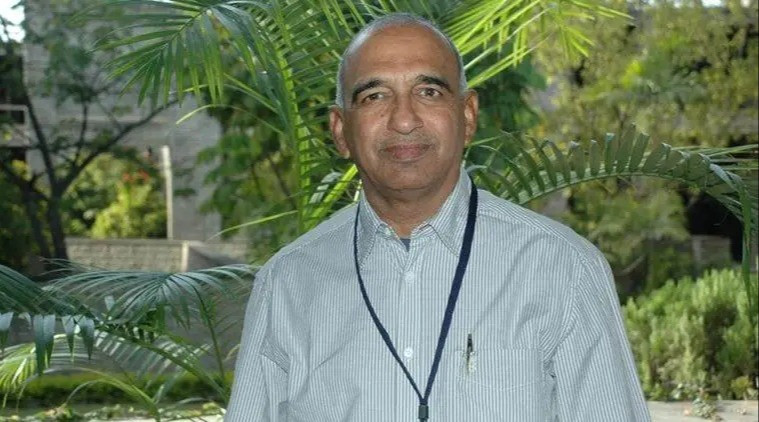
Sampat Singh stated that,
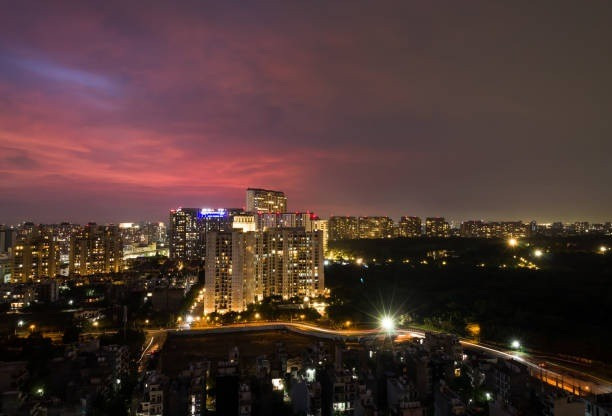
approximately 42 percent of the total revenue of the Dakshin Haryana Bijli Vitran Nigam (DHBVN) comes solely from Gurugram, where the line loss is only 4.70%. If this profitable segment goes to a private company, the government corporation will become financially very weak, and in the future, the government will open the electricity distribution corporation in other cities as well. The report of the three-member expert committee constituted by the Haryana Electricity Regulatory Commission (HERC) has been termed by Sampat Singh as "a well-thought-out plan of corporate loot."
He alleged that the commission is shirking its statutory responsibilities by relying on external panels and that the proceedings in closed rooms are not being made public.
There is a real fear that such policies will break the cross-subsidy framework. In the current government system, a portion of the earnings from commercial consumers is used to provide cheap electricity (subsidy) to rural and agricultural (farmers) consumers. Privatization will weaken this framework, ultimately increasing the burden of electricity rates on farmers and rural domestic consumers. He stated that this is not a reform in the electricity sector, but an attempt to hand over government infrastructure and public assets, prepared with public money under the Smart City scheme (₹1,608 crore) and the RDSS scheme (₹3,584 crore), directly to private hands.
Former Finance Minister Sampat Singh has also alleged that,
the financial health, experience, and public interest-related rules and guidelines set by the courts regarding the privatization of government electricity companies or granting parallel licenses are being openly violated in this process. Eleven Power Private Limited was established in June 2025 with a paid-up share capital of ₹1 crore, yet it proposes to complete an estimated project of ₹4,716.73 crore, which requires an equity contribution of ₹1,415.02 crore. He alleged that the company relied on the market value of its holding company's shares instead of the audited book value to show its financial strength.
The All India Power Engineers Federation stated that,
the manner in which the proceedings of this case are progressing has raised serious concerns among power engineers, employees, consumers, and other stakeholders. This matter is even more serious because Eleven Power has already filed a caveat in the Hon'ble Punjab and Haryana High Court, indicating that it anticipates a legal challenge against the potential outcome of the Haryana Electricity Regulatory Commission proceedings.
The Federation has already expressed its serious concerns before the Haryana Electricity Regulatory Commission, demanding full transparency and a lawful process. Eleven Power Private Limited (which was formed in 2025) has no independent operational or technical experience in the electricity distribution sector. The company is entirely dependent on its consortium partners. Naturally, this raises the question of how an applicant can predict a future legal challenge with such certainty while the regulatory proceedings are still ongoing. This sequence of events raises serious concerns that cannot be ignored. We are not alleging that the Haryana Electricity Regulatory Commission has already made any decision in favor of Eleven Power, but the circumstances demand full transparency.
The Federation also objects that if any steps are taken towards granting licenses without providing full and meaningful hearing opportunities to them and all other affected stakeholders, it will raise extremely serious questions about the fairness and independence of the regulatory process. Any attempt to hand over revenue-rich areas to a private entity through the regulatory process, without a comprehensive assessment of its impact on the existing public DISCOM, consumers, farmers, employees, and the overall financial viability of the public electricity sector, would be akin to back-door privatization.
The Federation Chairman Shander Dubey stated that if any unilateral decision is taken to grant Eleven Power a parallel distribution license without following a fair, transparent, and participatory process, the Federation will have no option but to adopt all democratic, constitutional, and legal means in the public interest, including seeking appropriate legal remedies before a competent judicial forum.
We will not allow the public electricity distribution system to be fragmented through backdoor privatization. The people of Haryana, electricity consumers, farmers, and power employees have every right to know why the most revenue-generating areas of the public DISCOM are being targeted for parallel private distribution licenses.
A major conspiracy is being hatched to hand over public property to capitalists. Baljeet Singh Beniwal of the Haryana Power Employees and Engineers Joint Struggle Front has raised questions about the government's policies. He stated that a comprehensive electricity distribution network already exists in Haryana through DHBVN and UHBVN. Bringing in another distribution licensee will lead to duplication of infrastructure, metering systems, customer service arrangements, and administrative costs, as well as disputes related to 'right-of-way' and operational complexities.
The government's interest in handing over resources established through significant public investment in Haryana's power sector to private hands is under scrutiny.
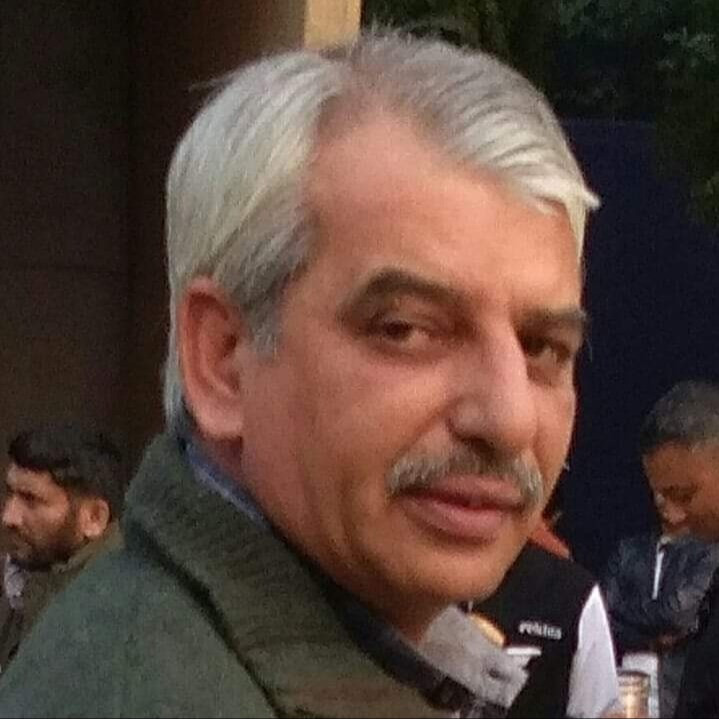
Jagdeep Singh Sindhu
वरिष्ठ पत्रकार और राजनैतिक विवेचक जगदीप सिंह सिंधू राष्ट्रीय हिंदी दैनिक हरिभूमि,पीपल्स समाचार,महाकौशल आदि में वरिष्ठ पदों पर रहे हैं। वह एफ एम रेडियो तरंग 104 के पूर्व स्टेशन हेड तथा पूर्व राज्यपाल सत्यपाल मलिक के राजनीतिक सलाहकार रहे हैं।