
Why is Akali Dal struggling to establish its ground in Punjab elections?
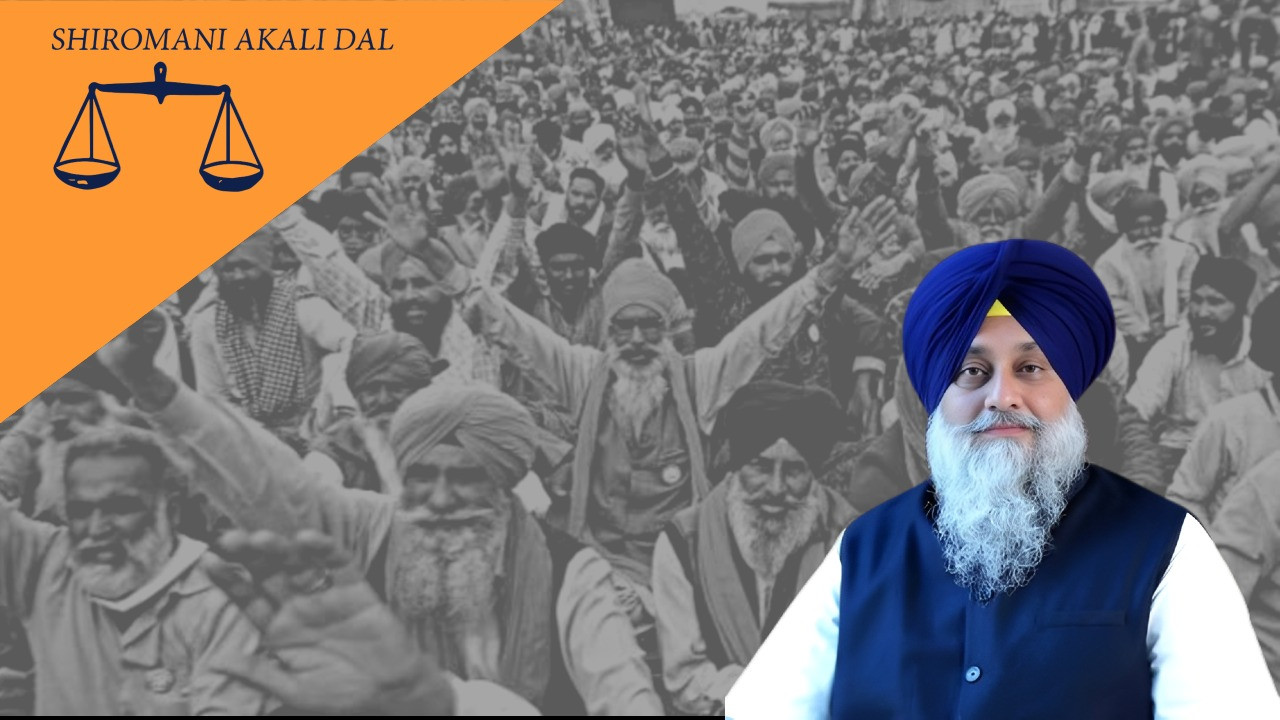
Once in power, Akali Dal now has just one MLA.
Shiromani Akali Dal is a Centre Right and Sikh-centric political party in the Indian state of Punjab. Established in 1920, it is the second oldest party in India after the Congress. There are several parties with the name 'Akali Dal', but only "Shiromani Akali Dal" is recognized by the Election Commission of India, which is led by Sukhbir Singh Badal.
Akali Dal was formed in 1920 as a task force of the Shiromani Gurdwara Prabandhak Committee. On September 26, 2020, it left the National Democratic Alliance (NDA) over the agricultural bills.
In the 1937 provincial elections, Akali Dal won 10 seats. The Khalsa Nationalists won 11 seats and joined the coalition government led by Unionist leader Sikandar Hayat Khan. Akali Dal remained in opposition and made occasional attempts to negotiate with the Muslim League, but they were never successful.
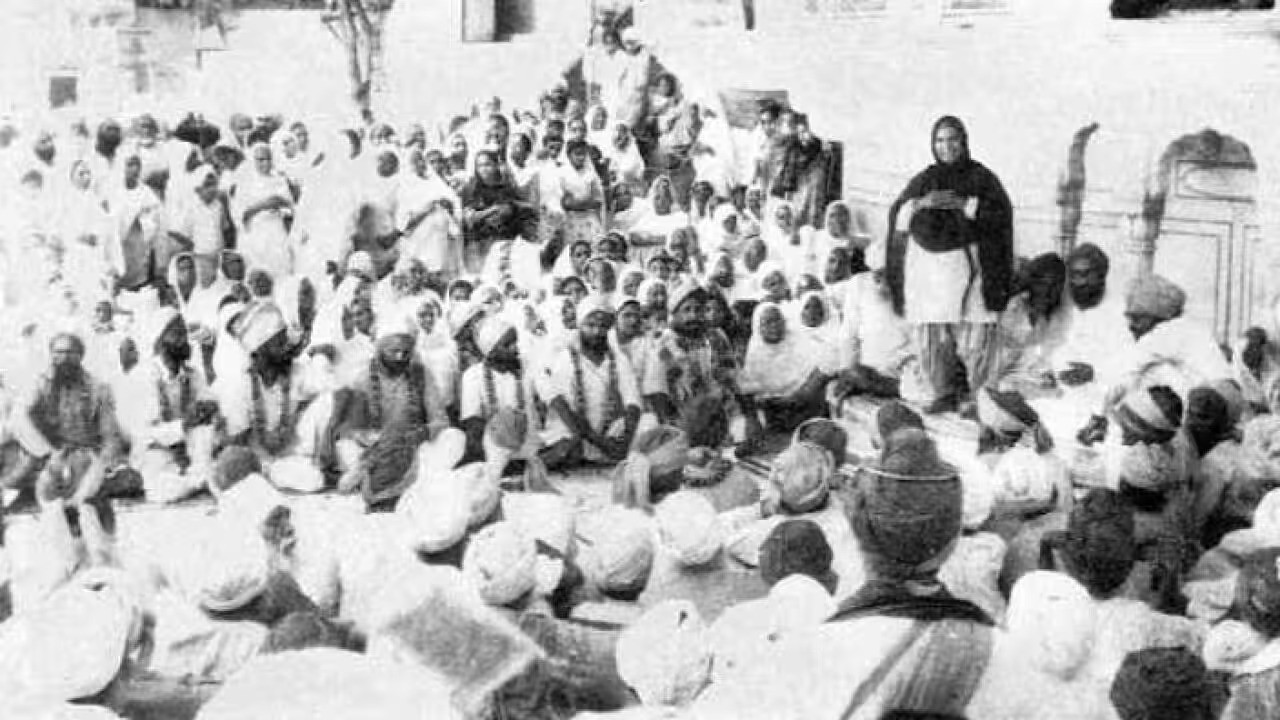
In the 1946 provincial elections, Akali Dal won 22 seats and joined the coalition government led by Unionist Khizr Hayat Khan Tiwana along with the Indian National Congress. The goal of power has always been with the Shiromani Akali Dal, but it has remained limited to the state. It has not been able to expand at the national level. Since its establishment, Shiromani Akali Dal has faced internal conflicts leading to splits 23 times, and many factions have rejoined. In 1996, Parkash Singh Badal became its president, and 12 years later, in 2008, Parkash Singh Badal appointed his son Sukhbir Singh Badal as president; for 28 years, Shiromani Akali Dal has been under the leadership of the Badals.
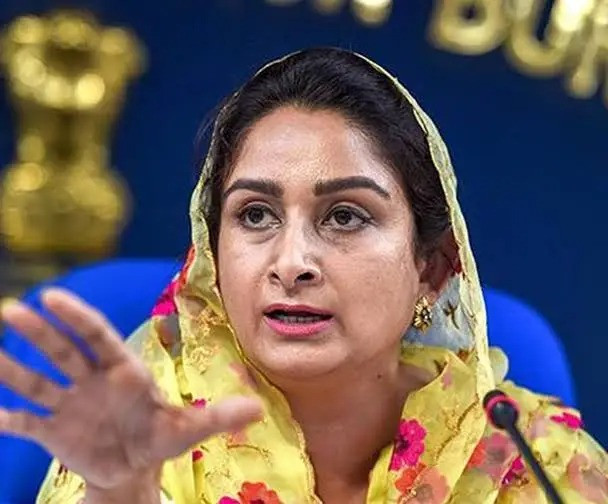
Currently, there is only one MP, Harsimrat Kaur Badal, in the Lok Sabha and only one MLA, Guni Kaur Majithia, in the Assembly.
Shiromani Akali Dal has traditionally been an ally of the right-wing capitalist-supported Bharatiya Janata Party in both the Centre and the state. The contradiction of a party that advocates the principles of the Sikh faith and the interests of the farming community has only intensified over time. Shiromani Akali Dal has never been able to resolve this contradiction or may not want to resolve it for the sake of power; this question continues to loom large.
In the first Lok Sabha elections in 1951, Shiromani Akali Dal won 4 seats, and in 1977, it secured 9 seats. In 1984, it won 7 seats, and in 1996, 1998, and 2004, it won 8 seats each. In 2009 and 2014, it won 4 seats each.In Punjab, Shiromani Akali Dal formed its first government in 1969 under Chief Minister Gurnam Singh. It formed a majority government in 1977 under Chief Minister Parkash Singh Badal. The period from 1985 to 1997 can be considered the golden era of Akali Dal when it won 73 (Surjit Singh Barnala) and 75 (Parkash Singh Badal) seats out of 117 in the Assembly.
As of October 2026, it is neither appropriate to call Shiromani Akali Dal (SAD) a “finished party” nor to believe that it has returned to its former political influence. Under the leadership of Sukhbir Singh Badal, the party is attempting to regain its traditional Panthic base, revive the organization, and create sufficient political space before 2027. In the 2024 Lok Sabha elections, SAD contested all 13 seats in Punjab and won one seat—Bathinda. Its statewide vote share was approximately 13.4%. Most importantly, 13.4% votes do not eliminate a political party; however, in multi-cornered contests, it is not possible to reach a position of power with such votes alone.
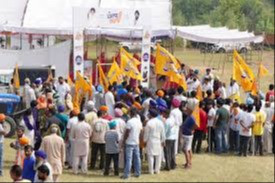
Shiromani Akali Dal has largely refocused its politics around “Panth + Punjab” in 2026. Since February 2026, it has initiated a program of nearly 40 “Punjab Bachao” rallies across the state.
Now, the challenge for Shiromani Akali Dal (Badal) is whether it is merely a political party or also the political voice of the Panth in Punjab. This is because the space for Panthic politics in Punjab is no longer monopolistic as it once was. After the electoral defeat in 2022, a significant faction of dissatisfied Akali leaders broke away from Sukhbir Singh Badal's leadership. Following the hukumnama issued from the Akal Takht on December 2, 2025, the foundation for the reorganization of Shiromani Akali Dal was also laid, resulting in the revival of the Akali Dal, with leadership handed over to former Jathedar of Sri Akal Takht, Giani Harpreet Singh.
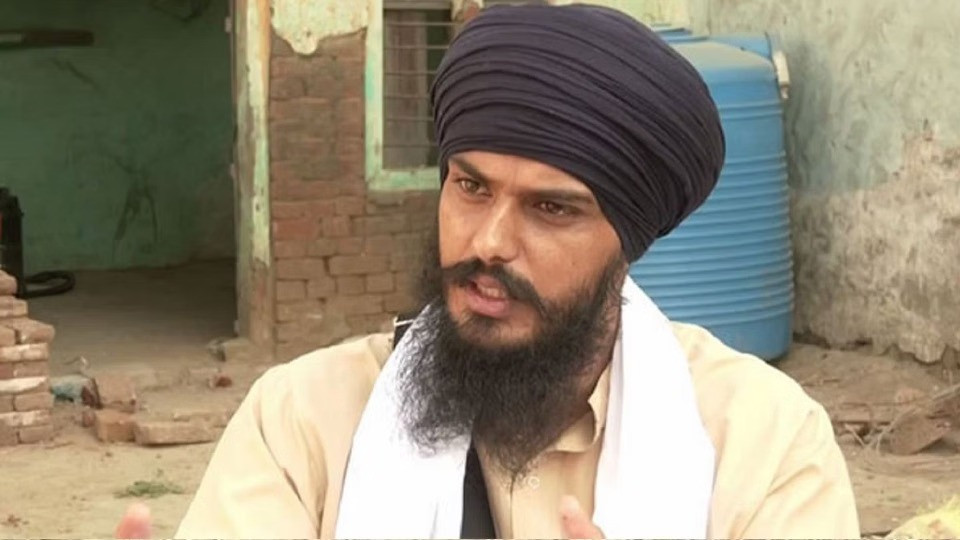
In 2026, Akali Dal Waris Punjab De is also active as a separate political platform, led by current independent MP Amritpal, who is imprisoned in Assam.
These circumstances indicate that competition in Panthic politics has now intensified.
Deep questions remain among supporters of Panthic politics regarding the role of Shiromani Akali Dal (Badal) in the sacrilege cases. In the context of current politics in Punjab, the questions regarding the role of Shiromani Akali Dal (Badal) in the sacrilege incidents are no longer just a history of events from 2015; they have become questions related to the political credibility of the Akali Dal, Panthic politics, and the acceptability of leadership ahead of the 2027 elections. The questions are more about the actions taken during the tenure of the Akali Dal after the sacrilege than the sacrilege itself.
In 2015, widespread protests occurred in Punjab following incidents of disrespect to Guru Granth Sahib in Bargari and surrounding areas. On October 14, 2015, police action took place in Kotkapura and Behbal Kalan, resulting in the deaths of two protesters in Behbal Kalan. These incidents occurred when Parkash Singh Badal was the Chief Minister and Sukhbir Singh Badal was the Deputy Chief Minister and Home Minister, with a coalition government with the BJP. The question of accountability of the then government and administration comes directly to the forefront.
Justice Ranjit Singh Commission included the role of then Chief Minister Parkash Singh Badal and then Deputy Chief Minister Sukhbir Singh Badal in the context of police action within its investigation. According to the commission, the then Chief Minister was aware of the activities of the police and administration. Later, Sukhbir Badal dismissed this report.
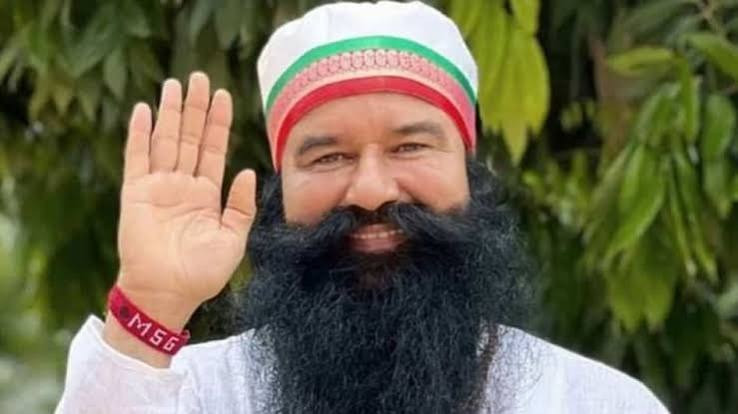
Another sensitive issue for the Akali leadership is the pardon granted to the head of Dera Sacha Sauda in 2007. Reports related to the Justice Ranjit Singh Commission alleged that the Badal family played a role in the pardon process from Akal Takht for the Dera chief. This is why opponents of the Akali Dal and splinter groups do not view it merely as an old incident but as a disregard for the Sikh political principles of the Shiromani Akali Dal.
In July 2026, the SIT summoned Sukhbir Singh Badal for questioning in the Behbal Kalan and Kotkapura firing cases. He was summoned again in September. This was the fifth appearance before the SIT in nearly eight years.
The difficulty for the Shiromani Akali Dal (Badal) is that the issue of drugs, which it is currently raising against the Aam Aadmi Party, also requires it to respond to allegations and criticisms linked to its previous tenure. The prominent face of the Akali Dal, Sukhbir Badal, was summoned by the SIT on September 30, 2026, in connection with an old synthetic-drug case. This matter is politically extremely sensitive, although no investigation/allegation can be equated with a conviction.
The core politics of the Akali Dal has long revolved around the protection of the faith, rights of Punjab, and Sikh institutions. A political party whose ideological politics has been based on the protection of Sikh sentiments and institutions is still questioned about accountability for the incidents of disrespect and subsequent police action that occurred during its rule.
The central government issued three agricultural ordinances in June 2020. At that time, the Shiromani Akali Dal was a coalition partner with the Bharatiya Janata Party at the Centre, and Harsimrat Kaur Badal was the Minister of Food Processing in the central cabinet.In the early days of the ordinances, the Akali leadership defended them. Around August 28, 2020, Sukhbir Badal referred to the assurance given by then Union Agriculture Minister Narendra Singh Tomar that government procurement would continue at MSP and accused then Chief Minister Amarinder Singh of misleading farmers.
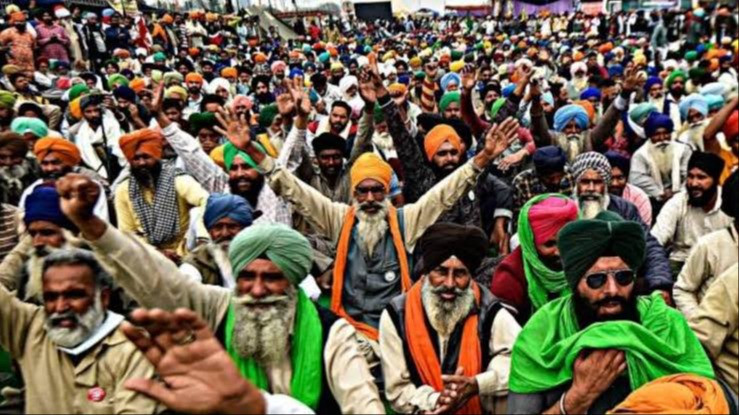
As the farmers' movement intensified in Punjab and opposition to political party leaders grew in villages, the Shiromani Akali Dal was engaged in efforts to rectify its mistakes.The Akali Dal cited the interests of farmers related to MSP and agricultural marketing systems as the main reason for breaking the alliance. But the question is: if farmer interests were such a fundamental issue for the Akali Dal that the alliance should have been broken as soon as the laws were introduced, why did the Akali Dal appear to support the laws? The farmers' movement in Punjab was not merely an agricultural policy movement. It also influenced the political parties' perceptions in rural Punjab, the repercussions of which the Shiromani Akali Dal faced in the 2022 Assembly elections and the 2024 Lok Sabha elections.
In the current circumstances, the Shiromani Akali Dal (Badal) still maintains expectations of an electoral alliance with the Bharatiya Janata Party. This theoretical political contradiction is a factor in the current state of the Shiromani Akali Dal. The 2027 Assembly elections will not be untouched by this.
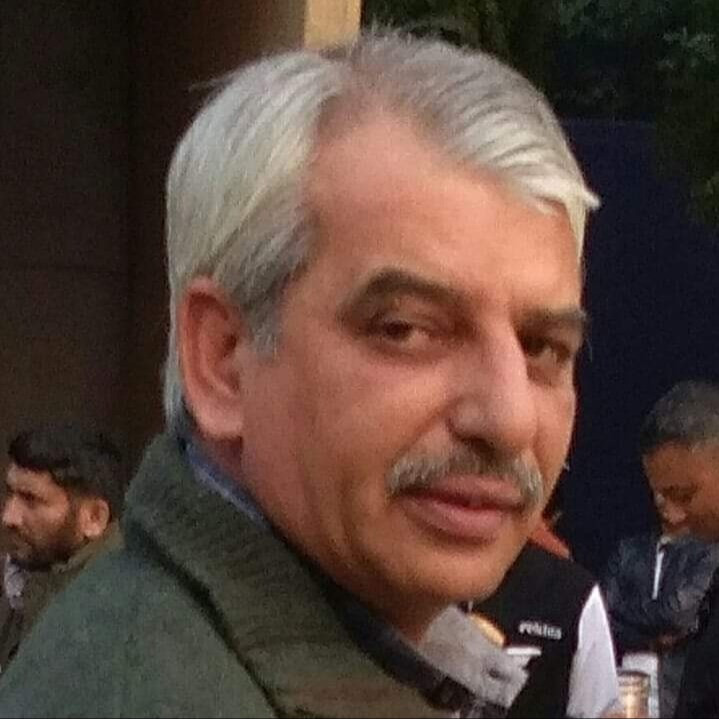
Jagdeep Singh Sindhu
वरिष्ठ पत्रकार और राजनैतिक विवेचक जगदीप सिंह सिंधू राष्ट्रीय हिंदी दैनिक हरिभूमि,पीपल्स समाचार,महाकौशल आदि में वरिष्ठ पदों पर रहे हैं। वह एफ एम रेडियो तरंग 104 के पूर्व स्टेशन हेड तथा पूर्व राज्यपाल सत्यपाल मलिक के राजनीतिक सलाहकार रहे हैं।