
Balendra Shah visits India after becoming Prime Minister

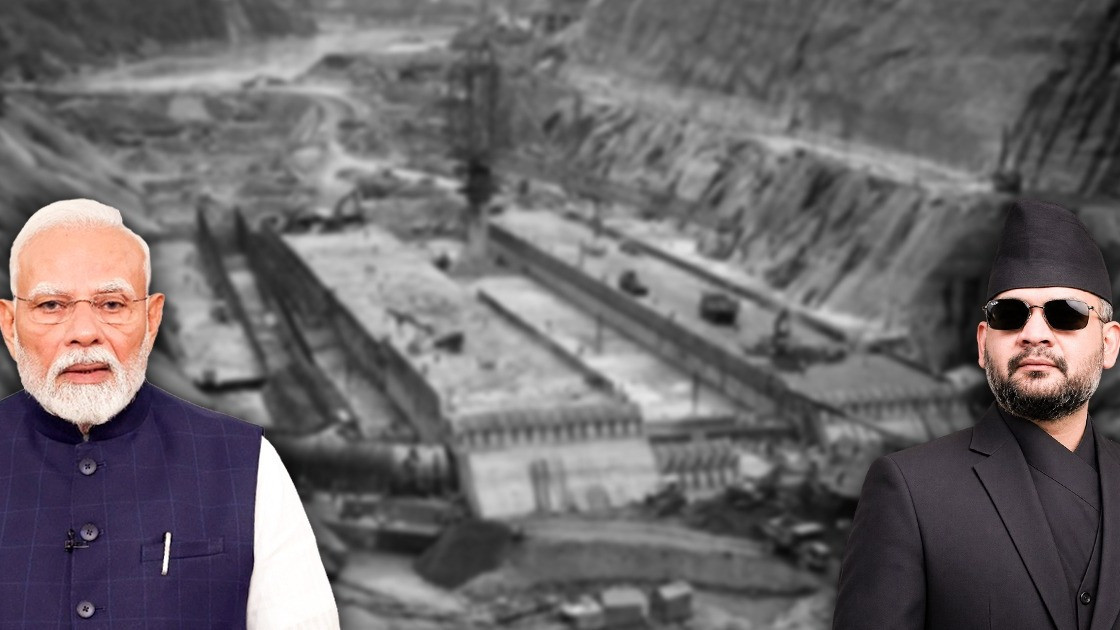
Both countries are preparing a ten-point vision document for partnership.
The upcoming visit of Prime Minister Balendra Shah to India is significant amid the political changes in Nepal and the recent devastating natural disaster. At the invitation of Prime Minister Narendra Modi, Balendra Shah will visit on November 22 and 23 for a state visit. This will be his first visit to India since taking office in March. Discussions between the two Prime Ministers are proposed for November 23. The visit is expected to enhance economic cooperation and strengthen political dialogue.
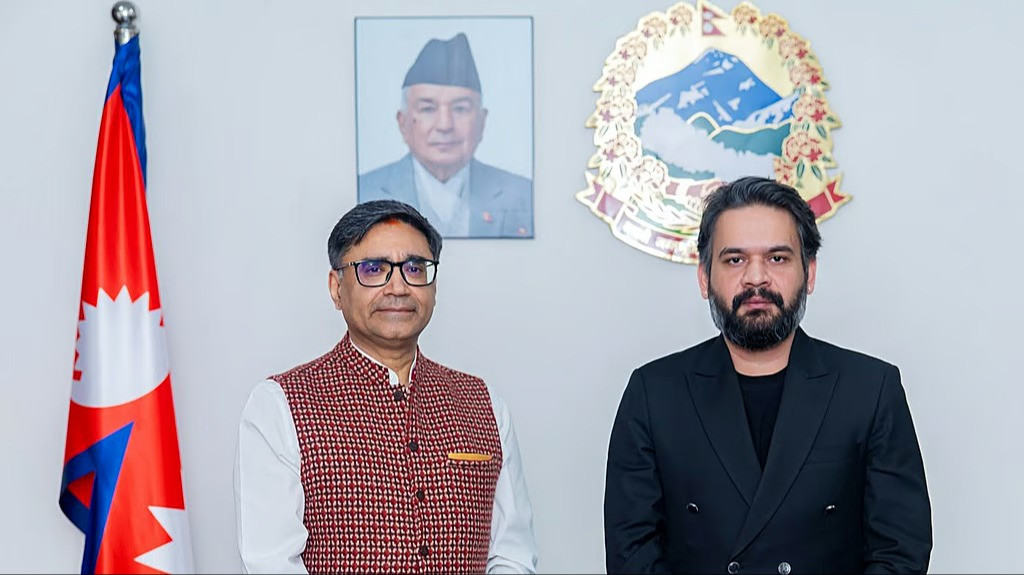
According to a statement from Nepal's Ministry of Foreign Affairs, Balendra Shah will be accompanied by a 34-member government delegation, including Finance Minister Swarnim Wagle, Foreign Minister Shisir Khanal, and senior officials. Meetings with President Droupadi Murmu and discussions with Foreign Minister S. Jaishankar are also part of the itinerary. Additionally, they will visit Rajghat to pay tribute to Mahatma Gandhi. Narendra Modi will host a lunch in their honor. Some agreements between the two countries are expected to be signed, but the final details will be clarified during the visit.
This visit has been prepared at multiple levels. Indian Foreign Secretary Vikram Misri visited Nepal on November 4 and 5 to meet with Shah and other ministers. According to a joint statement from Nepal's Ministry of Foreign Affairs, these meetings discussed the potential outcomes of the upcoming visit and new initiatives. Cooperation in areas such as trade, hydropower, connectivity, and border management, as well as startups, digital connectivity, artificial intelligence, and sports, was also part of the discussions.
The foundation of India-Nepal relations lies in the movement of people and social proximity between the two countries. Religious pilgrimages, family ties, and livelihood-related connections give this engagement a daily form. For landlocked Nepal, India is a crucial route for trade and access to the sea. Therefore, any disruption in bilateral relations can affect ordinary citizens and businesses. Both governments have the responsibility to ensure that communication and essential economic activities continue smoothly despite political differences.
Energy cooperation is likely to be a major theme of the visit. The Kathmandu Post reports that both countries are preparing a ten-point vision document for partnership. The proposed basis is 'Prosperous Nepal, Prosperous India.' The report mentions a commitment from India to import 10,000 megawatts of electricity from Nepal over ten years, according to a Nepali minister. Similarly, efforts are being made to set measurable targets in other sectors. Memorandums of Understanding (MOUs) related to education, health, agriculture, and disaster management will also be part of this visit.
A vision document could be useful, provided that timelines for projects are set and their progress is reviewed. Clarity on market access and payment is also crucial alongside electricity production. The evaluation of cooperation should be based not only on major announcements but also on how quickly projects are completed and how their benefits reach local communities. Turning the possibilities of increasing income for Nepal and energy availability for India into practical arrangements will be the real challenge.
Air connectivity is also an important issue for this visit. The Kathmandu Post reports that Nepal seeks additional entry routes through Indian airspace, particularly related to Mahendranagar and Bhairahawa. This demand has been longstanding. Improved air connectivity could enhance tourism and business opportunities. However, technical and security discussions will be necessary before making any final decisions on proposals.
Special attention is also being given to business partnerships during this visit. According to the Nepali Foreign Secretary, in addition to the government delegation, 52 representatives from the private sector will visit India at their own expense. A program to bring together the business communities of both countries is proposed in New Delhi. This could serve as a platform for direct discussions on investment, production, and business opportunities. For its success, concrete work on the real problems faced by businesses and continuous contact after the visit will be essential.
The opposition party CPN-UML's General Secretary Shankar Pokhrel has requested Prime Minister Balendra Shah to raise issues related to the India-Nepal border dispute during his visit to India and to attempt to resolve them. The border dispute remains amid the possibilities of cooperation. The claims over Kalapani, Lipulekh, and Limpiyadhura differ between the two countries. India considers these areas part of Uttarakhand.
The success of Balendra Shah's visit will be measured beyond the welcome ceremonies. Both countries need to review the progress of old commitments, assess the feasibility of new projects, and ensure regular dialogue on differences. Respect for Nepal's sovereignty and the security concerns of both sides is the foundation of trust. If the discussions on November 23 set a direction for concrete facilities for citizens, businesses, and border communities, this visit could bring useful progress in India-Nepal relations.