
End of visa-free travel for Indians to Malaysia: What changes from January?

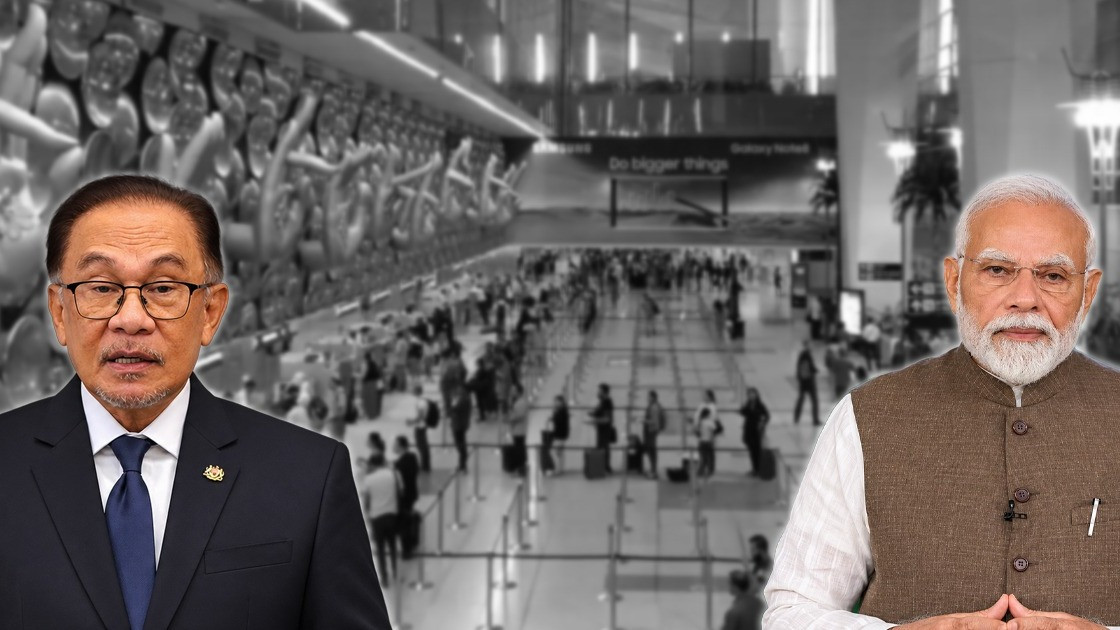
The Malaysian Immigration Department's website still lists December 31, 2026, as the final date for visa exemption for Indian citizens.
New entry rules will come into effect for Indian travelers planning to visit Malaysia from the new year. According to reports, the 30-day visa-free entry facility for Indian citizens will end on December 31, 2026. If this period is not extended, a valid visa will be required before travel starting January 1, 2027. The changes may also impact tourism, travel businesses, and immigration arrangements.
The Immigration Department of Malaysia's website currently lists the final date for visa exemption for Indian citizens as December 31, 2026. This timeline is also mentioned in the department's official My Visa portal terms. Therefore, it would not be prudent to plan travel assuming the current exemption will automatically apply next year. According to the rules, travelers must submit the Malaysia Digital Arrival Card online within three days prior to arrival.
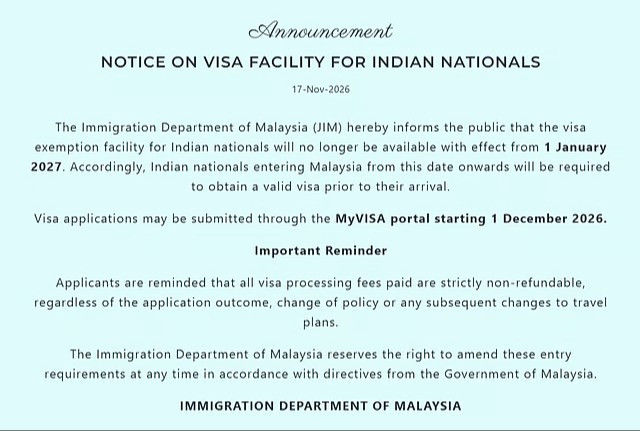
According to news reports, the Immigration Department stated in a notice issued on November 17 that Indians entering from January will need to obtain a visa beforehand. Applications can be submitted on the official My Visa portal starting December 1, 2026. However, the Malaysian High Commission in New Delhi, in a conversation with Times of India, referred to the end of the current facility as a 'currently set' timeline. This means that while the current arrangement is clearly heading towards termination, the possibility of an extension in the future has not been completely ruled out.
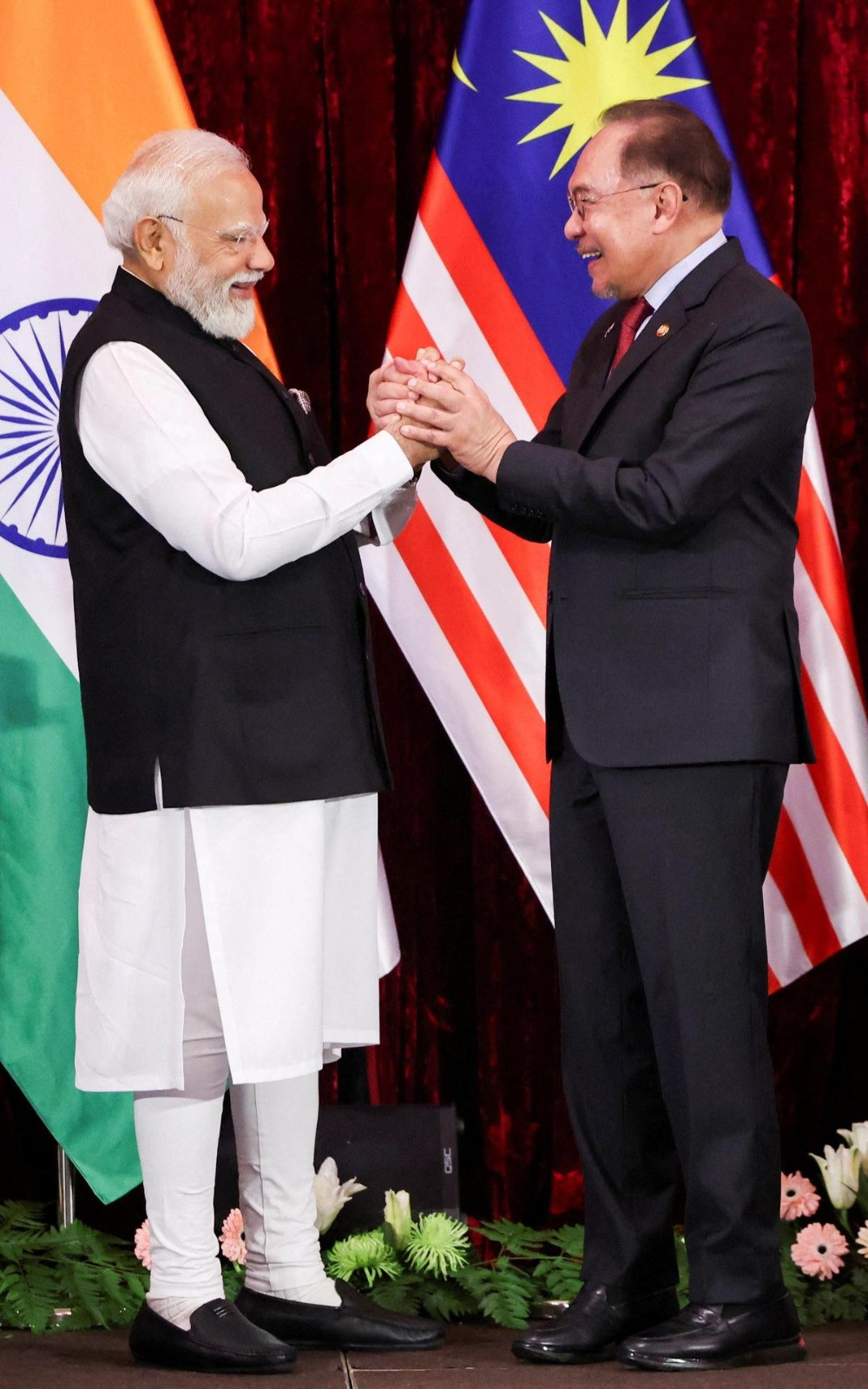
This facility was initiated in December 2023 to promote tourism post the COVID-19 pandemic. During Malaysian Prime Minister Anwar Ibrahim's visit to India in August 2024, he and Indian Prime Minister Narendra Modi welcomed this initiative, stating that it would facilitate travel between the two countries and strengthen their relations. In February of this year, during Narendra Modi's visit to Malaysia, both leaders also praised this initiative, noting that it has led to better changes in tourism and commerce.
According to Free Malaysia Today, the number of travelers arriving from India increased from approximately 13.6 lakh in 2024 to 15.6 lakh in 2025. The report cited a parliamentary response from Malaysia's Home Minister Saifuddin Nasution Ismail, indicating that the government wants stricter checks on Indian travelers before arrival. Balancing increased tourism with immigration control is a significant aspect of this change.
In this context, the warning from the Indian High Commission is also significant. The Indian mission in Kuala Lumpur advised on September 22, 2026, that the number of Indians arriving to seek employment using the visa-free facility is increasing. According to the mission, some unscrupulous agents send people to Malaysia as tourists under false job assurances, but they become victims of exploitation after the 30-day period ends. The High Commission stated that legal action could be taken against such travelers seeking employment in Malaysia without the necessary documents and valid work permits. Travelers should be mindful of this.
However, this warning should not be construed as a comment on the conduct of all Indian travelers. The issue lies in cases where the declared purpose of travel and actual activities differ. The Indian High Commission has advised against traveling without appropriate work permits or visas with reference for employment. An agent's claim to provide a job cannot replace valid work authorization. In such cases, the protection of migrant workers and the accountability of agents are equally important.
Under the currently applicable arrangement, Indian passport holders receive a maximum 30-day exemption for specified purposes. According to the Malaysian High Commission, a minimum validity of six months on the passport, a confirmed return ticket, hotel booking, and online information for the Malaysia Digital Arrival Card are required. The Digital Arrival Card is a separate entry-related formality; presenting it as a visa will not suffice if the visa requirement has come into effect at the time of travel.
For travel in January, travelers may need to allow additional time for application and approval. Families and group trips will face increased work in gathering documents and completing applications. This may disproportionately affect those making last-minute travel arrangements. Still, estimating how much the number of tourists will decrease is premature without solid data.
It is essential to keep an eye on the fees for the new process, appropriate visa categories, and detailed operational instructions. However, not all practical details have been published yet. Particularly for trips at the end of December and the beginning of January, the entry date and applicable instructions at that time should be rechecked. Simply purchasing tickets in advance should not be considered a basis for the old exemption.
Malaysia's challenge will be to create a system that facilitates genuine tourists while curbing unauthorized employment and agent fraud. Clear information, simple applications, and timely decisions are necessary for travelers. The immediate message for Indian citizens is that travel from January should be planned based on the latest instructions from the official immigration website and the High Commission, rather than relying on the current visa-free facility.