Myanmar guilty of Rohingya genocide: ICJ's landmark ruling
Will this decision provide relief to the Rohingya, who face humiliation and oppression worldwide after being rendered stateless?
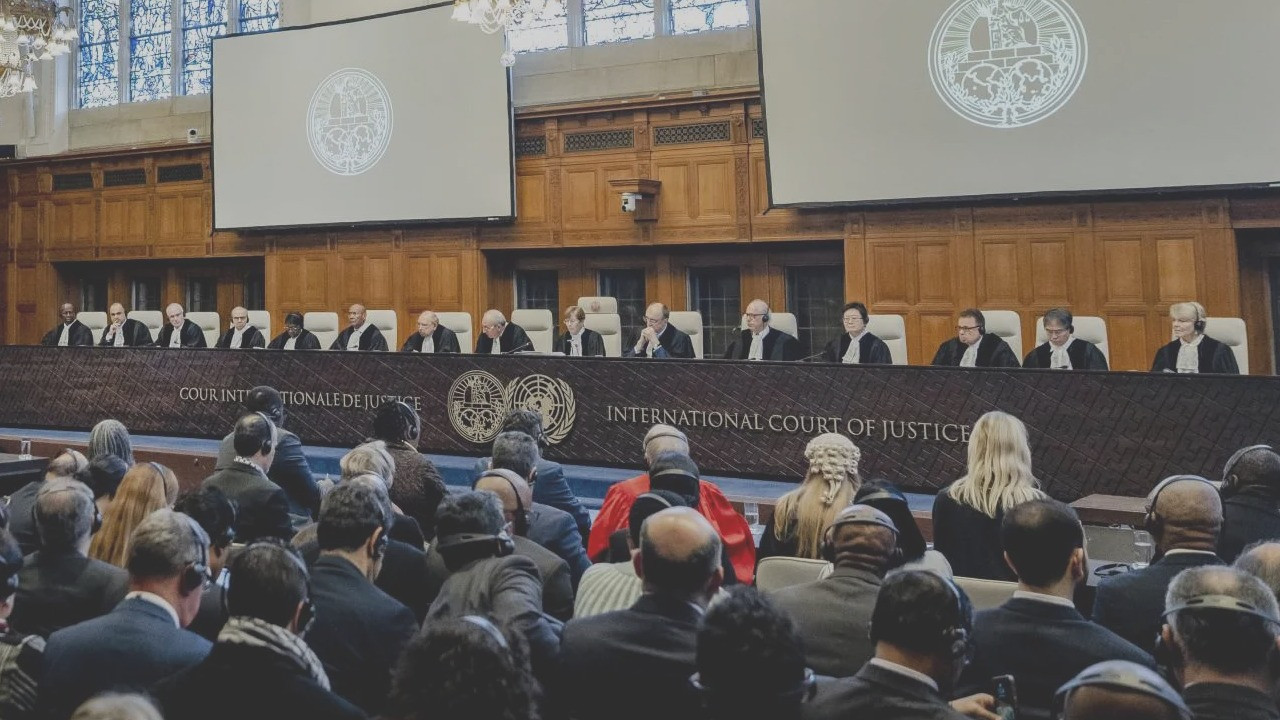
On November 19, 2026, the International Court of Justice (ICJ) ruling marks a historic turning point in the nearly decade-long fight for justice for the Rohingya community.
The United Nations' highest court delivered a judgment by a 9-6 majority that Myanmar committed genocide against the Rohingya minority during military operations in Rakhine State in 2017. This is the first time the ICJ has held a country directly responsible for genocide.

The court also directed Myanmar to provide compensation to the victims, investigate those responsible, and arrange for their safe return. However, a significant question looms with this ruling: will this historic victory for international law change the lives of the millions of Rohingyas who are still forced to live in refugee camps away from their homes?
Decades of Discrimination and Citizenship Crisis
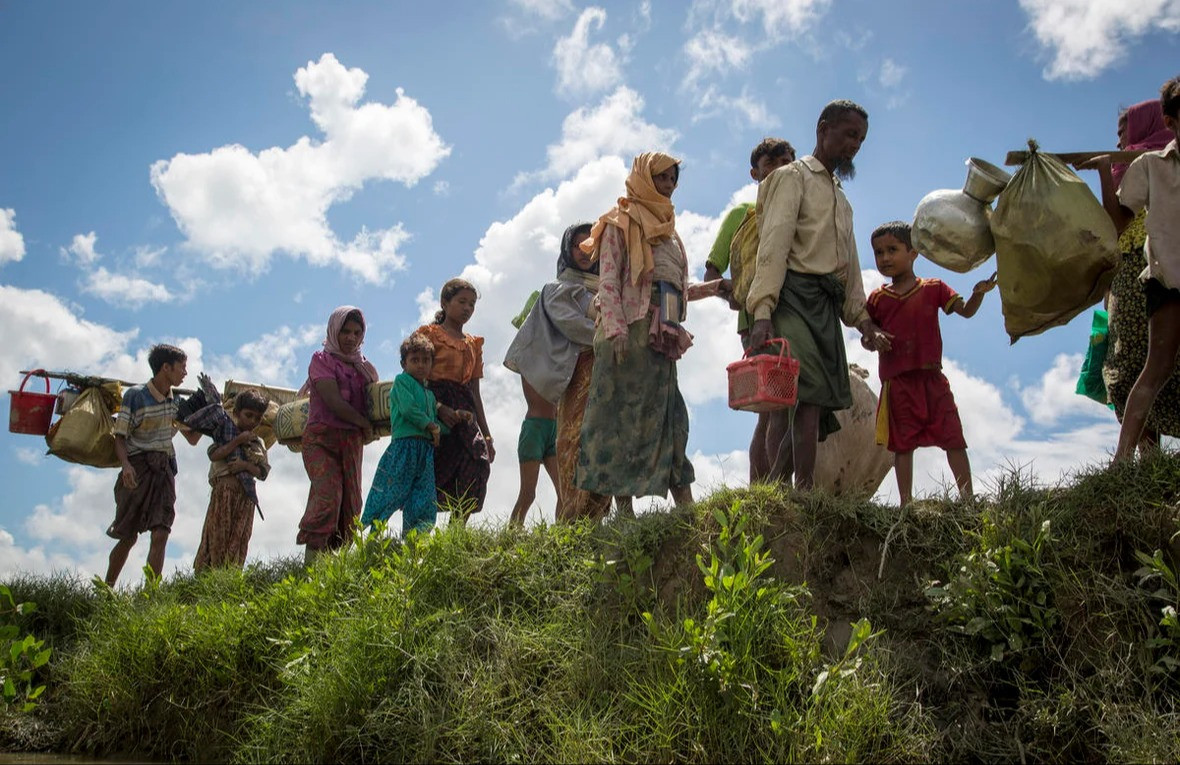
The Rohingya are primarily a Muslim community, with a large population residing in Myanmar's western Rakhine State. For a long time, they have been denied basic rights such as citizenship, education, health, employment, and freedom of movement within the country. A significant part of Myanmar's government and military has continued to regard the Rohingyas as a community that has migrated from Bangladesh rather than as indigenous people of the country. This identity dispute has pushed them to the margins socially and politically.
The 1982 Citizenship Law further complicated this situation. This law imposed conditions linked to recognized ethnic communities for citizenship. The Rohingya community was not included among the recognized national ethnic groups. As a result, a large number of Rohingyas were either denied citizenship or faced severe difficulties in proving their citizenship. Various restrictions were also imposed on marriage, childbirth, travel, and other normal activities.
The International Court of Justice viewed the decades-long discriminatory laws, hate propaganda, and previous military actions against the Rohingyas as the backdrop to the violence of 2017. According to the court, the assessment of genocidal intent should not only be based on a single military operation but also on the broader environment and events in which that operation occurred.
2017 Military Action and Mass Exodus
On August 25, 2017, the Arakan Rohingya Salvation Army (ARSA) attacked police posts and a military base in Rakhine. In response, Myanmar's military launched a large-scale military operation, which it described as action against terrorism and insurgency. However, reports emerged of killings, mass sexual violence, arson, and attacks on civilians in Rohingya villages during this operation.
Thousands fled towards Bangladesh to save their lives. The United Nations High Commissioner for Human Rights described Myanmar's military action in September 2017 as a clear example of ethnic cleansing. According to a survey by Médecins Sans Frontières, at least 6,700 Rohingyas were killed between August 25 and September 24, 2017, including at least 730 children under the age of five. In a recent statement, the United Nations Secretary-General cited the ICJ's findings, stating that evidence presented before the court indicated that over 10,000 people were killed in this campaign.
Following this violence, around seven lakh Rohingyas reached Bangladesh. Their number increased with the existing refugees. Today, approximately 12 lakh Rohingyas reside in Bangladesh, with a large number in the Cox's Bazar camps. Overcrowding, limited employment, lack of education and health facilities, and security issues continue to make their lives extremely difficult.
Gambia Approaches the International Court
The initiative to bring this case to the International Court of Justice was taken by Gambia, a West African country. On November 11, 2019, Gambia filed a lawsuit against Myanmar under the 1948 Convention on the Prevention and Punishment of the Crime of Genocide. It had the support of the Organisation of Islamic Cooperation (OIC). Gambia argued that Myanmar's actions against the Rohingyas violate this convention and that it is the responsibility of the international community to prevent genocide and hold the perpetrators accountable.
In January 2020, the ICJ issued a provisional order directing Myanmar to take effective steps to prevent acts related to genocide against the Rohingyas, preserve evidence, and keep its military and security forces away from such crimes. Myanmar raised questions about the court's jurisdiction and the admissibility of Gambia's petition, but in July 2022, the court dismissed these objections. This cleared the way for the main hearing of the case. In 2024 and 2025, 11 countries were also allowed to present their views on issues related to the interpretation of the genocide convention. The main hearing took place in January 2026.
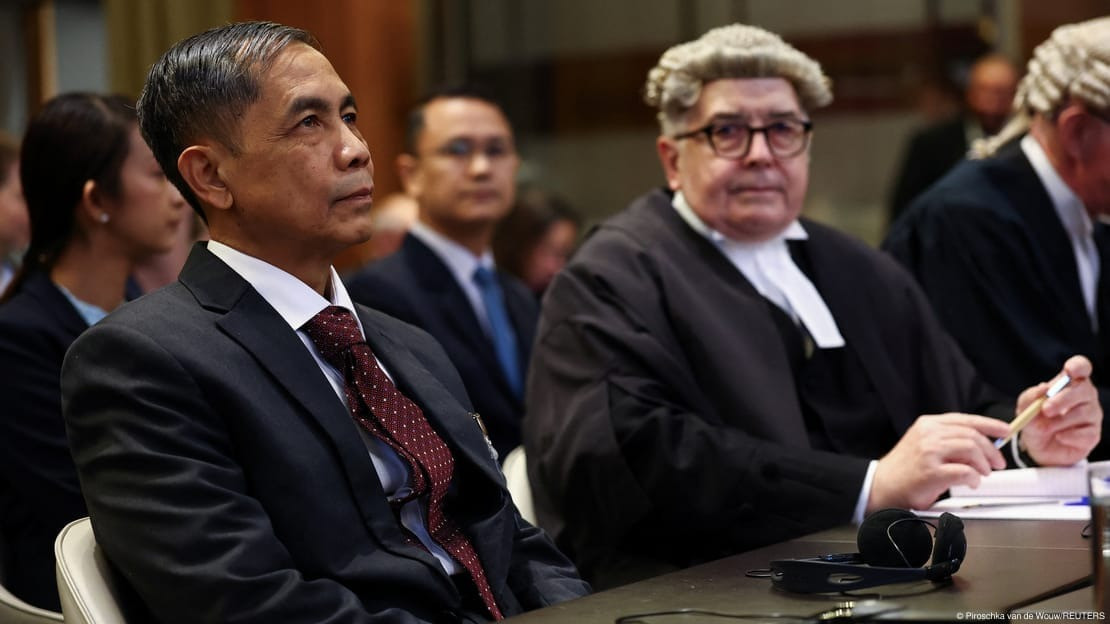
What Did the Court Find?
In the ruling delivered on November 19, the ICJ stated that Myanmar's security forces killed members of the Rohingya community, inflicted serious physical and mental harm, committed widespread sexual violence, and targeted children. The court also included incidents of burning villages and forcing people to flee in its assessment. It concluded that these actions were driven by the genocidal intent to destroy a significant part of the Rohingya community.
The court found Myanmar guilty of failing to prevent genocide, not punishing the crimes, and failing to enact necessary domestic laws to implement the genocide convention. It also stated that Myanmar did not comply with the responsibility to preserve evidence under the 2020 provisional order. However, the court did not conclude that individuals had directly and publicly incited genocide against the Rohingyas. The ruling came by a 9-6 majority.
The Ruling is Binding, but Enforcement is Challenging
The ICJ has directed Myanmar to prevent violations of the genocide convention, investigate suspected perpetrators, and prosecute them if necessary. The court also called for necessary steps to prevent the recurrence of such crimes in the future. Additionally, arrangements must be made for the safe, voluntary, and dignified return of the Rohingyas and the reunification of separated families. Compensation must also be provided for the harm suffered by the victims. Myanmar must report to the court within two years on the steps taken and proposals for compensation. The final amount and process for compensation will be determined in later stages.
This ruling is final and legally binding, but the ICJ has no independent police or military mechanism to enforce its orders. If Myanmar does not comply, the matter could be referred to the United Nations Security Council, where political equations and veto power could influence actions. Additionally, Myanmar's military seized power in a coup in February 2021. Since then, the country has been undergoing civil war and widespread political instability. In such an environment, implementing the ruling on the ground will not be easy.
For the Rohingya community, this ruling is not just a legal victory but also an international acknowledgment of the atrocities committed against them. However, justice means not only determining guilt but also restoring the displaced people's right to live with home, citizenship, security, and dignity. Until the Rohingyas can safely return to their homes and are treated as equal citizens in Myanmar, the most significant promise of this ruling will remain unfulfilled.