
PM demands salary hikes for employees at FICCI, Rahul Gandhi calls it a confession

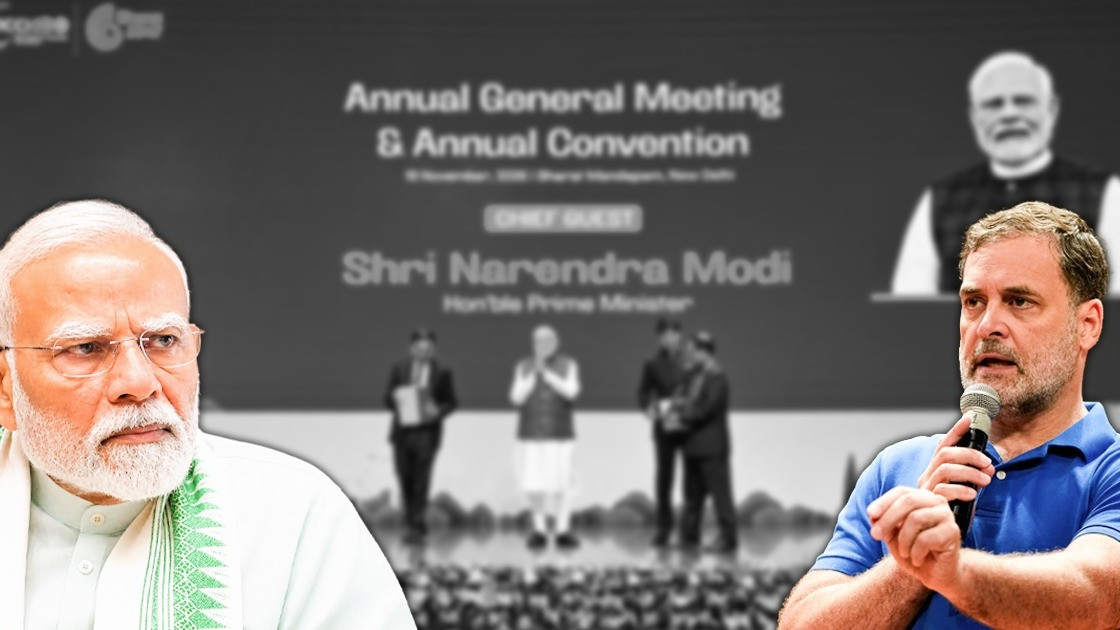
He questioned business leaders on whether they raised employee salaries and created new jobs after tax concessions.
The question of how much relief provided to companies reaches employees was raised by Prime Minister Narendra Modi before the business community at the FICCI platform yesterday. On Thursday, November 19, at the Bharat Mandapam in New Delhi, he asked business leaders whether they had increased employee salaries and created new jobs after the tax concessions given by the government. He stated that in 2014, the corporate tax rate was reduced to 22 percent and there is no income tax on income up to ₹12 lakh, yet the corporate sector has not increased the number of employees or their salaries.

This statement from Modi came just hours after Economic Affairs Secretary Anuradha Thakur emphasized the need to address the issue of stagnation in salaries. The Congress party claimed that the Prime Minister is now expressing the same concerns that the party has been raising for some time.
The theme of FICCI's annual general meeting and conference was 'India 2047'. According to the Prime Minister's Office, participation from over 2,500 representatives, including industrialists, chief executive officers, diplomats, and policymakers, was proposed. This event is part of the organization's centenary year. FICCI, established in 1927, will complete a hundred years in April 2027. In light of these facts, it is essential to consider an old report; according to a report by Business Standard dated August 23, corporate sales and profits in India are rising rapidly, but employee salaries are not seeing a similar increase.
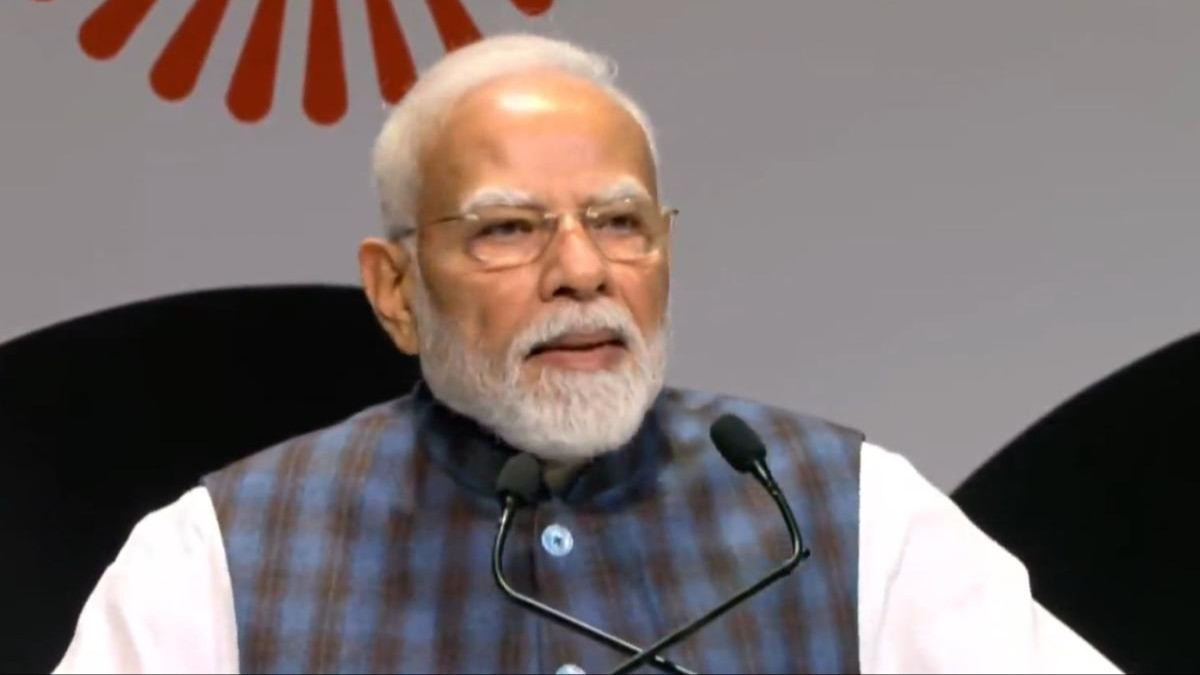
According to a report, new labor codes, limited hiring, and the increasing use of AI are allowing companies to keep employee costs low. In the June 2026 quarter, the sales of 3,057 non-financial companies increased by 22.18% year-on-year, while employee costs rose by only 9%. This means that despite the increase in companies' revenues, employees are not benefiting proportionately. The gap was most pronounced in the mining sector, where sales increased by 40.83%, but salaries and wages saw only a 1.04% rise. Vedanta's operating revenue grew by 53.6%, while employee costs increased by just 4.8%.
During this time, the Prime Minister also raised questions about the quality of products. He stated that one should not be satisfied by considering the vast domestic market as a guaranteed sales medium. Expressing concern over the separate identity of export quality, he highlighted the need for good products for Indian customers as well. In his official speech, he urged industries to base long-term investments on 'India First' and to understand the needs of customers in global markets.
Congress President Mallikarjun Kharge, in a rebuttal, accused the Prime Minister of shifting the responsibility for his government's failures onto the business community. He remarked that it felt as if the Prime Minister himself were the leader of the opposition while listening to the speech. Kharge also accused the government of benefiting select large business groups while weakening small industries and traders. These are political allegations from the opposition, which need to be distinguished from an independent assessment of government policy.
Earlier, Rahul Gandhi had reiterated in discussions at Columbia and the University of Chicago that India is going through an economic crisis and that there is a need to revive agriculture and small businesses, as the government is unable to provide jobs to educated youth. He termed the Prime Minister Modi's statement as an admission of his government's policies.
Congress General Secretary Jairam Ramesh stated that concerns regarding the weakness of employment, wages, and private investment were also raised in Congress's 2024 justice document. According to him, the difference lies in accountability—Congress holds the government's policies responsible, while the Prime Minister is seeking answers from industries. Ramesh also alleged that when the opposition raised such questions, it was labeled as having an 'urban Naxal' mentality. He noted that the Prime Minister appeared to be scared while making these statements.
This response is also being viewed in the context of Modi's previous statements. In his Independence Day address in 2019, he had appealed not to view those who create wealth and prosperity with suspicion. His argument was that wealth must be created before it can be distributed. However, in the current speech, he also spoke about respecting farmers, small industries, taxpayers, and wealth creators. Therefore, the question also pertains to the accountability associated with supporting entrepreneurship.
Amid these statements, the economic question is straightforward: how to strengthen the relationship between corporate profits, investments, and employee incomes? Increasing wages can enhance families' purchasing power and support demand. However, investment decisions are also influenced by demand, availability of finance, competition, and policy stability. The government must find solutions to these questions.
It is now essential that the debate reaches concrete data and actions. The number of jobs must be examined along with their quality, real wages against inflation, and the status of small industries. The government should clarify the outcomes of its concessions and industries should explain their roles regarding employees and investments. The significance of the questions raised at the FICCI platform will only be realized when there is a tangible improvement in employee incomes and job opportunities. Amid changing global equations, the Indian government must provide its citizens with a living wage, which is also enshrined in the preamble of the Constitution that the government swears to uphold.