
US may impose 100% tariff on India for buying Russian oil

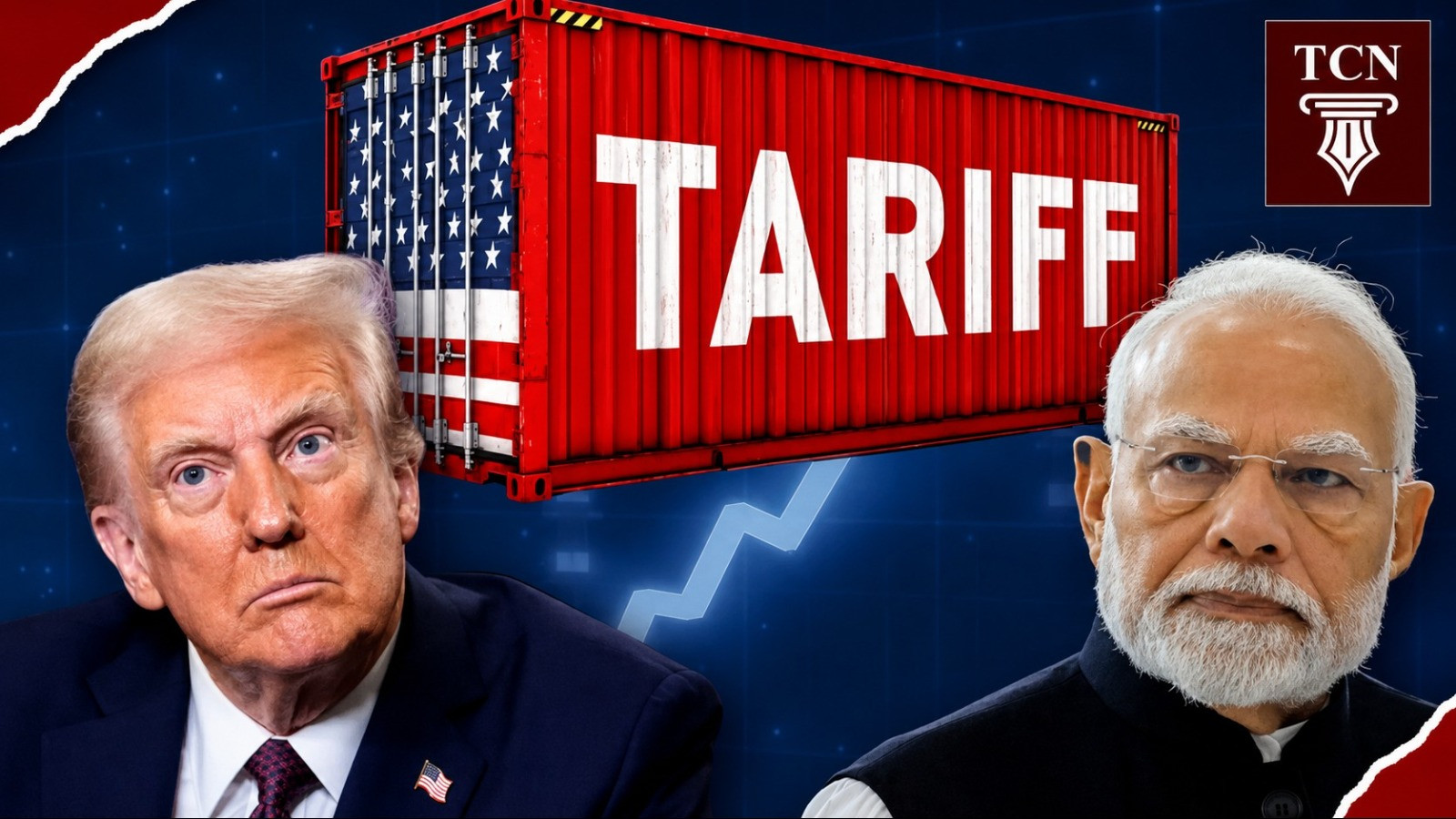
The US is ramping up pressure on countries purchasing oil from Russia.
The United States has begun preparations to increase pressure on countries purchasing oil from Russia. A revised bill related to sanctions on Russia has been introduced in the US Senate. It proposes imposing up to 100% tariffs on countries buying oil and gas from Russia. According to the bill,
countries like India, China, Slovakia, Hungary, and Azerbaijan could face a 100% tariff. This proposal has been brought with the support of both Republican and Democrat parties. Its aim is to reduce Russia's earnings from oil and gas, thereby weakening its ability to wage war.
The bill also proposes sanctions on Russian officials, shadow tanker fleets, the central bank, government energy projects, financial institutions, the defense industry, major businessmen, and President Vladimir Putin. The initial draft had a provision for a 500% tariff, but it was later reduced to 100%.
If this bill becomes law, it would be the first time the US imposes tariffs on a country solely because it is increasing Russia's income by purchasing oil from it.
In June 2026, India purchased a record 26.1 lakh barrels of crude oil per day from Russia, accounting for 52.4% of its total oil imports. This means that more than one out of every two barrels of oil imported into India last month came from Russia. Russia continues to be India's largest oil supplier. There was an approximately 39% increase in oil imports from Russia in June compared to May. Countries like China, France, Japan, Hungary, and Belgium, which purchase natural gas from Russia, are also covered under this bill. However, countries that import less than 15% of Russia's total gas exports and are gradually reducing their dependency may be exempted. On this basis, a provision has been made to exempt 15 European countries from the proposed 100% tariff. Democrat Senator Richard Blumenthal stated that this bill is not against European allies. It targets only those countries that are still the biggest economic support to Russia's energy business.
This anti-Russia bill has received support from both Republican and Democrat parties. In American politics, it is called a 'bipartisan bill,' meaning a proposal agreed upon by both the ruling party and the opposition. Generally, major bills in the US get stalled due to political differences, but when both parties support a bill, its chances of passing through Congress increase significantly.
However, before becoming law, this bill must be approved by both the Senate and the House of Representatives. It will become law only after the President's signature. The revised bill also proposes giving US President Donald Trump the authority to waive these sanctions or tariffs if he deems it necessary in the national interest.
This bill was introduced in April 2025 by Republican Senator Lindsey Graham and Democrat Senator Richard Blumenthal. On July 11, Lindsey Graham passed away. Trump stated that advancing this bill was Graham's priority, and it is now being pursued in his memory. So far, 26 senators have supported this proposal, and further support is expected to grow.
Trump had previously imposed tariffs on several countries using the 1977 International Emergency Economic Powers Act (IEEPA). Under this, a national emergency could be declared, allowing the President to directly impose tariffs. However, on February 20, 2026, the US Supreme Court clarified that IEEPA does not grant the President the authority to impose tariffs. The court stated that this power primarily lies with Congress. This is why a new bill has been introduced to legally grant this power to the President.
Three Major Impacts of 100% Tariff on India
1. Indian goods will become expensive:
The US is India's largest export market, where India sends goods worth approximately ₹6.5 lakh crore annually. With a 100% tariff, Indian products could become twice as expensive in the US, significantly affecting their sales.
2. Savings from Russian oil may be nullified:
India saves approximately ₹60,000 crore annually by purchasing Russian oil. However, if exports to the US market are affected, the loss could be many times greater than these savings.
3. Pressure on jobs and the rupee:
A 100% tariff could impact India's exports of textiles, diamonds, and pharmaceuticals worth about ₹2.1 lakh crore to the US. This could affect the jobs of 15 to 20 lakh people working in these sectors. A decline in exports would reduce the inflow of dollars into the country, potentially weakening the rupee against the dollar.