Manmohan Singh faced injustice in history, nation realizes now
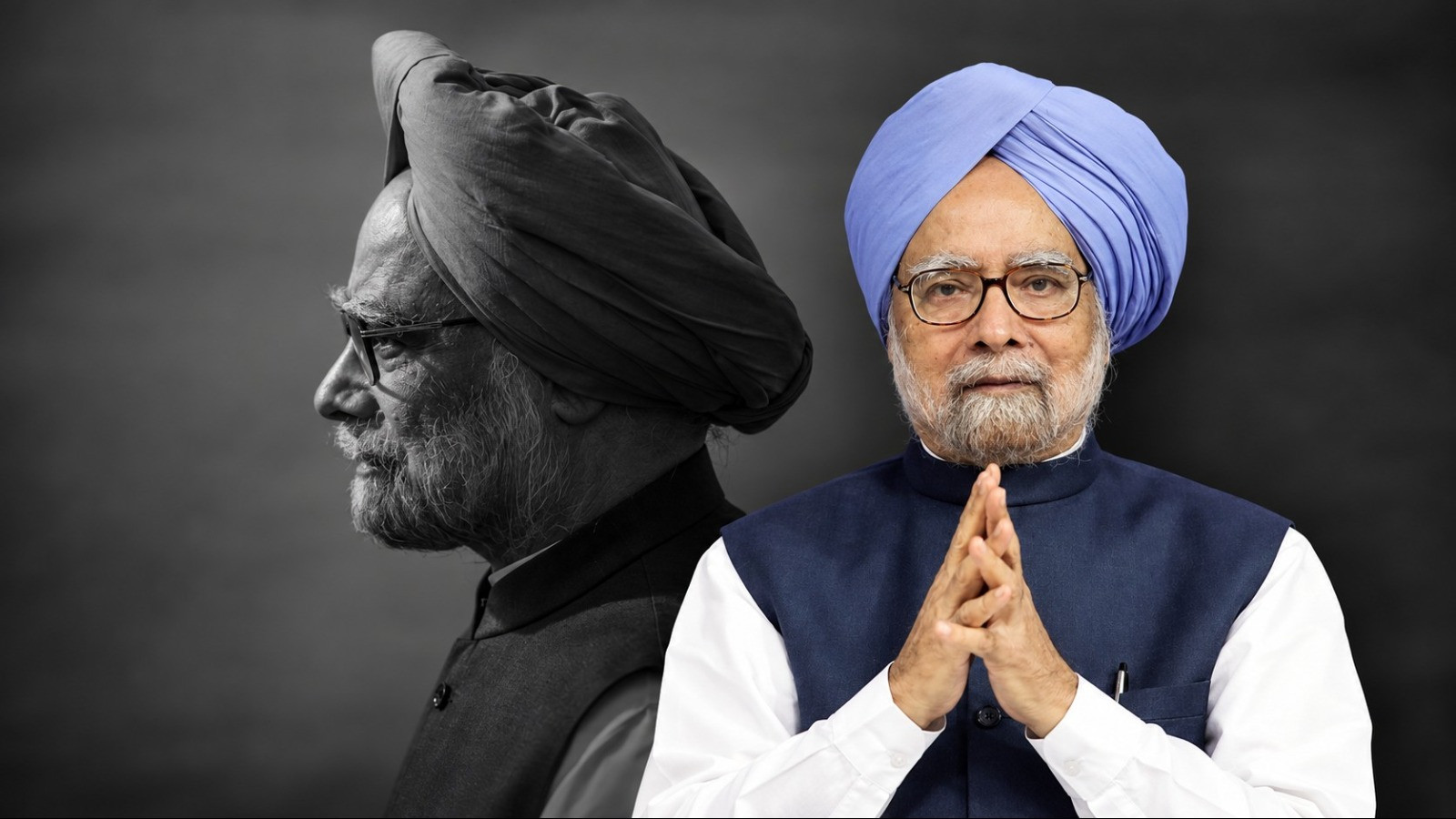
There is a need to revisit Manmohan Singh's story in today's context.
Dr. Manmohan Singh held his last major press conference on January 3, 2014, just a few months before leaving the office of Prime Minister. Journalists from across the country were present, and the questions were not easy. His government was surrounded by allegations of corruption, economic slowdown, and political crises. He was asked whether he had failed to manage his government's situation and whether history would remember him as a weak Prime Minister.
Manmohan Singh replied,
I sincerely believe that history will be kinder to me than the contemporary media or the opposition parties in Parliament.
He also stated that,
Coalition politics has its compulsions, and given the circumstances, I tried to do as much as I could.
At that time, it sounded like a defense from a Prime Minister whose government was going through its most difficult phase. However, now, in 2026, there is a reason to revisit that statement. One of the most controversial stories from Manmohan Singh's tenure as Prime Minister, the Talabira-II coal block allocation case, has now been concluded by the Supreme Court. On July 29, 2026, the Supreme Court accepted the CBI's closure report, terminating the ongoing criminal proceedings against him and also quashing the summons issued in 2015.
The person who was once summoned to court as an accused in this case has now seen that prolonged criminal proceeding come to an end. Manmohan Singh was not present to witness this decision, having passed away in December 2024. This is where the need to revisit Manmohan Singh's story arises.
Two Images of the Same Person
Manmohan Singh's political legacy often presents us with two distinct images. The first image is of the economist who played a crucial role in steering India's economy in a new direction during the economic crisis of 1991. The second image is of the Prime Minister whose second term was almost overshadowed by the noise of allegations of 2G, coal allocation, Commonwealth Games, inflation, and corruption.
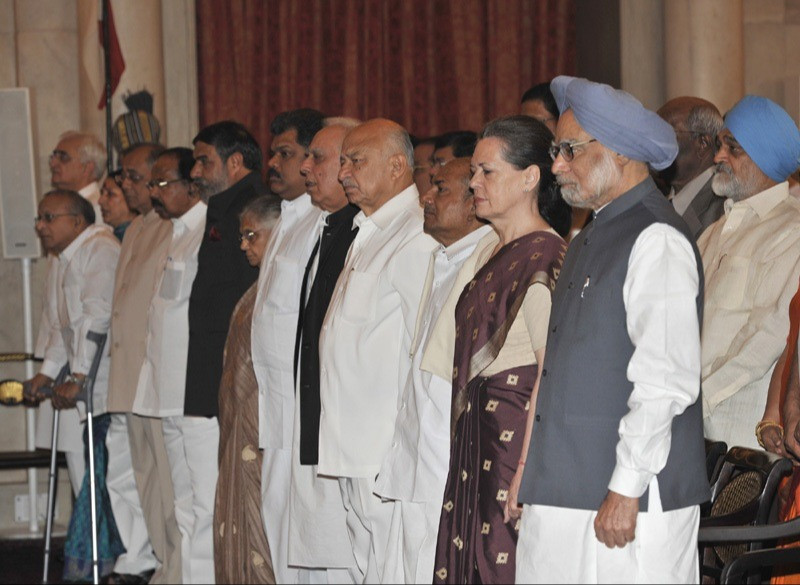
The problem perhaps lies in the fact that over time, the second image has grown so large that the first image has become less visible.
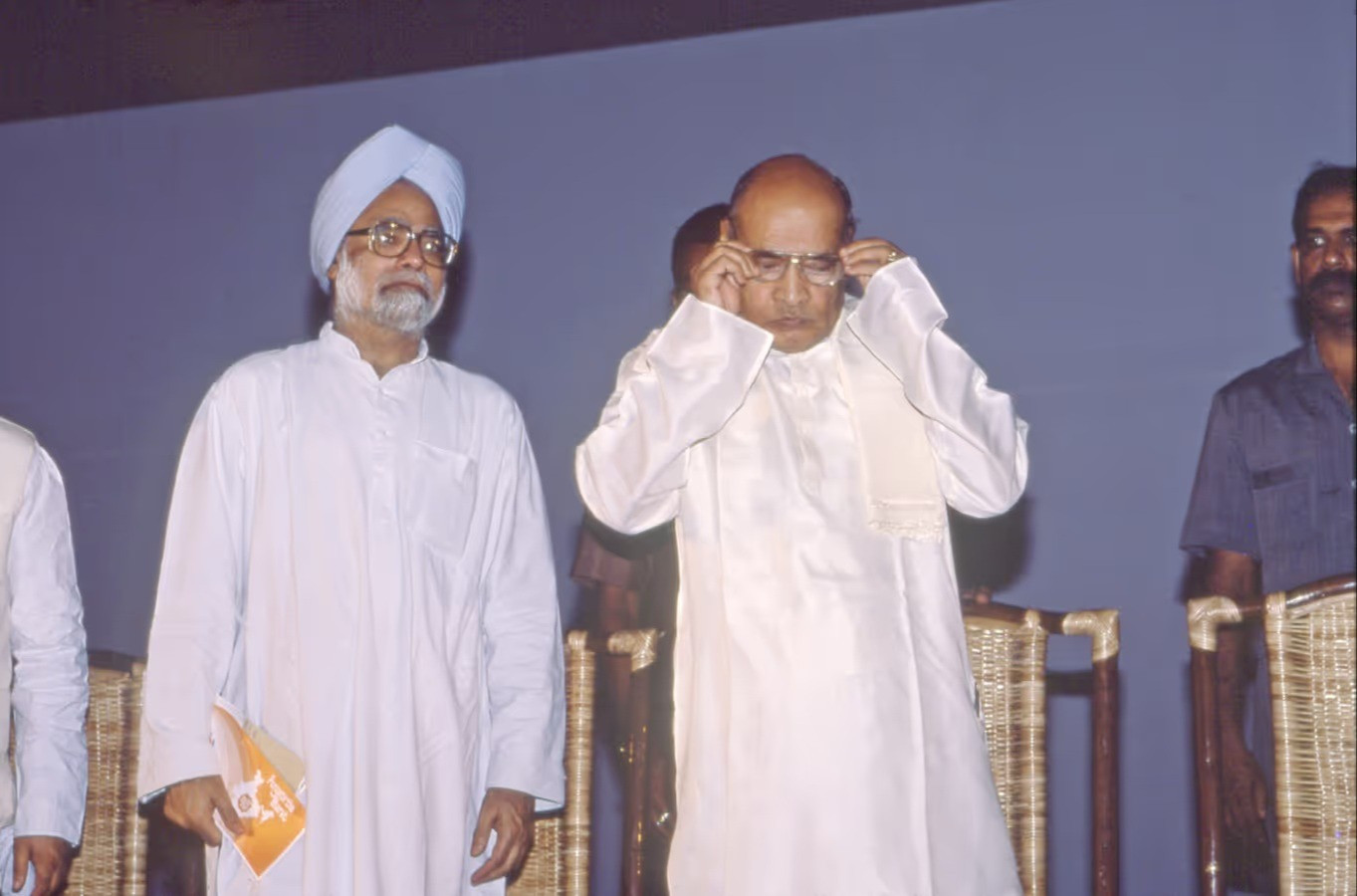
In 1991, India was going through a severe balance of payments crisis. Foreign exchange reserves had dwindled significantly, and the country was struggling to manage its imports and external payments. During this period, P.V. Narasimha Rao became Prime Minister and appointed Manmohan Singh as Finance Minister. This marked the beginning of the process of economic liberalization that brought significant changes to the structure of the Indian economy.
Changes in industrial licensing, reduction in import duties, opening up for foreign investment, and connecting the Indian economy to the global market were part of that transformation. However, it would not be accurate to attribute the 1991 economic reforms solely to Manmohan Singh's personal achievement. It was the result of both Narasimha Rao's political leadership and Manmohan Singh's economic understanding. Their roles in history are intertwined.
From Economist to Prime Minister
Then, the same economist became the Prime Minister of the country in 2004. This was one of the unusual events in Indian politics. Manmohan Singh was not a traditional mass leader. There was no major mass movement behind him, he was not an aggressive speaker in election campaigns, and his political approach was different from other leaders. He was more comfortable with the language of economics, administration, institutions, and dialogue.
However, after becoming Prime Minister, his government pushed forward several laws and policies that impacted everyday life. The Right to Information Act provided citizens with the legal right to seek information from the government. MGNREGA created a rights-based framework for guaranteeing employment for rural families. The Right to Education and food security laws further expanded the role of the welfare state.
The India-U.S. Civil Nuclear Agreement was also one of the significant initiatives of his tenure as Prime Minister. This agreement faced considerable political opposition within his own party and coalition. Questions were raised about the stability of the government, but Manmohan Singh stood firm in support of this agreement.
Thus, the narrative of his ten years as Prime Minister was not solely a story of scandals. However, politics often does not tell the whole story. It seeks a narrative that the public can easily remember. And during UPA-II, that narrative was corruption.
“From 'Silent Prime Minister' to 'Weak Prime Minister'
Gradually, the term 'Silent Prime Minister' began to be used for Manmohan Singh. Subsequently, this term became associated with the political perception of 'Weak Prime Minister.' Questions arose about who the Prime Minister actually was and who was running the government. The opposition made it a political weapon, and a section of the media continuously gave space to this perception.
2G and coal allocation controversies have further strengthened this image. But here, a crucial distinction must be understood. Political responsibility and criminal responsibility are not the same thing.
A government can make wrong policies. There can be administrative lapses in a decision. The Prime Minister can also bear political responsibility. However, a different level of evidence is required in court to convict an individual criminally. This distinction repeatedly appears in the story of Manmohan Singh.
2G and political perception
The 2G spectrum case became one of the biggest political troubles for UPA-II. The CAG report revealed a significant estimate of potential revenue loss, and the case became a central issue in national politics. However, in December 2017, a special CBI court acquitted all the accused in the case. The court's decision raised serious questions about the prosecution's case and its evidence.
This did not mean that every policy of the UPA government was vindicated or that political criticism of the government ceased. However, it did become clear that the case which was established as a major scandal in political discourse could not prove the charges in the criminal court. By then, however, significant damage had already been done to the political and public image. Manmohan Singh's personal image was also linked to the entire controversy.
The coal case and the verdict years later
Subsequently, the coal allocation case emerged. This controversy was also significant because Manmohan Singh had held additional charge of the coal ministry for some time during his tenure as Prime Minister. The Talabira-II coal block allocation case was allocated to Hindalco in 2005 and was later investigated.
In 2015, a special court summoned Manmohan Singh, industrialist Kumar Mangalam Birla, then coal secretary P.C. Parakh, and others as accused. At that time, it was not just a court news; it was political news. A former Prime Minister, known for his personal integrity for a long time, now had his name as an accused in the coal allocation case.
But the legal story did not end there. The CBI filed a closure report in the case. The matter continued in the courts, and ultimately, in July 2026, the Supreme Court accepted the CBI's closure report. The court quashed the summons order of 2015 and terminated the criminal proceedings against them. This is a significant judicial development. However, caution is also necessary in understanding it. The political allegations against Manmohan Singh, which were broadly linked to his personal character and integrity, are compelled to reconsider the events of Talabira-II. The case that was used to question his personal responsibility and integrity ultimately saw the termination of criminal proceedings against him.
This verdict serves as a lesson for both the media and the general public that politics should not be viewed solely based on allegations and narratives, but also on facts and judicial records.
Delayed justice and its human aspect
There is also a human aspect to this verdict that cannot be overlooked. Delayed justice is, in fact, not very just. Something similar happened with the former Prime Minister. Manmohan Singh passed away on December 26, 2024, and the person who endured constant criticism during the most challenging years of his Prime Ministership could not witness the final judicial outcome of the case against him. Perhaps this is the saddest part of his story.
But does this mean that all the allegations against him have been proven false? No. Simplifying history in such a way would not do justice to Manmohan Singh.
Allegations of corruption during UPA-II caused real political damage. The government faced serious challenges on economic and administrative fronts. There was criticism over delays in policy decisions. Coalition politics complicated the decision-making process. These issues cannot simply be dismissed because later court decisions in some cases were different. However, on the other hand, it would also be equally wrong to equate political allegations with judicial convictions. This is where the story of Manmohan Singh needs to be re-read in the present context.
In politics, image sometimes moves faster than facts
His greatest political tragedy was perhaps that he did not play politics in the same language as his opponents. He did not respond to every allegation with aggressive speeches. He did not appear before the camera every day. He was not a leader who responded to political noise with political noise. Therefore, perhaps his silence was gradually perceived as his weakness.
But silence and inactivity are not the same thing.
Manmohan Singh's public style had a kind of shy humility. He was someone who preferred to leave his work on record rather than speak much about it. Perhaps this approach seems unusual in today's political climate, but looking at his entire political journey, it was part of his personality.
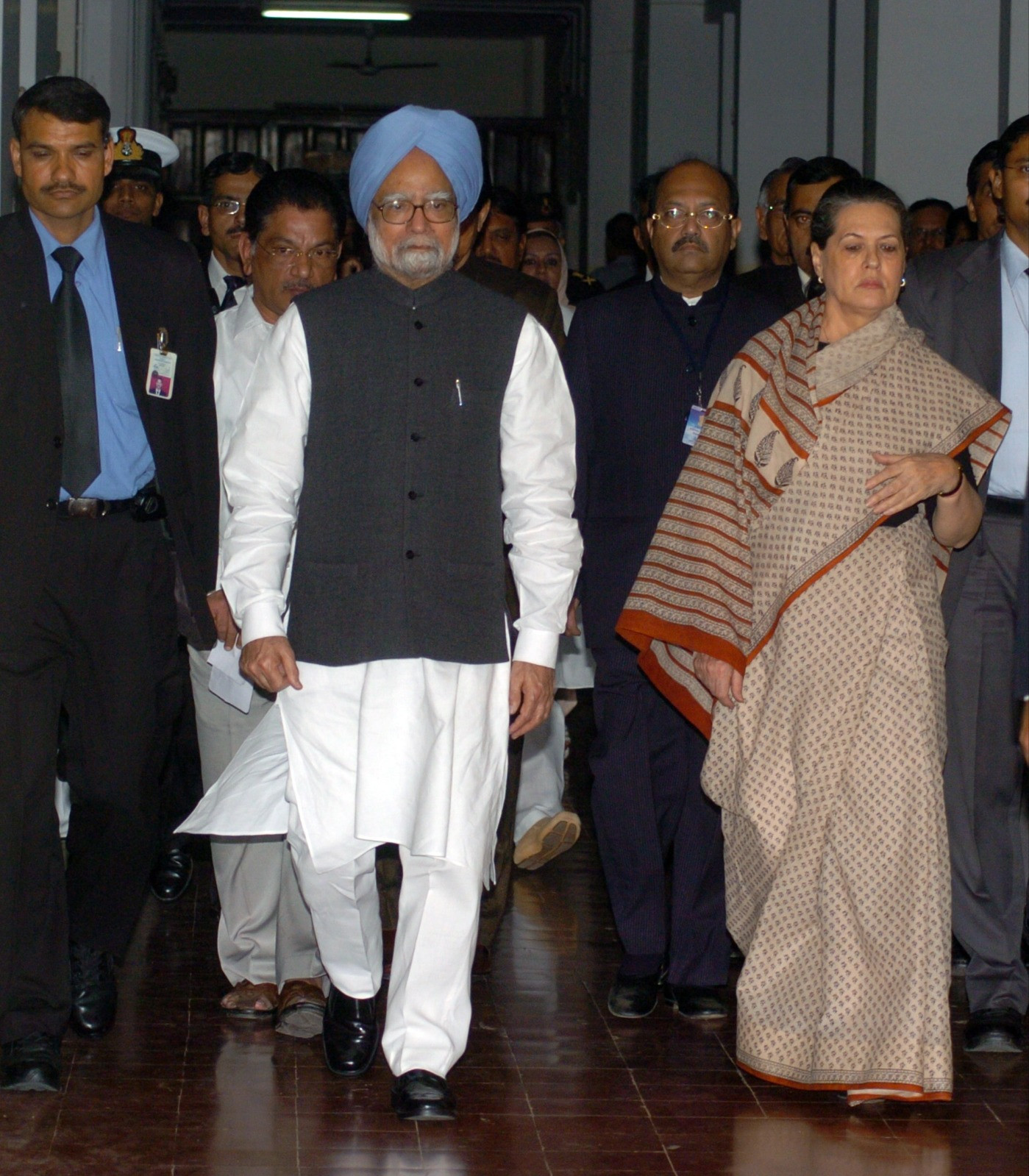
When allegations were being made against the government, Manmohan Singh became more of a political symbol than just an individual. For the opposition, he was the face of UPA's failures. For a section of the media, he had become the image of a weak and controlled Prime Minister. For the Congress, he was the Prime Minister running the government amid the complexities of coalition politics. But the truth was perhaps far more complex than these three images.
The job of history is not to repeat political slogans
The legacy of any Prime Minister cannot be understood solely through the political noise of their last years in office. To understand Manmohan Singh , one must also look at 1991, 2004, the achievements of UPA-I, and the failures of UPA-II. We need to consider RTI and MGNREGA, as well as the 2G and coal controversies. The nuclear agreement must also be understood, along with the limitations of coalition governance. And now we must also look at the judicial outcomes of the allegations that impacted his public image.
When all these aspects are put together, a complete picture of Manmohan Singh emerges. On one hand, he is the economist who played a crucial role in changing the country's economic direction during the crisis of 1991. On the other hand, he is the Prime Minister under whose tenure several rights-based laws were enacted. He is also the Prime Minister who faced serious political crises during UPA-II. And he is the same person who, in the final years of his life, left saying that history might judge him differently from the political noise of his time.
Today, as time passes, his statement seems to be proving largely correct. Certainly, there were mistakes in his government. There were political limitations. There were administrative shortcomings. But to equate every political allegation against him with personal criminal culpability does not do justice to either fact or law.
The Legacy of Manmohan Singh
Despite numerous allegations and controversies, it is not easy to encapsulate Manmohan Singh's legacy in a few words. He was “silent,” but his work had a profound impact on India's economy and its role in the world. His strategic decisions, logical thinking, and foresight laid the foundation for many changes whose effects extended beyond his tenure as Prime Minister.
Dr. Singh was a politician whose greatest strength perhaps became what his opponents labeled his greatest weakness: his restraint.
The then-opposition leveled numerous allegations against him, and a section of the media repeated those allegations so often that they became part of public perception. But time has its own way. It gradually clears the dust settled over the noise. Courts examine evidence, records come to light, and then time begins to separate those things that were once painted with the same brush.
Perhaps the same is happening with former Prime Minister Dr. Manmohan Singh. The years in which he was continuously put on trial now seem to require a re-reading. Without denying the shortcomings of his government, acknowledging his contributions and understanding the difference between political allegations and judicial conclusions would be the most honest approach towards him. Manmohan Singh had said that history would be kind to him. History may not be kind. But now it has a long record separate from political slogans. Politics delivers immediate judgments. Courts examine evidence. And in the end, time reveals the difference between the two.
Perhaps the beginning of understanding Manmohan Singh's legacy starts here - as a Prime Minister who was defeated by his politics, but whose history is yet to be fully read.