
US companies benefit from UPI payment charges

The UPI system is dominated by two major American companies.
UPI payment will now incur a fee of 0.4 percent. This has been termed the Merchant Discount Rate (MDR). Is this really a discount? A discount implies relief, but this is no relief. In fact, it is a fee or charge. Yet, it is still being referred to as a discount, which is a major deception. This fee is expected to start being collected from October 15.
In India, UPI facilitates transactions worth approximately ₹87 lakh crore daily. This amounts to around ₹318 lakh crore in transactions annually. The number of users utilizing UPI in the country is about 55 crore. The government claims that nearly 95 percent of the transactions are for amounts less than ₹2000.
This means that approximately ₹17 lakh crore in transactions annually exceed ₹2000. A fee of 0.4 percent will be levied on these. This implies that for every ₹100, a fee of 40 paise will be charged, and for every ₹1000 transaction, a fee of ₹4 will be collected.
The question is, who will benefit from this fee? It is expected that this fee will amount to around ₹2000 crore annually.
Interestingly,
UPI operates with two of the largest companies being foreign firms. One is Gpay, which holds about 33 percent of the total transactions, and the other is PhonePe, which has a market share of around 46 percent. The parent company of GPay is Google, and PhonePe is owned by Walmart.

Both are American companies, and their combined share is nearly 79 percent. This means that a significant portion of the fee paid by Indian customers will also go to these companies.
The government statement says that the fee collected will be distributed among banks, apps, and payment service provider companies. These payment service provider companies include those offering credit cards, debit cards, and digital wallet services.
The question is, as a result of this, merchants, malls, or other service providers will recover this from customers, leading to an increase in the prices of goods and services.
Payments Council of India had demanded the collection of this fee. This organization includes companies and banks. Their argument was that digital payments are free, so they cannot recover the costs incurred in managing the digital network. Therefore, RBI accepted their demand.
However, neither RBI nor the government has consulted consumer organizations or the opposition regarding this matter, nor have they sought their opinions. Thus, this entire decision appears to be a dictatorial decision. On one hand, there are discussions about encouraging people for digital payments, and on the other hand, the movement to charge people for it has intensified.
When demonetization was implemented in 2016, it was claimed that it was done to increase digital financial transactions. Then during the COVID period, the slogan of self-reliant India was given, but in the UPI payment system, foreign companies have the largest contribution, and therefore it is certain that they will take away the most amount from this fee.
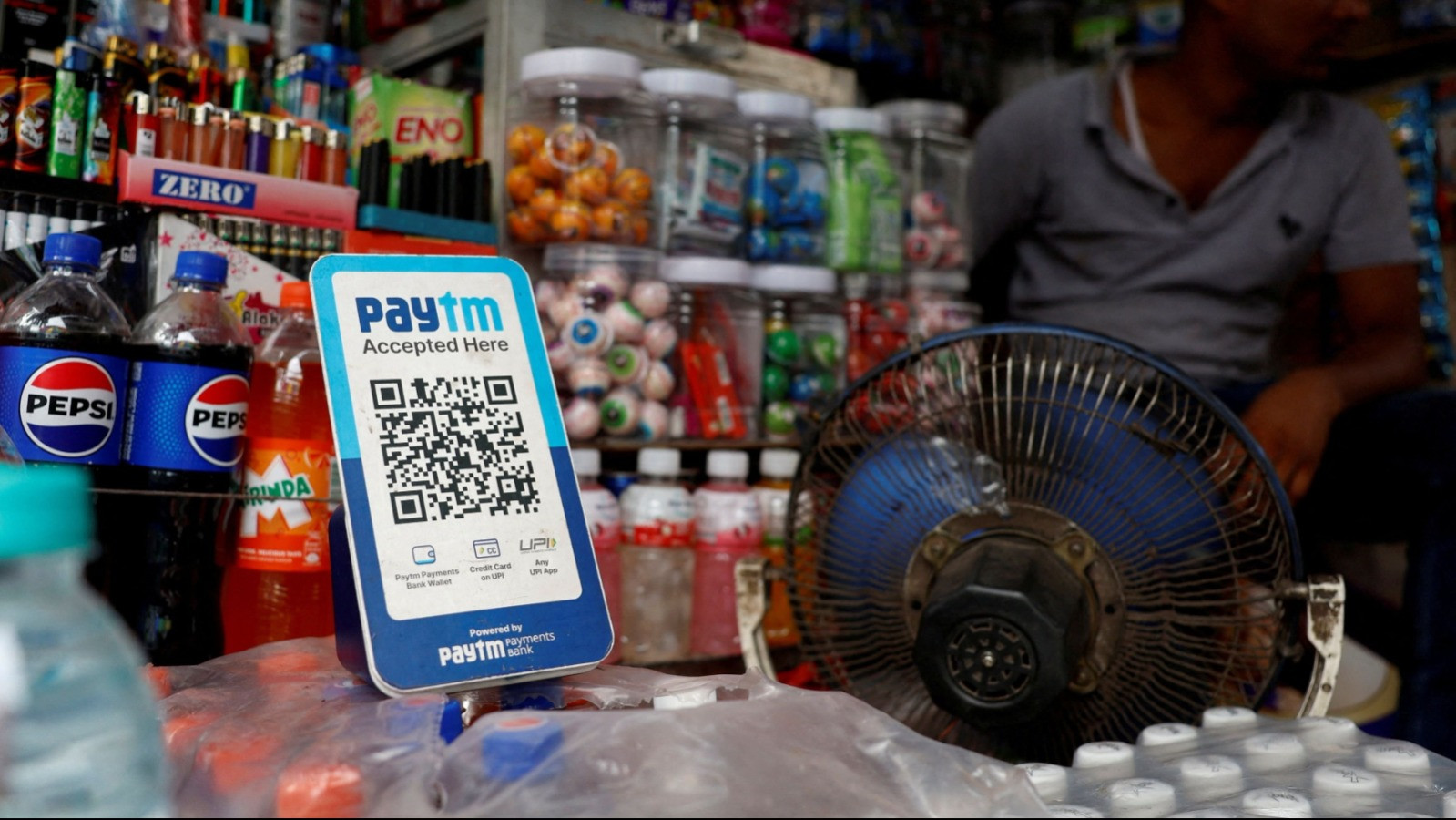
The decision to impose this fee has been made by the National Payments Corporation of India (NPCI). This company was established by the Reserve Bank, and its owners include government, private, and foreign banks. There has been no discussion with customer organizations by this NPCI . The finance ministry has also not been known to have had any discussions with customer organizations on this issue. This is not a tax from the government, nor is it a fee from the government. It is a fee or charge from companies. But the truth is that the regulation of all banks is done by RBI, so how can the government evade its responsibility?
NPCI has not disclosed how much total income will be generated from this fee or charge for companies or banks. This also means that it is not transparent as a regulatory body and is not accountable to the public.
Therefore, it seems that this fee is being imposed without any democratic process for the benefit of banks and foreign companies that hold apps. This is a matter of financial dictatorship.
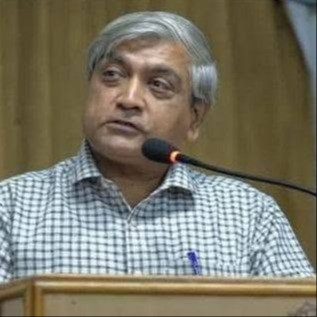
Pro. Hemantkumar Shah
प्रो शाह जाने-माने अर्थशास्त्री हैं और गुजरात में लंबे समय तक अध्यापन के बाद लेखन और सामाजिक कार्यों में सक्रिय हैं।