
Iran hits back at Israel over chemical weapons allegations

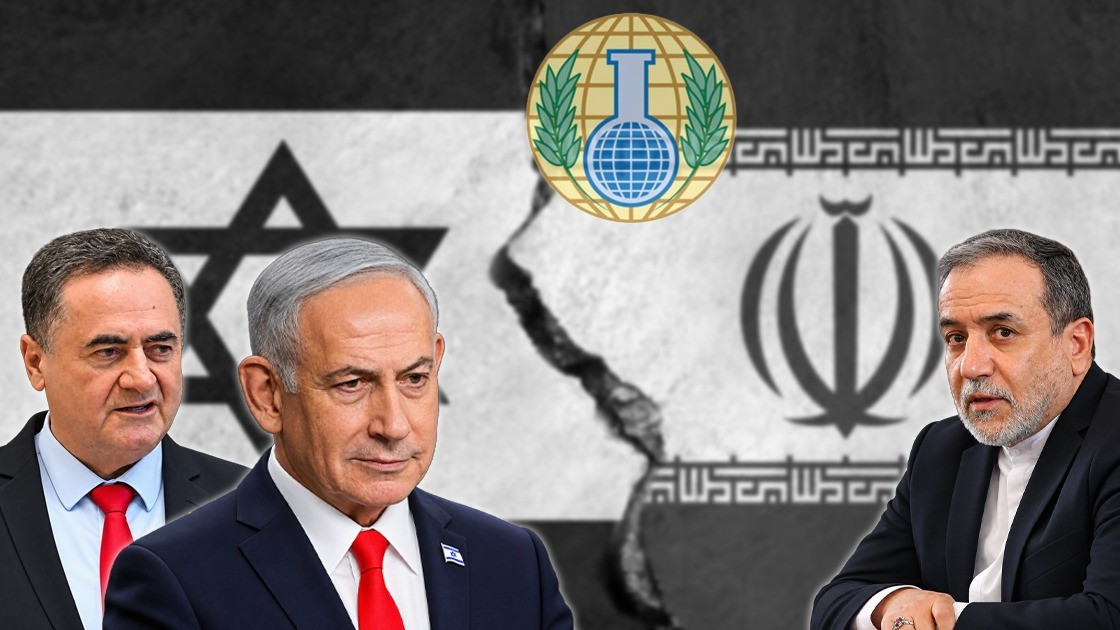
Iran says accusations that it is hiding chemical weapons in pharmaceutical factories are being used to justify potential strikes on them.
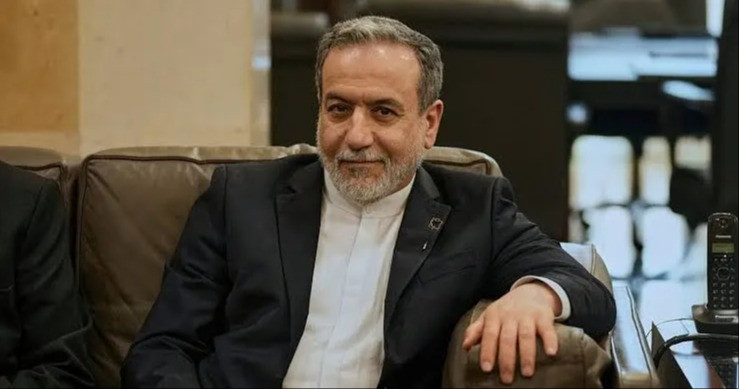
Amid growing fears of war in West Asia, leaders in Iran and Israel are trading verbal attacks. Iranian Foreign Minister Abbas Araghchi has accused Israel of trying to drag the United States into another war. In a post on X on Wednesday, November 25, he wrote, “Every accusation from Israel is a confession.” His statement came in response to Israeli Defence Minister Israel Katz’s allegation that Iran was developing chemical weapons.

The dispute began with a statement by Israel Katz on Tuesday. He said Iran was in the process of developing chemical weapons, but had not yet acquired the capability to attack Israel with them. He also said this had to be stopped. However, according to The Times of Israel, Israel Katz did not say where the programme was being carried out or how far it had progressed.
Rejecting the allegations, Abbas Araghchi said Israel was creating the conditions for military action. He said the allegation that chemical weapons were being hidden in Iranian pharmaceutical factories could be an attempt to target them. He claimed the aim was to prepare the United States to fight another war on Israel’s behalf. However, AIPAC’s (American Israel Public Affairs Committee) influence in US politics, and the failure of Western nations to act under international law despite the ongoing genocide in Palestine, are enough to show which countries’ leaders are warmongers.
The political meaning of Abbas Araghchi’s “confession” remark is clear. Against the backdrop of Israel not being party to any international nuclear treaty and Iran’s nuclear programme being subject to international scrutiny, Abbas Araghchi’s statement is an attempt to put forward his political understanding before that section of the world which remains obsessed with championing rights and can hear the cries of the oppressed.
It is important to understand the status of international agreements in this debate. According to the United Nations record, Iran recognised the Chemical Weapons Convention in 1997. Israel signed it in 1993 but has not yet incorporated it into its domestic law. Therefore, there is a difference between signing the convention and becoming a full member. At the same time, membership does not prove every claim made by a country; its actual conduct must also be examined. In this context, the Iranian Foreign Minister said Israel was putting the security of the entire world at risk.
The issue of chemical weapons is also extremely sensitive for Iran because of its history. On June 28, 1987, its city of Sardasht was hit by a chemical attack. According to the Organisation for the Prohibition of Chemical Weapons (OPCW), more than a hundred people were killed and thousands affected. Many survivors suffered health problems for a long time. This history explains why references to such weapons cause deep concern there.
The humanitarian dimension of the allegations concerning pharmaceutical factories is also serious. Solid evidence is needed to link an industrial complex to a weapons programme. The mere presence of chemicals or related technology does not prove military use. If such allegations become the basis for a military strike, the safety of patients, employees and people living nearby becomes a concern. Investigations and the protection of civilians must therefore be prioritised. It is also important to note that Israel has carried out such attacks before, resulting in the deaths of civilians.
Meanwhile, there is no consensus within Israel on launching an immediate attack. Senior leader Avigdor Lieberman said the claims related to chemical weapons were serious, but an immediate unilateral attack was not rational from an intelligence and military perspective. He also questioned the intentions of Acting Prime Minister Benjamin Netanyahu and Israel Katz. Israel Katz, on the other hand, denied that political considerations were behind military decisions.
The United States’ role is important because Israel Katz has claimed that preparations are under way for joint action with the US Central Command. According to him, plans for action are ready and US President Donald Trump will take the final decision on the matter. However, this is Israel Katz’s statement; it would be wrong to treat it as a definite announcement of an attack. Even so, such language could narrow the scope for dialogue and increase pressure on both sides to step up military preparations.