
Congress to defend Constitution, says all fundamental rights depend on voting rights

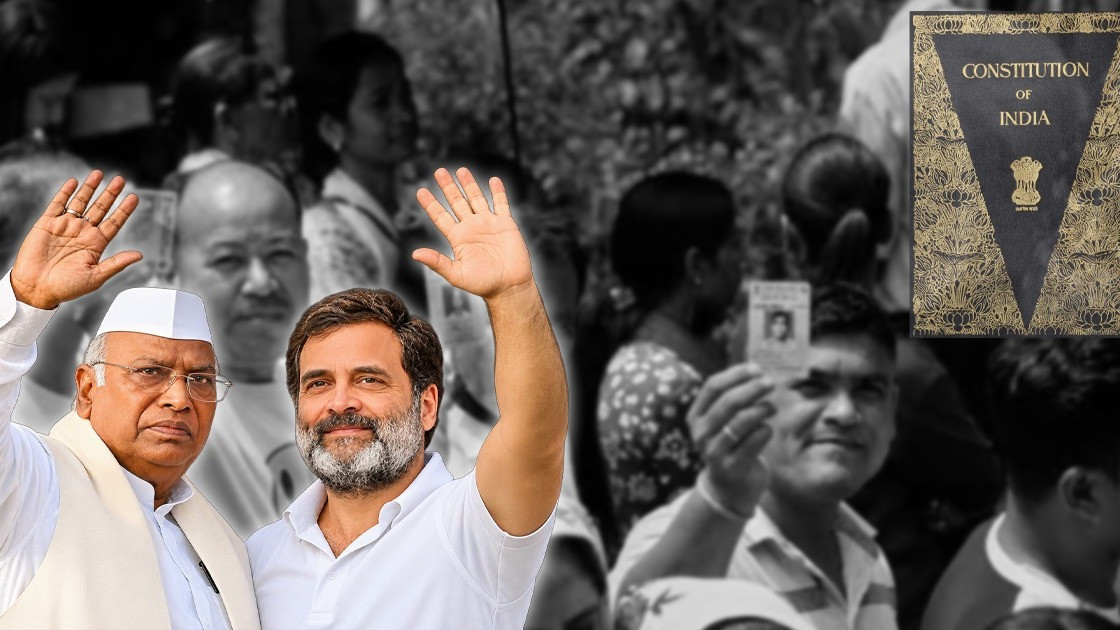
The party wants to link allegations of vote theft to a wider debate on citizens’ rights and democratic accountability.
With a collective reading of the Preamble to the Constitution, a pledge to protect voting rights and questions over names being deleted from electoral rolls, the Congress is set to make Constitution Day on November 26 a major milestone in its campaign for electoral transparency. The party announced on Thursday that it would hold Samvidhan Raksha marches across various States. Congress president Mallikarjun Kharge will join the march in Lucknow. Through these events, the party wants to link its allegations of “vote chori” to a broader debate on citizens’ rights and democratic accountability.
According to Congress general secretary and organisation in-charge K.C. Venugopal, the Pradesh Congress Committees will organise marches in their respective States. The events are planned to begin with tributes at a statue of Mahatma Gandhi or Dr B.R. Ambedkar. Workers and citizens will then read the Preamble to the Constitution and pledge to protect its values. Rather than limiting the events to speeches by leaders, the party wants them to involve public participation.
The choice of Constitution Day for the campaign is significant. The Constituent Assembly adopted the Constitution on November 26, 1949, while it came into force on January 26, 1950. November 26 has been formally observed as Constitution Day since 2015. On this occasion, the Congress is placing the role of the voter at the centre, alongside the values of justice, liberty, equality and fraternity. Its political message is that effective electoral participation by citizens is a basic condition for democracy.
The controversy over the Special Intensive Revision (SIR) of electoral rolls is a major reason behind the Samvidhan Raksha marches. K.C. Venugopal has referred to alleged fake and duplicate entries in Karnataka’s Mahadevapura, alleged attempts to delete voters’ names in Aland, and complaints from other States. The Congress alleges that there has been no sign of a fair inquiry or adequate transparency in these cases.
Changes to the programme are also worth noting. Events had initially been planned for November 25 and 26 under the ‘Delhi Chalo’ campaign. The party postponed them to a later date and gave priority to marches in the States. It has also scheduled ‘Vote Rakshak’ workers to verify names deleted at the booth level from November 22 to 30, and ‘Vote Bachao, Desh Bachao’ chaupals in villages from November 29 to December 15. This is an attempt to connect street protests with local verification and public outreach.
The event in Lucknow has particular political significance. According to the announced programme, the march will proceed from the Pradesh Congress headquarters to the Ambedkar statue in Hazratganj. In view of Kharge’s participation, the State organisation has assigned responsibilities to office-bearers in districts and cities. Ahead of the Assembly election in Uttar Pradesh, the event will give the Congress an opportunity to mobilise its workers and reach citizens on the issue of social justice. Its political value will depend on participation as well as the organisational work that follows.
Preparations are also under way at the local level in other States. The Haryana Congress has announced a march in Panchkula along with a voter verification campaign. In Madhya Pradesh, the event initially planned for Bhopal has been shifted to Jabalpur. The Maharashtra Congress will hold a State-level ‘Samvidhan Bachav Rally’ in Thane. It would therefore be inaccurate to say that all the events are confined to State capitals; Pradesh units have chosen venues according to local circumstances.
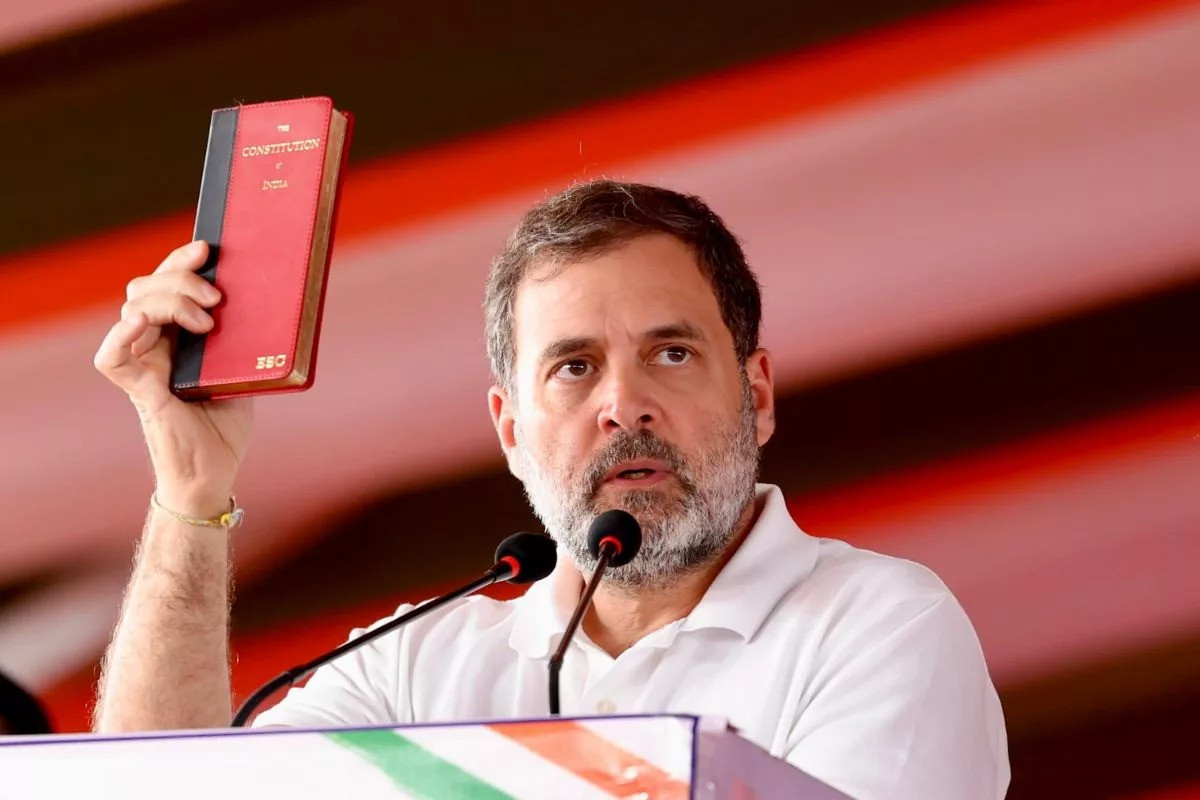
It is also necessary to understand the election administration’s position in this entire controversy. The Delhi Chief Electoral Officer’s notification on the SIR says its objective is to ensure that no eligible citizen is left out. The official process also provides opportunities to file claims and objections. The question, therefore, is not merely whether a revision is being conducted, but whether it is being carried out fairly. Where an eligible person’s name has been wrongly deleted, there must be an accessible system for notice, a hearing and correction. Referring to Article 324 of the Constitution in connection with the issue involving the Election Commission, Congress general secretary K.C. Venugopal said that when you take away a person’s right to vote, all the other rights provided in the Constitution become meaningless.
The credibility of the Congress campaign will depend on how many cases its workers document in this context. The reason for a name’s deletion, the person’s eligibility and the administration’s action on the complaint should be clear. It will be necessary to go beyond citing large numbers and present verified examples. Election officials, too, should make public responses to complaints and progress on corrections in an understandable manner.
The November 26 marches are an opportunity for political mobilisation for the Congress, but their significance for citizens will be determined by practical outcomes. If the campaign helps identify eligible voters’ problems, assist them in filing applications and secure timely resolution, its impact will extend beyond the day of the event. The pledge to protect the Constitution will be meaningful only when citizens can exercise their rights without discrimination, unnecessary hurdles or fear. This effort is also important to uphold the spirit of “We, the People” in the Preamble to the Constitution.