Tensions rise in the Gulf as Iran attacks Bahrain
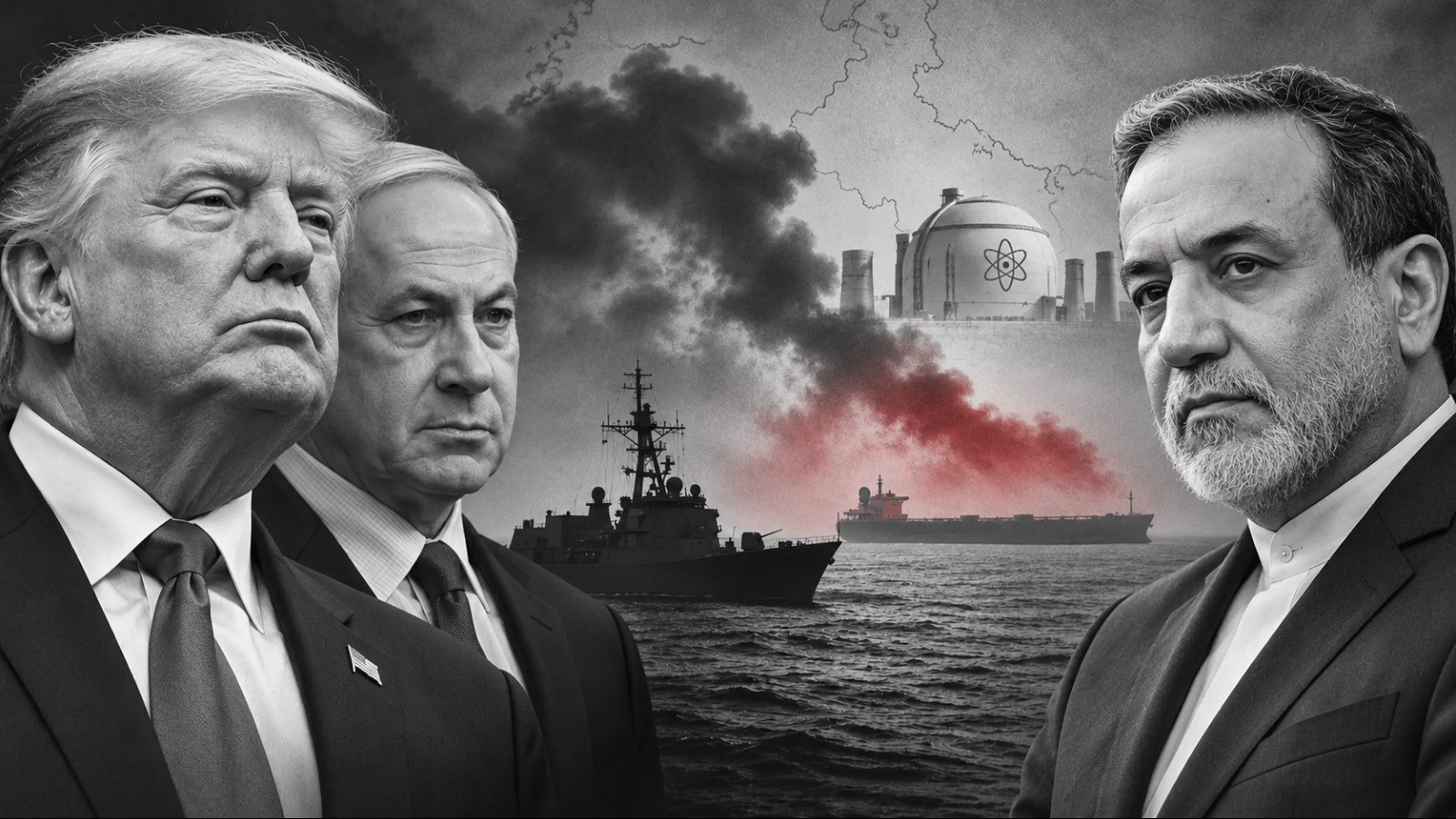
Amid ongoing Iranian assaults on Bahrain and Netanyahu's increasing pressure on Trump, the prospect of war looms larger.
Amid the ongoing military confrontation between Iran and the United States, West Asia appears to be once again engulfed in the fear of a widespread regional conflict. U.S. President Donald Trump is considering options for further military action against Iran in collaboration with Israel. Israeli website Mako has claimed this citing two sources. However, a senior U.S. official has stated that no final decision has been made in this regard. According to the official, discussions on this issue may take place after Trump's return from his visit to China.

This development comes at a time when military attacks between the U.S. and Iran are ongoing, while regional diplomatic efforts to end the conflict are also underway. The U.S. administration is considering various options to prevent Iran from developing nuclear weapons. According to Mako's report, outgoing Israeli Prime Minister Benjamin Netanyahu is urging Washington to take strict measures against Iran. In this context, Mossad chief Roman Gofman met with U.S. officials in Washington last week. Gofman advocated for strong actions against Iran.
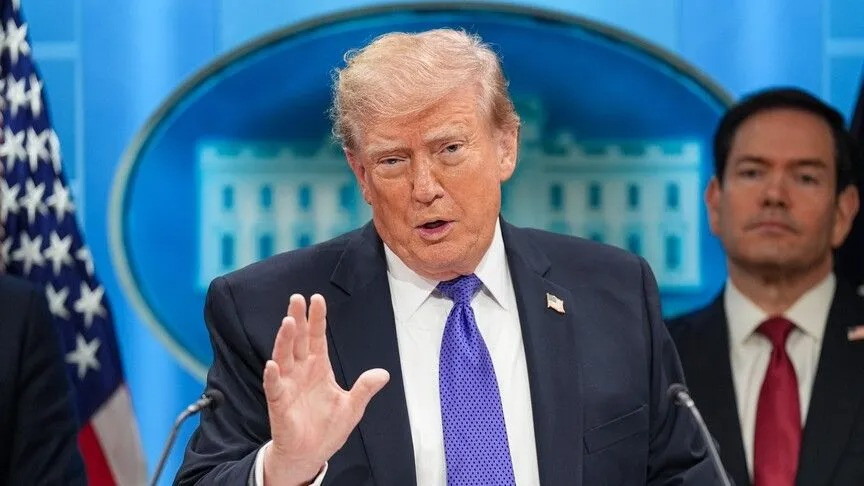
However, there is still no clarity regarding Trump's strategy. In an interview with Fox News on Saturday, he stated that he wants an agreement with Iran that would be long-lasting and prevent it from acquiring nuclear weapons in the future. This indicates that despite military pressure, the option for dialogue remains open. But the question remains whether the U.S. will halt military action to engage in talks or maintain attacks and blockades as a means to exert pressure on Tehran.
Meanwhile, reports of a U.S. attack on Iran's Qeshm Island have emerged. A U.S. military official told Al Jazeera that an Iranian missile launch site on the island was targeted in a precise strike. According to India Today, the target was a missile launch center of Iran's Islamic Revolutionary Guard Corps (IRGC). The U.S. official described it as a response to an Iranian attack on a U.S. military base in Bahrain.
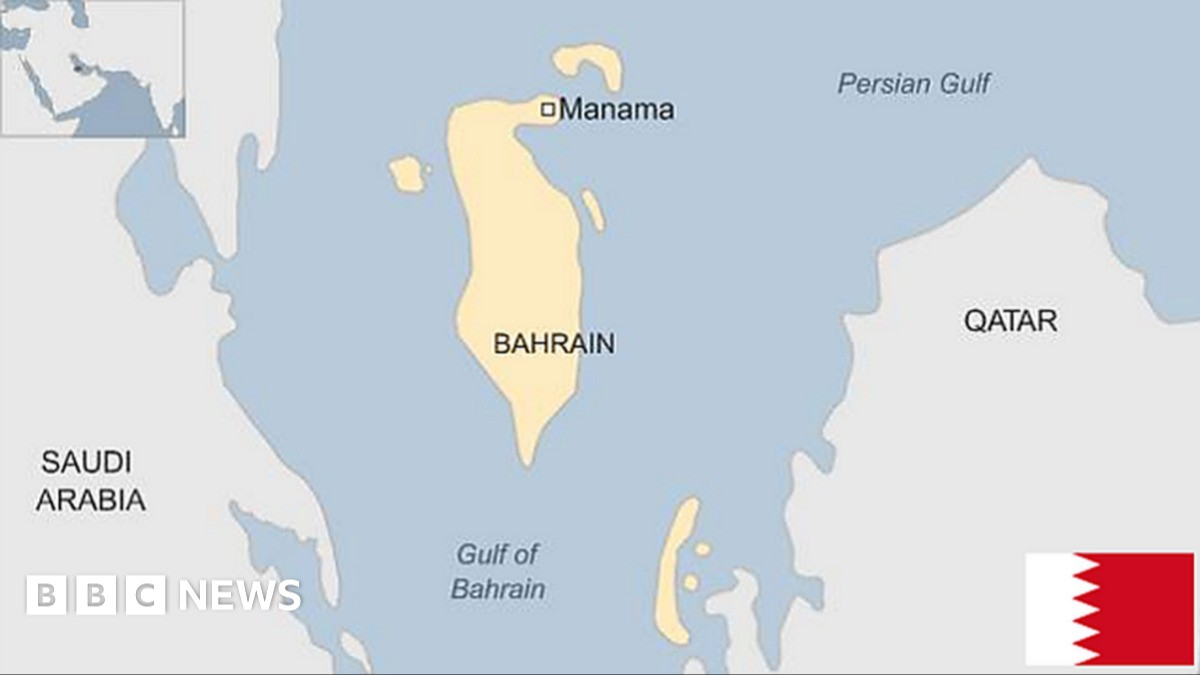
Tensions have escalated in Bahrain. Iran's Revolutionary Guards claimed that they carried out missile and drone attacks on two U.S. Patriot radar systems at military bases in Bahrain on Saturday night. According to the Iranian side, these attacks were carried out on bases located in Rifa and Awali. On the other hand, Bahrain stated that its air defense systems intercepted several aerial threats. Bahrain's Ministry of Interior also reported that an Iranian attack caused a fire in a civilian industrial complex and damaged property, although no injuries were reported.
Earlier, the Iranian Revolutionary Guards had claimed to target the U.S. radar system at Bahrain's Sheikh Isa Airbase. Bahrain stated that it thwarted that attack and reported no injuries or damage. These incidents make it clear that the conflict between Iran and the U.S. is no longer limited to military bases of the two countries. Countries in the Gulf region with U.S. military presence are also being caught in the crossfire.
Reports of a fire at Saudi Arabia's Jizan port have also surfaced. Some surveillance reports indicated a fire in the port area based on satellite images. However, the available information does not independently confirm the cause of the fire or its relation to any attack. Therefore, it should currently be viewed as a reported incident. If ports and energy infrastructure in this region are targeted, it could impact the security and maritime trade of Gulf countries.
The most sensitive situation remains in the Strait of Hormuz. The UK's maritime agency UKMTO reported on Saturday two attacks on oil tankers. An unknown object struck the rear of one ship, while the engine room of the other was damaged. There were no immediate reports of casualties. The Iranian Revolutionary Guards claimed that three oil tankers caught fire due to colliding with naval mines in the eastern part of the strait.
Another report regarding shipping in Hormuz is related to the Iranian supertanker 'Khatshikan', which is said to mean 'line breaker'. Some reports claimed that this tanker has crossed the strait and could reach the limits of the U.S. blockade within 24 hours. However, independent confirmation of this ship's journey and its current status is not available. If this news proves correct, it would be a significant development in the ongoing confrontation between the U.S. blockade and Iran's maritime movement.
An extraordinary view of the escalating threat in Hormuz has emerged from the experience of British swimmer and United Nations special envoy for ocean conservation Lewis Pugh. According to the Associated Press report, Pugh swam approximately 15 kilometers in the strait over three days. He reported hearing the sounds of two large explosions just minutes after entering the water. Later, he also saw a gas carrier ship engulfed in flames. Pugh aimed to draw attention to the damage to the marine environment caused by war through this swim. He stated that the leakage of oil and chemicals from damaged ships poses a long-term threat to marine life, coral reefs, and coastal ecosystems.
The significance of the Strait of Hormuz is not limited to Iran and Gulf countries. Before the war, nearly one-fifth of the world's oil trade passed through this route. Countries like India, China, Japan, and South Korea depend on energy supplies that come through this route. If attacks on ships continue or movement is disrupted due to the U.S. blockade and Iranian sanctions, oil prices could rise. For India, this would mean expensive imports, pressure on the rupee, and an increase in domestic inflation.
The impact of this conflict is also beginning to show on the internal security and politics of other countries. Reports indicate that Iraq's interior minister has instructed the removal of combat units from the streets and the deployment of only emergency and traffic police. According to reports, combat forces are to be sent back to their designated units. This step comes at a time when there is sensitivity regarding security arrangements amid the presence of Iran-backed armed groups and U.S. pressure in Iraq. However, the scope of this order and details of its implementation are not independently clear.
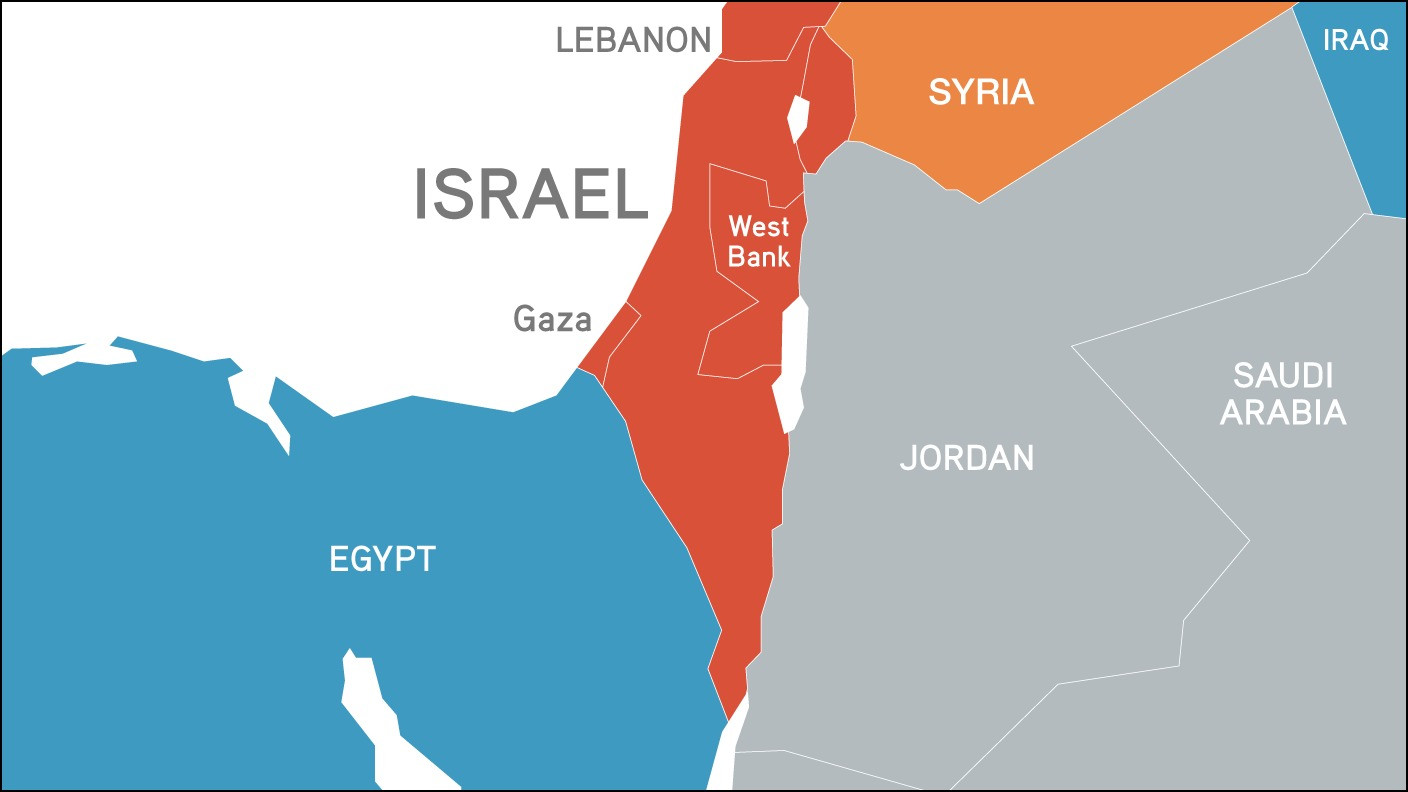
Tensions are also ongoing in Palestine. The Palestinian news agency Wafa reported on November 20 that the Israeli army raided the village of Kafr Qalil near Nablus and searched several homes. According to the report, two people were detained during this operation. Reports of Israeli naval boats firing machine guns at Palestinian fishermen off the coast of Gaza have also emerged. However, available reports do not independently confirm the date and circumstances of this particular incident. Earlier in November, Wafa reported Israeli naval gunfire on Palestinian fishermen off the coast of Deir al-Balah and the detention of some individuals.
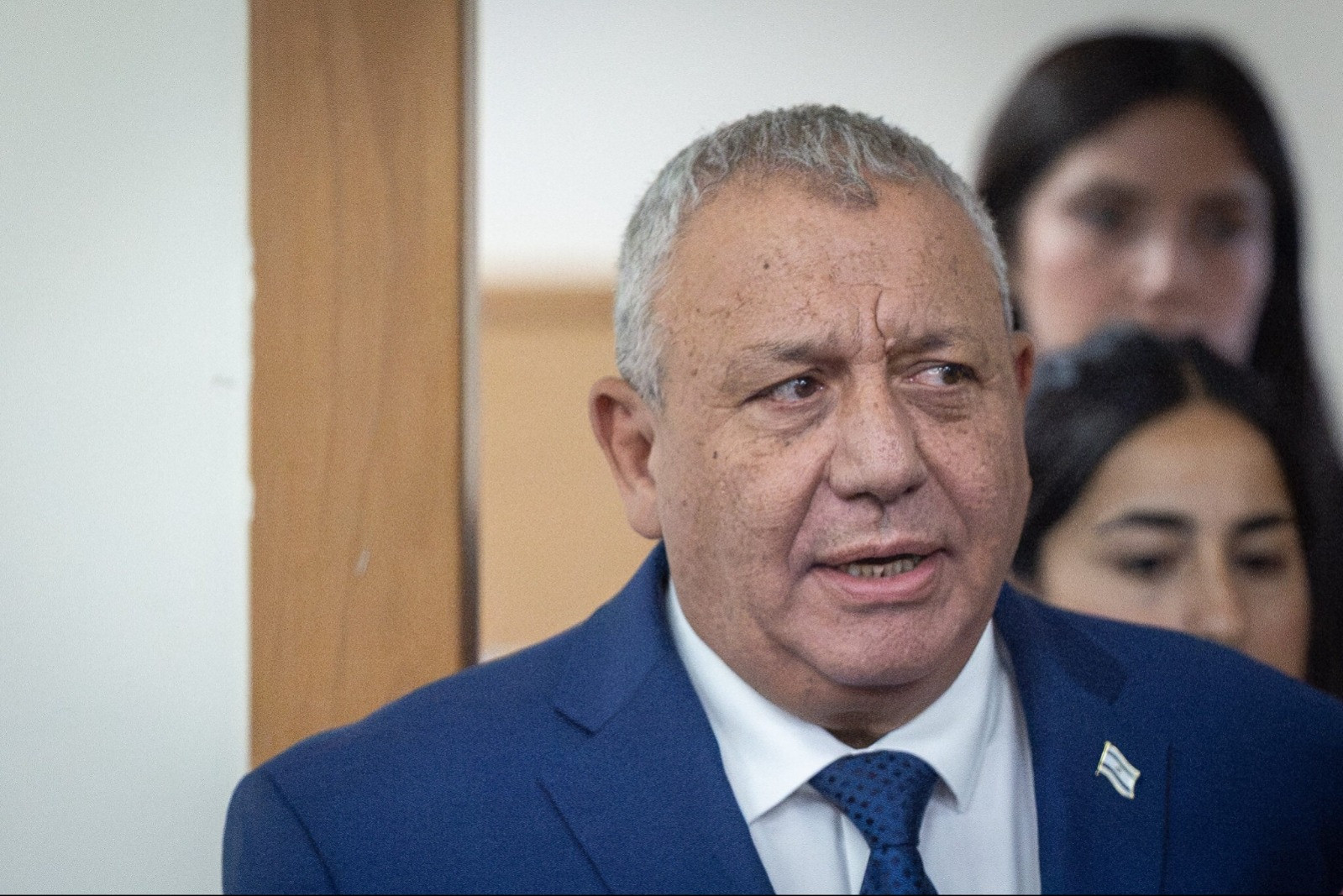
Political developments within Israel are also rapidly changing. Gadi Eisenkot has invited the Likud party for a 'marathon negotiation' on the coalition starting Sunday. Former Prime Minister Naftali Bennett has supported the formation of a national unity government under Eisenkot's leadership. Bennett has stated that he will not join the government led by Benjamin Netanyahu. Eisenkot's initiative comes at a time when negotiations among various political factions regarding the formation of a new government in Israel are ongoing. Differences remain between the Likud and Eisenkot's camp regarding leadership and coalition terms.
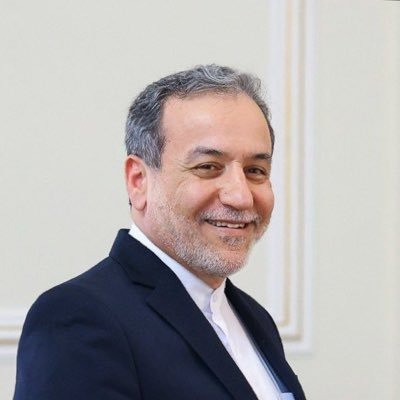
Iran's Foreign Minister Abbas Araghchi has stated that there is an opportunity to advance the ongoing talks in the region and has demanded the lifting of the U.S. blockade. According to Iran's Deputy Foreign Minister Kazem Gharibabadi, a delegation from Qatar has arrived in Tehran, and discussions between both sides lasted for about two hours. Qatar's role is significant as it has previously mediated in regional crises. A direct conflict between the U.S. and Iran poses a threat not only to security but also to energy supply, trade, and investment for Gulf countries.
The biggest question at the moment is whether Trump will choose to escalate military pressure or reach an agreement to advance negotiations. Israel's demands, U.S. domestic politics, Gulf countries' security concerns, and the global energy market will influence this decision. It will not be easy to eliminate Iran's nuclear program solely through military attacks. Furthermore, continuous attacks could prompt Iran to retaliate against U.S. bases and maritime trade in the region.
Reports of attacks on ships in Hormuz, targeting military bases and industrial complexes in Bahrain, and fires at Saudi Arabian ports indicate that the scope of this conflict could widen. On the other hand, Qatar's mediation and Iran's offer for talks keep the possibility of a diplomatic route open. The continuation of both military action and dialogue is the most significant feature of this crisis. If both sides do not take concrete steps to reduce tensions, the impact could extend beyond the borders of West Asia to global energy security, maritime trade, and the international economy.