
Missile attack on oil tanker in Hormuz, all 5 Indians safe

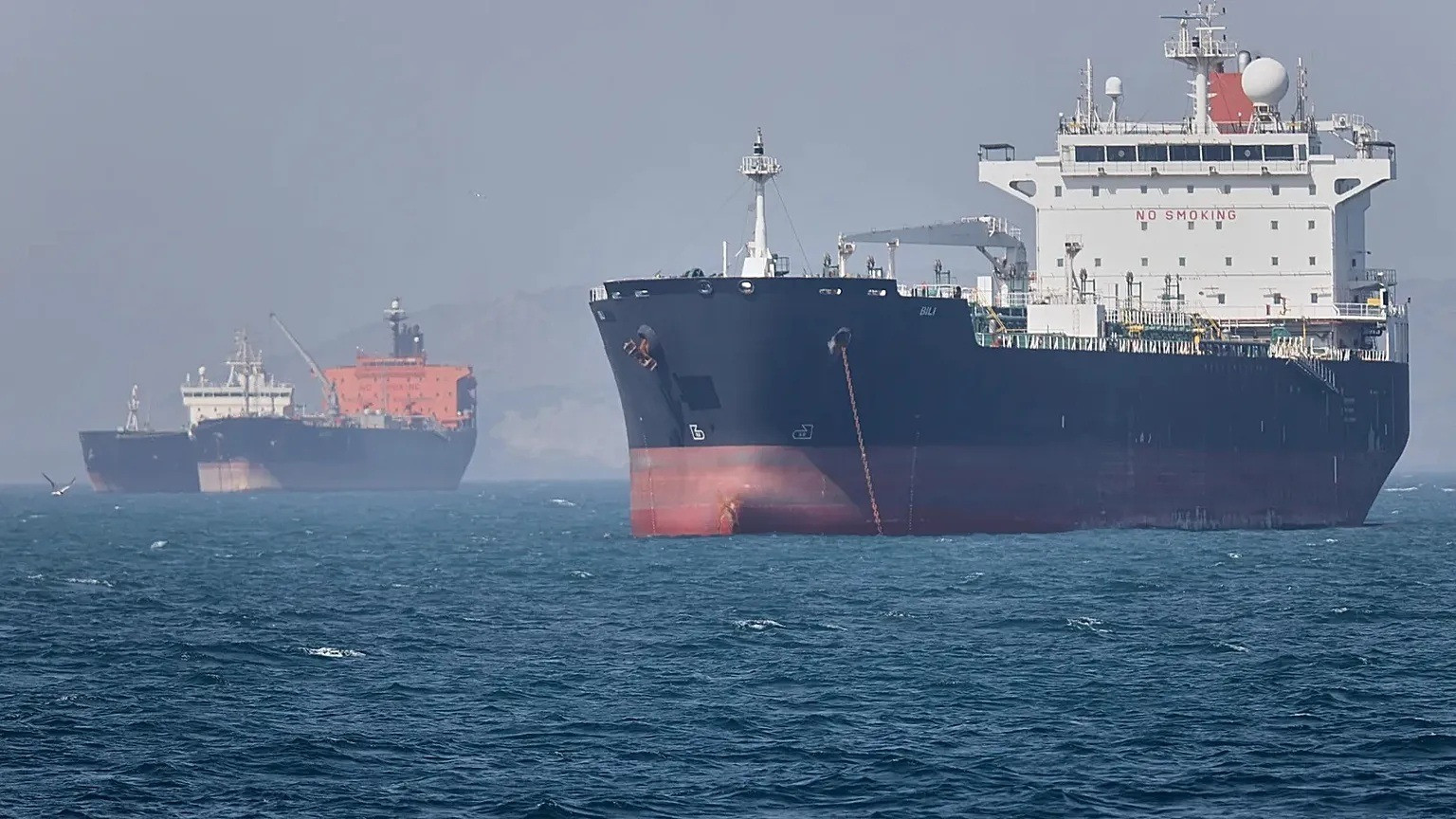
The Indian embassy in Oman reported on Saturday that all five Indian sailors have been rescued safely.
A missile attack occurred on an oil tanker in the Strait of Hormuz on Friday. Five Indian sailors were also aboard the ship. The Indian Embassy in Oman reported on Saturday that all five Indian sailors have been safely rescued. This incident has raised concerns about the safety of Indian sailors working at sea amid ongoing conflicts in the Gulf region and attacks on commercial vessels.
The Indian sailors were aboard the Kuwaiti-flagged oil tanker MT Kazimah III, which was carrying crude oil towards Africa. The Indian Embassy expressed gratitude to Omani authorities for their cooperation in the rescue operation. According to the embassy, all five Indians present on the ship were safely evacuated after the attack.
Since February, over 100 Indian sailors have been affected by attacks in Hormuz. A total of 11 Indian sailors have lost their lives in these incidents. The ongoing tensions in the region are impacting the movement of vessels and the safety of their crews. Ministry of External Affairs spokesperson Randhir Jaiswal stated on Tuesday that,
more than 4,500 Indian sailors are working on commercial vessels operating in this region. He said that the Indian government is continuously monitoring the safety of these sailors and the status of the vessels.
According to Jaiswal,
currently, six Indian-flagged commercial vessels are present in the Persian Gulf. Additionally, six other vessels under foreign flags are carrying goods to India. Approximately 163 Indian sailors are aboard these total 12 vessels.
He mentioned that India's Ministry of Shipping is monitoring the activities of these vessels. The ministry is coordinating with Indian embassies and local agencies to gather information on the safety and status of the sailors. If necessary, Indian embassies take required steps for the safety and assistance of the sailors. Jaiswal said that,
the safety and welfare of Indian sailors working abroad is among India's priorities. Relevant ministries, embassies, and local agencies are in contact to monitor the status of vessels and their crews in the region. Meanwhile, India has also raised the issue of attacks on commercial vessels and sailors at the United Nations.
External Affairs Minister S. Jaishankar expressed concern over these incidents during the 81st session of the United Nations General Assembly on September 26. Jaishankar stated that,
new threats emerging at sea are exacerbating existing crises on land. Indian sailors, along with sailors from other countries, have also lost their lives. This is completely unacceptable.
The External Affairs Minister called for an immediate de-escalation of tensions in the Gulf region and urged restraint. He stated that this would help ensure the safety of crews on vessels carrying essential goods. Additionally, it would allow energy supplies and global trade to continue without disruption.
On the other hand, U.S. President Donald Trump has rejected Iran's proposal to end the war and reopen Hormuz. Speaking to reporters outside the White House, Trump claimed that Iran wants a deal because it is "losing badly." Iran's seven-day proposal included reopening Hormuz and initiating peace talks, along with certain conditions such as lifting the U.S. naval blockade and easing sanctions on Iranian oil.
Trump stated that,
Iran's economy heavily depends on trade through Hormuz. He also mentioned that the U.S. has imposed a naval blockade on Iran's ports. Trump described U.S. control in the region as a significant tool for pressuring Tehran.
The U.S. and Israel began military action against Iran on February 28, 2026. In response, Iran launched attacks on Israel and those Gulf countries where U.S. military bases are located. Amid this conflict, the security of maritime routes and commercial vessels remains a major concern. The U.S. claims that the objective of its military operations was to weaken Iran's nuclear capabilities, targeting Iran's missile program and military infrastructure as well. Meanwhile, Iran has consistently stated that its nuclear program is for peaceful purposes and that it has the right to use nuclear technology. Tehran has denied allegations of attempting to acquire nuclear weapons.