
Why is the government not convening Parliament’s Winter Session?

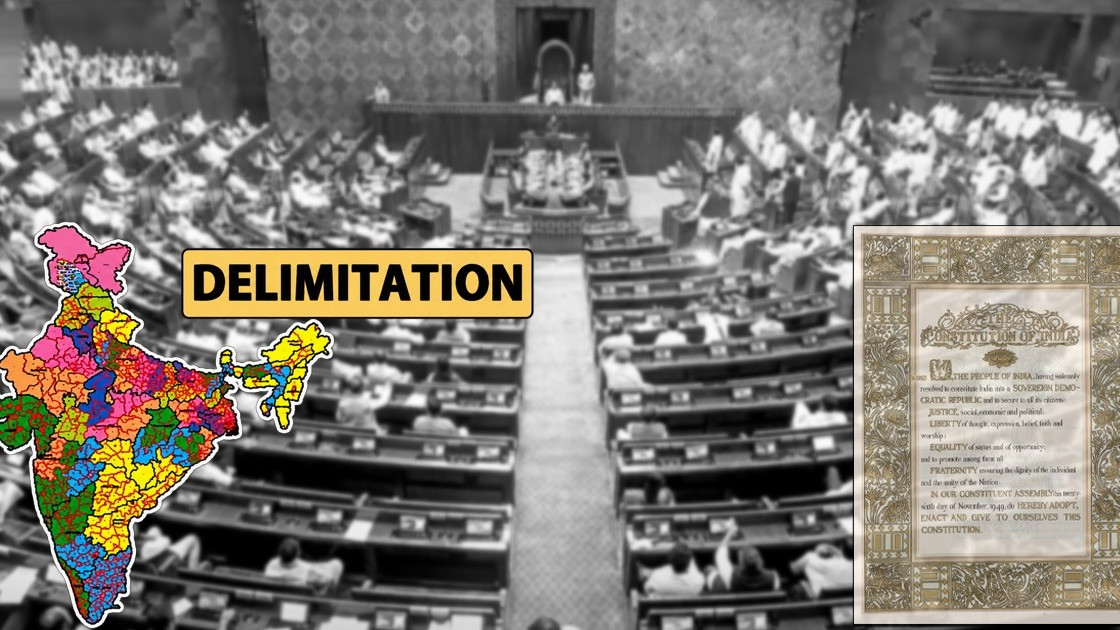
Since 2000, the average gap between the Monsoon and Winter Sessions has been about 95 days.
The final week of November has begun, but the government has yet to announce the dates for Parliament’s Winter Session. This uncertainty has sparked a political controversy. The Opposition is accusing the government of evading parliamentary accountability, while speculation is also growing over proposed constitutional amendment Bills related to women’s reservation and delimitation.
Parliament’s previous sittings were adjourned sine die on August 13. Since then, the session has not been formally prorogued. According to a report by National Herald, the gap stood at 103 days as of November 23. Since 2000, the average gap between the Monsoon and Winter Sessions has been about 95 days. The last time the gap was longer was in 2008. On only four occasions has Parliament been adjourned earlier than this, including during the Covid period and the year of former Prime Minister Indira Gandhi’s assassination.
The distinction between an adjournment and the end of a session is important in this controversy. According to the Lok Sabha’s official information, an indefinite sine die adjournment means suspending proceedings without fixing a date for the next sitting. By contrast, prorogation formally ends a session by order of the President. Therefore, the suspension of sittings and the constitutional termination of a session are not the same thing. The Opposition has also questioned the long gap between the Monsoon and Winter Sessions.
Under Article 85 of the Constitution, no more than six months may elapse between the last sitting of one session and the first sitting of the next. Parliament’s usual calendar includes the Budget, Monsoon and Winter Sessions, but the Constitution does not specify a fixed November date for the start of the Winter Session. The legal limit and the democratic expectation of regular parliamentary business are separate questions.
On November 23, Congress general secretary Jairam Ramesh asked the government why it had not yet informed the country of the session schedule. He also sought clarity on the possibility of reconvening the Monsoon Session and on the delimitation proposal. He made sharp political remarks about the strategy of the Prime Minister and the Home Minister.
Samajwadi Party MP Awadhesh Prasad alleged that the government was working to secure the numbers for Bills on women’s reservation and delimitation. Congress MP Pramod Tiwari said the Opposition wanted to raise farmers’ issues, unemployment and other public concerns in Parliament. BJP MP Ravi Shankar Prasad referred to the detailed response given by the Parliamentary Affairs Minister on these questions.
Discussion of delimitation and women’s reservation has widened the scope of this controversy. A November 13 report by The Indian Express, citing government and alliance sources, said a legislative package on these issues was possible. Both a special session and the Winter Session were discussed as options. But a possible proposal, informal discussions and the government’s announced business for the House are different things. Assembly elections due soon in several States may also be one reason for the delay. It would not be surprising to conclude that the government may be unable to find time for a parliamentary session while parties are holding rounds of meetings on seat-sharing issues.
The majority required for a constitutional amendment is also different from that for an ordinary Bill. Under Article 368, a majority of the total membership of each House and the support of at least two-thirds of the members present and voting are required. The general public is speculating that the protests across the country in recent days over vote theft may be a reason for the delay in the session. For several months, the Opposition and civil society, including prominent student organisations, have pressed the government and the Election Commission to explain these matters, and demands for reforms to the system have grown louder. If the government fears being cornered in Parliament over these matters, it should nevertheless convene the session on moral grounds.
The need for a session is not limited to politically prominent Bills. An October 21 office memorandum from the Department of Economic Affairs in the Finance Ministry records a proposal to present the first Supplementary Demands for Grants for 2026-27 in the upcoming Winter Session in November-December. This shows that preparations for financial business during the session were under way at the administrative level. The Trinamool Congress had demanded that the government announce the timetable for parliamentary sessions for the entire year in advance, so that such delays do not occur in future.
Announcing the schedule on time would allow MPs to prepare for questions, debates and legislative scrutiny. The government should provide clear information on the dates, number of sittings and proposed business. The Opposition, too, must put forward concrete parliamentary proposals alongside its allegations. The democratic test is not merely whether Parliament is convened, but whether adequate opportunities are provided for questions from the public, answers from the government and serious scrutiny of laws. If a government that has taken the oath of the Constitution does not uphold constitutional values, the Supreme Court should take suo motu cognisance and interpret the matter. The public should also continue to have the privilege of seeing its elected representatives debate essential issues on the floor of Parliament.