
What Parghat Singh's appointment means for Punjab
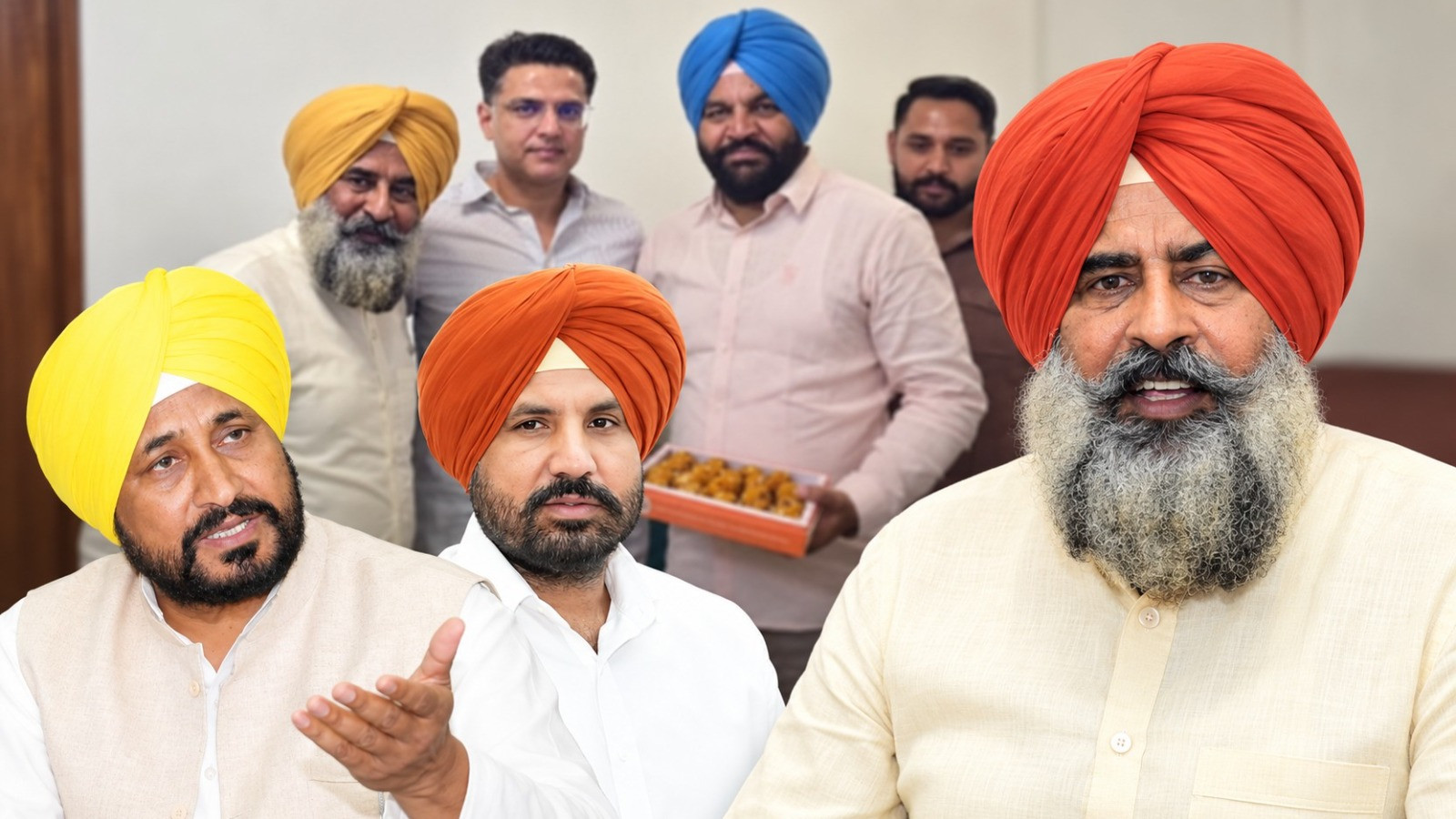
Raja Warring's resignation and Parghat Singh's appointment signify a political experiment and organizational recalibration for Punjab Congress.
In a recent development, another decision by the Congress has created a new stir in Punjab's politics. Raja Amrinder Singh Warring has resigned from the position of state Congress president, and in his place, Pargat Singh has been appointed, marking a change in the Punjab organization just months before the assembly elections. On October 2, Congress appointed Pargat Singh as the president of the Punjab Pradesh Congress Committee with immediate effect. Politically, this decision is being viewed as a new positivity for Punjab Congress.
This change is not merely a decision to change the state president. It is also linked to organizational differences that have been ongoing for several months, struggles over leadership, and the question of balancing various political factions within Congress. The process of leadership change has progressed based on feedback from state leaders and the organization after Sachin Pilot took charge of Punjab. By appointing Pargat Singh as president, the high command has indicated that it prefers to keep the reins of the state organization in the hands of a different individual rather than directly handing it over to a prominent chief ministerial candidate.
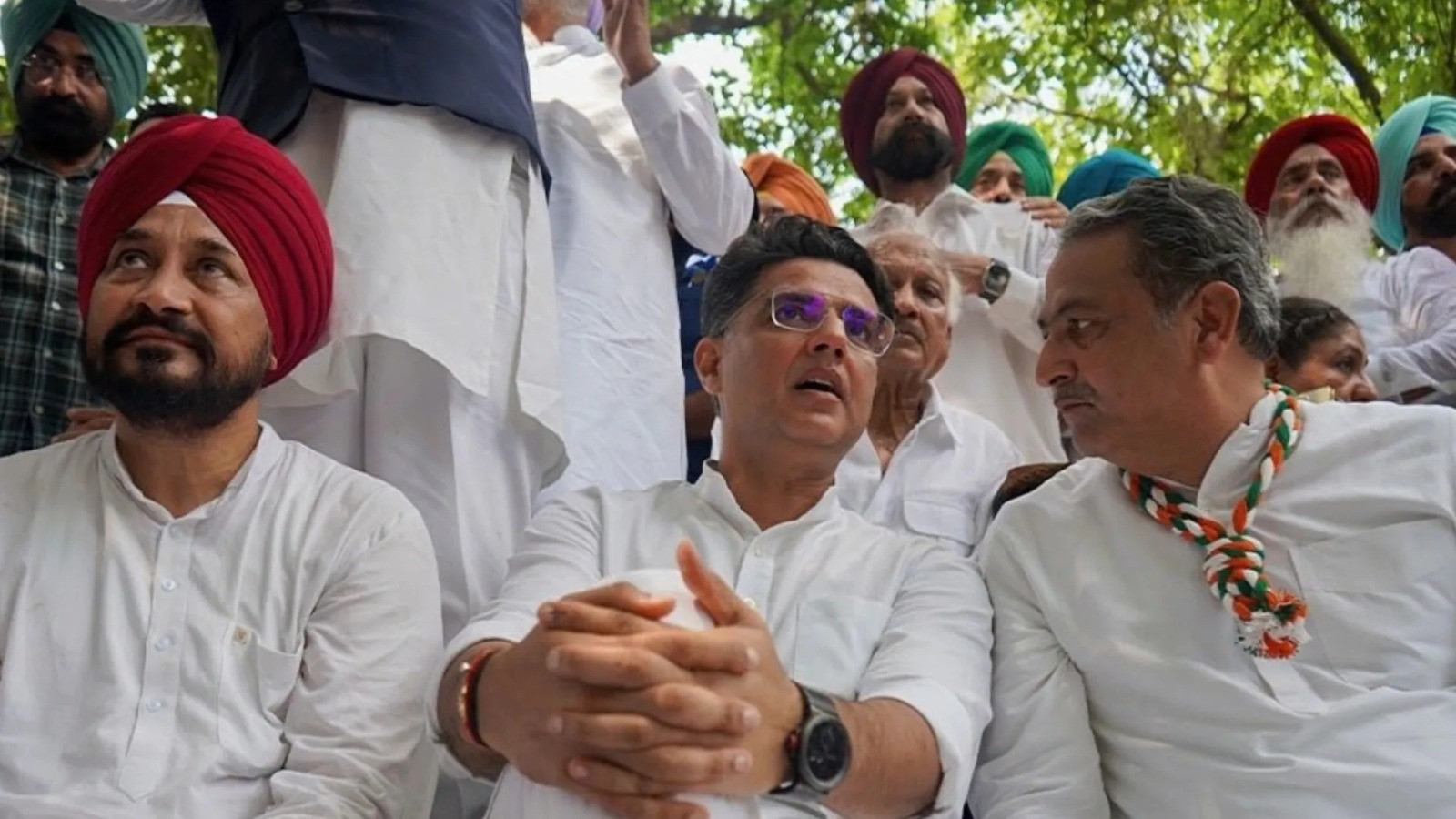
For some time, it has been speculated that after taking charge of Punjab, Sachin Pilot prepared a report about the state and submitted it to the high command. Based on that, it was anticipated that there would be a change in the state president. Bhupesh Baghel has been accused of supporting Raja Warring, while the Channi faction has been acting contrary to Raja Warring. With only a few months left for the elections in Punjab, any new experiment by Congress could impact the ground equations.
Warring's resignation—defeat, sacrifice, or organizational restructuring?
Raja Warring's resignation is the first significant aspect of this entire episode. He formally submitted his resignation after meeting Rahul Gandhi. Warring discussed the political situation in Punjab, his nearly four-and-a-half years of experience in the organization, and the challenges ahead with the leadership. Later, he also congratulated Pargat Singh on becoming the new state president.
A crucial political question for Congress is—will Warring's departure reduce factionalism, or will the leadership change itself become a new chapter of factional politics? Because just in July, Congress had decided to retain Warring as state president. The decision to change that leadership just a few months later indicates that the balance established in July could not become a permanent solution. The political significance of this change is broader than just a change of individuals. Because Pargat Singh is believed to have always remained separate from any kind of factionalism.
Pargat Singh's selection is significant for several reasons.
Pargat Singh is significant on multiple levels. He is an MLA from Jalandhar Cantt, a former captain of the Indian hockey team, and has also served as a minister in the Punjab government. He has represented the Jalandhar Cantt assembly constituency since 2012 and won elections as a Congress candidate in 2017 and 2022. Therefore, his appointment cannot be viewed merely through the lens of 'who replaces Warring?' The real question is why Congress chose a leader who is not directly established as a representative of any old power center within the organization.
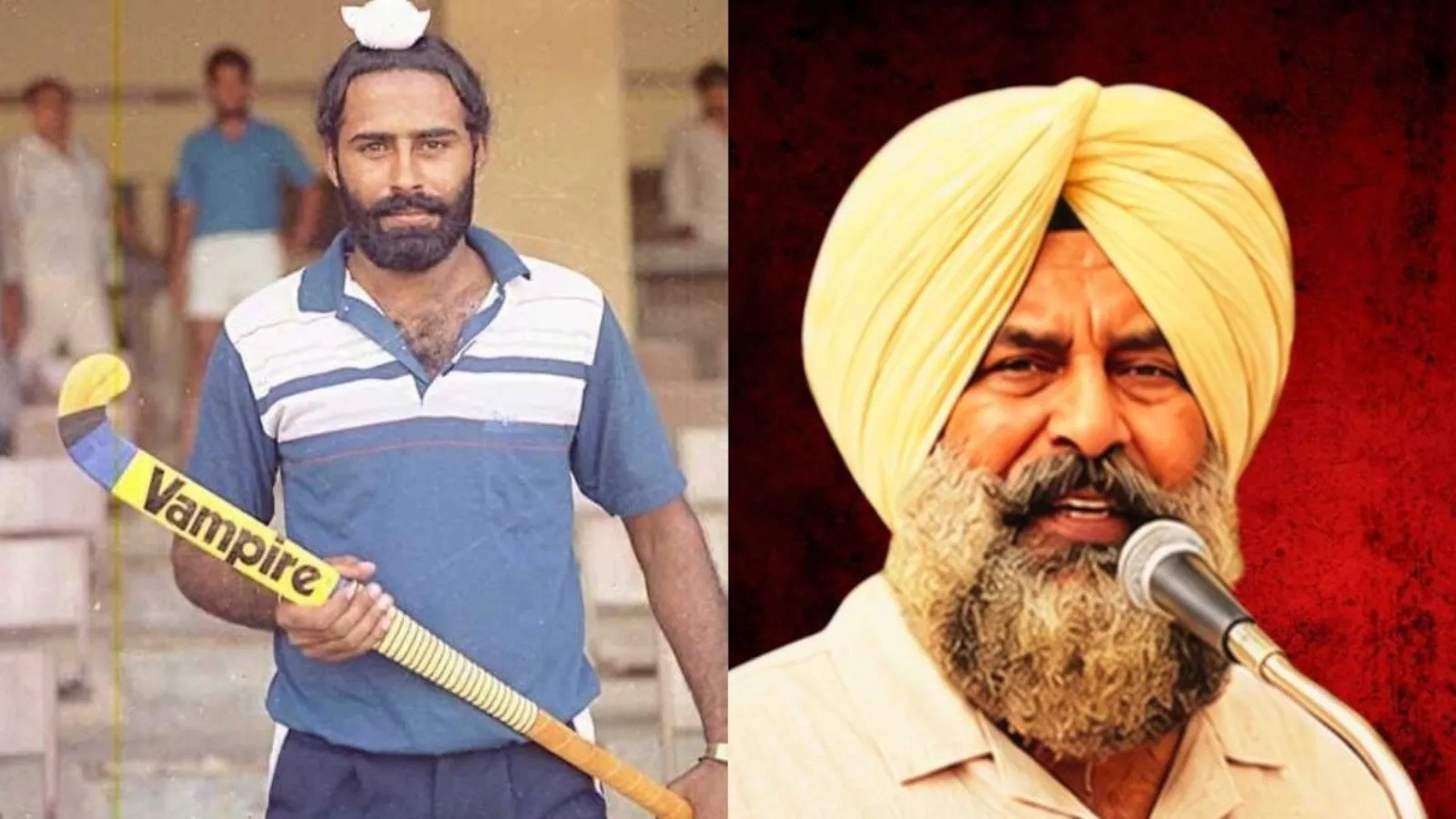
Pargat Singh's politics have always been issue-based, and the best aspect of him is that he has never been involved in political self-interest or competition and has never been personally ambitious. His objectives have always been focused on the problems of Punjab. Many of his statements in the assembly are clear evidence of this. It is also known that Pargat Singh has a very good level of political understanding and maturity and is always moving towards solutions. Congress in Punjab now seems to have a definite chance of gaining an advantage. Pargat Singh himself has stated that he will focus on working with the team and strengthening the organization. He has linked his experience as a hockey captain to teamwork and leadership.
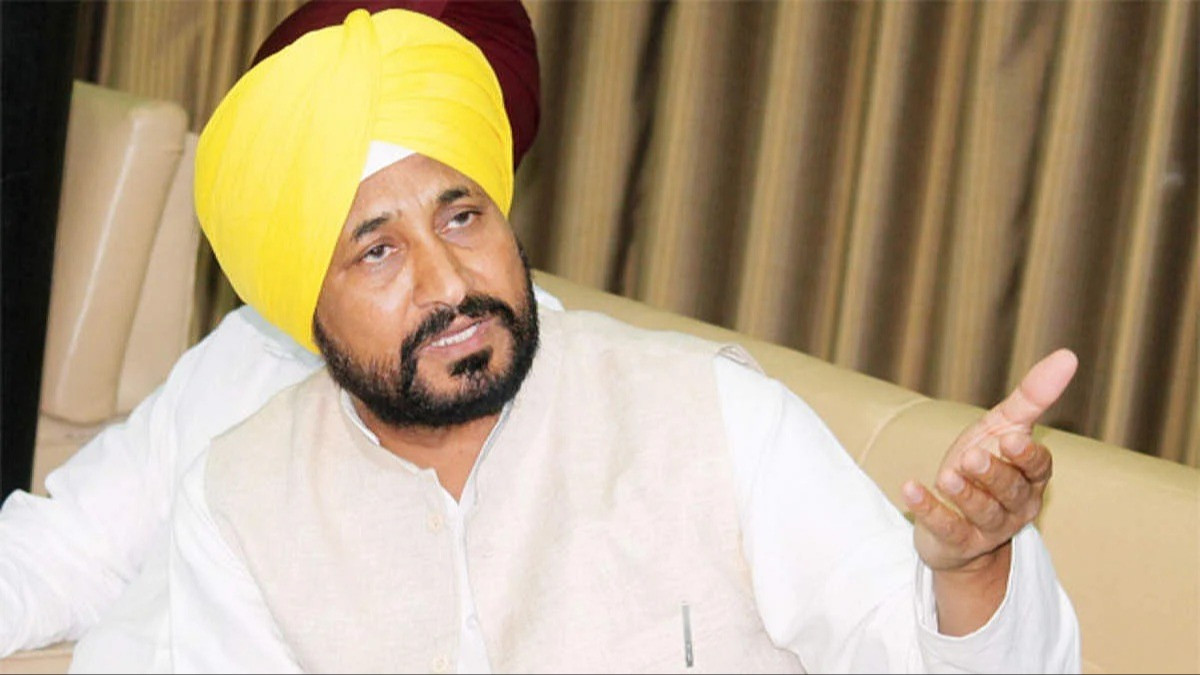
The response from the Channi faction is also significant.
After this change, former Chief Minister Charanjit Singh Channi welcomed Pargat Singh's appointment. Pratap Singh Bajwa and Raja Warring himself also congratulated him. This is a significant indication of immediate reactions. At least at the public level, the major factions of Congress appear to be standing with the new state president. However, public congratulations and actual organizational support are two different things.
Pargat Singh's real test will now begin—whether he can transform the political distance between Warring, Channi, Bajwa, Randhawa, and other leaders into organizational cooperation?
As soon as he became state president, his first statement addressed the media:
You know I am a player, and I have to take everyone along in the team.
Pargat Singh's ease also gives him a distinct identity as a politician throughout the state.
The biggest question—has the face changed or has the strategy as well?
If only the state president has changed and Congress's electoral strategy, messaging, ticket distribution process, factional balance, and grassroots organization continue on the same old path, then the impact of the change may be limited. However, if with Pargat Singh's appointment, Congress activates the organization down to the booth level and brings senior leaders into a shared electoral framework, this move could make political success easier, and the prospects have now become stronger. This appointment can be seen as part of a broader organizational restructuring.
After removing Raja Warring, Congress's biggest question is now not 'who will be the president?' but 'in which direction will Congress go?' There are several political issues facing Congress in Punjab, including drugs, law and order, unemployment, agriculture, industry, the state's financial situation, the future of youth, and center-Punjab relations. On the other hand, the Aam Aadmi Party will be in the field with its record in power, the Bharatiya Janata Party is making drugs and law and order major issues, and the Shiromani Akali Dal is trying to reorganize its traditional sectarian and Punjab-centric politics. In this context, organizational change for Congress will only be meaningful if it can transform individual change into a political message.
It is noteworthy that Pargat Singh has taken charge almost at the final stage of electoral preparations. Therefore, he has very limited time. His first test will be on five fronts. The first is organizational—how active Congress becomes at the district, block, and booth levels. The second is the issue of unity—whether all major leaders genuinely stand behind the new president. The third is the political messaging—whether Congress will only engage in anti-government politics or will also provide a clear alternative program for Punjab. The fourth point is related to leadership balance.
After becoming state president, how is Pargat Singh's role kept separate from the claim for the chief minister's position? The fifth important aspect is candidate selection. Whether factional equations dominate again during ticket distribution in Punjab or whether the organization prioritizes winning capacity and local acceptability. There are also reports that nearly 20 of the 29 district presidents in Punjab support Pargat Singh's leadership.
Raja Warring's resignation and the appointment of Paragat Singh is both a political experiment and an organizational realignment for the Punjab Congress. Warring's departure marks the end of a chapter for Congress, but it does not automatically resolve the party's longstanding issues. On the other hand, by giving Paragat Singh a chance, Congress has chosen to reorganize through a new face rather than limiting the leadership change to the demands of a single faction. His appointment can also be interpreted as an attempt by the high command to create a new balance instead of handing direct control to an old faction.
However, there is another aspect—if any faction feels that their preferred candidate has not been made president, internal discontent may manifest in a new form rather than dissipating. Some reports have mentioned the possibility of such dissent from the Channi camp. But under the current circumstances, this factor is becoming secondary as there have always been signs of a tilt towards Paragat Singh among the common voters of the state.
The question now arises whether Paragat Singh will merely be the new state president of Congress, or will he become the organizational center that transforms the various political factions of Punjab Congress into an electoral team capable of achieving success in 2027. Because in the 2027 battle, the real challenge for Congress will not be the name of the president, but the unity, organization, and political direction of the entire Congress standing behind the president.
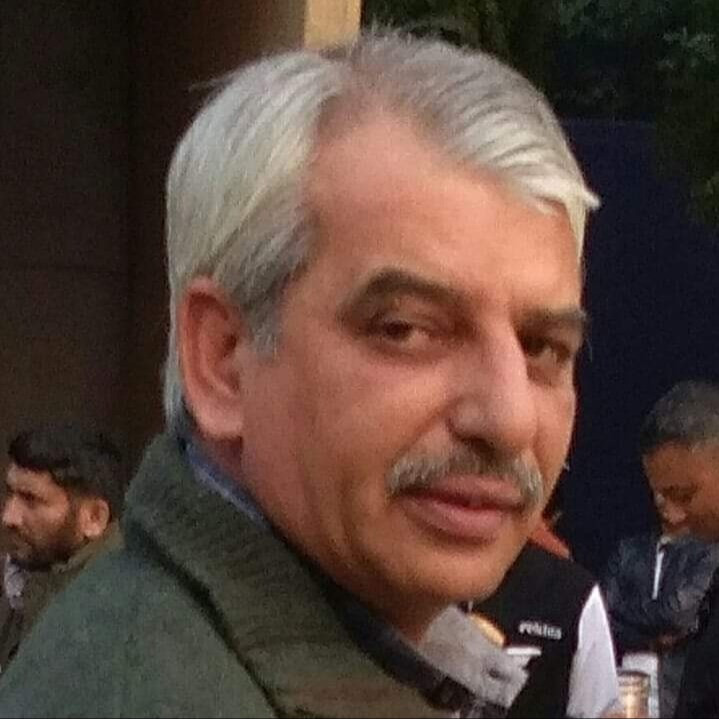
Jagdeep Singh Sindhu
वरिष्ठ पत्रकार और राजनैतिक विवेचक जगदीप सिंह सिंधू राष्ट्रीय हिंदी दैनिक हरिभूमि,पीपल्स समाचार,महाकौशल आदि में वरिष्ठ पदों पर रहे हैं। वह एफ एम रेडियो तरंग 104 के पूर्व स्टेशन हेड तथा पूर्व राज्यपाल सत्यपाल मलिक के राजनीतिक सलाहकार रहे हैं।