Russian missiles and drones in Poland raise tensions in Europe
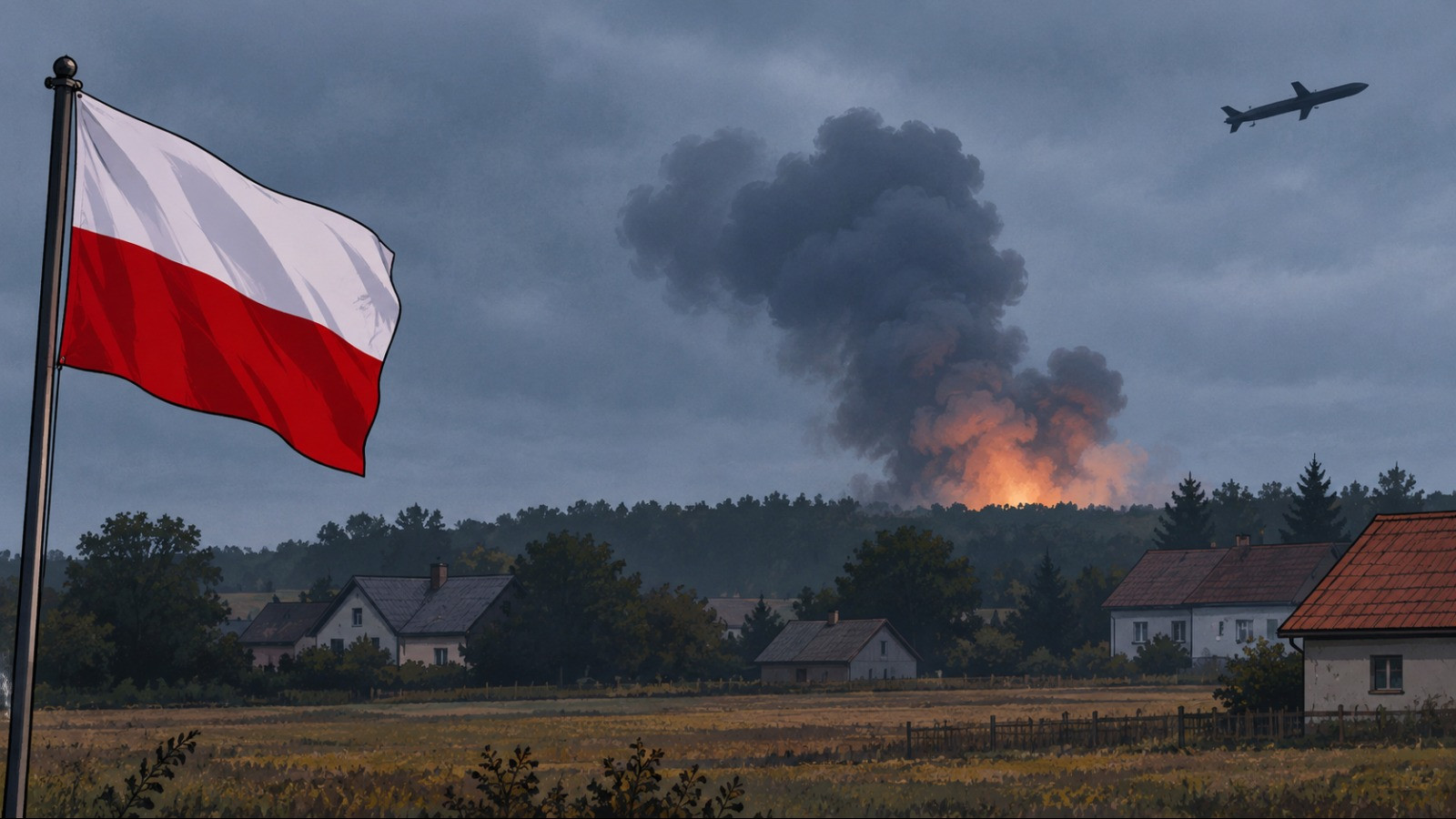
Poland's Prime Minister termed it a potential deliberate provocation. Officials report no injuries in the incident.
The incident of two Russian missiles and a suspected jet-powered drone falling in the southeastern part of Poland has raised serious questions about Europe's security arrangements. On the night of November 20, Russia launched a large-scale missile and drone attack on Ukraine. During this time, three Russian objects entered Polish airspace and fell at different locations within the country. Polish Prime Minister Donald Tusk has expressed concern that this was a deliberate provocation by Russia. NATO Secretary General Mark Rutte described it as a serious violation of Polish airspace. However, there was no immediate report of anyone being injured or infrastructure being damaged within Poland.

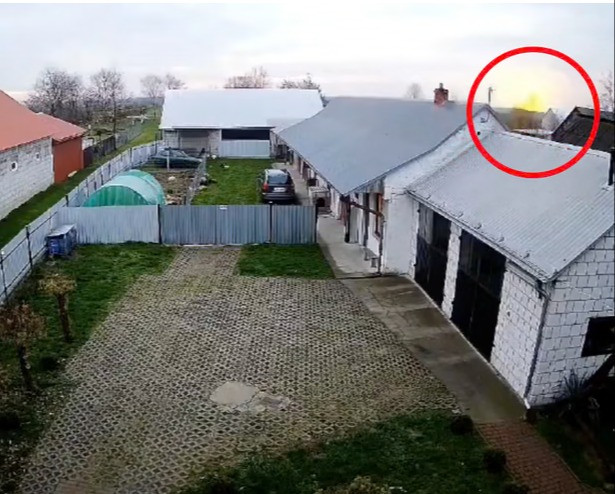
According to Poland's Defence Minister Władysław Kosiniak-Kamysz, the three objects fell around Nowy Lipowiec, Rudnik nad Sanem, and Mowodich. The object found in Nowy Lipowiec has been identified as a Russian Kh-101 cruise missile. The second object is also reported to be a missile, while the third is suspected to be a jet-powered drone. Polish authorities stated that a total of 11 aerial objects were considered a potential threat to the country's airspace, of which three crossed the border. One missile fell approximately 35 kilometers from where soldiers from European countries were conducting military exercises.
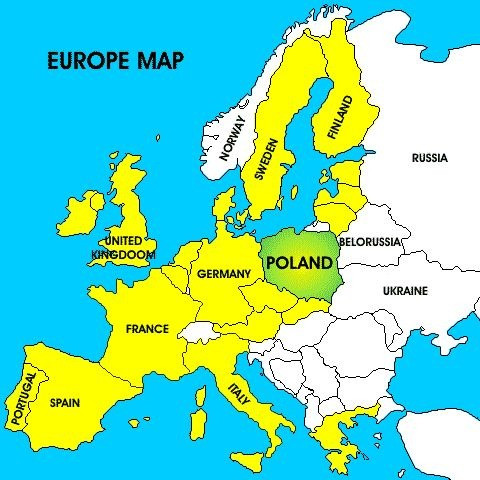
To understand the seriousness of this incident, it is essential to consider Poland's geographical and strategic position. Poland shares a border with Ukraine and has been a major hub of European support against Russia. A significant portion of military and humanitarian aid to Ukraine from Western countries passes through Poland. Since the war began, Poland has sheltered millions of Ukrainian refugees and has played a crucial role in supplying weapons and other assistance to Ukraine. Additionally, Poland is a NATO member. Therefore, the entry of Russian weapons into its airspace is not just a matter of Poland's sovereignty but also a question of the security of the entire NATO alliance.
Tusk stated that the fall of the three objects in Poland does not seem like a normal accident. He expressed concern that it could be a deliberate provocation and mentioned that he is in contact with NATO Secretary General Mark Rutte and leaders of other allied countries regarding this matter. The Polish Defence Minister also emphasized the significance of the timing of the incident. According to him, on the same day that Russian missiles and drones fell in Poland, a major military exercise involving Ukraine's allied countries was taking place there. Approximately 2,800 soldiers from 11 countries participated in this exercise, aimed at preparing for a potential multinational mission in Ukraine after a ceasefire between Russia and Ukraine.
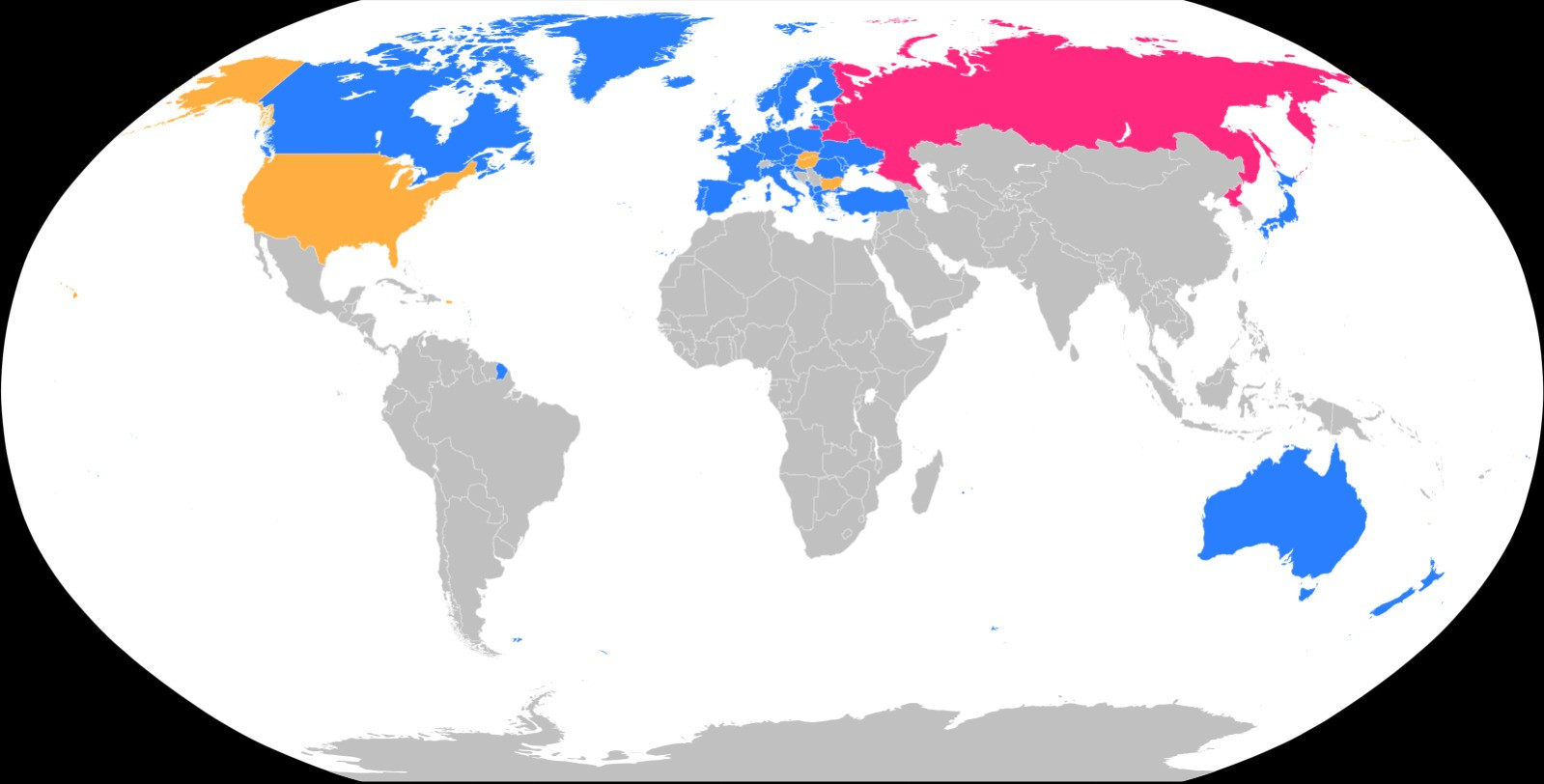
This military exercise was linked to the 'Coalition of the Willing', a group of countries coming forward in support of Ukraine. France and Britain played a leading role in the exercise. The aim was to prepare for strengthening Ukraine's security and military capabilities in a potential post-war scenario. Aspects such as troop deployment, coordination between commands, drone defense, and operations in the battlefield were practiced. This was not an ongoing NATO military operation but a separate initiative by European countries allied with Ukraine. Russia has already stated that it could consider any European military force deployed in Ukraine as a legitimate target after the war ends. Thus, the arrival of Russian weapons during the exercise in Poland further heightens security concerns in Europe.
NATO Secretary General Mark Rutte stated on social media that this incident is clearly dangerous and a result of Russia's ongoing war against Ukraine. Expressing solidarity with Poland, he said that NATO will continue to strengthen its deterrent and defense capabilities. During the incident, Polish and allied fighter jets were active in the air. Polish air defense systems were also kept on alert. However, military officials reported that the necessary conditions for attacking the objects that entered Polish airspace were not fully met. Therefore, no weapons were used to shoot them down. Rutte had also planned to arrive in Warsaw on Saturday.
Following this incident, the most important question arose as to whether Poland would demand the invocation of Article 5 of the NATO treaty. NATO's Article 5 is based on the principle of collective defense. Under this, an armed attack on one member country can be considered an attack on all member countries. However, this does not mean that war will automatically begin after any violation of airspace. The decision to invoke Article 5 is political and requires consensus among member countries. Poland also has the option to request emergency consultations with NATO under Article 4. Under Article 4, member countries consult when they feel threatened regarding their territorial integrity, political independence, or security. Thus, while the matter is certainly a test of NATO's collective defense mechanism, it would not be appropriate to directly consider it as the beginning of a war between Russia and NATO.
Poland's Prime Minister also disagreed with U.S. President Donald Trump's comment, in which he referred to Russia's previous incursions as mistakes. Tusk stated that this time, U.S. officials have access to the debris of the objects that fell on Polish soil, and the incident cannot be dismissed as merely a technical error. The Polish Defence Minister also mentioned that the timing of this incident does not seem coincidental. He expressed concern that Russia's aim could be to create divisions among European countries and weaken their cooperation in support of Ukraine. However, there has been no immediate official response from Russia regarding this incident.
The incident in Poland occurred at a time when Russia's attack on Ukraine was also very extensive. Ukrainian President Volodymyr Zelensky reported that Russia launched over 400 drones and more than 110 missiles overnight. According to him, at least eight people were killed and more than two dozen injured in Ukraine. These casualties were related to the attacks in Ukraine, not from the missiles and drones that fell in Poland. Russia's attacks targeted energy plants, bridges, and other infrastructure. Three active nuclear power plants in Ukraine also had to reduce electricity production, and emergency power cuts were implemented in 11 regions.
Ukrainian Foreign Minister Andrii Sybiha described the incident in Poland as a sign of the threat posed by Russian aggression to all of Europe. He stated that this is not just a question of Ukraine's security but also affects the security of countries across Europe and the Atlantic. The head of British defense intelligence also warned that Russia's reckless actions could pose a risk of a major misunderstanding or military confrontation. He also assessed that Russia is probably not seeking direct war with NATO, but such incidents could lead to uncontrolled tensions.
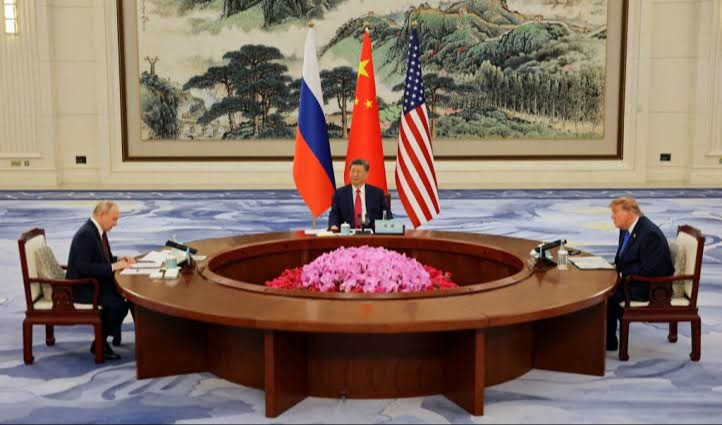
One important aspect of this entire sequence of events is that diplomatic efforts to end the war in Ukraine are also ongoing in Europe. It is believed that the recent meeting between Trump, Putin, and Xi Jinping in China also addressed this issue. The U.S. is trying to advance the possibilities of a ceasefire and an agreement, but deep differences remain over the terms of a peace agreement between Russia and Ukraine. Russia opposes the deployment of European troops in Ukraine, while Ukraine and its allies seek security guarantees to prevent any new Russian attacks in the future. The incident in Poland has further complicated this debate.
The biggest challenge at present is to ensure that the violation of Poland's airspace does not escalate into a major military confrontation. NATO faces the dual responsibility of protecting the security and sovereignty of its member states while also avoiding direct conflict with Russia. For Poland, this incident serves as a reason to strengthen its air defense and secure its eastern borders. Meanwhile, for Europe, it is a warning that the impact of the ongoing war in Ukraine has reached its borders. Russia has not claimed responsibility for this attack, but the incident has made it clear that the Ukraine war is becoming increasingly dangerous for the entire world, especially Europe, and a major event could turn it into a world war.