
Why Trump is holding back on Iran: Weapons shortage or election strategy
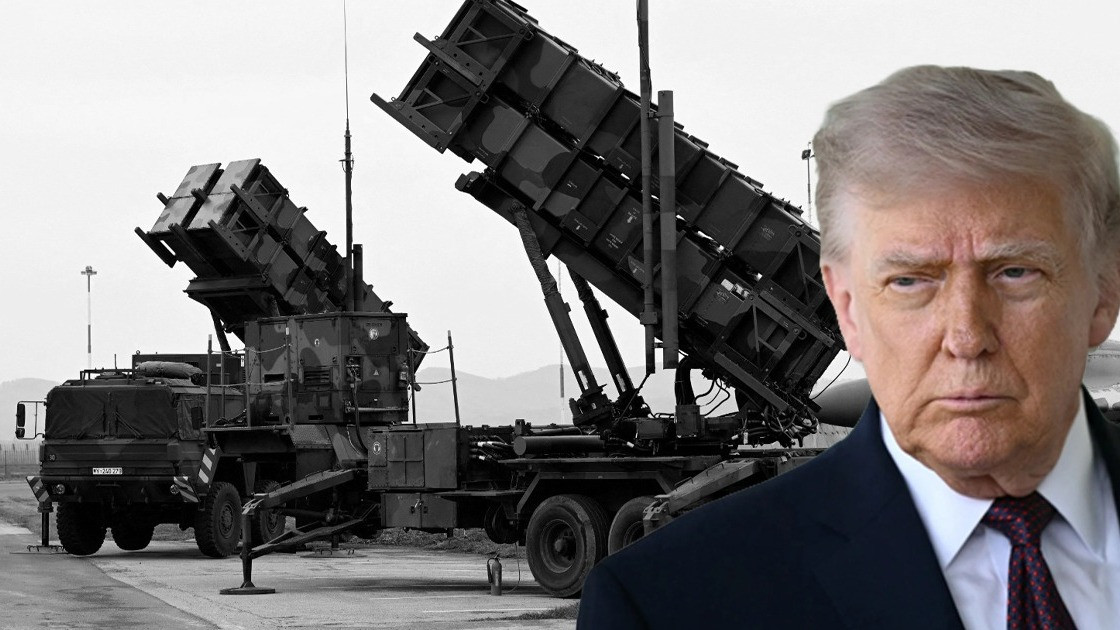
After the MOU with Iran in Switzerland fell through, Trump seems to be avoiding new attacks on Iran.
On 17th August, the deadline for the peace talks between the United States and Iran expired. Yet, the US is hesitant to initiate the next round of airstrikes on Iran. Clearly, the US now wants to avoid war. The reason is evident: the US lacks the anti-missile defence system, i.e., interceptors, necessary to halt airstrikes.
Associated Press has reported, citing a NATO official, that the US military is facing a severe shortage of interceptors capable of stopping modern missiles in Europe. The official described the situation as "Beyond Critical." This has raised concerns about the security of NATO countries in the event of a potential Russian attack.

According to a US defence official, the greatest concern is the shortage of Patriot missile interceptors. These missiles are capable of destroying Russia's high-speed ballistic missiles in the air. The US official also mentioned that if Russia attacks targets like army headquarters or electricity plants with ballistic missiles, NATO's situation could become similar to Ukraine, which is struggling with a shortage of Patriot missiles and could face continuous missile attacks.
According to the report, these conditions point to the widespread impact of Trump's decision to start a war against Iran. Today, 28th August, marks six months since the US began its war with Iran.
A portion of the US missile stock in Europe has been sent to the "Middle East," where US and Gulf countries' forces have used a large number of interceptors, including Patriots, to stop Iranian drones and missiles. However, NATO's senior military spokesperson, US Army Colonel Martin O'Donnell, dismissed claims that the shortage of Patriots in Europe has reached dangerous levels. He stated that NATO has sufficient air defence and weapons to defend itself and assist Ukraine.
Pentagon spokesperson Sean Parnell also refuted claims of a shortage of US weapons. According to him, the US has the necessary weapons to conduct military operations at any time and place under the President's directive. However, Ukraine is continuously requesting more Patriot missiles to defend against Russian missile attacks. After Russia's invasion in 2022, the US and European countries have provided a large number of Patriot missiles to Ukraine, which has also reduced US stock.
Several major media outlets have reported on the severe shortage of weapons, citing various sources, but the Trump administration has consistently dismissed such reports, and Trump himself has often threatened legal action against such media outlets. However, analysing his methods of avoiding war and frequently retracting his statements, the picture becomes quite clear.
Since the breakdown of the MOU with Iran in Switzerland, Trump has been avoiding new attacks on Iran, and the new sanctions imposed on Iran are seen as part of this strategy. One reason behind Trump's decision could be the shortage of weapons, and another could be an attempt to maintain his reputation in the upcoming mid-term elections in the US.
There have been several reports indicating that Trump's approval rating in the US is continuously declining. According to a report by The Economist on 25th August 2026, Trump's approval rating has fallen to 35%, which is 0.3% lower than the previous week.
The renowned Washington-based magazine The Atlantic wrote in a report that,
The intention behind President Trump's new economic sanctions on Iran might be to make American voters forget or blur the memories of the losses and troubles from the war with Iran by the time of the mid-term elections.
According to the report, the options for the Trump administration in the war with Iran are now quite limited, which is why Trump has chosen the path of exerting long-term economic pressure on Iran. The aim is to put enough pressure on Iran that its leaders are forced to return to the negotiating table. However, this plan also has its limits. According to the report, if the US takes action against countries trading with Iran, such as China, India, Russia, and North Korea, or imposes further sanctions on them, questions will be raised about their foreign policy. On the other hand, President Trump has so far avoided direct competition with Russia and China.
Trump's advisors and associates believe that economic pressure is an attempt to push Iran out of the American political backdrop. It is also hoped that gas prices will decrease somewhat, and before the mid-term elections, Trump will be able to draw the attention of Republican Party voters to more politically advantageous issues that could benefit the party. A former advisor to the President and a senior administration official stated that,
Trump has privately told his political allies that as soon as the Strait of Hormuz reopens, he is keen to declare it a victory and move forward. However, Iran's recent stance is making this increasingly difficult.

Md. Tousif
मोहम्मद तौसिफ़ राष्ट्रीय और अंतर्राष्ट्रीय खबरों पर नजर रखते हैं और ‘द क्रेडिबल हिस्ट्री’ में रिसर्चर के रूप में कार्यरत हैं।