
Rahul Gandhi approaches Supreme Court over SIR process

A list of 48 questions related to decisions made during the SIR process is to be submitted to the Election Commission.
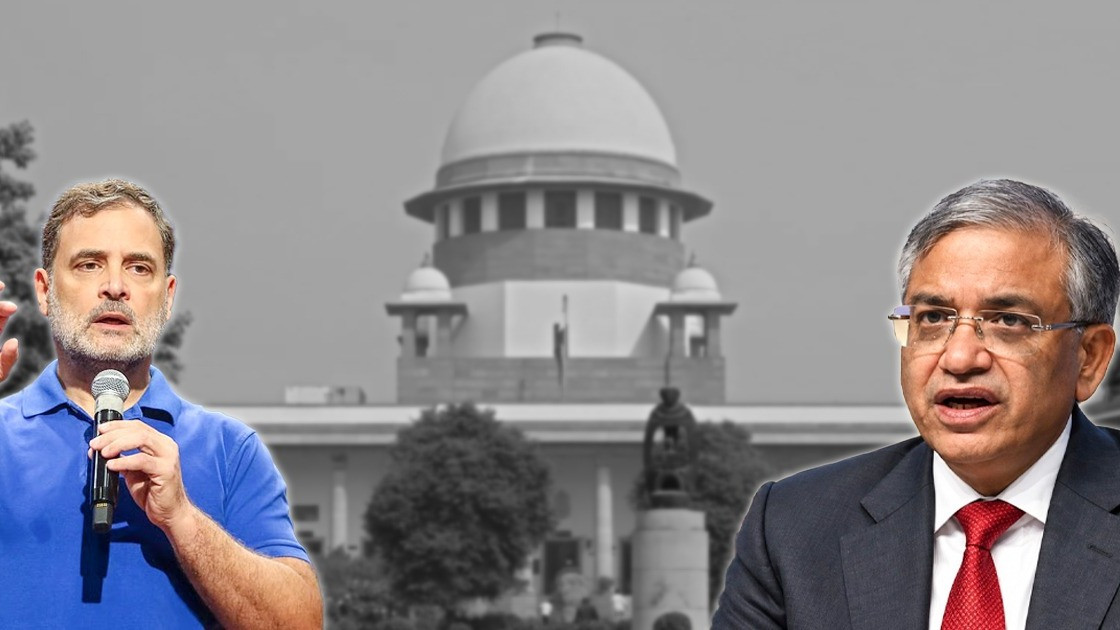
Congress leader Rahul Gandhi and 10 other leaders of the India alliance have sought permission from the Supreme Court to send 48 written questions to the Election Commission. These questions pertain to decisions related to the special intensive review (SIR) of voter lists across the country, the alleged removal of voters' names from the list, and changes made to the online voter registration system.
Through a petition filed in the pending case, these leaders have sought responses on affidavit from Chief Election Commissioner Gyanesh Kumar, Election Commissioners Sukbir Singh Sandhu and Vivek Joshi, Deputy Election Commissioner Bhanu Prakash Yeturu, and the Commission's Director General (IT).
The petitioners have asked whether the decisions related to SIR were made collectively by the three-member Election Commission or whether the Chief Election Commissioner exercised the Commission's powers without the knowledge, approval, or consent of the other two Election Commissioners. The petition states that the Election Commission has claimed in its affidavits that the orders regarding SIR were issued unanimously. However, the Commission has not provided relevant file numbers, dates, or minutes of meetings to support this claim.
The Congress has alleged in a post on the social media platform X that the Election Commission did not respond to the opposition's questions in its affidavit filed in the Supreme Court. The India alliance has now sought permission from the Supreme Court to question the Chief Election Commissioner, the other two Election Commissioners, and the Commission's Director General (IT). These questions are related to serious flaws in SIR that opened the door for vote theft. A list of 48 questions is to be submitted to the Election Commission, which will include questions related to the decisions taken by it during the SIR process and who approved it.
The petition seeks permission to send formal written questions under the Supreme Court Rules, 2013. These include issues such as the process of approving the special intensive review (SIR) of voter lists, disagreements among Election Commissioners, changes in Form 6, and access to the voter list database.
The petitioners have requested the date and relevant file numbers for every decision related to SIR. They have also asked whether Election Commissioners Sukbir Singh Sandhu and Vivek Joshi raised any objections or disagreements regarding any decision. The petition also seeks information on how the Election Commission's responses on October 26 and the affidavit on November 14 were approved. The petitioners have asked for clarification on whether this approval was given in a meeting, on file, or electronically.
Regarding the Commission's online systems, the petitioners have sought details about the changes made in Form 6 and the centralization of the voter list databases ERONET and ECINET. They have asked who has the authority to add, remove, or restore entries in these databases. Additionally, it has been raised whether a complete record of all changes made in the databases has been securely maintained for scrutiny. The petition also requests the state-wise number of names removed during SIR. The petitioners have stated that these figures should be provided by the Election Commission along with the reasons for the removal of names and based on the gender of the voters.
Another question raised is how the approval of the Election Commissioners was obtained. It asks whether WhatsApp or private email was used for this purpose and whether records of such messages have been maintained.
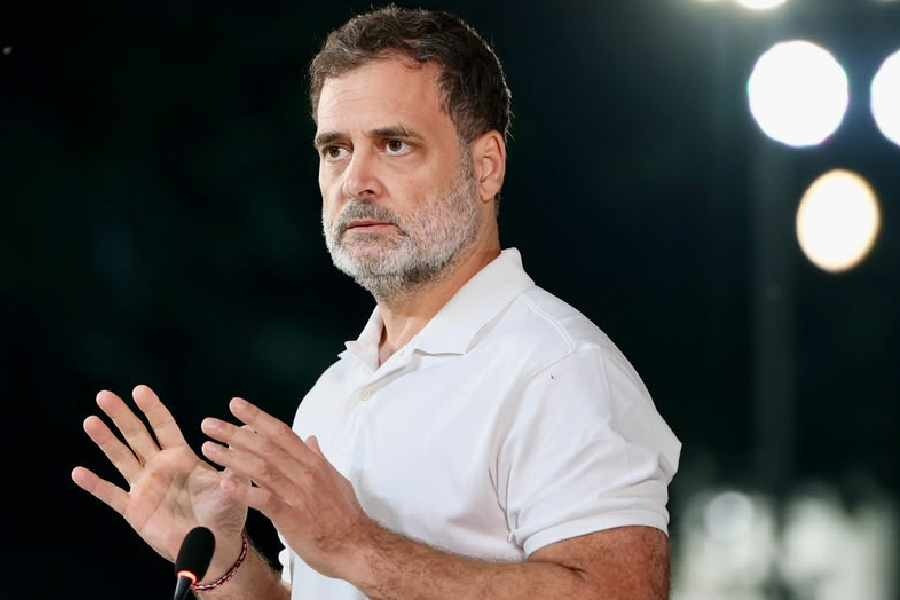
The petitioners argue that the Election Commission's response on October 26 is based solely on a claim, and according to them, the Commission stated that the orders regarding SIR were issued based on unanimous decisions, but it has not provided details of the relevant decisions or files.
They have also requested that if the Election Commission claims exemption from presenting any government records, it should specify the reason for withholding each document separately, so that the Supreme Court can decide on that claim.
The petition states that the individuals mentioned in the petition should be directed to respond on affidavit. Copies of the records mentioned in the responses should also be attached, and if any record is claimed to be exempt from presentation, the basis for that claim should be specified separately for each record, so that the court can decide on it.
The petitioners have cited the Supreme Court's constitutional bench decision in the case of Justice K. S. Puttaswamy (Retd.) vs. Union of India. They argued that if important facts related to a constitutional challenge are known only to the authority operating a technical system, the court can direct the relevant officials to answer the specified questions.
The petitioners stated that these questions are related to specific claims made in the case and are not intended to conduct an inquiry without a solid basis. The petition also requests the court to take appropriate action on this matter if the respondents refuse to respond to these questions. However, the Election Commission has dismissed these allegations and stated that no changes have been made to Form 6, which is prescribed by law for voter registration, and that all three members unanimously approved the filing of the affidavit.
The original petition was filed by Rahul Gandhi, Congress President Mallikarjun Kharge, Trinamool Congress leader Sougata Roy, Samajwadi Party President Akhilesh Yadav, Rashtriya Janata Dal leader Tejashwi Prasad Yadav, Shiv Sena (Uddhav Thackeray) leader Sanjay Raut, Communist Party of India (Marxist) leader M. A. Baby, Communist Party of India leader D. Raja, Jharkhand Mukti Morcha's Mahua Maji, Nationalist Congress Party (Sharad Pawar) leader Supriya Sule, and Indian Union Muslim League leader E. T. Mohammed Basheer, among others.
These leaders approached the Supreme Court alleging irregularities in the special intensive review (SIR) of voter lists and the removal of a large number of voters' names from the list. On October 15, a bench headed by Chief Justice of India D. Y. Chandrachud directed the Election Commission and Chief Election Commissioner Gyanesh Kumar to respond to the petitions.
These petitions were filed following a report by The Indian Express on September 25. According to the report, Election Commissioners Sukbir Singh Sandhu and Vivek Joshi had formally objected at least 14 times to decisions and orders related to SIR, and both Commissioners stated that these decisions and orders were issued without their knowledge or recommendation.
The Supreme Court is scheduled to hear these petitions today. This is expected to lead to some directions on essential questions regarding the transparency of the Election Commission's functioning, which could strengthen voters' trust in democratic processes.