Modi in Manila: Will new paths open for the Indo-Pacific?
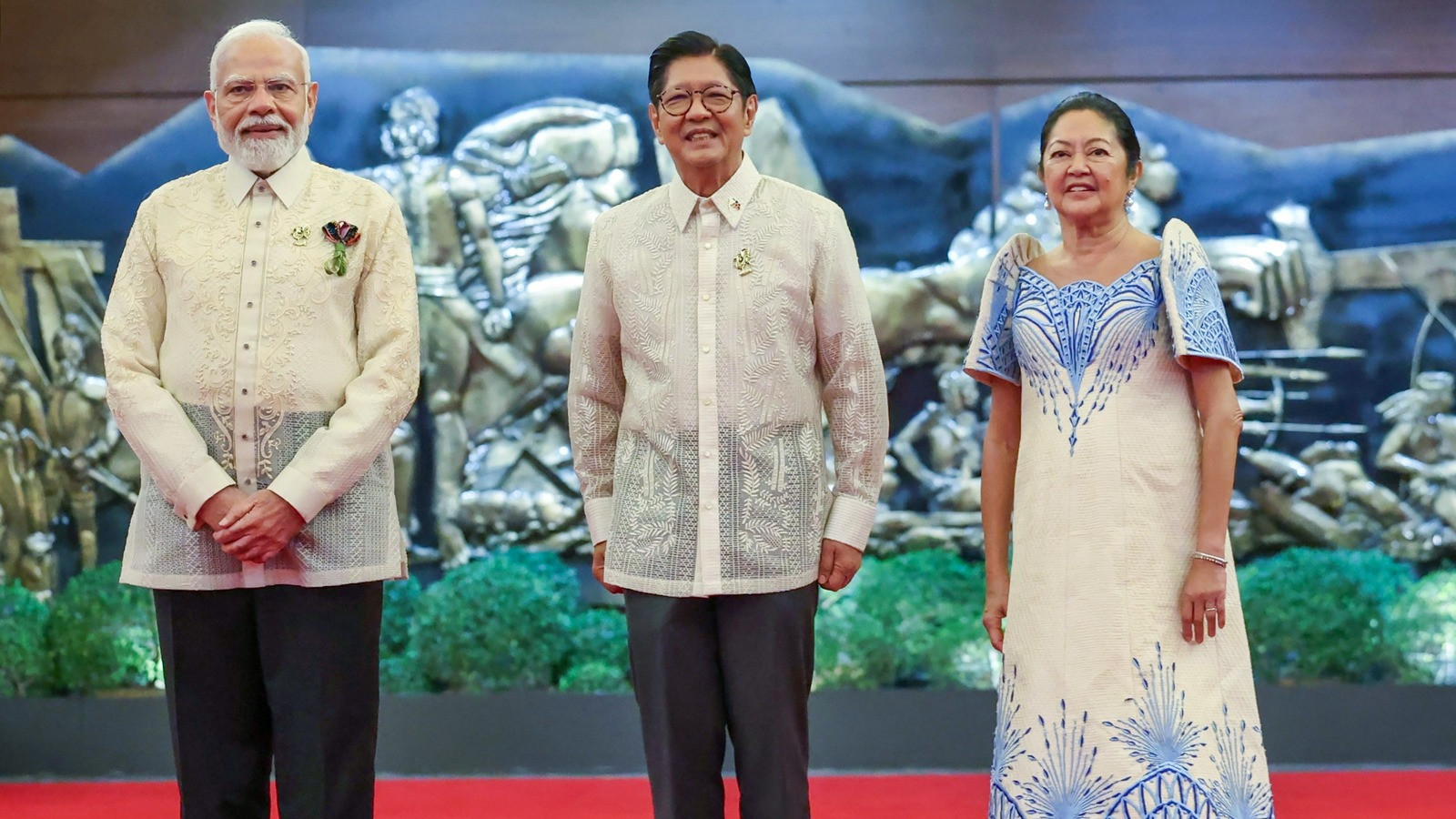
The Prime Minister will participate in the India-ASEAN and East Asia Summit on November 17, including a meeting with Trump and a Quad leaders' meeting.
Prime Minister Narendra Modi's visit to the Philippines and his participation in the India-ASEAN Summit and East Asia Summit in Manila is being presented as a significant diplomatic initiative in India's foreign policy. Maritime security, trade, investment, defense cooperation, and partnerships in the Indo-Pacific region are the key agendas of this visit. However, the importance of these summits should not only be assessed by which leaders India met and how many agreements or declarations were discussed. The real question is whether India is able to translate its declared Act East policy into concrete economic and strategic achievements. And does India have a clear strategy to strengthen its independent role amid the growing geopolitical competition in the Indo-Pacific?

Modi arrived in Manila on November 16 for a three-day visit. Philippine President Ferdinand Marcos Jr. had invited him to participate in the ASEAN summit. Modi's wearing of the traditional Filipino attire Barong Tagalog and arriving in a specially prepared tuk-tuk at the gala dinner hosted by the President was part of cultural diplomacy. Narendra Modi has previously engaged in such experiments to show closeness to foreign leaders, but the measure of success in foreign policy is not cultural symbols, but rather its tangible outcomes. The assessment of how much progress is made in trade, defense, and maritime cooperation between India and the Philippines can only be made after the visit.
A major highlight of this tour is the potential meeting between Modi and U.S. President Donald Trump. This would be the first face-to-face meeting between the two leaders in nearly two years. On November 17, there are also reports of a Quad meeting involving the leaders of India, the U.S., Japan, and Australia. If this meeting takes place, its significance will be natural. However, India's foreign policy should not be evaluated solely based on meetings with the U.S. President or Quad activities. The claim of India's strategic autonomy will only be credible if it clearly advances its independent interests and regional priorities while partnering with the U.S.
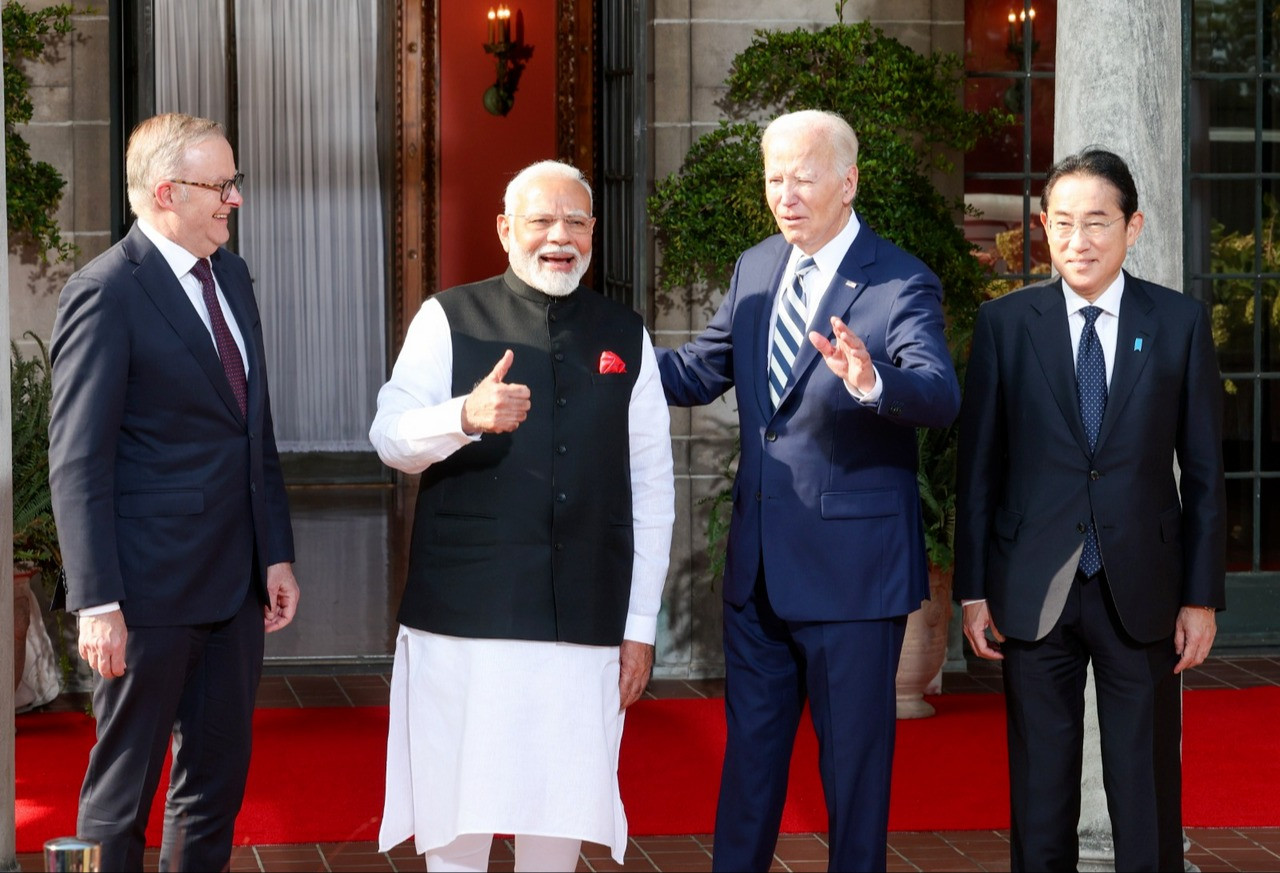
The Quad is often seen as a response to China's growing influence in the Indo-Pacific region. Cooperation has increased among India, the U.S., Japan, and Australia in the areas of maritime security, technology, and supply chains. However, this group also has its limitations. It is not a collective defense alliance, and there are differences in the economic and diplomatic relations of its member countries with China. The challenge for India is to strengthen cooperation with the Quad, but not allow it to become the sole basis of its foreign policy. Southeast Asian countries also do not want their region to become a battleground for a permanent power struggle between the U.S. and China. Therefore, India must respect the strategic concerns and independent foreign policies of regional countries along with security cooperation.
The real test of the India-ASEAN partnership will be in economic relations. The trade volume between the two sides is large, but available reports show discrepancies in trade figures for 2025. The figures indicate that ASEAN is an important economic partner for India. Nevertheless, it is not sufficient to consider only the volume of trade as a measure of success. India's trade deficit, limited competitiveness of exports, and barriers to market access remain serious concerns.
India wants better access for its products in ASEAN markets and aims to reduce its trade deficit. However, merely raising demands at the summit will not be enough. It is essential to make Indian industries competitive, improve the quality of exports, negotiate on non-tariff barriers, and ensure greater participation in regional supply chains. India also needs to assess what kind of benefits and pressures its domestic industries face from free trade agreements. The policy to increase trade will only be successful if its benefits reach Indian producers, small businesses, and employment opportunities.
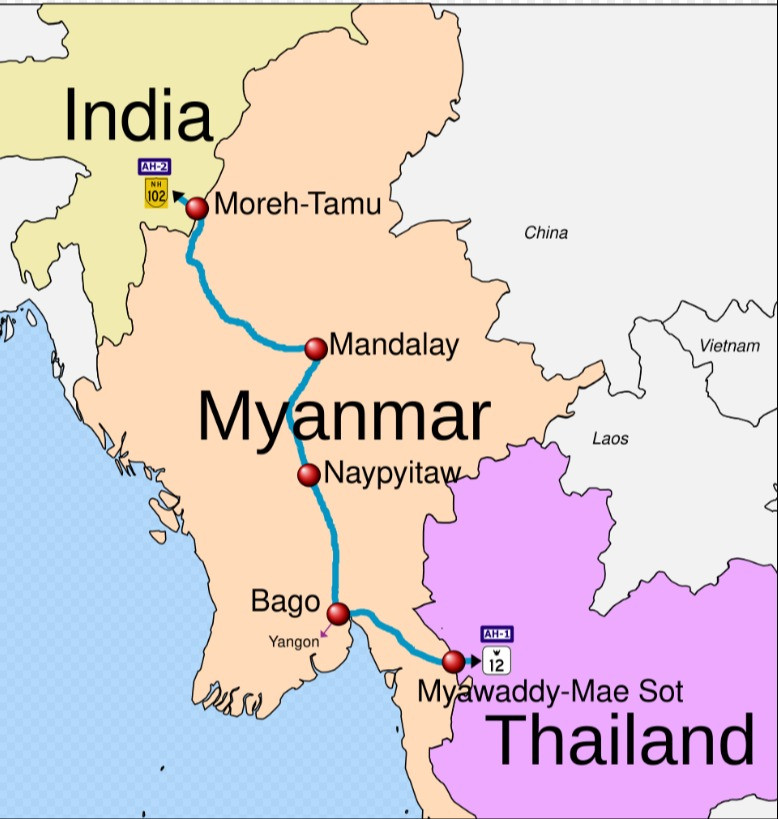
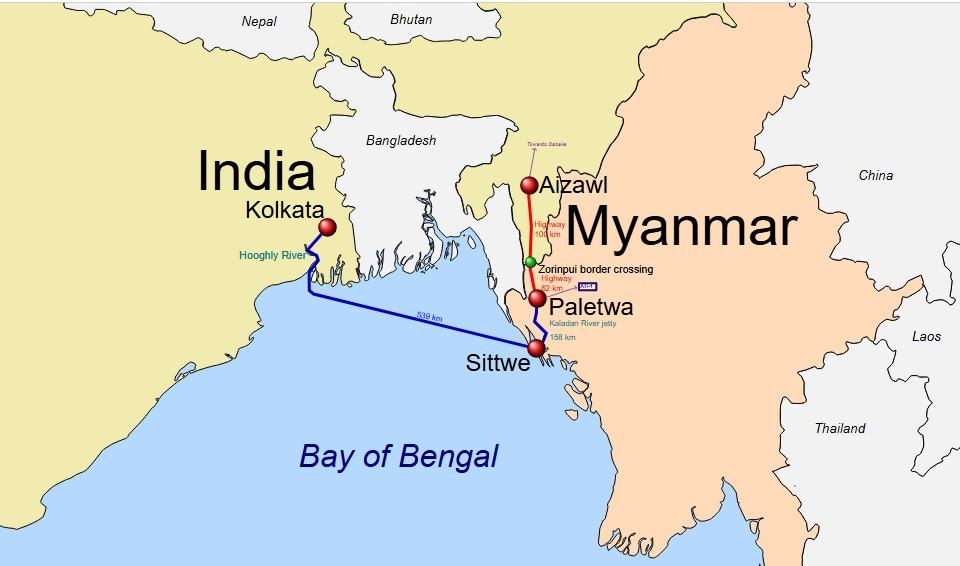
The status of connectivity projects also highlights the limitations of India's Act East policy. The India-Myanmar-Thailand Highway and the Kaladan transport project were seen as important initiatives connecting India's Northeast with Southeast Asia. They were expected to promote trade, transport, and regional connectivity. However, the ongoing political crisis and conflict in Myanmar have impacted the progress of these projects.
This situation poses a fundamental challenge for India: how capable is it of addressing political instability and security risks in the region where it seeks to enhance its economic and strategic influence? The failure to complete declared connectivity projects on time highlights the gap between India's regional ambitions and ground-level implementation.
India's priorities in maritime security are also clear. The Malacca Strait is a crucial maritime route between the Indian Ocean and the South China Sea. Any tension or disruption here could affect India's trade and energy supplies. The announcement of 2026 as the year of India-ASEAN maritime cooperation is significant in this context. India aims to strengthen naval partnerships, maritime surveillance, and information sharing. However, maritime security cannot be limited to the deployment of warships or joint military exercises. It also requires trust among coastal countries, respect for maritime laws, arrangements to address maritime crimes, and peaceful resolution of disputes.
The disputes in the South China Sea are among the most sensitive challenges in the region. Tensions remain over maritime claims between China and several Southeast Asian countries. The Philippines is also a major party to this dispute. India supports international law and freedom of navigation, but it must carefully define its role in this region. On one hand, it is concerned about China's growing influence; on the other, China is also a major trading partner for India. Therefore, India's challenge is not only strategic competition but also balancing its economic interests and regional stability.
At the 21st East Asia Summit, there is a possibility of discussions on the Myanmar crisis and regional disputes. Besides the 11 member countries of ASEAN, India, China, Japan, South Korea, the U.S., Russia, Australia, and New Zealand are also part of this platform. This diversity is both a strength and a limitation of this organization. Due to the strategic interests of different countries, it is often difficult to reach a consensus on many issues. Myanmar is an example of this. ASEAN has emphasized the need for a political solution there, but questions remain about its effectiveness in ending violence and restoring the political process. This crisis is even more complex for India due to its direct concerns related to borders, security, and connectivity projects with Myanmar.
ASEAN was established in 1967 by five countries. Today, this organization, with 11 member countries, is an important platform for the politics and economy of Southeast Asia. India began to expand its relations with this region through the Look East policy in the 1990s. Later, it was framed as the Act East policy. However, after more than three decades of this diplomatic journey, the question remains as to how much India has increased its economic presence and institutional influence in this region. Compared to China, India's capabilities in trade, investment, and infrastructure are still limited. This gap cannot be bridged by mere strategic declarations.
Modi's visit to Manila is significant as it provides India an opportunity to reiterate its regional priorities and enhance dialogue with partner countries. However, before declaring this visit a major diplomatic success, the outcomes must be awaited.
Will concrete steps be taken to reduce the trade deficit? Will timelines be set for completing connectivity projects? Will maritime cooperation remain limited to declarations, or will practical capabilities also be developed? And will India be able to build a trustworthy relationship with ASEAN countries, where they see it as an independent and stable partner rather than a side in the China-U.S. competition?
The ambitions of India in the Indo-Pacific are significant, but it also faces challenges of resources, implementation, and regional instability. The success of India's Act East policy will not be determined by the images from the summits, the speeches of leaders, or joint declarations. Its real measure will be how much India increases trade with its neighbors and partners, how many connectivity projects it completes, and how reliable a contributor it is to regional security.
The discussions in Manila should be evaluated against this benchmark.