
Why are people in Finland upset about the Hindu temple?


Residents near the temple have lodged complaints with the municipal administration.
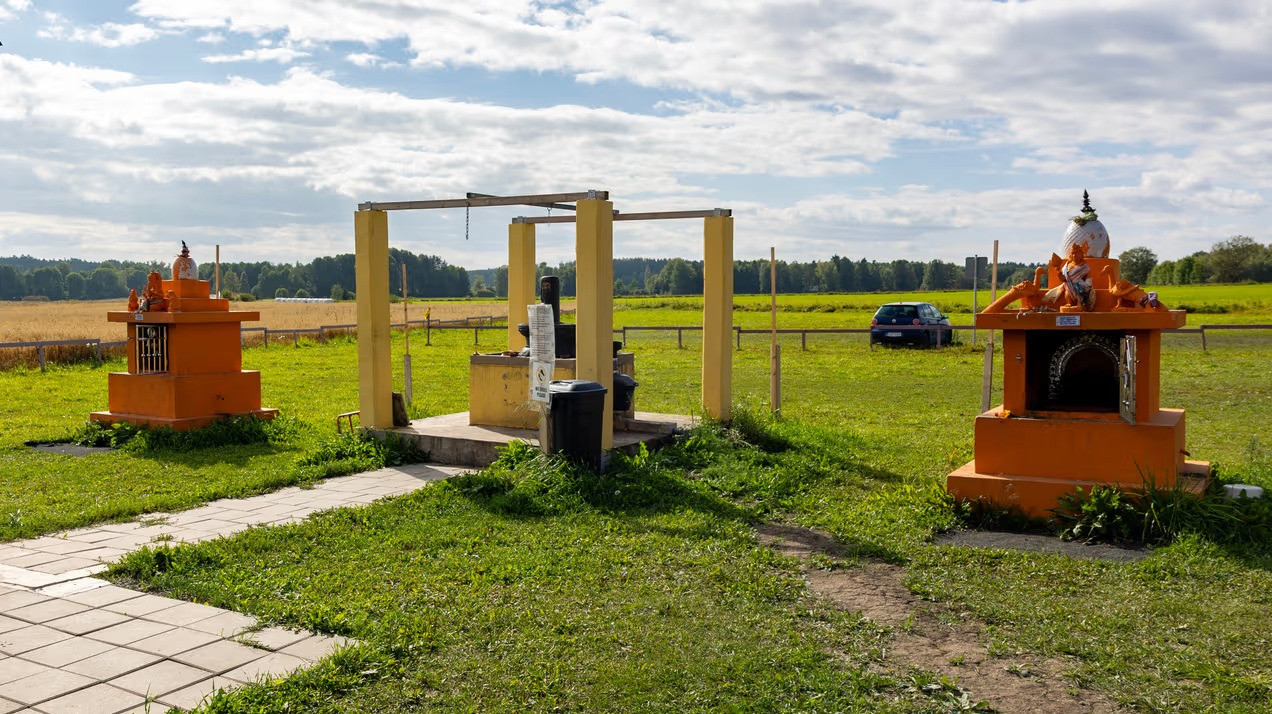
Some local residents have raised objections regarding the sounds during religious rituals at Hindu temples in the southern Finnish city of Sipoo. The controversy centers around a Hindu temple located in the Paippinen area of Sipoo. People living near the temple have filed a complaint with the municipal administration, which has been supported by 15 others residing in nearby houses.
According to a Finnish news website Yle, lawyer Juha Sarimäki, representing the local residents, said,

No one has any objection to Hinduism. The question is where and how the worship is being conducted. This is an open rural area where sounds can be heard from a long distance. The sounds of temple bells, drums, flutes, and religious processions of about 100 people can be heard across open fields.
Neighbor Leif Schmidt said,
I have counted 51 religious events from May until now. Each of these events lasted for three hours. There is a continuous sound of bells, drums, and flutes during the religious events.
This temple has been at this location for the past five years. It started with the desire to create a place of worship for one of the major deities of Hinduism, Lord Shiva. Nirajan Sivanandan, originally from Sri Lanka, said,
I came to Finland about ten years ago. There was no temple here like the one in my country. They searched several places in Sipoo, Kerava, Vantaa, and surrounding areas. Finally, they found a suitable location in the Paippinen area of Sipoo.
Sivanandan told Yle,
I came to see this place. That night, I dreamed that a huge Hindu temple was standing on this plot of land. I took it as a sign that God was telling me this is their favorite place.
Sivanandan had purchased the property with the plan to build a temple on one part and his house on the other. However, later he decided not to build a house there. Now, the other part of the plot is used as parking for devotees visiting the temple. Sivanandan himself resides in Vantaa. Until then, there was no Hindu temple in Finland. Places of worship for Hindus were usually created within other buildings or private homes.
Sivanandan said that,
The temple community wants to maintain harmonious relations with everyone and has also taken into account the surrounding noise pollution and environment. We only use one drum and one flute. In similar religious ceremonies in Norway, Germany, and France, typically four instruments are played. In Sri Lanka and India, the number can go up to ten.
He also mentioned that,
The temple has stopped using the largest bell and has also reduced the duration of ringing the bells. The temple has been located at its current site for the past five years, and local authorities say that the noise level is within legal limits.
In mid-July, a religious festival was held at the temple. Environmental officials in Sipoo had instructed the temple management to measure the noise level reaching the nearest houses during religious rituals. This measurement was recorded on Saturday evening during the festival. According to municipal environmental officials, neither the noise level nor its duration was found to exceed the limits set by law.
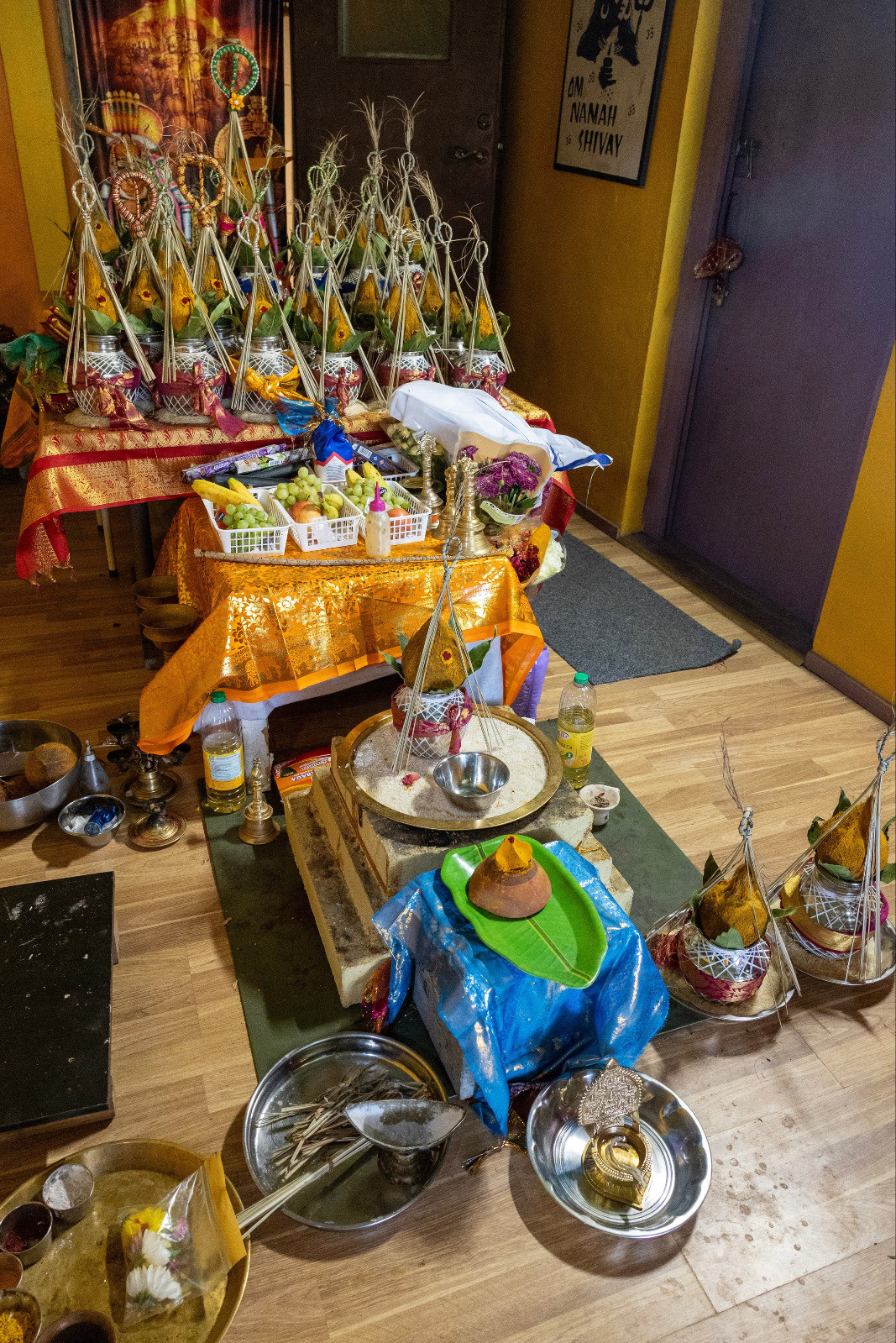
Senior Environmental Inspector Anu Yuvonen said,
The measurement results do not prove that the noise from the temple is extraordinarily disturbing. The sound level varied during the event. According to the measurements, the noise exceeded the daytime standard of 55 decibels for a short period. Such periods lasted a maximum of 25 minutes at a time, while several times it exceeded the limit for five to ten minutes.
The municipal administration will discuss the issue of the sounds from the temple's bells and instruments this week. However, the environmental department currently has no plans to take action to reduce it.
The temple organizers will only be reminded to inform nearby residents about the annual 14-day religious festival. According to the rules, it is mandatory to notify neighbors at least 48 hours before the festival begins.