
Sheikh Hasina’s planned return to Bangladesh sparks alarm: Will chaos erupt again?

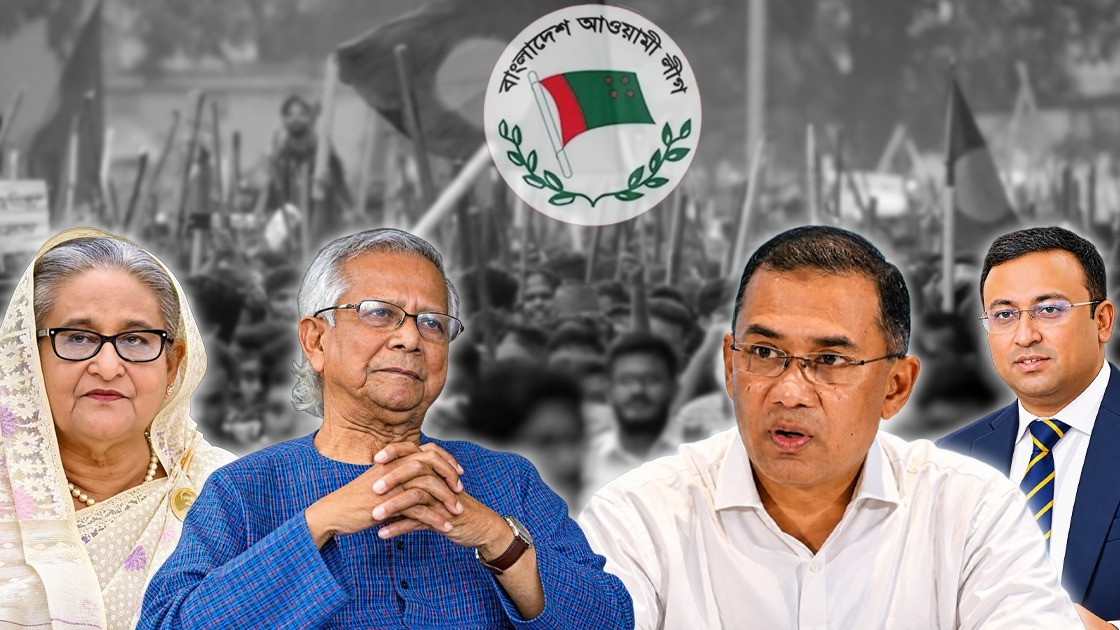
Bangladesh’s former Prime Minister Sheikh Hasina, who has been living in India for more than two years, wants to return home on December 16.
Citizens in India and South Asia may see articles on extradition law in newspapers in the coming days. Bangladesh’s former Prime Minister Sheikh Hasina, who has been living in India for more than two years, wants to return to her country on December 16. Her spokesperson, Syed Mozammel Ali, said this today. However, this cannot be taken as final confirmation of her travel. The Dhaka government has made it clear that it views her return only within the framework of extradition and judicial process.
Sheikh Hasina has asked the Bangladesh government to make arrangements to bring her from Delhi to Dhaka on national carrier Biman Bangladesh Airlines. Her representative argues that, given the circumstances in which she had to leave the country in August 2024, it is the government’s responsibility to make her return possible. But Bangladesh’s State Minister for Foreign Affairs, Humayun Kabir, has rejected the demand for an aircraft. He has said the former Prime Minister will be treated like a criminal and will enter the country in handcuffs.
On December 16, Bangladesh celebrates victory in the 1971 Liberation War, when the new nation of Bangladesh was born after separating from West Pakistan. Sheikh Hasina’s father, Sheikh Mujibur Rahman, was a central leader of the independence movement. The country, born out of the question of language, has now moved a long way from the days of Bangabandhu, which is also natural in the context of the changing geopolitical landscape. Announcing her return on such an occasion could give the Awami League an opportunity to rally supporters around its historical legacy. However, this symbolic significance does not remove the legal obstacles Sheikh Hasina faces.
Sheikh Hasina’s rule ended in August 2024 following a mass uprising that began with a student movement. After she left the country, an interim administration was formed under Muhammad Yunus. Following the February 2026 elections, the Bangladesh Nationalist Party, led by Tarique Rahman, came to power. The biggest obstacle to her return is the death sentence pronounced against her. On November 17, 2025, the International Crimes Tribunal of Bangladesh convicted her of crimes against humanity linked to the suppression of the 2024 movement. The trial was held in her absence. Sheikh Hasina has continued to reject the charges and the verdict.
The UN Human Rights Office had called the verdict an important moment for victims, while also underscoring the need for a fair trial in line with international standards. It also opposed the death sentence imposed on her. Human Rights Watch has expressed concern over shortcomings in the tribunal’s procedures. Balancing victims’ demand for accountability with the accused’s legal rights is what will strengthen the credibility of the judicial process.
Sheikh Hasina has also sought a new passport and national identity card to facilitate her return. The Bangladesh government, meanwhile, says she should be brought back under the existing extradition treaty with India. State Minister for Foreign Affairs Shama Obaid Islam has said she will be arrested and sent to prison upon entering the country. India had said it was not possible to send her to Bangladesh without valid documents.
Amid this dispute, tensions on the streets of Bangladesh have risen. Despite a ban on the Awami League’s political activities, there have been reports of its supporters mobilising and holding protests. Arson, explosions and political clashes have taken place in several locations. A section of Muhammad Yunus’s ancestral home in Chattogram was also set on fire. There have also been reports of some people losing their lives in these protests.
This is also a sensitive diplomatic question for India. Sheikh Hasina’s presence in India and Dhaka’s extradition demand have been a source of tension in bilateral relations. Yet the interests of the two countries are not limited to the future of any one leader. Sustained dialogue is necessary for border management, trade, connectivity and the safety of citizens. The deadline for the treaty on sharing the waters of the Ganga between the two countries is December 12. Under it, a joint river commission, chaired by Sharad Chandra, was in Bangladesh in recent days. At a time when countries in Southeast Asia are taking important decisions on power generation and energy management, amid a world ablaze with war, India and Bangladesh too should strive to move beyond political disputes for the welfare of their citizens, and take long-term decisions on their differences with a better understanding.
The real question now will be whether the December 16 announcement leads to a clear and acceptable legal arrangement. The Bangladesh government should clarify the security and judicial situation, but the real challenge will be keeping political party supporters away from violence. Sheikh Hasina’s return to Bangladesh would not, in itself, mean a return to power. Bangladesh’s stability will depend on how credibly its institutions address questions of accountability, fair trial and peaceful political participation. At one point, by 2026, Bangladesh was on course to join the ranks of middle-income countries. Then the government changed, and so did the system. It is not easy for citizens and governments to reach an understanding on issues such as movement versus coup, but that would be the ideal outcome. It would also be better for India if countries along its borders were not plunged into the fire of chaos. What the future holds, however, will become clear only in the days to come.