
India can be a global model for moderate Islam, experts say
Amid religious extremism, intolerance and ideological polarisation, India’s Sufi model can show the world a path to peace and coexistence.
The Indo Islamic Heritage Centre (IIHC) organised a round-table conference on “Sufism in India and Egypt: A Shared Heritage of Peace, Pluralism and Coexistence” at the India Islamic Cultural Centre, New Delhi. Prominent scholars, academics, religious leaders and media representatives took part. The conference discussed the shared spiritual heritage of India and Egypt and the relevance of Sufism in addressing contemporary global challenges.
The conference placed particular emphasis on how India’s rich Sufi tradition is an important foundation of its civilisational strength, cultural diplomacy and global soft power. India’s pluralistic spiritual heritage and inclusive interpretation of Islam can offer the world a positive example today. Speakers said that, amid religious extremism, intolerance and ideological polarisation, India’s Sufi model can show the global community a path to peace and coexistence.
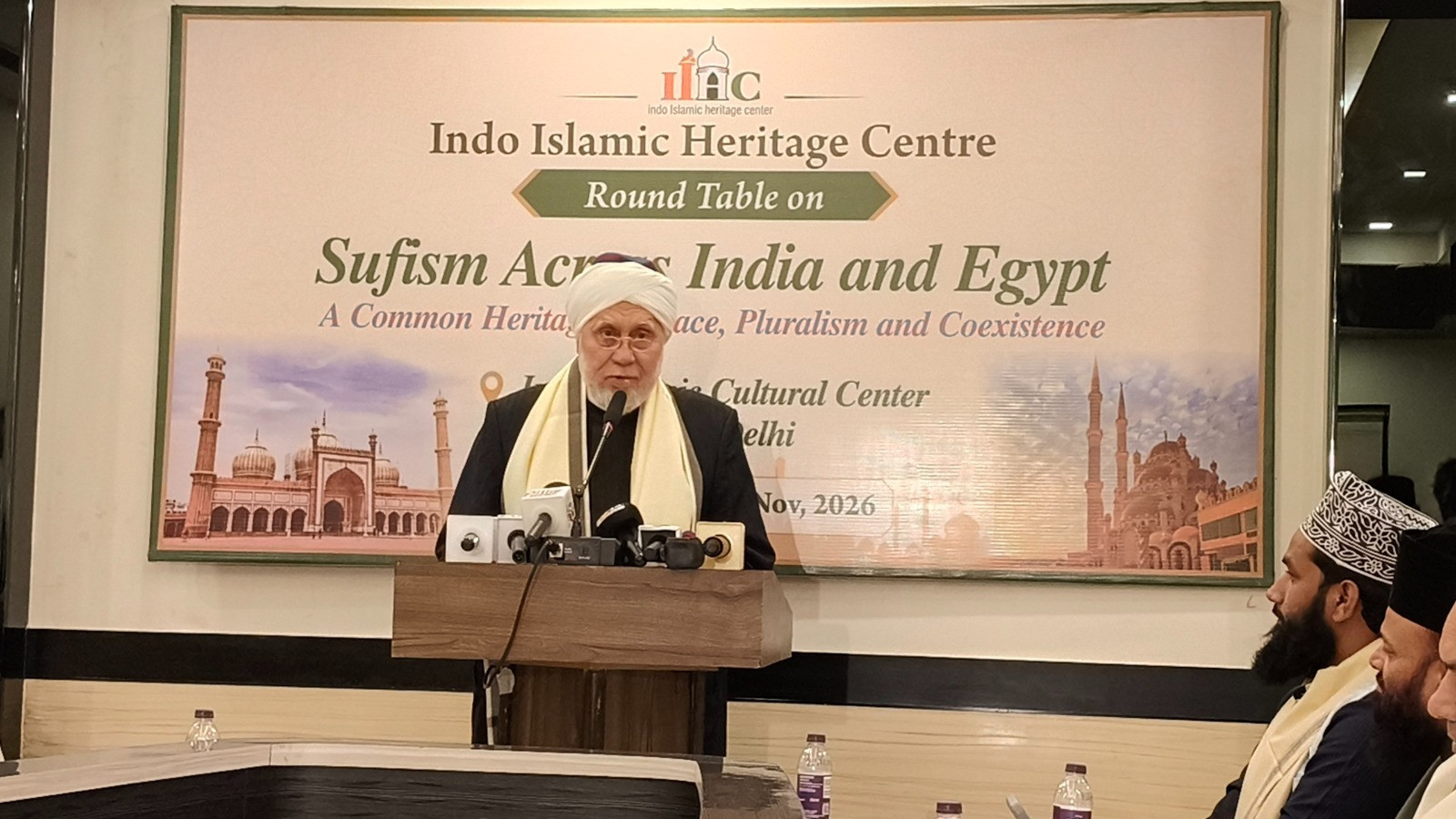
Addressing the conference, Prof. (Dr.) Muhammad Mahanna, Professor of International Law at Al-Azhar University, Cairo, and adviser to the Grand Imam, said Sufism could emerge as a successful ideological model in the present era. He particularly highlighted India’s ability to absorb Sufi traditions and make them part of its social and cultural fabric. He said India’s Sufi model could serve as an example for the entire world, representing a liberal, progressive and inclusive ideology of Islam. The relevance of India’s spiritual traditions has grown further in the current global circumstances.
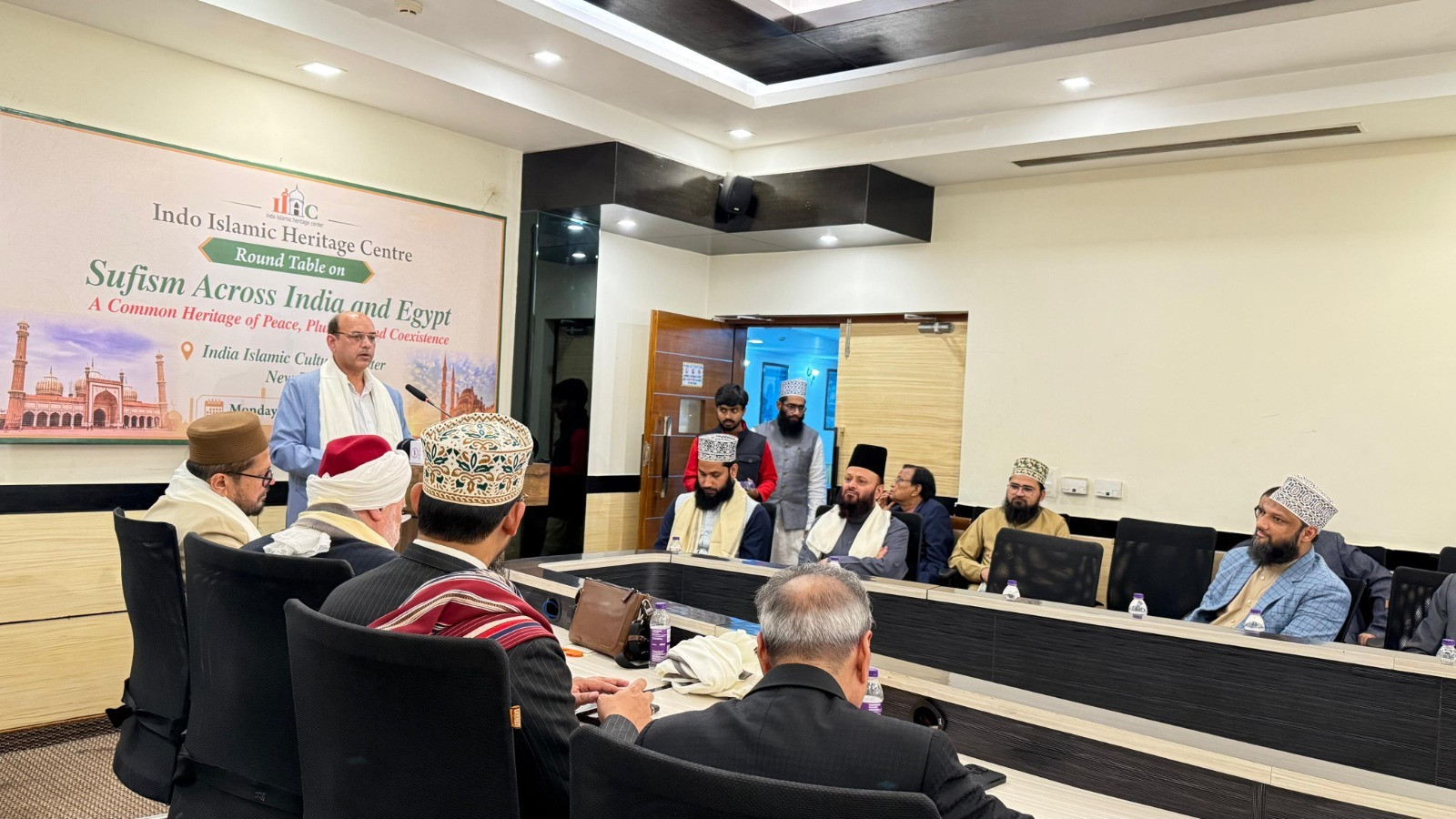
Prof. (Dr.) Ghulam Yazdani, Dean of the Faculty of Law at Jamia Millia Islamia, said India and Egypt are both ancient civilisations with exceptionally rich religious, intellectual and ethical traditions. He said the two countries could offer the world a new direction through their civilisational heritage, religious values and ethical outlook. He stressed the need to further strengthen intellectual, cultural and spiritual exchanges between India and Egypt.
Sufism is the spiritual tradition of Islam, known as tasawwuf. It emphasises love for God, self-purification, humility and an ethical life. Zikr, or remembrance of God, is its principal practice. With the help of a spiritual guide, Sufi practitioners seek to rise above ego and selfishness. Sufism is not a uniform movement; various orders and practices have developed in different regions. Poetry, calligraphy and, in some traditions, music have also served as forms of spiritual expression. Understanding its diversity helps avoid limiting it to shrines or qawwali.
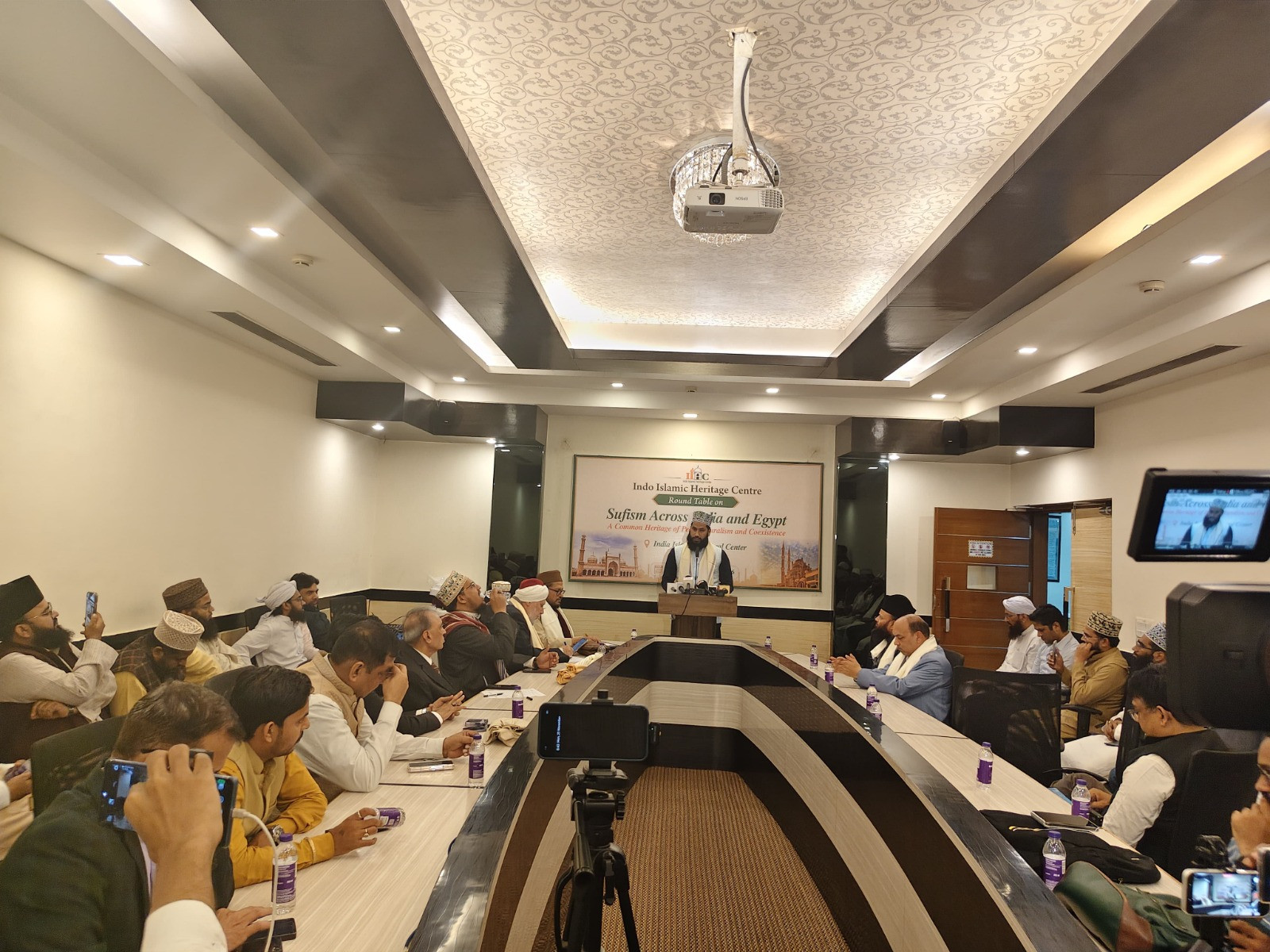
Peer Syed Farid Ahmed Nizami, the sajjada nashin of the Dargah of Hazrat Nizamuddin Auliya, said India’s history had been one of tolerance, love, mutual respect and peace. He said the world today needed a progressive and liberal model of Islam that was inclusive and respected diversity. India’s Sufi tradition is a strong foundation for advancing these values.
The conference also noted that India’s Sufi heritage is not merely a religious and spiritual legacy, but an important part of its civilisational identity and international influence. Strengthening the shared spiritual ties between India and Egypt can deepen bilateral cultural relations and people-to-people contact, and amplify India’s voice for liberalism, pluralism and interfaith dialogue at the global level.
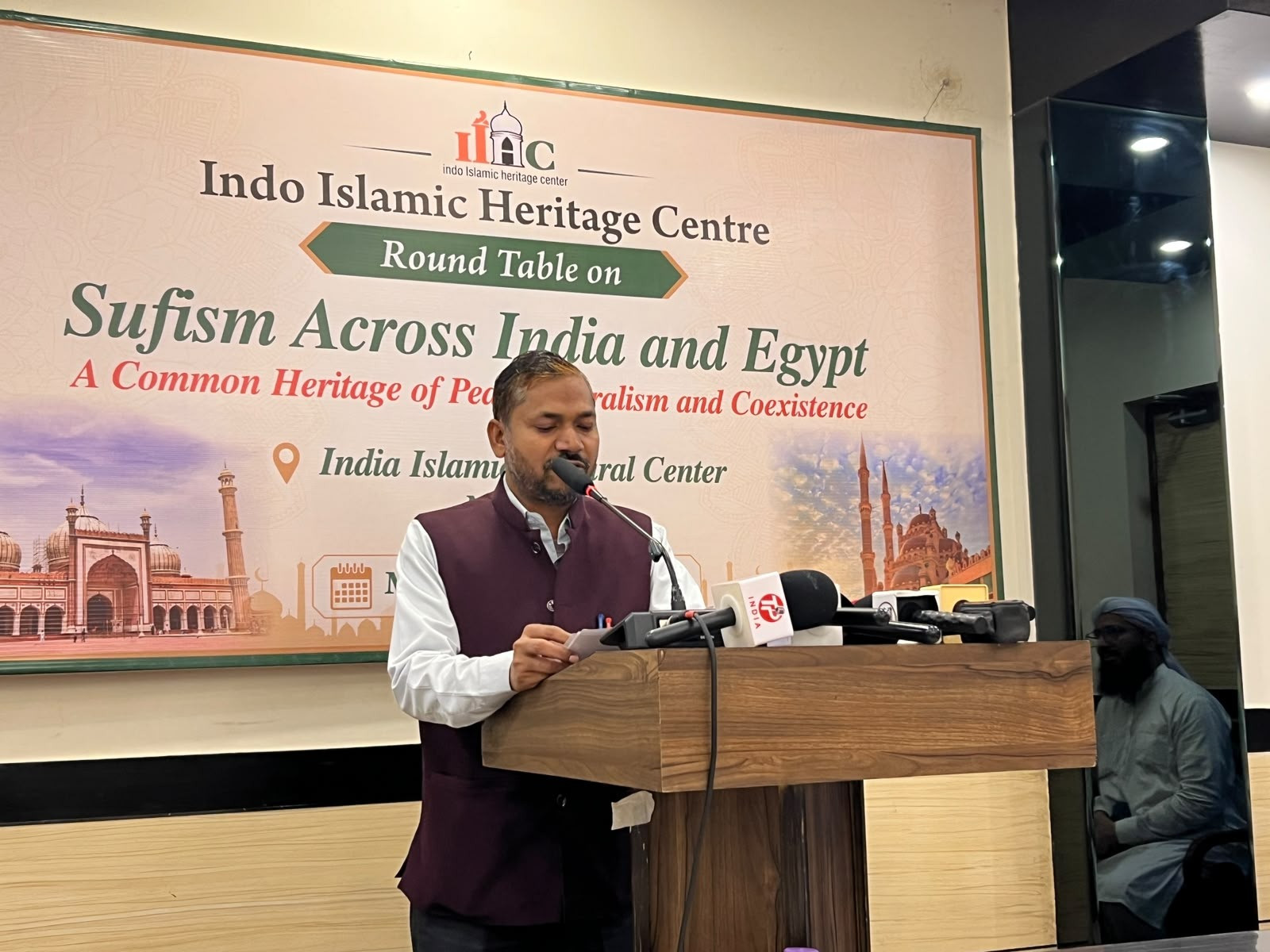
Dr. Shujaat Ali Qadri, chairman of the Muslim Students Organisation of India (MSO), thanked all the guests and participants. He said promoting India’s indigenous Sufi traditions and advancing liberal, progressive and inclusive religious thought was an important need of the hour. Such events play an important role in presenting India’s cultural identity and shared heritage on the international stage.
The programme was conducted by Mohammad Zafaruddin Barkati, a research fellow at the Indo Islamic Heritage Centre. He highlighted the importance of preserving the shared spiritual heritage of India and Egypt and taking it forward through academic and cultural dialogue.
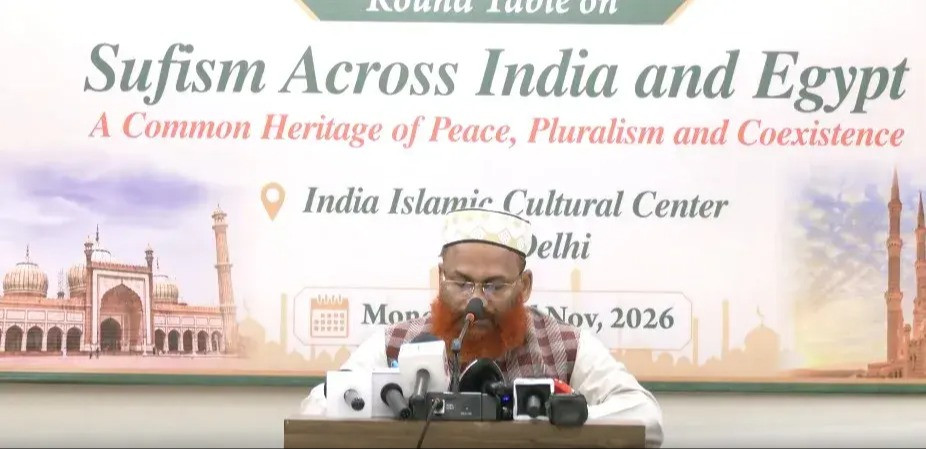
Among those present on the occasion were former India Islamic Cultural Centre president Sirajuddin Qureshi, Sahara Group editor Abdul Majid Nizami, Pillar India editor Khurshid Rabbani, Mahmood Ghazi of Jamia Hazrat Nizamuddin, and Tanzim Ulama-e-Islam chairman Mufti Ashfaq Hussain Qadri, along with several eminent scholars, intellectuals and social representatives.
The conference concluded with a resolve to widely disseminate India’s Sufi heritage and its message of peace, pluralism and coexistence at the international level, and to encourage sustained intellectual and cultural dialogue to further strengthen the historical, cultural and spiritual ties between India and Egypt.
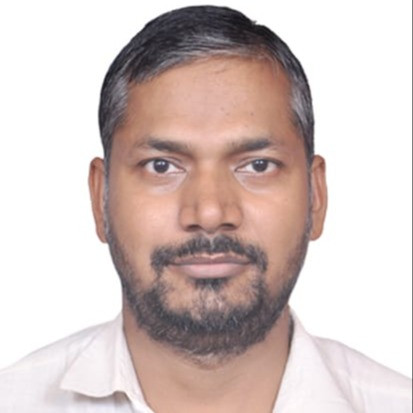
Dr. Shujaat Ali Quadri
लेखक, मुस्लिम यूथ ऑर्गेनाइजेशन ऑफ इंडिया के संयोजक और कम्यूनिटी लीडर है, साथ ही सूफिज़्म और मुस्लिम मामलों पर लगातार लिखते रहते हैं.