
Are the five rules of foolishness applying to Indian politics?
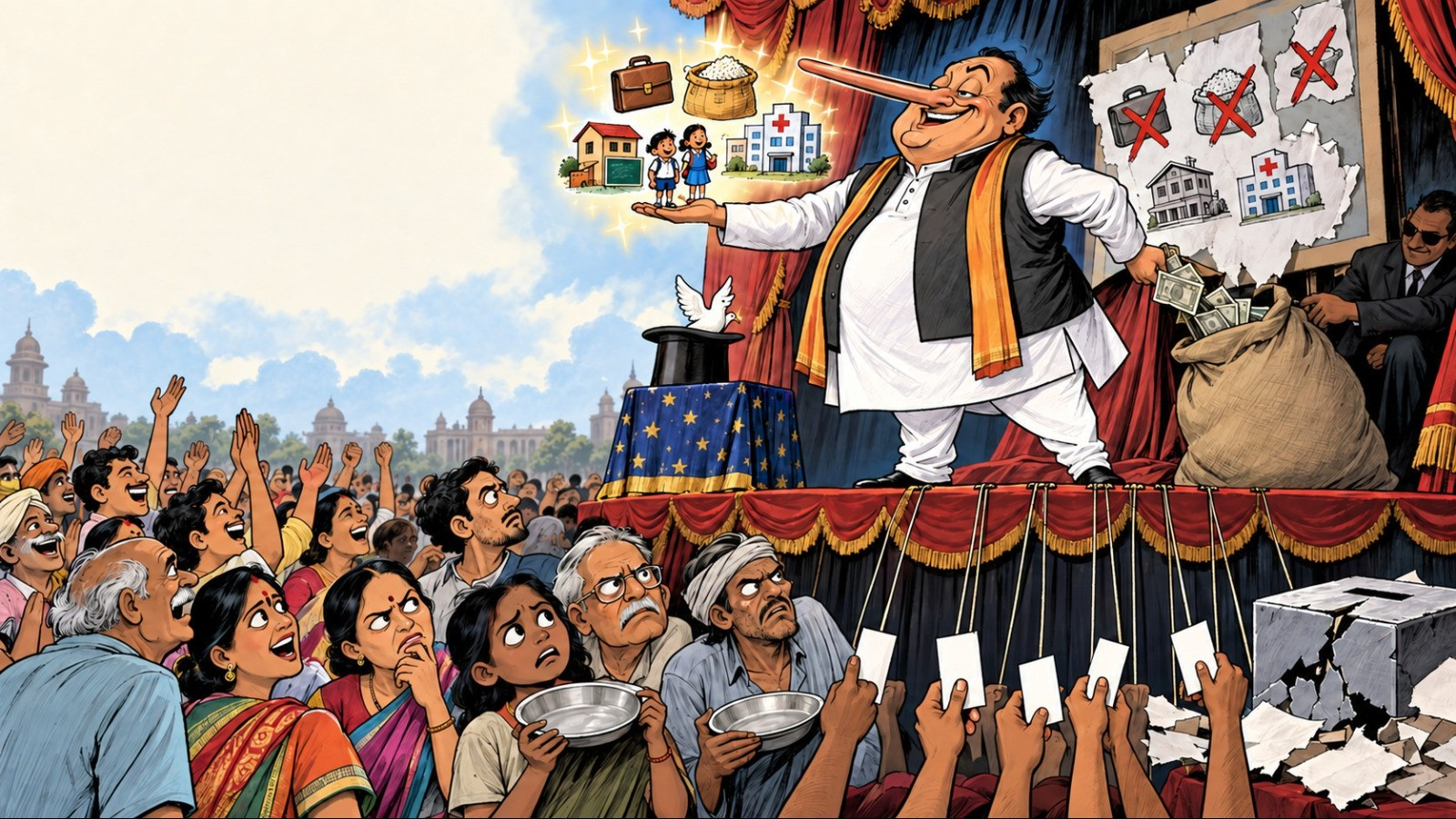
In today's India, the significance of citizens' foolishness has grown immensely in the political landscape.
In today's Indian political landscape, the folly of citizens has gained significant importance. What does this folly mean? Let's try to understand it a bit:
Italian historian Carlo M. Cipolla (1922-2000), who was a professor at the University of California, wrote a small book titled: The Basic Laws of Human Stupidity.
He states that humans can be categorized into four types:
Powerless, intelligent, bandit, and foolish.
In this book, he outlines five fundamental laws of human stupidity. These laws are as follows:
First Law
The total number of foolish individuals in society is always underestimated by every individual. This means that it cannot be said how many people in society are foolish. Any estimate made will prove to be incorrect, and that figure is likely to be underestimated, according to Cipolla.
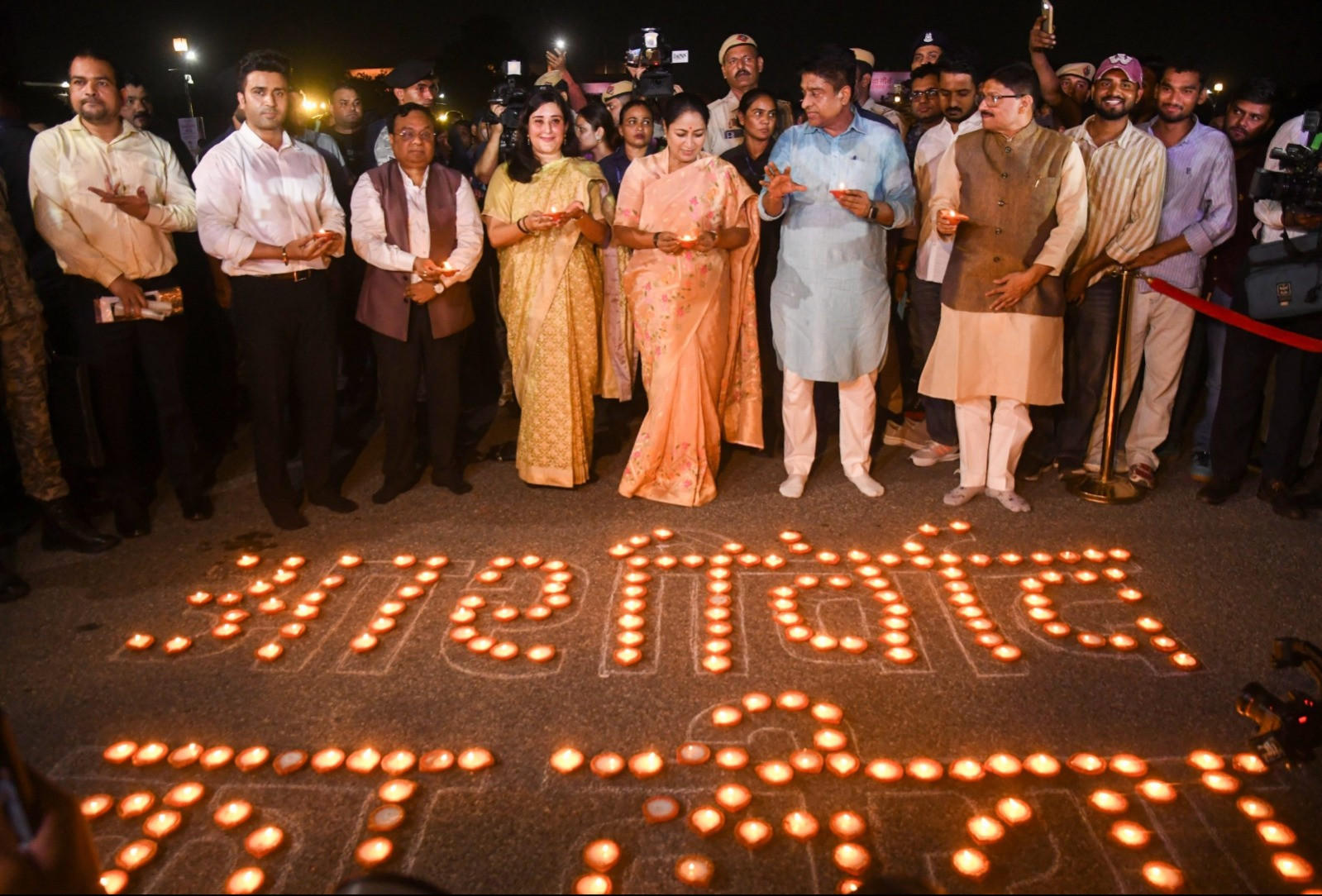
The number of people who clapped during the coronavirus pandemic or those who lit lamps on Narendra Modi's birthday on September 17 cannot be estimated. This means that foolish people are not few; they can number in millions or crores.

Second Law
The likelihood of a specific individual being foolish is independent of any other characteristics of that individual. This means that no matter how great or intelligent a person may be, it does not mean they cannot be or become foolish. For instance, Amitabh Bachchan can also clap. Cipolla states that not all humans are the same; some are foolish, while many are not. Foolish individuals can be found in all groups of humans; it is not a privilege of any particular group.
This means that educated people can also be foolish or become foolish. Cipolla also states that education has no relation to foolishness, and he adds that whether the group is small or large, there are always foolish individuals in it. This implies that intelligent people can also become foolish when they consider those who make them foolish as their leaders or gods.
Third Law
A foolish person is one who causes harm to other individuals or groups without gaining any benefit for themselves and perhaps even harming themselves.
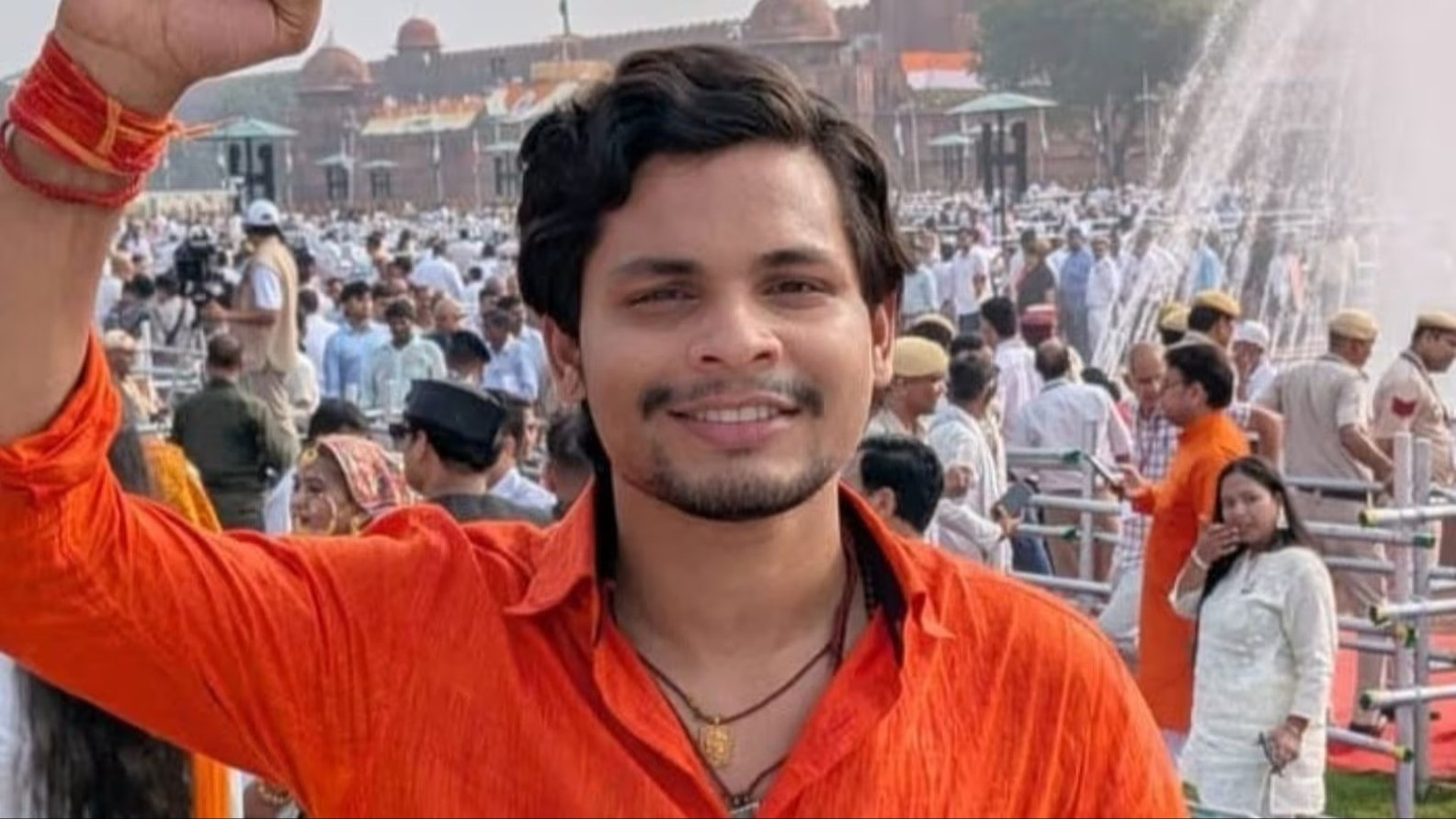
For example, consider the case of independent Bhardwaj. Killing someone and then getting caught in the police and court system without any benefit to oneself falls into this category. Those who engage in mob lynching in India can be included here. They believe that their foolish leaders will save them. However, it is also possible that those leaders may not come to their rescue in time.
Fourth Law
Those who are not foolish always underestimate the potential harm that foolish individuals can cause. Specifically, those who are not foolish continuously forget that interacting with and maintaining relationships with foolish people is certainly a very costly mistake in every time, place, and circumstance. Those who are not foolish cannot estimate how much harm foolish individuals can inflict on society or the country if they come to power.
When Narendra Modi became the Prime Minister of India in 2014, many secular individuals believed that he would become more accountable to the people. However, he dismantled the constitutional institutions that were meant to hold him accountable. This means that those who are not foolish are indeed quite naive and cannot estimate how much harm may come to themselves or the country in the future.

Fifth Law
A foolish person is the most dangerous individual. A foolish person is even more dangerous than a bandit. This means that while a bandit robs and kills, they do not generally harm the entire society or country. However, if a foolish person gains power, they can lead the entire country to a dangerous turning point.
Examples like Hitler or Trump are sufficient for this. The question also arises as to how this folly comes to an end. The author has not mentioned anything about this.
It is time to reflect on the current political landscape of our country in light of these rules of folly. Are the citizens of India foolish, or are they being made foolish? Who are the foolish individuals that make them foolish?
Pro. Hemantkumar Shah
प्रो शाह जाने-माने अर्थशास्त्री हैं और गुजरात में लंबे समय तक अध्यापन के बाद लेखन और सामाजिक कार्यों में सक्रिय हैं।